First establish three fundamentals: pallet structure (stringer-type GMA / block-type European EPAL), whether order specifications vary, and whether the pallets are for export. Then match the capacity, nailing method, and automation level. For export orders, also confirm ISPM 15 heat treatment and CE / NR12 safety requirements.
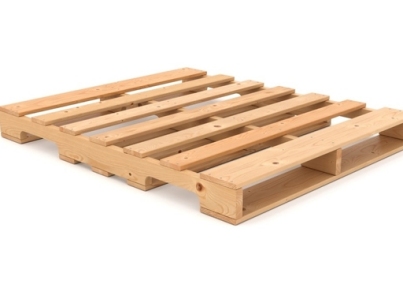
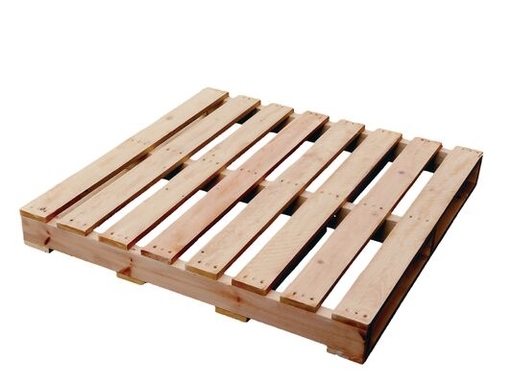
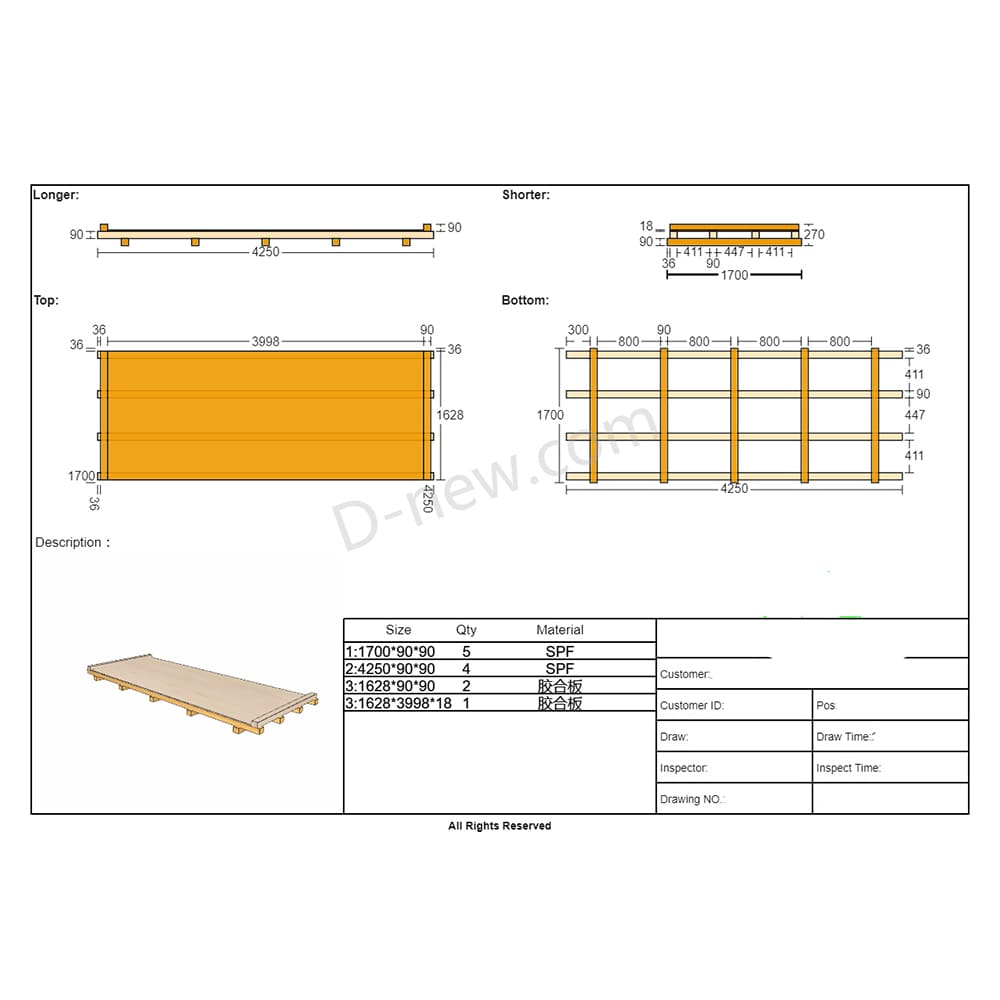
Stringer-Type GMA Pallet
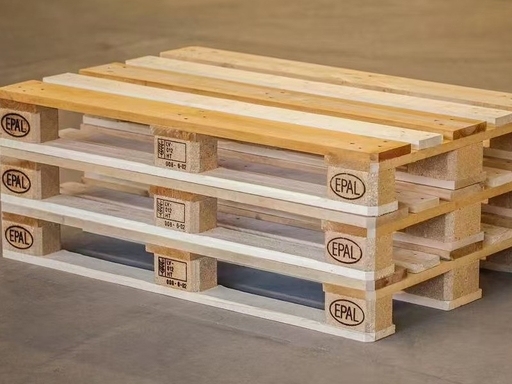
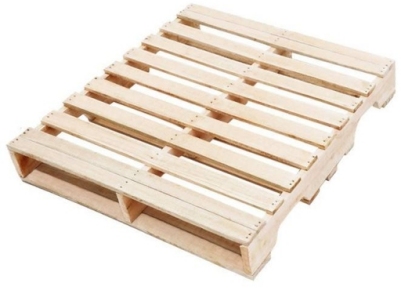
Nine-Block European EPAL Pallet
1:Step 1: Identify the Pallet Type (Directly Determines the Main Machine Selection)
1. Stringer-Type Pallet (American Standard / Domestic Sichuan-Style): Two-way forklift entry, fewer nailing points, and fast size changes; suitable for mixed orders and domestic circulation.
2. Block-Type Nine-Block Pallet (European EPAL): Four-way forklift entry, many nailing points, and strict precision requirements; the main type for EU exports. Standard features include 45° chamfering and IPPC branding; certified EPAL production has higher requirements.
Note: EPAL pallets are not ordinary nine-block pallets. Nail length, nail layout, and block tolerances are all subject to mandatory specifications.
2:Capacity Levels (8-hour Single Shift, Finished Products, Excluding Heat-Treatment Waiting Time)
• Small: 80–200 pallets / day | 10–25 pallets / h | In-house use, small scattered orders, and low budget
• Medium: 240–480 pallets / day | 30–60 pallets / h | Mainstream market option and first choice; mixed orders of 3–8 specifications, for domestic sales plus limited exports
• Medium-Large: 500–800 pallets / day | 60–100 pallets / h | Fixed 2–3 specifications and stable large export orders
• Large: 800–1500 pallets / day | 100–150 pallets / h | A single standard EPAL/GMA specification, long-term major customers, and large-scale factories
Avoid pitfalls: The speed quoted by manufacturers is the theoretical maximum. Selection must account for changeovers, nail changes, scrap, and downtime.
3:How to Select the Nailing Method (Core Machine)
1. Multi-Gun Pneumatic Nailing Station (Independent Nail Guns)
Advantages: 5–10 minute size changes, lowest cost, and suitable for both Sichuan-style and nine-block pallets
Disadvantages: Nail-position consistency depends on manual operation; not recommended for large-volume EPAL orders
Suitable for: Daily capacity below 300, frequent specification changes, and domestic pallets
2.Gantry Synchronized Multi-Nail Machine (Bridge-Type Nailing Machine, Most Common for Export)
Advantages: Multiple nails are driven synchronously in one pass, providing consistent nail depth and stable strength, meeting IPPC export inspection requirements; can be equipped with upper/lower dual gantries and automatic turning
Disadvantages: Changing nail positions or sizes requires fixture adjustment, resulting in slow changeovers (20–40 minutes)
Suitable for: 400+ pallets / day, fixed specifications, and export pallets
3. Servo CNC Movable Nail Heads
Advantages: Stores multiple nail-pattern programs without changing fixtures, combining flexibility and precision; one-touch switching between EPAL, American Standard, and irregular pallets
Disadvantages: High cost, high electrical-maintenance requirements, and need for a stable air supply
Suitable for: 600+ pallets / day, multiple types of export pallets, and sufficient budget
4. Nail Selection: Use ordinary collated nails for domestic circulation; for export / heavy-duty pallets, prioritize screw or ring-shank nails, which are less likely to loosen after heat treatment and drying
4. Four Automation Configurations (Modular and Upgradeable)
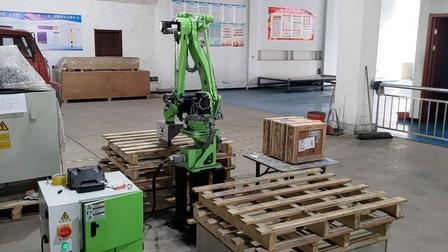
1) Basic Workstation (80–200 pallets / day)
Configuration: Pneumatic nailing station + positioning stop + simple turning rack
Personnel: 3–4 people, all handling material placement, turning, and transport manually
Suitable for: In-house factory use and small-batch orders; not suitable for large-volume exports
2) Semi-Automatic Production Line (240–480 pallets / day, Best Value)
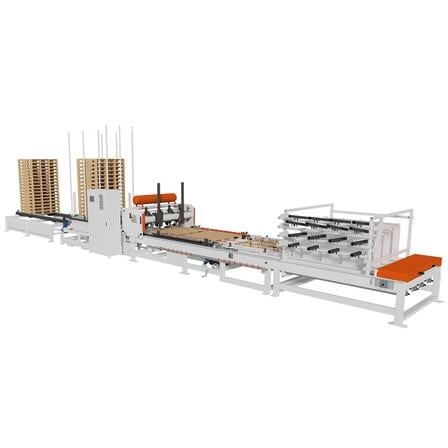
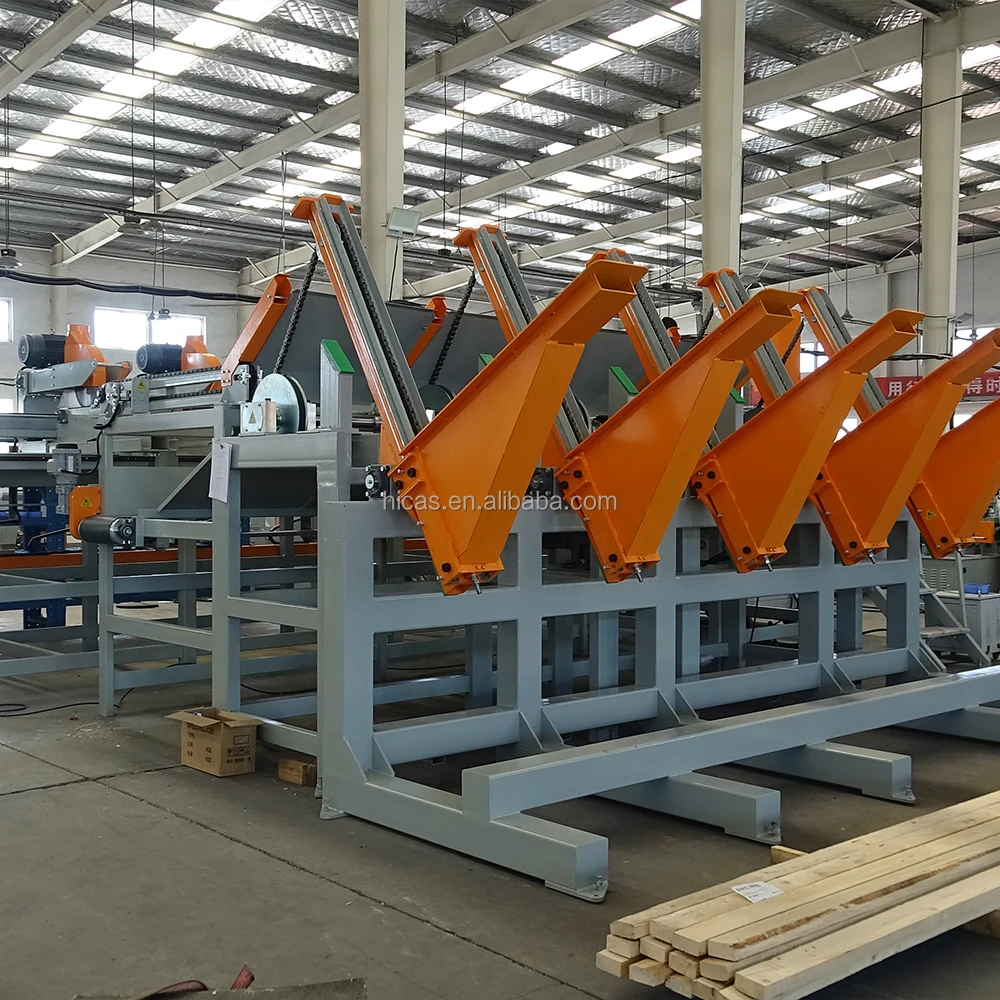
Configuration: Infeed conveying and positioning station + gantry multi-nail main machine + automatic turning mechanism (key labor saver) + secondary nailing + conveying + automatic pallet stacking
Personnel: 2 people (only for placing boards and blocks)
Features: Moderate changeover capability, compatible with domestic pallets and limited exports; for export orders, add a chamfering machine, IPPC branding machine, and heat-treatment chamber
Line length: 12–18 m
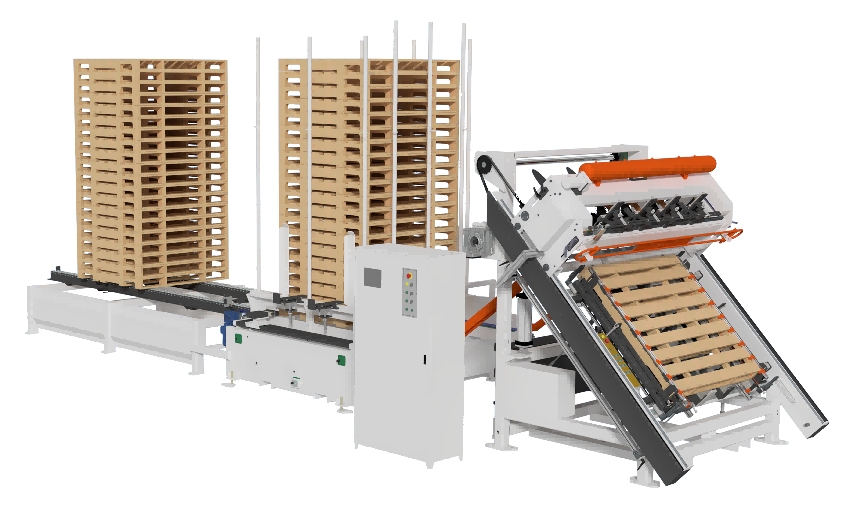
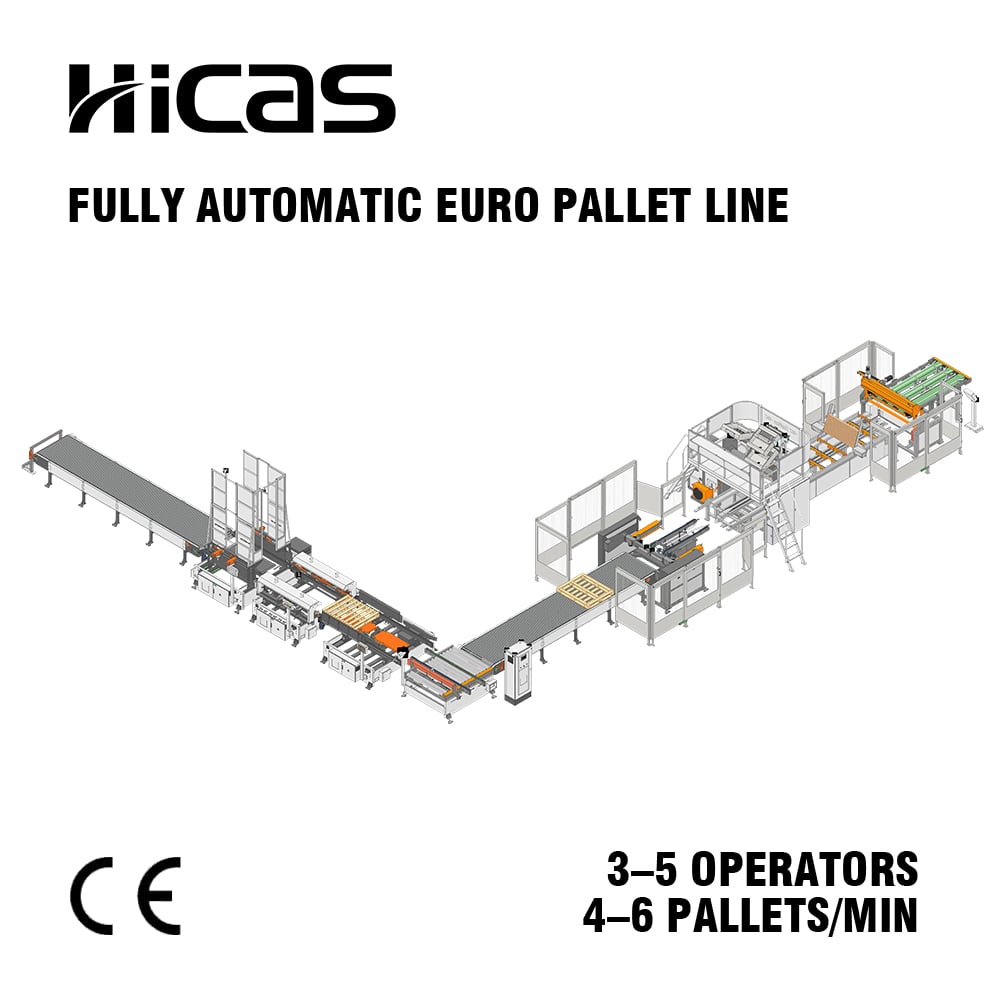
3) Fully Automatic Line (600–1200 pallets / day, Large Orders with Fixed Specifications)
Adds to the semi-automatic configuration: automatic sorting and feeding of blocks, automatic board feeding with servo positioning, automatic chamfering, automatic IPPC/LOGO branding, automatic finished-pallet stacking, and PLC+HMI integrated line control
Personnel: 1 person for inspection and replenishing nail coils
Limitation: Utilization drops significantly with frequent specification changes; suitable for long-term orders of a single EPAL specification
Line length: 22–35 m
4) Robotic Flexible Line (Rarely Selected)
Robotic loading + nailing unit, suitable for large volumes of customized irregular pallets; investment is substantial, capacity is lower than that of a dedicated gantry line, and it is generally not recommended
5. Mandatory Equipment for Export Pallets
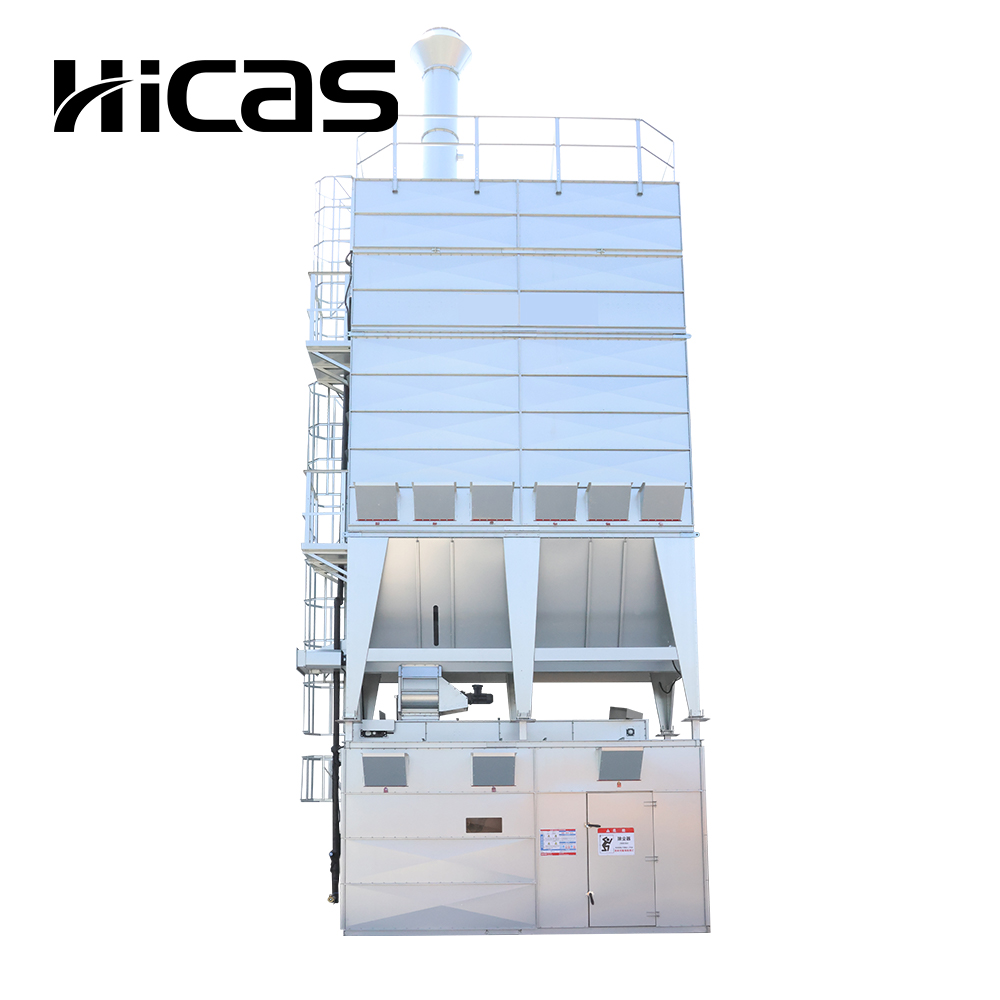
1. HT Heat-Treatment Chamber (ISPM 15): Wood core temperature ≥56°C, held for 30 min, with temperature-curve records for customs traceability; prioritize a hot-air circulation chamber rather than fumigation for EPAL China
2. Branding Machine: IPPC HT, factory number, and EPAL steel stamp (screen printing is not acceptable because the ink will peel off at high temperatures)
3. Equipment Safety Configuration: Safety doors, safety relays, emergency stop, air-supply shutoff valve, air-supply identification, protective covers, grounding, and phase-sequence protection; exports to Brazil must additionally meet NR12, and the complete machine must be CE-certified
4. Air Supply: Independent air compressor + air receiver + drying filter; maintain stable air pressure of 0.7–0.8 MPa, as pressure fluctuations cause inconsistent nail depth
6. Quick Decision Rules
• Mixed specifications, frequent size changes, mainly domestic → Semi-automatic gantry nailing machine
• Long-term large export orders for a single EPAL specification, with stable quality as the priority → Fully automatic gantry synchronized nailing line
• In-house use, low output, tight budget → Basic pneumatic nailing station
• Multiple types of export pallets, sufficient budget → Servo CNC movable nail-head flexible line
7.Auxiliary Machine List (Optional as Required)
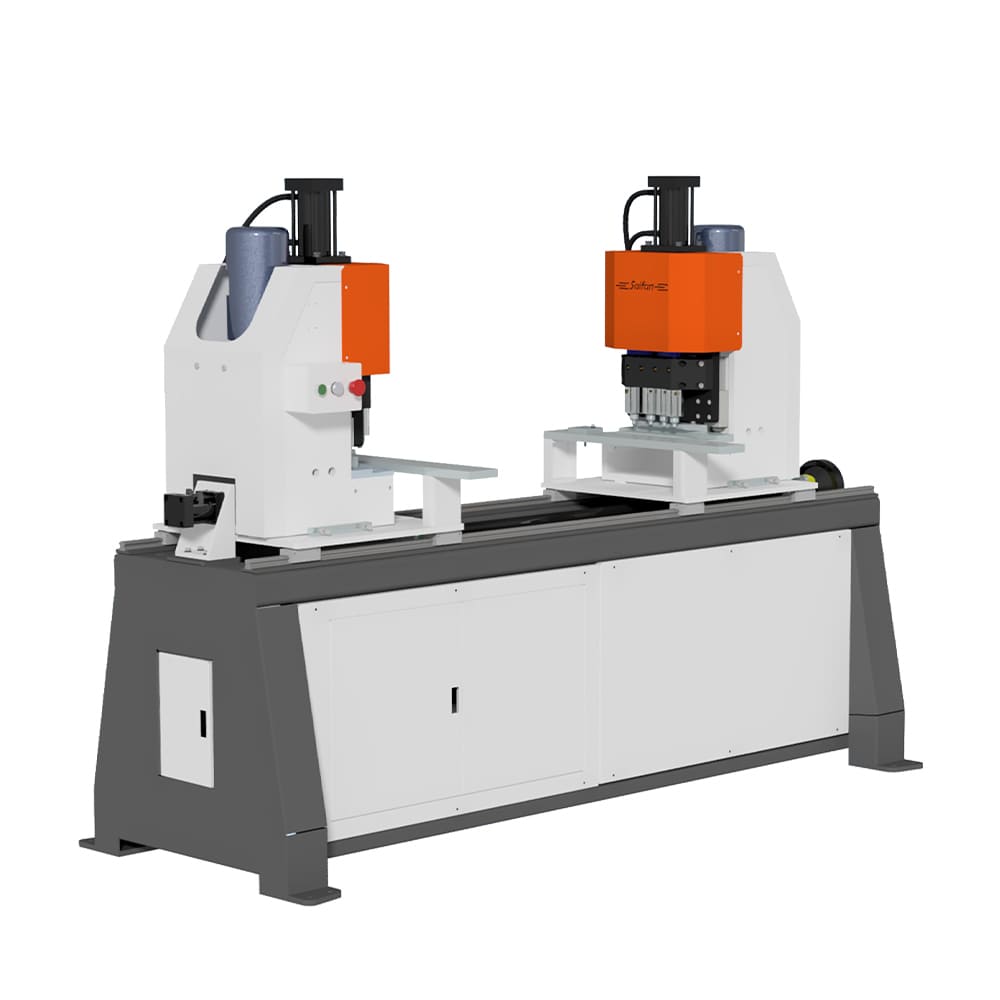
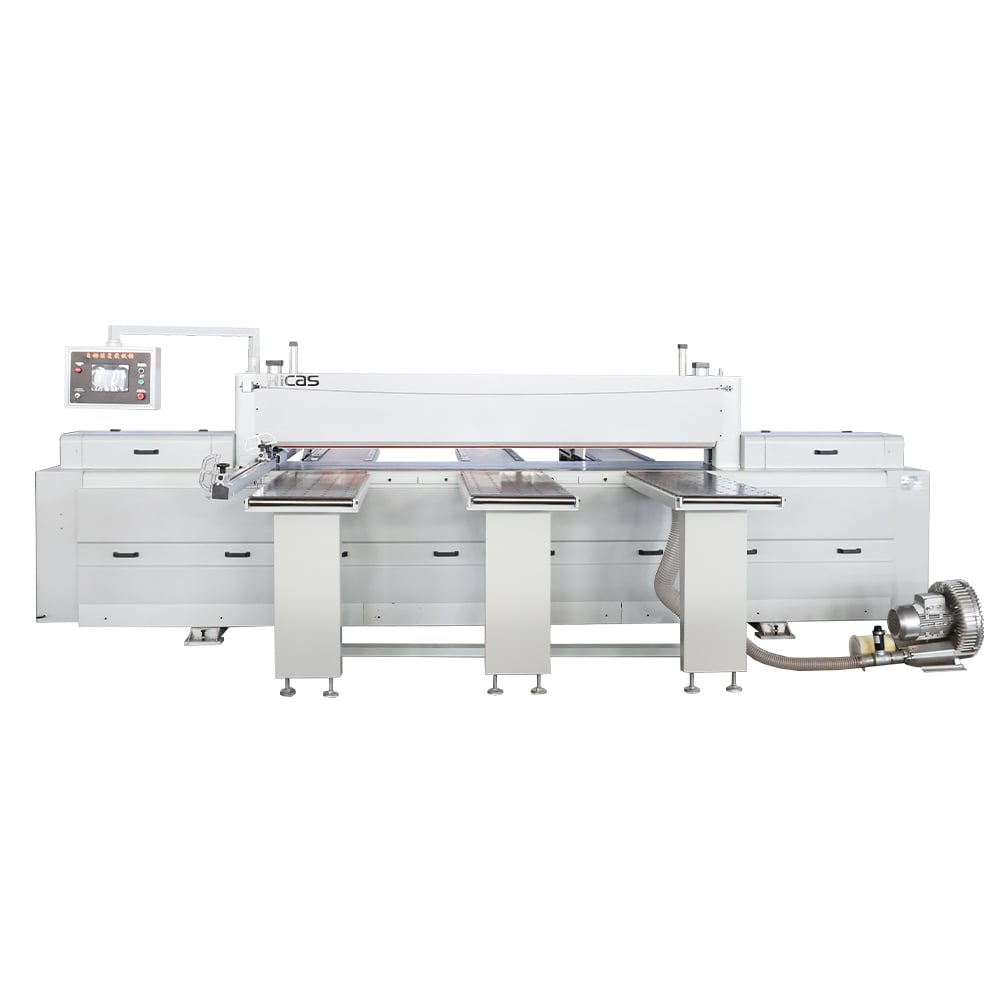
Block-making machine (chipboard blocks / solid-wood blocks), multi-blade saw, crosscut saw, chamfering machine, branding machine, palletizer, heat-treatment chamber, and roller conveyor

 Hot News