
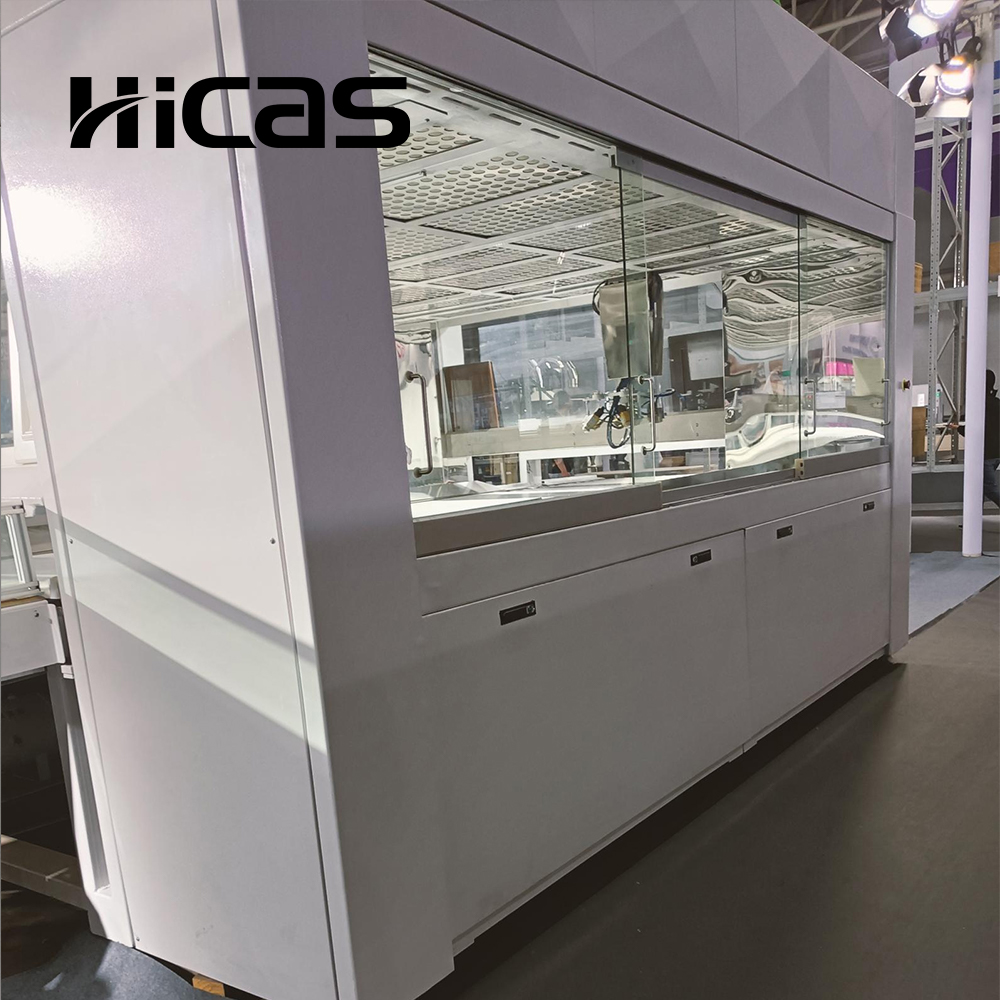
Wood panel finishing represents one of the most critical stages in furniture manufacturing and woodworking operations. The quality of the final surface directly influences customer perception, product durability, and market competitiveness. Traditional hand-spray methods and brush applications often produce inconsistent results, leading to visible defects, uneven color distribution, and costly rework. A spray painting machine fundamentally transforms how manufacturers approach wood panel appeal by delivering uniform coatings, reducing material waste, and accelerating production timelines while maintaining superior surface quality.
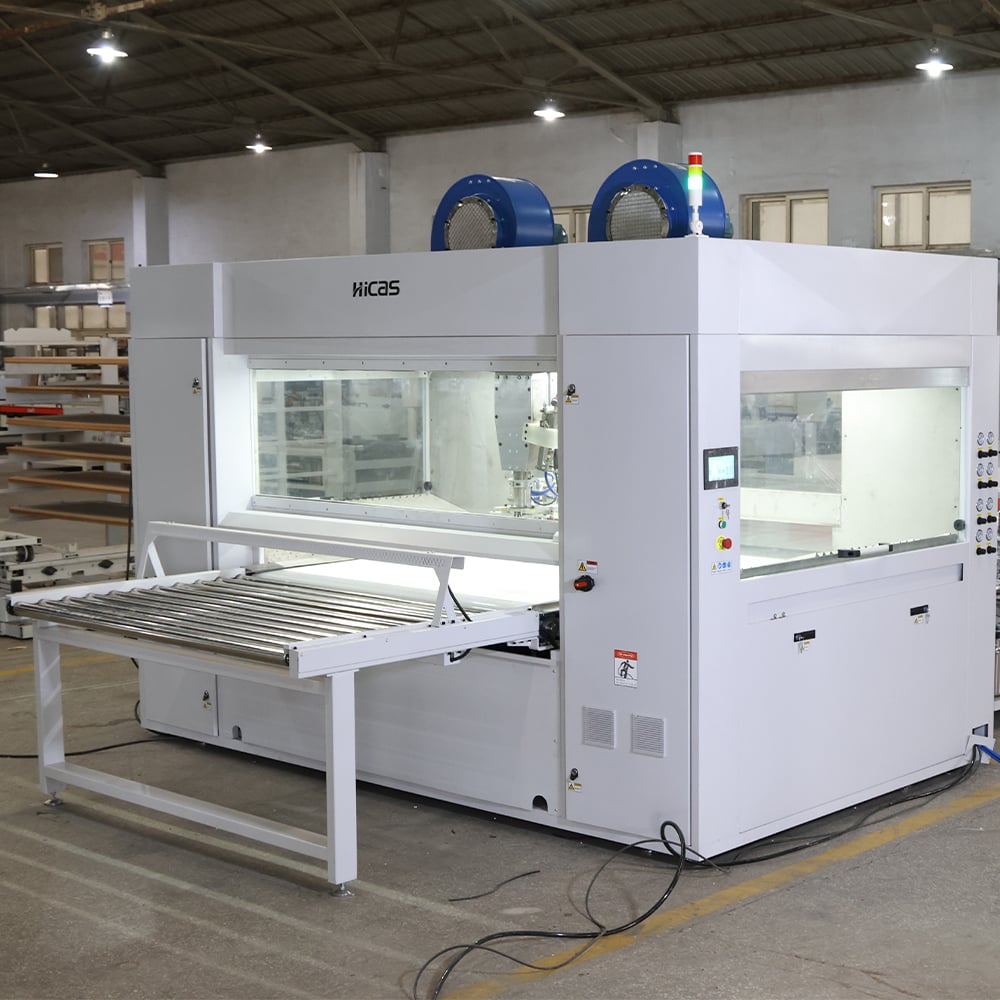
The modern woodworking industry demands efficiency, precision, and aesthetic excellence. A professional spray painting machine addresses all three requirements simultaneously. By automating the coating process, manufacturers eliminate human variability that causes finish defects, color inconsistency, and product rejection rates. Investment in industrial spray technology represents a strategic decision that impacts profitability, brand reputation, and operational competitiveness across the furniture and wood panel sector.
Understanding How a Spray Painting Machine Enhances Wood Panel Surfaces
Achieving Uniform Coating Distribution
The fundamental advantage of employing a spray painting machine lies in its ability to apply coatings with exceptional uniformity. Manual spraying techniques depend on operator skill, hand steadiness, and subjective judgment regarding spray distance and angle. Industrial spray painting machine systems use calibrated atomization technology, precise fluid delivery, and controlled air pressure to deposit coating material at consistent thickness across entire wood panel surfaces. This uniformity eliminates common defects such as drips, runs, sag marks, and uneven sheen variations that compromise aesthetic appeal and perceived quality.
Modern spray painting machine equipment incorporates advanced spray head designs that optimize paint atomization and fan pattern formation. Electrostatic technology enhances coating adhesion by attracting paint particles to grounded wood substrates, reducing overspray waste and improving transfer efficiency. The result is wood panels with professional-grade finishes that meet or exceed customer expectations while minimizing material consumption and environmental impact.
Consistency Across Production Batches
Manufacturing furniture in commercial volumes requires maintaining finish consistency across hundreds or thousands of units. A spray painting machine delivers batch-to-batch uniformity impossible to achieve through manual methods. Programmable spray parameters including viscosity control, application speed, spray width, and number of coats ensure that every wood panel receives identical treatment. This consistency strengthens brand reputation, reduces customer complaints related to finish appearance, and minimizes warranty claims caused by surface defects or color variations.
Digital automation within spray painting machine systems tracks every operational parameter, creating a documented record of production conditions. This traceability supports quality assurance protocols and enables rapid identification of any process drift. When production consistency becomes a competitive advantage, spray painting machine technology represents an essential investment rather than an optional improvement.
Operational Efficiency and Cost Reduction Benefits
Accelerating Production Throughput
Time represents a critical resource in furniture manufacturing. A spray painting machine dramatically reduces application time compared to manual spraying, brush coating, or dip processes. Automated systems spray wood panels at controlled velocities, applying complete coatings in seconds rather than minutes. Production facilities operating multiple spray painting machine units can process significantly larger volumes daily, meeting demand surge during peak seasons and maintaining steady output during normal periods without requiring proportional increases in labor costs.
The throughput improvement extends beyond the coating application phase. Faster initial drying and optimized flash-off times mean subsequent operations like sanding or additional topcoat applications occur sooner. A spray painting machine thus compresses overall finishing cycle times, reducing work-in-process inventory and accelerating cash flow from completed products entering the marketplace.
Material Waste Reduction and Paint Savings
Spray painting efficiency directly impacts coating material costs. A spray painting machine with precision fluid delivery and electrostatic attraction minimizes overspray waste compared to conventional spray guns operated manually. Overspray represents expensive paint lost to the booth environment rather than deposited on wood surfaces. Advanced spray painting machine systems achieve transfer efficiencies exceeding ninety percent, meaning nearly all atomized paint reaches intended substrates. This efficiency translates to measurable reductions in paint consumption per unit finished.
Secondary benefits include reduced volatile organic compound emissions, lower ventilation system demands, and decreased respiratory protection requirements for personnel. A spray painting machine therefore improves environmental compliance while simultaneously reducing operational costs through material conservation and energy savings.
Achieving Professional-Grade Wood Panel Finishing Results
Surface Quality Standards and Aesthetic Excellence
Premium wood furniture demands flawless surface appearance. A high-performance spray painting machine produces finishes meeting luxury market standards by eliminating brush marks, roller impressions, and application defects visible in manual methods. Fine paint atomization creates smooth surface texture that complements wood grain character while adding protective coating layers. Whether applying stains, lacquers, polyurethane, or water-based finishes, a dedicated spray painting machine optimizes finish appearance regardless of substrate type or product category.
Commercial markets increasingly demand wood panels with specific aesthetic attributes including gloss level consistency, color uniformity, and defect-free surfaces. Customers notice and reject products with obvious finishing flaws. Investing in quality spray painting machine technology protects brand reputation by ensuring every delivered product meets established aesthetic standards. This reliability strengthens customer confidence and justifies premium pricing for finished goods.
Customization and Specialty Finish Capabilities
Modern spray painting machine systems support diverse finishing techniques including gradient coloring, metallic effects, textured finishes, and multi-layer applications. Programmable spray patterns and adjustable parameters enable manufacturers to execute specialty finishes that manually applied methods struggle to replicate consistently. This capability expands product portfolio options and allows entry into higher-margin market segments demanding distinctive or complex wood panel finishes.
A versatile spray painting machine adapts to changing customer preferences and design trends without requiring capital equipment replacement. Operators modify program parameters to achieve different aesthetic effects, color combinations, or finish textures. This flexibility encourages product innovation while maximizing return on investment across extended equipment lifecycles.
FAQ
What specific advantages does a spray painting machine provide for wooden door production?
A spray painting machine specifically benefits wooden door production by applying finishes uniformly across large surface areas, maintaining consistent color across multiple door units, reducing application time that increases production capacity, and achieving professional appearance that enhances market appeal. Automated spray technology eliminates hand application defects that become visible on prominent architectural elements like doors, where finish quality directly influences customer perception and willingness to purchase.
How does a spray painting machine reduce operational costs for furniture factories?
Cost reduction from a spray painting machine occurs through multiple pathways including material waste minimization via precision application, reduced labor hours per unit finished due to faster coating application, lower rework and scrap rates from improved finish consistency, decreased ventilation and environmental control demands, and optimized coating coverage requiring less paint per unit. Cumulative savings typically justify equipment investment within two to four years depending on production volume and existing labor costs.
Can a spray painting machine adapt to different wood panel types and coating materials?
A professional-grade spray painting machine accommodates diverse wood substrates including hardwood veneers, engineered panels, plywood, and solid wood doors. Modern systems support multiple coating chemistries including water-based acrylics, solvent lacquers, polyurethane, stains, and specialty finishes. Operators adjust viscosity, atomization pressure, spray width, and application speed to optimize performance for specific material combinations, enabling single equipment investment to serve varied production requirements across diverse product categories.