
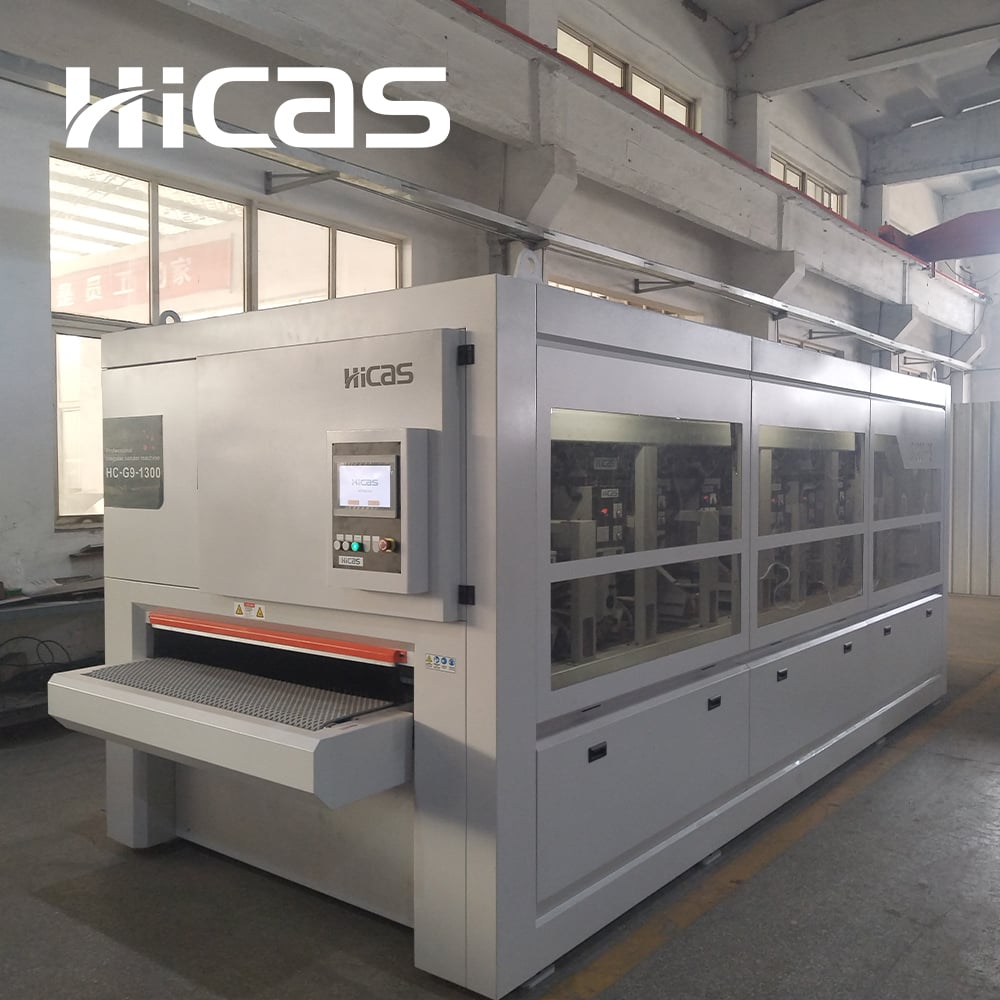
Modern woodworking machinery represents a fundamental shift in how factories approach production efficiency and quality control. As competition intensifies in the woodworking industry, manufacturers are increasingly turning to advanced woodworking machinery to maintain competitive advantage and meet growing demand. The integration of precision-engineered woodworking machinery into production workflows directly translates to higher output, reduced waste, and improved consistency across every finished product. Understanding how contemporary woodworking machinery transforms factory operations is essential for any manufacturer seeking to optimize their production capacity and profitability.
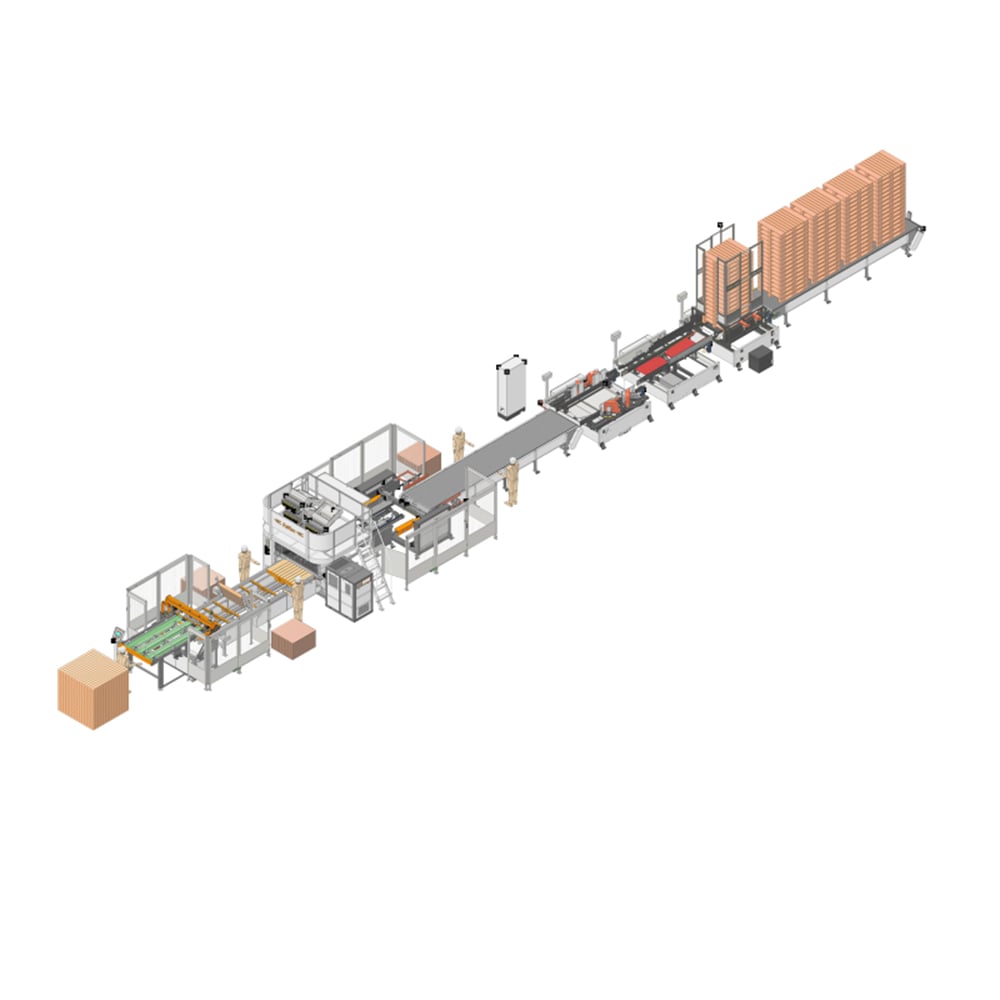
Factory output depends on multiple interconnected factors, and woodworking machinery serves as the backbone of efficient production systems. Modern woodworking machinery combines automation, precision control, and intelligent monitoring to eliminate bottlenecks that traditionally plague manual or outdated processes. When factories invest in quality woodworking machinery, they unlock measurable gains in throughput, accuracy, and resource utilization. This article explores the concrete ways that modern woodworking machinery enhances factory performance and why smart manufacturers prioritize equipment upgrades as a strategic investment.
How Woodworking Machinery Accelerates Production Speed
Automated Processes Reduce Labor Bottlenecks
Modern woodworking machinery eliminates many manual steps that previously consumed hours of factory time. Advanced woodworking machinery can perform cutting, shaping, sanding, and finishing operations with minimal operator intervention, allowing a single worker to oversee multiple machines simultaneously. This automation directly increases the volume of components processed per shift, substantially boosting factory output without proportionally increasing labor costs. When woodworking machinery handles repetitive, time-intensive tasks, skilled workers can focus on quality control and problem-solving rather than routine operations.
Precision Timing and Workflow Integration
Contemporary woodworking machinery operates on synchronized schedules that optimize workflow continuity. Modern woodworking machinery systems communicate with upstream and downstream processes, ensuring smooth material flow and eliminating idle time. The predictable cycle times of well-maintained woodworking machinery allow factory managers to calculate accurate output forecasts and adjust scheduling strategically. Integrated woodworking machinery platforms reduce the wait time between processing stages, compressing total production cycles and permitting more batches to move through the factory each day.
Quality Improvements and Waste Reduction
Consistency and Dimensional Accuracy
One of the most significant advantages of modern woodworking machinery is the elimination of human variance in critical operations. Professional-grade woodworking machinery maintains tolerances within fractions of a millimeter across thousands of parts, ensuring that every component meets specification. This consistency reduces the need for rework, sorting, and manual correction, all of which drain factory resources and delay delivery. When woodworking machinery delivers uniform dimensional accuracy, downstream assembly processes run faster because parts fit together reliably without adjustment or selection.
Material Efficiency and Scrap Reduction
Advanced woodworking machinery includes sophisticated nesting algorithms and cutting strategies that minimize wood waste. Modern woodworking machinery can optimize the layout of components on raw material sheets, extracting more usable parts from each board and reducing scrap generation by up to thirty percent. Lower material waste directly improves the cost structure of production, since raw materials often represent the largest variable expense in woodworking operations. By investing in woodworking machinery with intelligent cutting optimization, factories protect margin and improve sustainability simultaneously.
Scalability and Competitive Factory Output
Meeting Variable Demand Without Excess Overhead
Modern woodworking machinery provides factories with the flexibility to scale output in response to market demand swings. Unlike hiring temporary labor or investing in permanent facility expansion, upgrading to advanced woodworking machinery allows factories to increase throughput within existing floor space. High-capacity woodworking machinery can operate extended shifts or weekends without fatigue or safety degradation, enabling factories to capture seasonal peaks or fulfill large orders without permanent fixed-cost increases. This scalability proves especially valuable for manufacturers serving fluctuating customer bases or launching new product lines.
Competitive Advantage Through Superior Capacity
Factories equipped with state-of-the-art woodworking machinery can quote faster lead times and lower per-unit costs than competitors relying on older equipment or manual processes. Modern woodworking machinery delivers the production capacity necessary to win larger contracts and enter new market segments that demand high volume or tight timelines. The competitive edge gained by superior woodworking machinery translates directly into market share growth and improved profitability. Manufacturers who upgrade their woodworking machinery strategically position themselves as reliable partners capable of scaling with customer growth.
Operational Benefits and Total Cost of Ownership
Reduced Energy Consumption and Operating Costs
Contemporary woodworking machinery incorporates energy-efficient motors, optimized hydraulic systems, and intelligent power management that significantly reduce consumption compared to older equipment. Modern woodworking machinery can achieve higher output per kilowatt-hour of energy input, lowering the energy cost per unit produced. Additionally, predictive maintenance features in advanced woodworking machinery extend service intervals and reduce unexpected downtime, which would otherwise disrupt production schedules and increase emergency repair expenses. The combined effect of lower energy use, reduced maintenance costs, and eliminated downtime makes modern woodworking machinery economically attractive despite higher initial capital investment.
Data-Driven Process Optimization
Smart woodworking machinery collects real-time performance data, enabling factory managers to identify inefficiencies and optimize operations based on concrete evidence rather than intuition. Modern woodworking machinery systems track cycle times, material usage, equipment performance, and quality metrics, providing insights that drive continuous improvement. When factories leverage the data generated by woodworking machinery, they discover new opportunities to reduce cycle times, improve material flow, and enhance product quality. This data-driven approach transforms woodworking machinery from a simple production tool into a strategic asset that generates ongoing operational improvement.
FAQ
What specific output gains can factories expect from upgrading to modern woodworking machinery?
Output improvements vary based on the current equipment and processes, but factories typically achieve thirty to fifty percent increases in throughput per shift when transitioning from manual or outdated woodworking machinery to modern automated systems. This improvement comes from faster cycle times, reduced idle periods, and higher machine uptime. Additionally, scrap reduction and improved first-pass quality mean that more completed units exit the factory per unit of raw material consumed. The actual gain depends on production mix, operator skill, and implementation quality, but modern woodworking machinery consistently delivers substantial output expansion.
How does modern woodworking machinery impact labor requirements in a factory?
Modern woodworking machinery does not eliminate jobs but redistributes labor toward higher-value activities. Instead of performing repetitive cutting and shaping tasks, workers operate and monitor woodworking machinery, troubleshoot issues, and manage quality control. Factories often find that they can maintain or even increase output with the same or fewer workers, creating opportunities to redeploy labor to new product development, equipment maintenance, or customer service roles. The skill requirements shift from manual dexterity to technical troubleshooting and equipment operation, which often command higher compensation and provide more meaningful work for experienced craftspeople.
What is the typical return on investment timeline for modern woodworking machinery?
Return on investment for modern woodworking machinery typically ranges from one and a half to three years, depending on production volume, current capacity utilization, and the specific equipment selected. High-volume producers often see payback within eighteen months through increased output and reduced operating costs. Factors affecting ROI include labor savings, material waste reduction, energy efficiency gains, and improvements in quality that reduce warranty costs or customer returns. Factories should conduct a detailed financial analysis specific to their situation, but well-chosen woodworking machinery consistently justifies its cost through improved factory performance and profitability.