
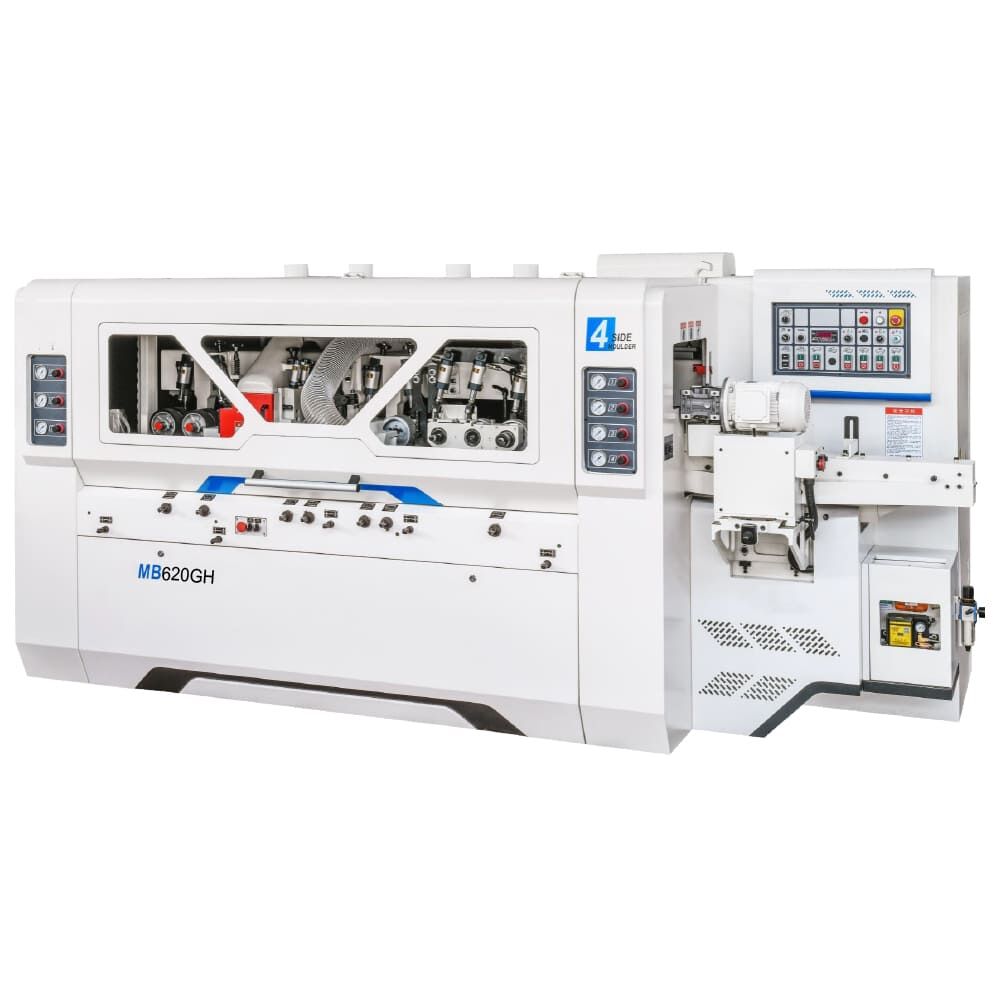
How CNC Wood Cutting Machine Accuracy Directly Impacts Material Waste
How accurate a CNC machine cuts wood makes all the difference when it comes to how much material ends up as waste. When these machines aren't properly calibrated, even tiny mistakes below a millimeter start adding up over many cuts. What happens? Joints don't line up right and parts just won't fit together properly, so they get thrown away as scrap. Studies on manufacturing efficiency show something interesting too: improving cutting precision by just 1% can cut down overall waste by around 15% during production runs. Why does this happen? Well, good quality tools prevent those annoying correction cuts we often see, and they also reduce errors from saw blades not following their intended path exactly. Manual cutting has always been tricky because people's hands aren't machines after all, leading to inconsistent pieces getting cut off. But computer controlled systems do something special they arrange everything so efficiently on each wood sheet that almost nothing goes to waste. This matters a lot especially with pricey hardwoods where waste alone costs mid sized shops over seven hundred forty thousand dollars every year according to Ponemon research from 2023. At the end of the day, there's both a physical and financial connection here better cutting means less trash, spending less money on raw materials, and helping protect our environment from all that extra wood waste.
| Accuracy Factor | Waste Reduction Mechanism | Cost Impact |
|---|---|---|
| Dimensional Tolerance (±0.1mm) | Prevents assembly errors | Eliminates 22% rework costs |
| Toolpath Precision | Optimizes nesting density | Saves 18% material/sheet |
| Kerf Compensation | Minimizes cutting width loss | Reduces waste by 30kg/month |
When it comes to material usage, consistent accuracy makes all the difference. High precision CNC cutters can reach around 95% material utilization compared to just 70 to 80% when done manually. The reason behind this improvement lies in how these machines handle complex shapes without needing multiple test runs. Every part produced typically meets the required specs right away. What happens as manufacturing standards get tighter? Waste starts disappearing from those bins. Companies that invest in properly calibrated equipment see real returns not only for their bottom line but also for environmental impact over time.
Key Mechanical and Calibration Factors Affecting CNC Wood Cutting Accuracy
Achieving high CNC wood cutting machine accuracy is fundamental to minimizing material waste, with mechanical stability and calibration protocols serving as critical determinants.
Spindle Runout and Toolholder Precision
Spindle runout—deviation from true rotational axis—directly impacts cutting precision. Even 0.01 mm of runout causes tool deflection, yielding dimensional errors and material waste. High-precision hydraulic toolholders maintain ±0.02 mm tolerances by eliminating vibration, while regular bearing inspections prevent cumulative inaccuracies.
Linear Motion System Rigidity and Backlash Control
Rigid linear guides and preloaded ballscrews resist cutting forces to ensure positional fidelity. Backlash under 0.03 mm is critical; excess slack during direction reversals misaligns toolpaths by up to 0.5 mm, scrapping workpieces. Stiff rail systems and anti-backlash nuts preserve contouring accuracy across complex geometries.
Real-Time Calibration Protocols for Consistent Accuracy
Continuous laser-based calibration counters thermal drift and wear during operation. Systems adjusting offsets in real-time sustain ±0.05 mm accuracy over 8-hour runs, preventing waste from dimensional drift. Automated probe verifications every 50 cycles reduce manual intervention while maintaining tolerance integrity.
Software, Toolpath Strategy, and Operator Practices That Reduce Waste
Nesting Optimization and Kerf Compensation in CAM Software
CAM software has really helped cut down on wasted materials these days, mainly because of how it handles part placement and accounts for blade width when making cuts. The nesting feature works by smartly arranging all those pieces on sheets so there's less leftover wood. Woodworkers report savings around 15 to maybe even 20 percent just from better layout planning. Then there's the kerf compensation aspect too. Basically, this function makes sure the cutting path takes into account exactly how thick the blade is. When done right, the finished product matches what was originally designed. These small adjustments matter a lot when producing multiple items at once since tiny mistakes can add up fast. Plus, companies save money on raw materials without needing to invest in new machinery or equipment.
Feed Rate, RPM, and Tool Selection for Dimensional Stability
Operator practices significantly influence CNC wood cutting machine accuracy:
- Feed Rate & RPM: Optimal settings prevent burning or chipping, maintaining edge integrity. For hardwoods, slower feeds with higher RPM reduce tool deflection.
-
Tool Selection: Sharp carbide bits with geometry matching material density (e.g., compression bits for plywood) ensure clean cuts. Dull tools increase friction, causing dimensional inaccuracies up to 0.1 mm per pass.
Consistent calibration checks and tool maintenance sustain these gains, directly reducing waste.
Measuring, Monitoring, and Sustaining Accuracy Over Time
Quantitative Accuracy Benchmarks (e.g., ±0.05 mm TIR)
Setting clear accuracy targets for CNC wood cutting machines makes it possible to judge how well they actually perform. A common benchmark is around plus or minus 0.05 mm TIR (Total Indicated Runout). Shops that stick to these numbers can measure their equipment's performance objectively. Checking against these standards regularly matters a lot. When shops run laser interferometers or do ballbar tests, they catch small deviations before they turn into big problems and expensive scrap wood piles. Many manufacturers have found that keeping an eye on these tiny changes saves money in the long run. Statistical process control charts help track how tolerances shift during production runs. These charts let operators spot trouble spots early on when measurements start getting close to those waste creating limits we all want to avoid.
Preventive Maintenance Schedule for Long-Term Waste Reduction
Consistent lubrication schedules, axis alignment checks, and thermal compensation calibration form the backbone of accuracy preservation. Facilities performing bi-weekly backlash inspections reduce dimensional errors by 32% compared to quarterly checks. Tighten this workflow by:
- Documenting maintenance actions in digital logs
- Training operators on vibration pattern recognition
- Replacing wear components proactively
This systematic approach prevents cumulative inaccuracies that cause irreversible material waste in CNC wood cutting operations.
FAQ
Why is CNC machine accuracy important for reducing material waste?
CNC machine accuracy is crucial because it ensures that parts are cut precisely, reducing the need for rework and minimizing material waste.
How does toolpath precision affect material use in CNC cutting?
Toolpath precision optimizes nesting density on sheets, allowing for better material utilization and reducing the amount of leftover waste.
What role does CAM software play in material waste reduction?
CAM software, through features like nesting optimization and kerf compensation, arranges parts efficiently and considers blade width, helping to reduce material scrap significantly.