
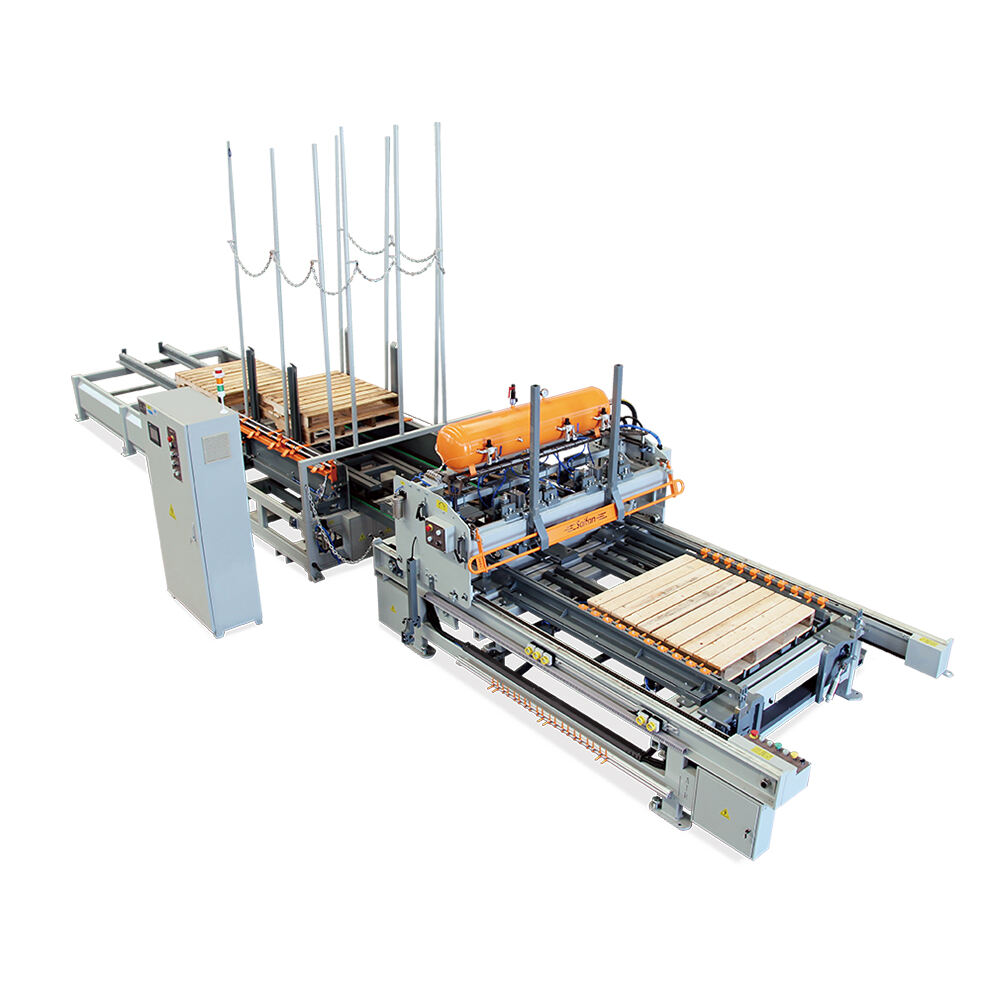
Maximizing Vertical Space with Pallet Stacking Systems
Overcoming Floor-Based Storage Limitations Through Height-Optimized Racking
Most warehouses end up wasting around two thirds of their total space when they rely on traditional floor storage methods, which typically only utilize between 30% and 40% of the actual cubic footage available. The solution comes from vertical storage systems designed specifically to maximize height usage. These systems can tap into nearly 90% of warehouse volume through smart configuration while still meeting all necessary building codes and safety requirements including those set by ANSI MH16.1 and RMI guidelines. Warehouse managers achieve this efficiency through reinforced support structures, carefully calculated beam tolerances, and proper weight distribution across racks. What does this mean in practice? Many operations find themselves able to store three times as much inventory without expanding their physical footprint, saving significant capital expenditures that would otherwise go toward new construction projects or leasing additional space.
| Method | Volume Utilization | Capacity Gain |
|---|---|---|
| Floor Stacking | 30–40% | Reference |
| Vertical Racking | 80–90% | 300% |
Impact on Inventory Density and Floor Space Recovery in High-Volume Pallet Production
Getting back that cubic space makes a real difference in day to day operations. Warehouses moving more than 500 pallets each day can free up around two thirds of their staging area floor space with vertical storage solutions. This extra room creates separate areas for things like quality checks, forklift movement paths, and cross docking activities. When inventory is packed tighter together, companies save about $18 per ton on material handling according to Logistics Management from last year. Plus orders tend to be more accurate and there's less waiting around because of crowding issues. Come peak seasons, these vertical systems really shine since they stop dispatch problems from happening. Even when production jumps by 30 or 40%, the warehouse keeps running smoothly without losing speed.
Accelerating Material Flow: Automation and Handling Efficiency
Reducing Manual Handling Time and Labor Costs in Pallet Staging and Dispatch
Pallet stacking systems that are automated basically take care of those really tedious staging and dispatch jobs that used to require so much manpower. They work with robotic arms, conveyor belts controlled by servos, and positioning guided by cameras. The results? Manual handling drops around 70%, which means companies rely less on workers in places where labor costs can eat up between 30 to 50 percent of their budget according to Material Handling Institute's latest report. Less lifting, walking back and forth, and constant repositioning leads to about 40 fewer cases of muscle and bone injuries each year while speeding up dispatch times by roughly two to three hours during each shift. When products are stacked precisely, there's better protection during transport, resulting in about 15% fewer damage claims over the course of a year. For big pallet manufacturing operations running at full speed, complete automation makes everything flow smoothly from the production line straight into storage areas and finally out to loading docks thanks to these self-driving mobile robots called AMRs. This setup cuts down on staging work by almost two thirds and slashes dispatch mistakes by nine tenths compared to traditional methods.
Integrating Pallet Stacking Systems into End-to-End Factory Workflows
Synchronizing Manufacturing, Quality Control, Stacking, and Outbound Logistics
Putting pallet stacking systems together changes how separate parts of the operation work, creating one smooth process that relies on real time information. When these systems connect with production lines through those computer controlled conveyor belts, they send completed pallets straight to quality check areas without needing people to move them around manually. This cuts down on delays that used to happen when workers had to physically transfer pallets between stations, which often took anywhere from 20 to 30 extra minutes. After passing inspection, the pallets go right into special stacking units set up based on shipping priorities. This whole setup saves time at loading docks too, cutting down cycle times by as much as 40 percent according to industry reports. The fact is, broken up workflows really hurt businesses in the long run. Pallet factories lose about seven hundred forty thousand dollars every year just because their processes aren't connected properly.
| Workflow Stage | Traditional Process | Optimized Integration | Efficiency Gain |
|---|---|---|---|
| Manufacturing – QC | Manual pallet transfers | Automated conveyor routing | 25% faster |
| QC – Stacking | Rehandling for configuration | Direct-to-system sequencing | 30% labor reduction |
| Stacking – Dispatch | Static storage retrieval | Dynamic load sequencing | 40% dock time reduction |
Real-time inventory visibility across departments allows dynamic reprioritization—such as fast-tracking pallets for imminent shipments or pausing stacking during raw material shortages. This closed-loop coordination prevents capacity mismatches (e.g., overproduction overwhelming storage), which reduce throughput by 35% in non-integrated environments.
Scalability and Future-Proofing Pallet Storage Infrastructure
Modular Pallet Stacking Systems for Evolving Product Mixes and Volume Peaks
Modular stacking systems offer real flexibility for warehouses dealing with changing production needs. These systems can handle everything from sudden increases in volume to completely different pallet sizes without needing major structural changes. The good news is they work with standard parts like upright frames, horizontal beams, and connector hardware that meet those RMI safety standards everyone talks about. When companies switch product lines, their warehouse teams often see inventory rearrangement speeds jump around 30% compared to traditional setups. And no worries about special pallets either - most modular systems just slot right in whether it's something custom made or those clever nested designs saving floor space. Standardizing equipment throughout different areas means workers get used to similar tools everywhere they go. Maintenance becomes predictable too, plus training stays straightforward even as operations grow upwards. For businesses looking ahead, this kind of step-by-step expansion based on common standards makes better financial sense in the long run, especially when markets keep shifting so unpredictably these days.
FAQ
What are the primary benefits of using pallet stacking systems?
Pallet stacking systems maximize vertical space in warehouses, allowing for better utilization of space and increased inventory capacity without the need for physical expansion. They offer efficiency and cost savings while maintaining safety standards.
How do automated pallet stacking systems impact labor costs?
Automated systems reduce the need for manual handling, which in turn cuts down labor costs significantly. This reduces reliance on manpower and minimizes the risk of workplace injuries.
Can existing warehouses integrate modular stacking systems?
Yes, modular stacking systems are designed to easily integrate into existing warehouse setups. They are adaptable to evolving product mixes and varying production volumes, providing flexibility for businesses.