
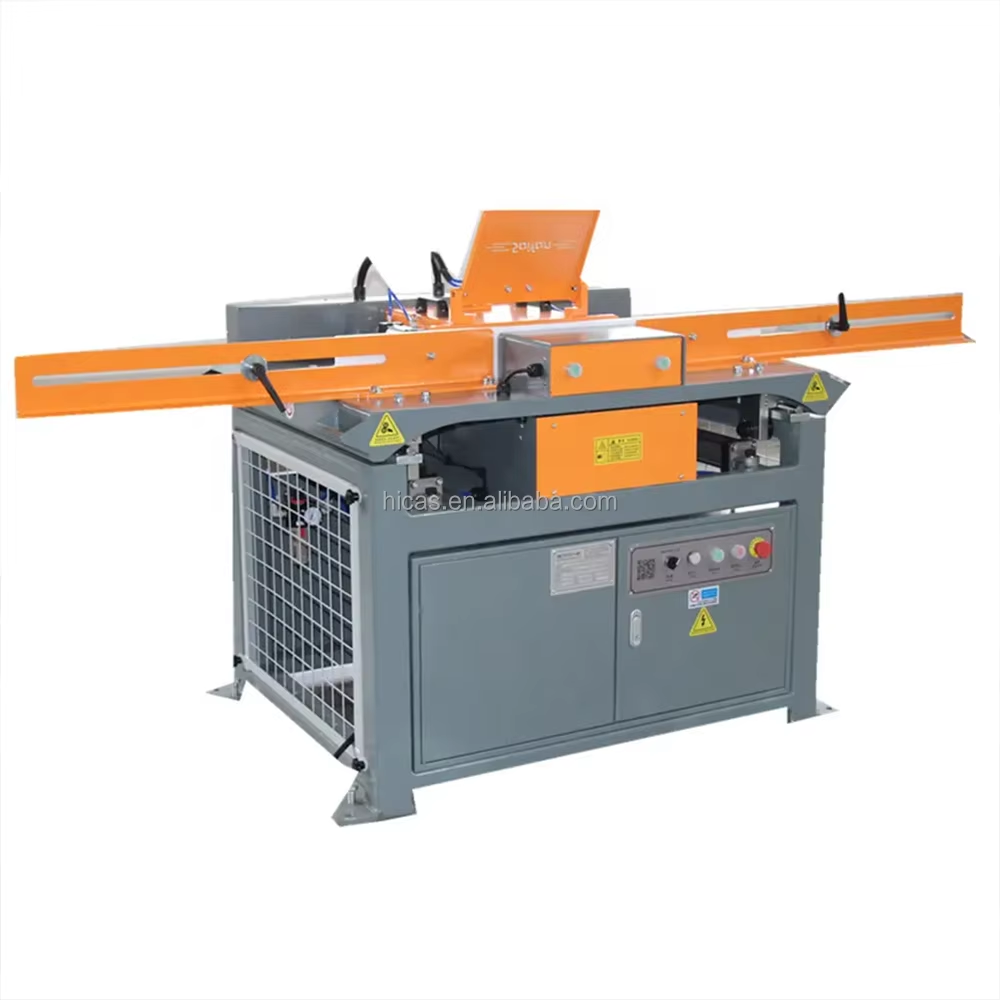
Wooden Pallet Making Machine:Robust Structural Framework and Modular Frame Design
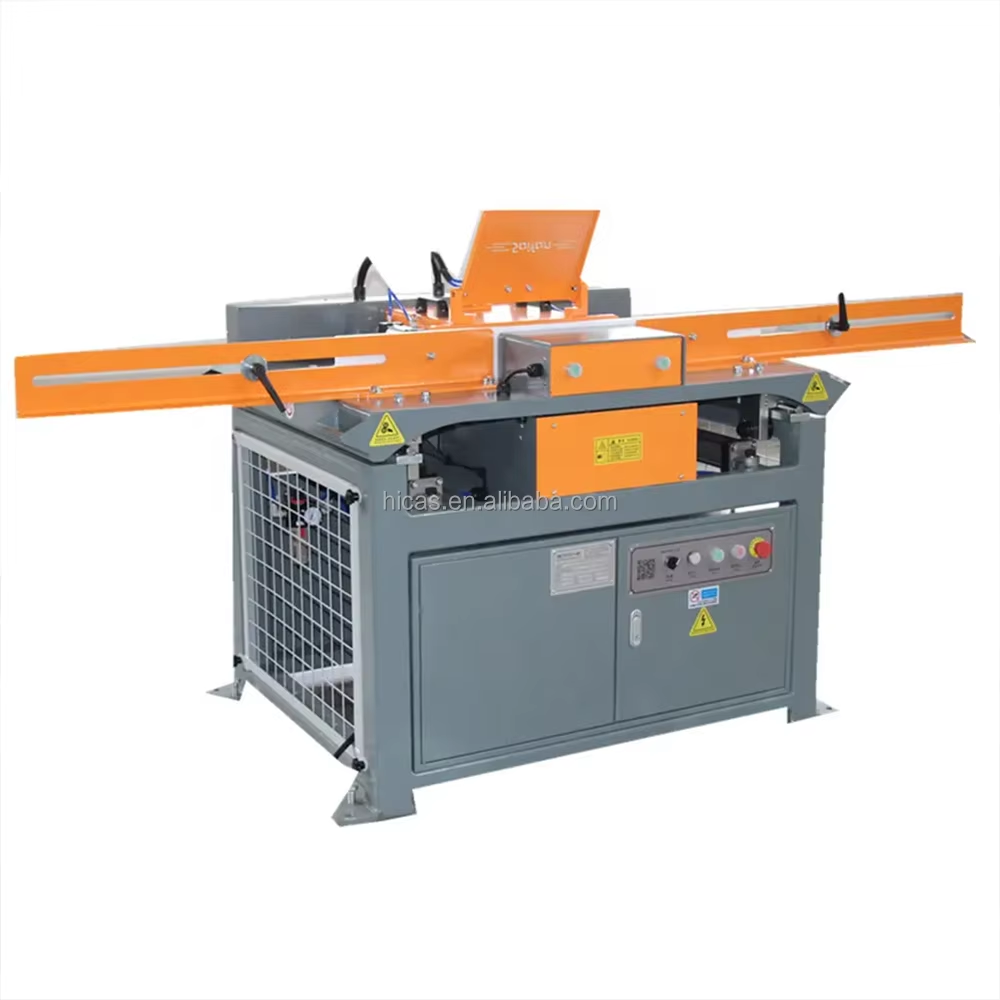
Load-Bearing Chassis and Reinforced Frame Assembly
Wooden pallet making machines are built around robust steel frames designed to handle thousands of cycles without breaking down. Reinforcements at key points like where nails get driven and materials feed through help keep everything aligned even when the machine is running flat out. Engineers carefully balance how weight sits on different parts of the frame so metal doesn't wear out too fast, which means these machines last longer between repairs. Instead of welding together critical connection points, manufacturers often go with bolted plates. This makes fixing things much easier later on while still keeping everything properly aligned. Cross bracing throughout the entire frame keeps it stable as it moves back and forth during operation. The result? Pallets come out consistently good no matter how fast production runs, which cuts down on unexpected breakdowns and saves money over time for plant operators.
Modular Conveyor Integration for Flexible Production Layouts
Modular conveyor systems fit right into the main machine frame, making it easy to switch things around when dealing with different pallet sizes, types of wood, or changes in production volume. The system has servo controlled rollers plus adjustable transfer lanes that work just fine with both stringer and block style pallets, no need to mess with mechanical adjustments every time there's a change. Standard connections between conveyor parts and processing stations make maintenance simpler and pave the way for adding automation later on. When companies separate their material handling operations from the main assembly line, they get much better flexibility. This means factories can handle fluctuating orders without slowing down production or wasting valuable factory space on unnecessary equipment.
Intelligent Material Handling and Feed Automation
Servo-Driven Feeding with Real-Time Wood Dimension Calibration
When boards enter the system, servo-driven feeding mechanisms scan them with laser tech to get rid of those pesky manual measurement mistakes. These systems handle thickness changes within about half a millimeter range and adjust for differences in length too. All this happens super fast through built-in PLC controls. What makes it really work well is how everything connects together. Feed rates match up perfectly with what's happening at the nailing stations downstream. We're talking around 40 boards every minute here, and waste drops by nearly 20% according to some research from the Forest Products Lab last year. If something goes wrong with a piece of wood, like if it's bent or damaged, the machine sends it off to be recycled right away so nothing stops the whole process. Another big plus? No need for workers to constantly check and recalibrate things manually anymore. That used to take up about 15% of their time. Now only properly sized wood gets sent to assembly lines. This matters quite a bit when dealing with hardwoods that have different densities since these variations actually affect how much weight can go on each finished pallet.
High-Precision Fastening and Automated Pallet Assembly
Automatic Wood Pallet Nailing Machines with Dual-Axis Synchronization
The dual axis sync tech makes sure those fasteners go in just right on all sides, getting nails placed within half a millimeter accuracy no matter what direction the wood grains run or how the material shifts during processing. The programmable control panels let operators switch between different pallet sizes almost instantly, so there's hardly any downtime when changing production runs. Compared to older single axis machines, these new systems are way better at keeping things sturdy while cranking out three times as many pallets. Some factories report making well over a thousand pallets each shift without needing anyone to step in manually. And because the software figures out where nails should go most efficiently, companies save around 18% on wasted fasteners. That cuts costs and helps the environment too, though some might argue whether such small savings really make a difference in the grand scheme of things.
Stringer vs. Block Configuration: Choosing the Right Assembly Pathway
Stringer pallets have those long wooden supports running down the middle which makes it easier for forklifts to get in from two sides, plus they move through warehouses quicker than most other types. Block pallets are built differently though, with extra reinforcement at each corner so forklifts can approach from any direction. These blocks handle much heavier loads both when sitting still and during movement, which is why many factories use them for moving big equipment around or storing things in automated warehouses. The good news for plant managers is that today's machinery can switch between different pallet configurations in less than three minutes flat. This flexibility lets operations teams adjust their assembly lines based on what's actually needed right now rather than sticking to old plans that might not match current inventory levels or shipping requirements.
FAQ Section
What are the benefits of using a bolted plate design in pallet making machines?
Bolted plates allow for easier maintenance and repairs compared to welded connections, ensuring proper alignment and longevity of the machine.
How do modular conveyor systems improve production?
Modular conveyor systems provide flexibility by allowing easy adjustment to accommodate different pallet sizes and production volumes, thus enhancing overall efficiency in the factory.
What role does servo-driven feeding play in pallet assembly?
Servo-driven feeding helps in accurately measuring board dimensions, reducing errors, and ensuring the efficient progression of boards through the assembly line.
Why is dual-axis synchronization important in wood pallet nailing machines?
Dual-axis synchronization ensures nails are placed with precision regardless of material shifts, significantly increasing the reliability and consistency of the pallets produced.