
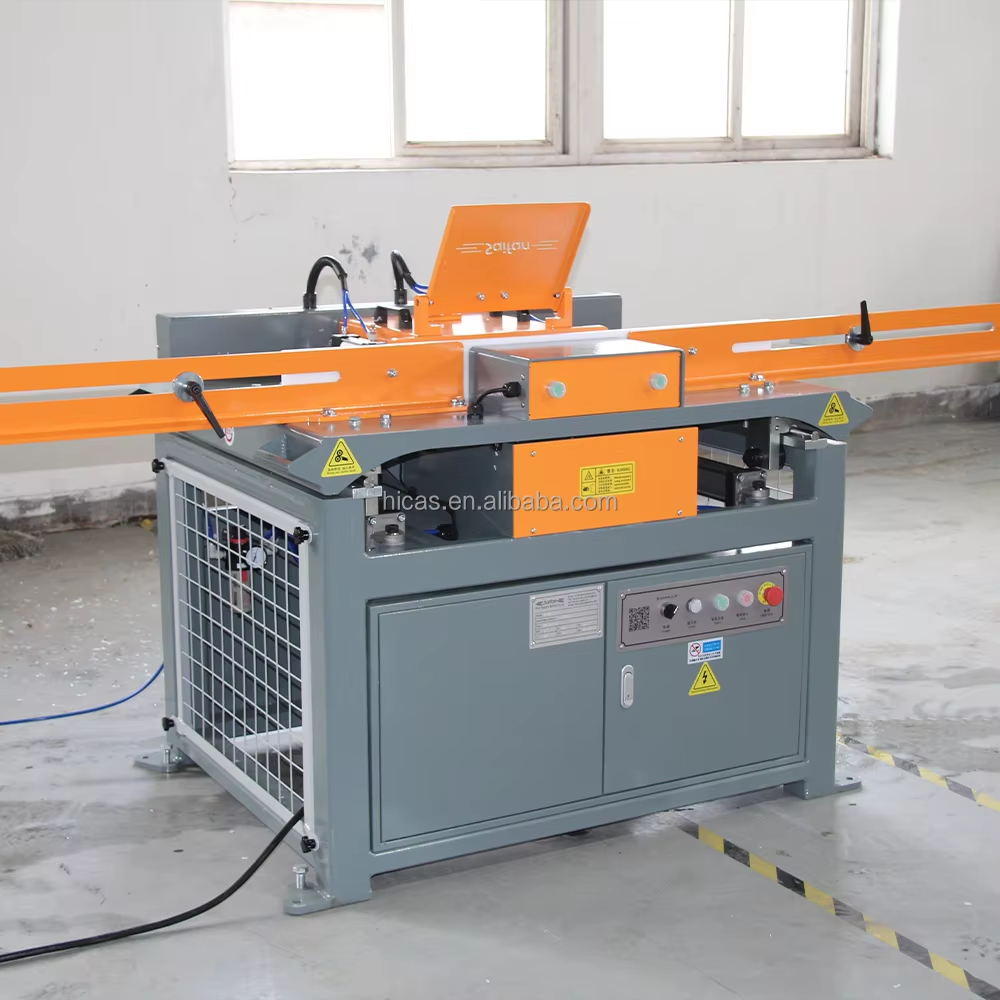
Eliminating Manual Bottlenecks with Wooden Pallet Making Machine Automation
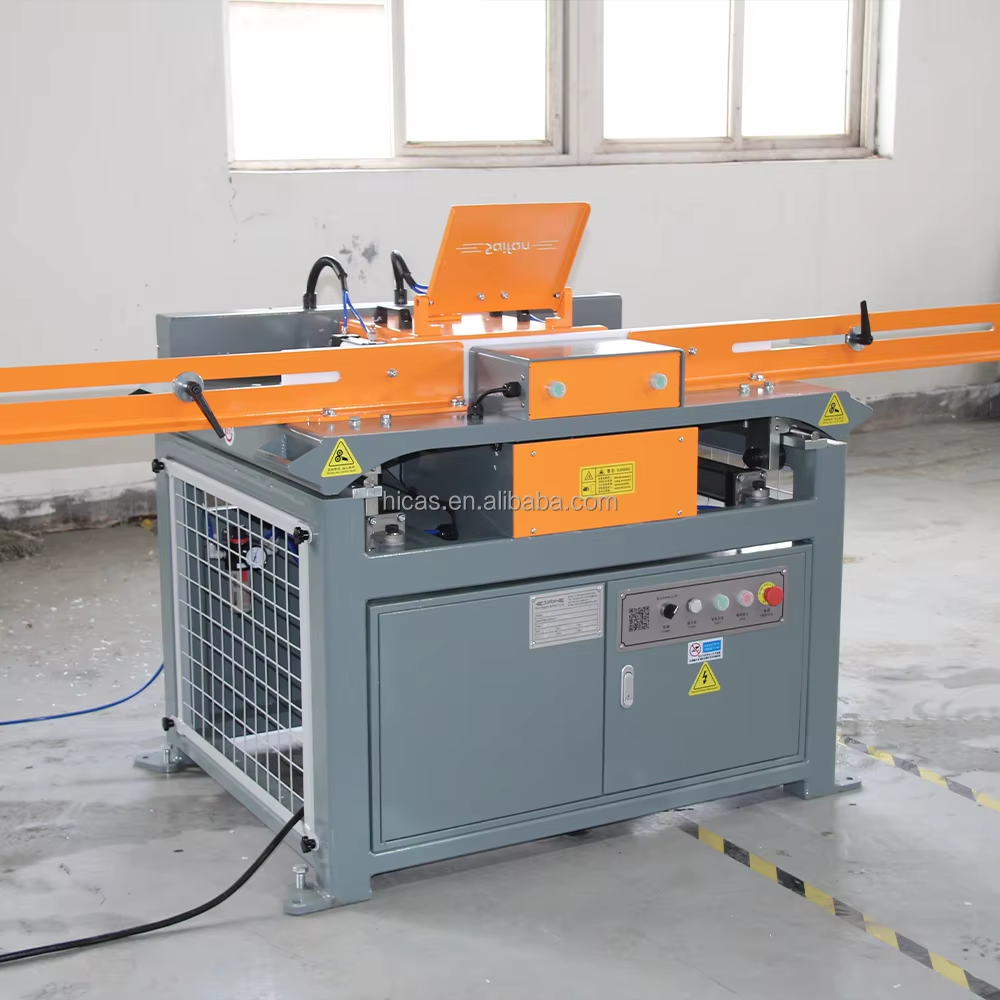
The Cost of Manual Pallet Assembly: Labor-Intensive Steps and Workflow Gaps
When building pallets manually, workers have to position each board carefully and drive every single nail themselves. This whole process takes roughly 47% longer compared to when machines do the job. Getting everything aligned right, pounding those nails in properly, and then inspecting each piece creates natural pauses between different parts of the work flow. Things get really backed up when dealing with complicated assemblies that need multiple boards stacked together, especially if something goes wrong and has to be redone. Most workers can only manage around 5 to 8 completed pallets for every hour they spend at their station. The constant motion of hammering wears people down too, cutting into productivity by somewhere between 18% and 22% as tired hands start missing their marks. And let's not forget about those unexpected bathroom breaks or coffee stops that throw off the rhythm completely. These problems multiply in facilities where thousands of pallets need assembling daily, leading to poor stacking quality that causes headaches later on in warehouses and shipping operations.
How Integrated Automation Synchronizes Feeding, Nailing, and Stacking
Wooden pallet manufacturing machines now combine several advanced components like servo controlled conveyors, pneumatic nailing systems, and robotics managed through PLC controls to keep everything running smoothly together. As boards move along automatically into their alignment positions, these machines can fire off over twelve nails every single second with pretty impressive accuracy around half a millimeter. At the same time, robotic arms grab completed pallets and place them at stacking areas, turning each unit exactly ninety degrees so they fit securely against one another. The whole system works as a loop without needing anyone to pass things between different stages, which cuts down on how long it takes to make each pallet by roughly forty to fifty five percent. Take the automated nailing part for instance. These systems constantly check if boards are thicker or thinner than expected and adjust the nail depth accordingly while the machine is still working. Special sensors built right into the equipment also stop potential jams when there's a lot of material moving through, meaning operators don't have to constantly monitor things to get consistent results all day long.
Quantifying Throughput Gains: Output Metrics Before and After Wooden Pallet Making Machine Deployment
From 200–300 to 1,800+ Pallets/Day: Real-World Production Uplift
When factories install automated wooden pallet production equipment, they basically move away from those frustrating manual limitations toward something much closer to full scale manufacturing efficiency. What used to be around 200 to 300 pallets per day is now pushing past 1800 units regularly, which represents something like a 600 percent increase. The reason? These machines handle feeding materials, driving nails, and stacking finished products all at once without waiting for workers to catch up. According to recent industry data from last year's automation benchmark study, plants using this tech typically see their production rates jump by about 40 percent because each step happens faster with fewer pauses between operations. And here's another big plus: consistency improves dramatically too. Production variation used to swing wildly between plus or minus 25 percent, but with automation it stays within just five percent either way. That kind of predictability makes it so much easier to plan work schedules and manage stock levels without constant surprises.
Matching Machine Output to Line Capacity: Avoiding New Bottlenecks
Scaling pallet production requires aligning machine speed with downstream workflows. A high-output wooden pallet making machine risks overwhelming packaging or transport stages if line capacity isn't upgraded concurrently. Smart integration involves:
- Calculating potential throughput using: Total Units Produced / Total Operating Time
- Auditing adjacent processes (e.g., sealing, labeling) for compatibility
- Balancing automation with buffer zones to absorb peak outputs
This prevents new choke points while maximizing ROI. For example, factories targeting 1,800+ pallets/day first verify conveyor speeds and staging areas support 75+ pallets/hour flow—ensuring seamless handoff to downstream operations.
Time Compression in Core Workflows: Nailing, Assembly, and Cycle Efficiency
47-Minute Cycle Time Reduction per Batch: Drivers and Operational Impact
Automated wooden pallet making machines compress production timelines by replacing manual nailing and assembly with synchronized robotics. Precision servo motors and PLC-controlled systems execute tasks like board alignment and fastener placement in seconds—eliminating human error and inconsistent pacing. The 47-minute per-batch time savings stems from three key drivers:
- Continuous material feeding without pauses
- Simultaneous multi-point nailing at optimized angles
- Automated stacking that bypasses manual handling
Operationally, this cycle efficiency reallocates 9 labor hours daily toward quality checks or preventive maintenance while boosting throughput by 60–75%. For mid-size factories, such time compression directly enables production of 1,800+ pallets daily without expanding shifts or floor space—accelerating ROI when paired with predictive maintenance protocols.
Sustained Throughput via Reliability: Downtime Reduction and ROI Justification
Cutting Unplanned Downtime by 62%: Predictive Maintenance and Robust Design
Wooden pallet manufacturing equipment keeps production going strong because it cuts down on unexpected stops in two main ways. First, there are these predictive maintenance systems that watch out for vibrations and track when parts start wearing down. This lets technicians fix problems during regular breaks instead of waiting for something to break completely. Factories typically lose around $22,000 every hour when production grinds to a halt unexpectedly. Second, the machines themselves are built tougher with hardened steel frames and backup drive systems that can handle nonstop work shifts. These upgrades cut stress fractures almost in half compared to older models. When combined, all these improvements reduce unexpected downtime by about 60%, turning what used to be an expensive headache into something that actually boosts overall productivity.
Balancing Investment: 11-Month ROI in Mid-Size Factories Explained
Mid-size operations achieve complete ROI in under 11 months through calculated efficiency gains after implementing automated pallet systems. The initial investment is offset by four quantifiable savings streams:
- Labor optimization: Reallocating 9 FTEs from manual assembly to value-added tasks
- Throughput premiums: Generating 1,800+ daily pallets versus 300 manually
- Waste reduction: 31% less wood scrap through precision cutting
- Maintenance savings: $18k/year in avoided emergency repairs
These compound to deliver $142k net savings within the first year. Factories further accelerate payback by aligning machine output with existing conveyor capacities—eliminating bottlenecks that erode ROI and ensuring full utilization of automation's throughput potential.
FAQ
What is the average increase in pallet production using automation?
Factories using automated wooden pallet making machines typically see production rates increase by about 600%, from 200-300 pallets per day to over 1,800.
How does automation improve consistency in pallet production?
Automation reduces production variation to within 5%, making it easier to plan work schedules and manage stock levels.
How does the Wooden Pallet Making Machine reduce downtime?
Predictive maintenance systems monitor vibrations and track part wear to prevent unexpected stops, reducing downtime by about 60%.
What is the return on investment for mid-size factories?
Mid-size factories typically see a complete return on investment in under 11 months through labor optimization, throughput premiums, waste reduction, and maintenance savings.
Table of Contents
- Eliminating Manual Bottlenecks with Wooden Pallet Making Machine Automation
- Quantifying Throughput Gains: Output Metrics Before and After Wooden Pallet Making Machine Deployment
- Time Compression in Core Workflows: Nailing, Assembly, and Cycle Efficiency
- Sustained Throughput via Reliability: Downtime Reduction and ROI Justification
- FAQ