Enhancing Furniture Durability with Automated Coating Lines
Corrosion, scratch, and impact resistance: Quantifying durability gains
The automated coating process really makes a difference when it comes to how long furniture lasts. Pieces treated with these systems can reach a 2H pencil hardness rating, which is about 40% better than what we see with manual coatings according to ASTM D3363 standards. When put through salt spray tests following ASTM B117 guidelines, they hold up for more than 500 hours. That's pretty impressive considering manually coated items usually only make it to around 300 hours before showing signs of wear. The evenness of the film applied also means stronger resistance against impacts. Impact tests show a 50% boost in performance, pushing the point of failure from 50 Joules up to 75 Joules. Most important at those vulnerable spots like corners and connections where roughly eight out of ten structural problems start. And all this consistency helps create a solid defense against moisture getting in. Based on our accelerated aging tests, products should last anywhere between three and five extra years compared to traditional methods.
| Durability Metric | Manual Coating | Automated Coating | Improvement |
|---|---|---|---|
| Scratch Resistance | H Pencil Grade | 2H Pencil Grade | +40% |
| Salt Spray Resistance | 300 hours | 500+ hours | +67% |
| Impact Failure Threshold | 50 Joules | 75 Joules | +50% |
Wear resistance and surface smoothness under accelerated aging tests
When it comes to durability, automated finishes hold their shine remarkably well, retaining around 90% gloss even after enduring 2,000 hours in QUV weathering tests according to ASTM standards. Manual application techniques simply can't match this level of performance, typically falling short by about 25%. The robotic precision behind these coatings creates surfaces so smooth they cut down on abrasive wear during testing. We're talking roughly 30% improvement in Taber abrasion resistance per ASTM D4060 specs, with material loss staying below 20 mg over 1,000 cycles. What really stands out is how these surfaces completely avoid that annoying "orange peel" effect most people have seen on improperly applied coatings. Production runs consistently stay within tight gloss ranges too, usually +/-5 units throughout batches. Thermal testing shows another advantage as well. These coatings survive at least 50 expansion and contraction cycles without showing any cracks, which means they'll look good for years even when exposed to changing temperatures in actual installations.
Ensuring Aesthetic Consistency Across Mass-Produced Furniture
Uniform coating thickness and edge-to-edge finish consistency
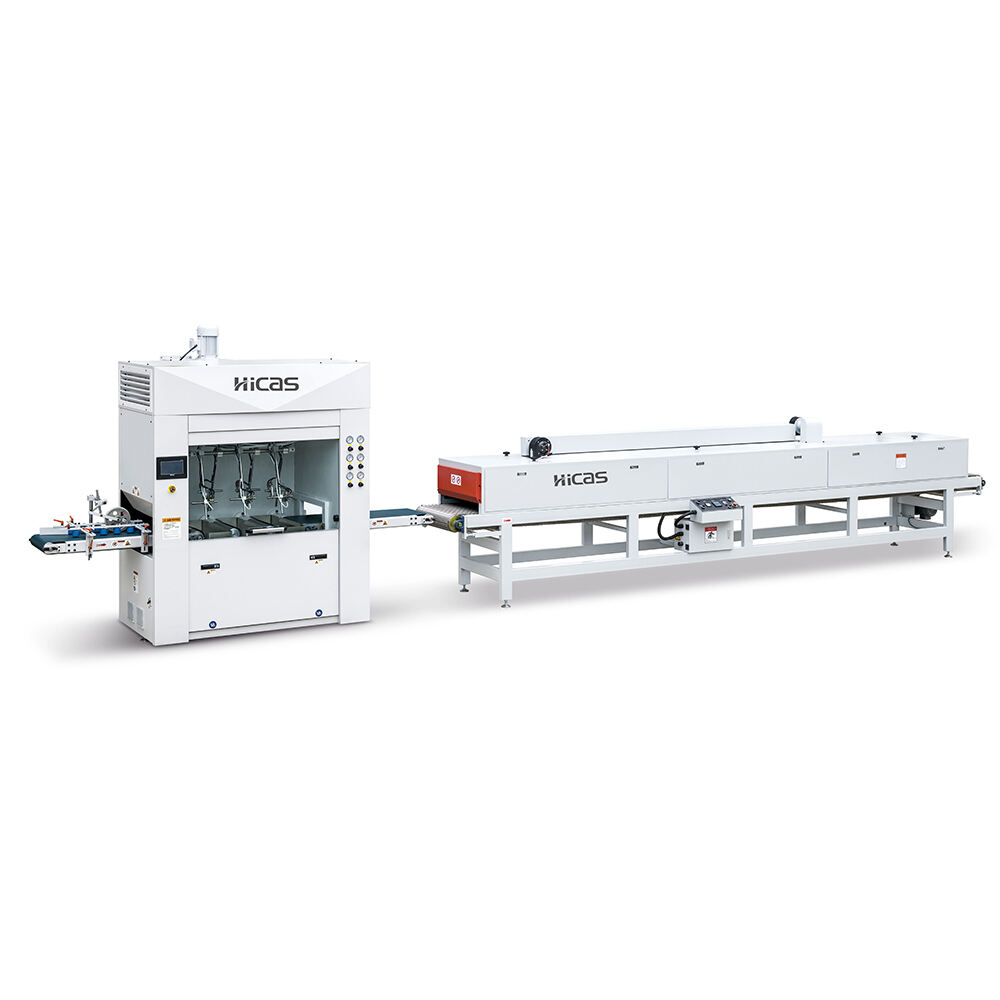
Automated coating lines can maintain thickness variations around ±5 microns throughout every surface area, getting rid of those pesky drips, thin spots, and uneven coatings that mess up the overall look. The robotic spray equipment keeps things steady with regard to pressure levels, how far it sprays from the part, and how long it stays there, even when dealing with complicated shapes. This means edges get covered just as well as recessed areas and curved parts do. Getting this kind of accuracy cuts down on finish problems by about 78 percent over what happens with hand applied coatings. So now manufacturers can produce furniture pieces that actually look like the ones displayed in showrooms without worrying about quality inconsistencies between batches.
Gloss control, soft-touch feel, and high-fidelity wood-grain replication
With programmable viscosity controls working alongside infrared drying tunnels, manufacturers can achieve consistent matte, satin or glossy finishes from one production run to the next. These advanced coating systems apply ultra thin layers that actually maintain the authentic feel of real wood underneath, giving surfaces that pleasant soft touch people expect when running their hands over furniture. The latest technology combines digital grain scanning with adjustable pressure nozzles to mimic different types of wood grains like oak, walnut even rare species found around the world. This creates such convincing results that those annoying patchy appearances common in large installations disappear completely. Brands benefit greatly from this consistency whether they're outfitting office buildings or luxury homes, since everything looks uniformly beautiful no matter where it ends up.
Key Automation Technologies Driving Durability and Aesthetics
UV-curable, waterborne UV, and flat-line systems: Performance comparison
Today's automated coating lines depend on three main technologies that each tackle different aspects of performance, green manufacturing, and how things look when finished. Let's start with UV curable systems. These bad boys can cure in under five seconds and hit hardness levels around 3H pencil grade thanks to their special light curing process. They cut down on production delays and still keep about 95% glossiness even after sitting through 1,000 hours of harsh UV testing according to ASTM standards. That beats traditional solvent options by roughly 30%. Then there are waterborne UV coatings which give similar hardness but with much smoother finishes. Their VOC emissions stay well below 50 grams per liter, so they pass those tough environmental regulations while still giving that nice soft feel customers love. And don't forget flat line systems either. These are great for keeping everything consistent shape-wise. They manage to hold film thickness within plus or minus 0.1 mil along tricky edges and curved surfaces. This makes them absolutely essential for creating realistic wood grain effects and flawless big surface coatings. Each of these tech options solves specific problems speed and hardness for UV coatings, going green and touch quality for waterborne UV, and perfect dimensions for flat line systems allowing factories to match their automated processes with what actually works and what looks good for their brands.
FAQ
What are the benefits of using automated coating lines for furniture? Automated coating lines significantly improve furniture durability by enhancing scratch, impact, and corrosion resistance. They also ensure aesthetic consistency, maintain gloss, and can replicate wood grains with high fidelity.
How does automated coating impact the longevity of furniture? Automated coatings increase furniture longevity through consistent film application, which protects against moisture and extends life by three to five years compared to traditional methods.
How do the different automated coating technologies compare? UV curable systems offer fast curing and high hardness, waterborne UV coatings provide smooth finishes and low VOC emissions, and flat-line systems ensure consistent film thickness for aesthetic precision.