
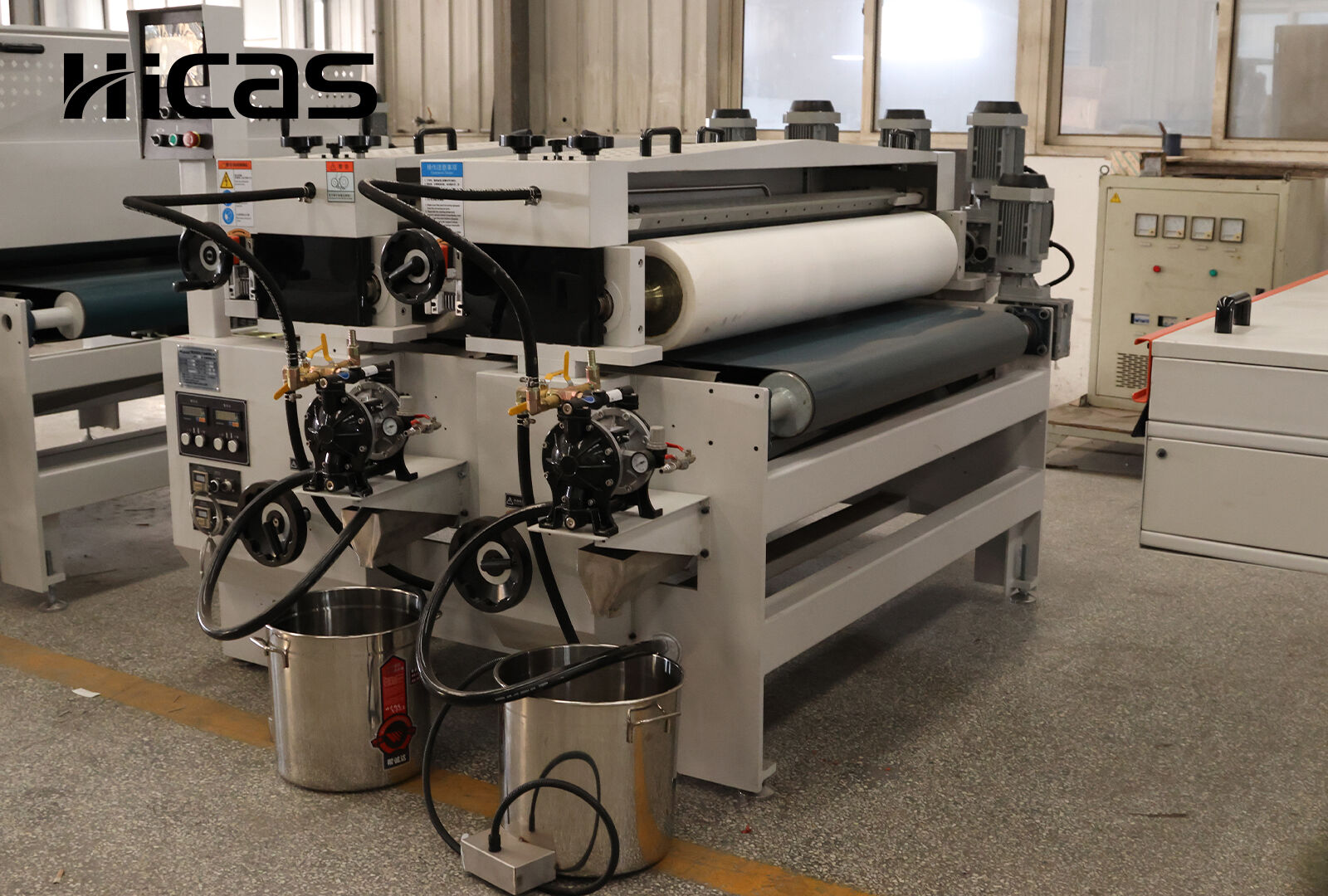
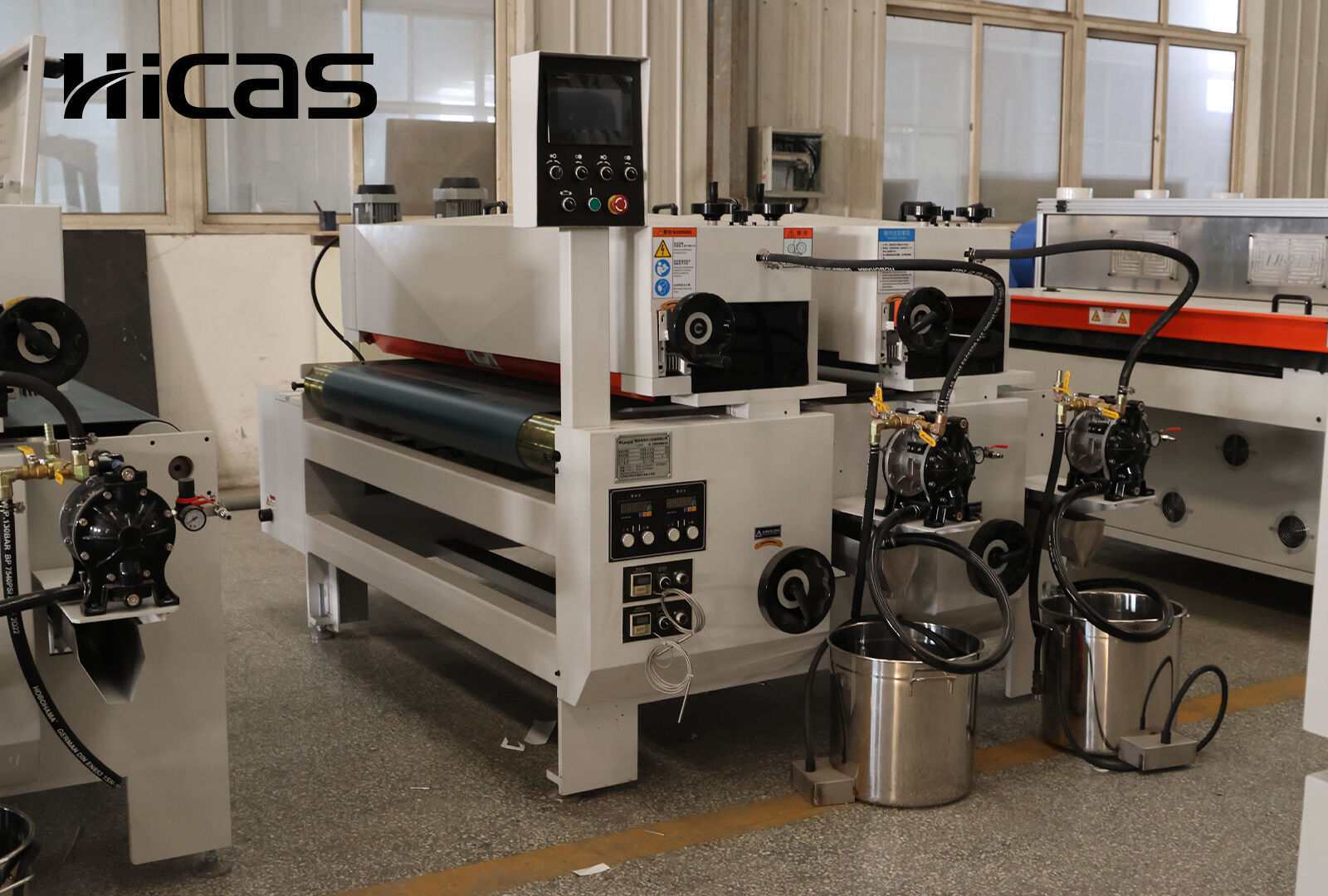
Boosting Throughput and Consistency with Fully Integrated Wood Coating Machines
Bottleneck Elimination: How Fragmented Finishing Slows High-Mix Wood Production
In wood manufacturing shops that handle lots of different products, broken up finishing processes really slow things down. Sanding happens here, coating there, and curing somewhere else completely. Workers spend nearly a third of their time just moving pieces from one station to another instead of actually working on them. What's worse, this scattered system leads to bad surface prep most of the time. Shops dealing with this kind of setup often see around 15 to 20 percent of their work needing redo because coatings don't stick properly after poor sanding. When companies make frequent switches between different product specs, it gets even harder since every machine needs individual adjustments. That's where integrated coating systems come in handy. These machines bring together sanding, coating, and curing into one smooth process flow. No more waiting between steps, plus they keep consistent quality settings no matter what type of wood product is being made at any given moment.
Synchronized Workflow: Closed-Loop Integration of Sanding, Spraying, Drying, and UV Curing
Today's integrated manufacturing systems bring together sanding, spraying, drying, and UV curing all in one automated process. Work moves along conveyor belts from station to station where robots handle the sanding job, changing grit sizes as needed after scanning surfaces in real time. The coating gets applied next in automated spray booths with pretty tight control over thickness, usually within about 3% variance. Infrared sensors kick in during drying phases and make quick adjustments when necessary. These kinds of continuous workflows cut down production time significantly, somewhere around 40 to 50 percent faster than older methods that required separate steps. What really makes these systems stand out is how they talk to each other. If moisture sensors pick up any sign that parts aren't fully dry yet, the whole line will pause before moving on to UV curing until everything checks out. This kind of smart coordination means fewer rejects right off the bat and allows factories to switch between different products much quicker without losing quality standards.
Achieving Precision Finish Quality Through Integrated Process Control
Film Thickness Variability: The Cost of Manual and Semi-Automated Wood Coating Machines
Getting consistent film thickness is still a big headache for wood finishers everywhere. The old school approaches such as hand spraying or those semi-auto setups just don't give good control when applying coatings. Workers constantly battle issues with overlapping areas and pressure changes that mess up the job. According to last year's Wood Finishing Tech Report, these problems lead to thickness differences of over 25% CV on average. What happens next? Visible flaws pop up all over the place - think orange peel look or coatings that won't stick right. This means going back for touch-ups and wasting materials, which eats into profits. Every single reject item pushes production costs up between 12% and 18%, and things get even worse when humidity levels fluctuate in shops without climate control systems.
Coating Methods Comparison
| Method | Avg. Thickness CV | Rework Rate | Overspray Waste |
|---|---|---|---|
| Manual Spray | 25% | 15% | 40% |
| Semi-Automated System | 15% | 9% | 30% |
| Integrated Line | ±3% | ±2% | ±12% |
Real-Time Feedback + Robotic Application: Enabling ±3% CV in Dry-Film Thickness
Today's wood coating systems combine closed loop monitoring with robot controlled precision. The infrared sensors check how thick the wet film is about every 0.8 seconds while it's being applied, sending all that information straight to the coating controller so the sprays can adjust on the fly. These robotic arms keep the nozzles at just the right angle and move them along at consistent speeds, something humans would tire of doing after a few hours. At the same time, the system automatically adjusts viscosity when materials get warm or cool down. All together, this setup brings dry film thickness variations down to around plus or minus 3 percent coefficient of variation, even when running at pretty fast speeds like 22 meters per minute. And because of this level of consistency, manufacturers see much better results in terms of gloss and color matching across different woods such as oak, maple boards, and various engineered wood products. Fewer customers end up returning finished goods due to problems with the coating job.
Reducing Operational Costs with Smart Wood Coating Machines
Paint Waste Reduction: From 42% Overspray to 46% Lower Consumable Spend
Old school wood finishing methods can actually waste around 42 percent of materials because of all that wasted overspray and when the application isn't consistent enough. The newer smart coating machines tackle this problem using those robotic sprayers that know exactly how to adjust for different viscosities and pressures as needed. There are these closed loop sensors too that keep checking the film thickness constantly, so most of the time we stay within plus or minus 3% accuracy. Plus there's special reclaim systems that grab hold of extra coating material and put it back into circulation instead of throwing it away. All these improvements together cut down on what gets used up by about 46%. That translates to saving roughly $18,500 every year just on one production line compared to what happens with the older semi automatic systems still in use today.
Labor Optimization: Fewer Operators, Higher Uptime, and Reduced Rework
When it comes to reducing reliance on manual labor, automated systems make a real difference. A single technician can now manage anywhere from four to six coating lines at once, which cuts down on the number of operators needed by about two thirds. The predictive maintenance features are pretty impressive too, stopping around eight out of ten mechanical problems before they happen, so machines stay running smoothly most of the time. And let's not forget about those machine vision systems that catch sanding issues and paint drips early on. This prevents all sorts of rework headaches, saving roughly a third on corrections costs. That works out to about twelve thousand dollars saved each year just per production line. Some of the bigger manufacturing plants have seen their overall expenses drop by over quarter of a million dollars annually once these integrated solutions were put into place across their operations.
Enabling Flexible Production Across Wood Product Segments
Wood coating machines that integrate different functions are changing how fast production can adapt to all sorts of shapes, from those tricky curved cabinets to sharp angled parts without needing someone to manually reset everything each time. Traditional setups often need downtime whenever they switch products because operators have to stop and reconfigure them. But these new unified systems just adjust themselves automatically when moving between things like MDF panels, solid wood tables, or even laminated surfaces. The result? No more wasting 30 to 50 minutes on recalibrations for each batch while still getting consistent finishes no matter what material is being used. When manufacturers run through various sizes and materials all at once in their workflow, they actually cut down idle time by around 19% as reported by WoodTech in their 2024 efficiency study. This makes it possible to handle small batches of specialty items without losing money on setup costs. Plus, with closed loop controls keeping film thickness steady whether working on detailed moldings or simple tabletops, factories can switch between different product lines right in the same production run without missing a beat.
FAQs
What are the main benefits of integrated wood coating machines?
Integrated wood coating machines streamline the process by combining sanding, coating, and curing into a single, efficient workflow. They reduce production time, improve consistency, lower rejection rates, optimize labor, and decrease wasted materials.
How do integrated systems maintain consistent quality?
These systems use real-time feedback and robotic applications to adjust coating thickness and ensure even coverage. Closed-loop controls monitor all stages, reducing variability and defects.
What cost savings can manufacturers expect?
Manufacturers can expect reduced operational costs through decreased material wastage, labor optimization, fewer rejects, and a decrease in setup time for product changes, resulting in significant savings annually.