
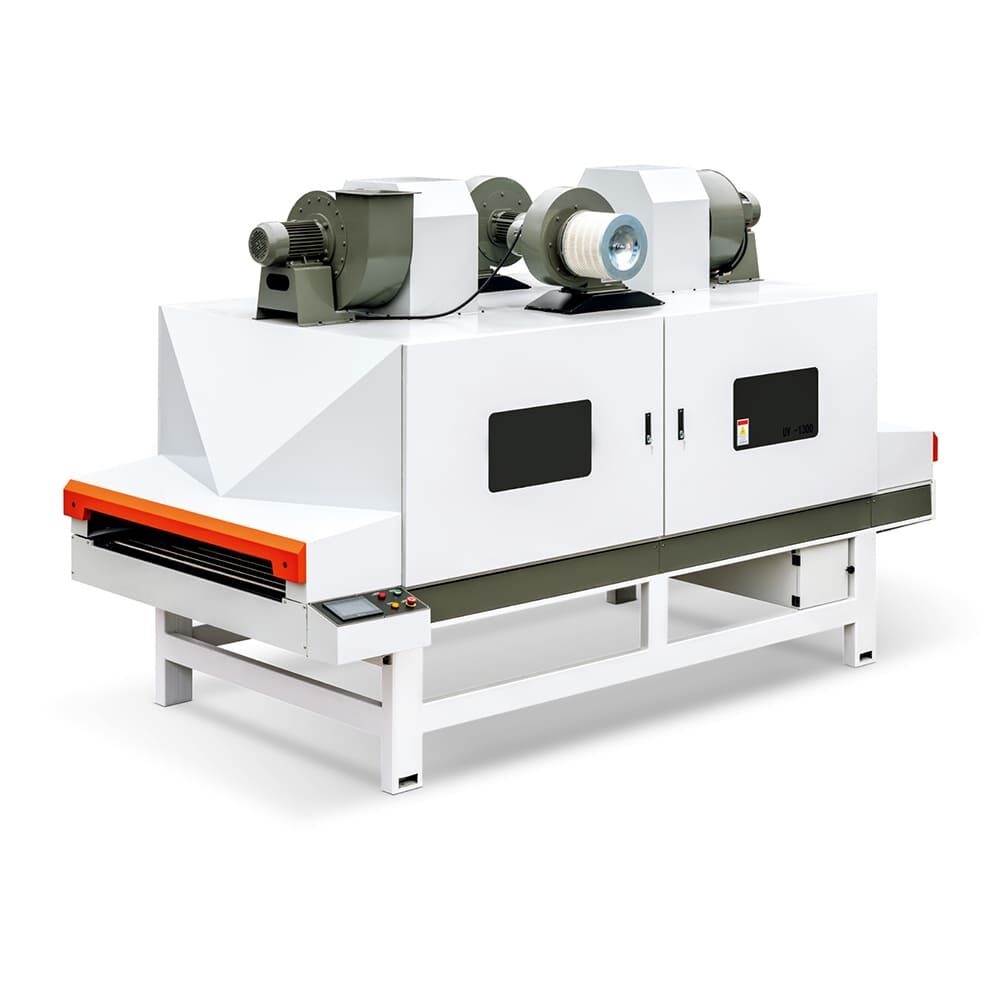
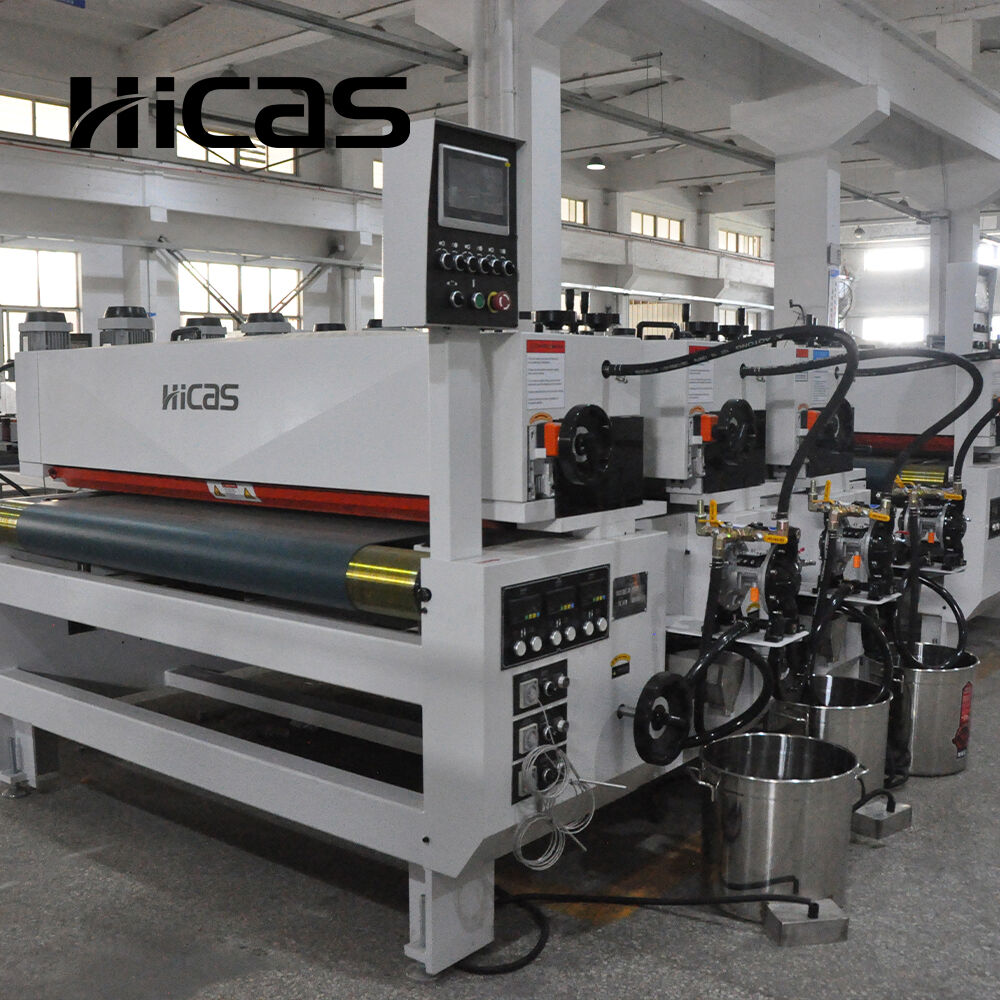
Accelerating Production Throughput with Automatic Painting Lines
Robotic Spray Arms and Synchronized Conveyance Boost Cycle Speed
Today's automated spray painting systems combine robotic arms with smart conveyor technology to boost furniture manufacturing output significantly. The robots apply paint with remarkable consistency and precision, working much faster than any human operator could manage. According to McKinsey data from 2022, this automation cuts down on individual unit processing time by somewhere between 40% and 60%. The conveyor system keeps everything moving smoothly, positioning each piece just right so nothing gets stuck waiting its turn. This means factories can produce around 120 to 150 standard cabinet doors every single hour something simply impossible with traditional methods still in use today. Plus, these machines follow programmed paths that cut back on wasted paint, saving money on materials while also speeding things up.
Programmable Changeovers Cut Downtime for Multi-Product Furniture Lines
The biggest headache for makers of mixed product furniture has always been those tedious, time-consuming changeovers between different items. But automatic painting systems have really changed the game here. When using these smart setups, workers can actually switch from painting chair legs to table tops to cabinet sides within just a couple of minutes flat. The system comes with pre-set programs that handle all sorts of adjustments automatically - think about how far apart the nozzles need to be, what kind of coating thickness works best, and even what temperature settings should go into those curing tunnels. No more spending hours manually calibrating everything every time there's a switch. According to some research from Deloitte last year, companies saw their downtime during these transitions drop by around 70% once they got these systems installed. That makes it possible to run smaller batches economically without breaking the bank. And let's not forget about those real time monitoring dashboards either. These tools help predict when maintenance might be needed before something breaks down completely, which keeps operations running smoothly at well over 95% efficiency even when products keep changing throughout the day.
Ensuring Paint Quality and Consistency Across Complex Furniture Surfaces
Automatic painting lines elevate finish quality across diverse furniture geometries"”from flat panels to ornate carvings"”by replacing variability with repeatable precision. Unlike manual application, these systems ensure every piece meets brand specifications without reliance on operator skill or fatigue resistance.
Electrostatic Atomization and Closed-Loop Proportioning Deliver Uniform Film Build
When electrostatic charging happens, it basically sets up an electromagnetic field that pulls those paint particles right onto the grounded furniture surfaces. What does this mean? Transfer efficiency soars to around 95%, which is way better than the typical 40-60% we see from regular spray guns. The result? Paint covers everything evenly including tricky spots like edges, corners, and even those hard-to-reach areas in wood grain. This works especially well on porous woods such as oak or ash where traditional methods often lead to uneven absorption. As a bonus, there's about 70% less need for touch-ups according to what most finishers report. Another smart feature comes into play here too. Closed loop proportioning keeps track of both viscosity and temperature throughout the process. It automatically adjusts the solvent mix as needed to maintain good atomization. And let's face it, getting consistent film thickness over complicated shapes really matters when quality counts.
Integrated Vision Systems and Real-Time Feedback for Defect Prevention
Machine vision cameras check components both before and after coating at a resolution of about 0.1mm, spotting issues like dry spots, orange peel texture problems, or areas where paint was missed entirely. If something goes outside acceptable limits, the system kicks in right away to fix things - boosting fluid flow where coverage is light or reducing pressure when there's risk of runs happening. This kind of continuous monitoring cuts down defects by around 85 percent according to our tests, plus it gathers all sorts of operational info that helps plan maintenance better over time. What this means in practice is consistent results from one production run to the next, even when dealing with those tricky curved surfaces or irregular shaped furniture pieces that always seem to cause trouble.
Reducing Operational Costs and Material Waste via Precision Application
Targeted Electrostatic Transfer Efficiency Lowers Overspray and VOC Emissions
Electrostatic tech works really well for getting those paint particles exactly where they need to go on furniture parts that are grounded. The transfer efficiency can reach around 95% in good conditions. What this means practically is way less overspray compared to old school methods about 60 to 70 percent less actually which cuts down on wasted materials and saves money on filter replacements too maybe somewhere around 30% savings there. Another big plus is that volatile organic compounds or VOCs get cut down roughly 45% when using electrostatic systems. This helps meet those new EPA standards from 2023 and keeps companies from spending so much time worrying about environmental regulations. Woodworkers dealing with complicated shapes especially benefit because electrostatic painting covers all those tricky corners properly while using only about 20 to 25% less paint per piece. So businesses save money and help the planet at the same time.
Optimizing ROI: Selecting Furniture Components Best Suited for Automatic Painting Line Integration
Getting the best bang for the buck means focusing automation efforts on parts that match what these systems do best: consistent shapes, lots of quantity, and not much masking needed. Think flat or slightly curved stuff like cabinet doors, table tops, drawer fronts those are where robots really shine because they can keep the right distance and speed while spraying, often getting over 90% transfer efficiency. The real money makers come from running standardized parts in high volumes since the machines handle color changes fast and apply paint so precisely with static electricity. Over months and years, this adds up to big savings on both labor costs and materials wasted. Parts that don't need much masking at all work great too simple chair frames for instance let production roll along without stopping. But watch out for fancy carved details or complicated joints across multiple axes those take way more time to program and test than they're worth sometimes. Start with items made at least 15,000 times a year. Big flat panels especially show off their value here processing them takes about 30% less time compared to old school manual booths, which means factories hit their break even point sooner and stay ahead on costs long term.
FAQ
What is the main advantage of automatic painting lines?
Automatic painting lines improve production efficiency by reducing processing time and delivering consistent paint quality across varied surfaces, which is difficult to achieve manually.
How do automatic systems handle product changeovers?
Automatic painting systems use pre-set programs to make adjustments quickly and efficiently, reducing downtime by about 70% during product changeovers.
Why is electrostatic technology used in automatic painting?
Electrostatic technology increases paint transfer efficiency to about 95%, reducing overspray and VOC emissions, and providing uniform coverage even on complex surfaces.
Can these systems help reduce operational costs?
Yes, automatic painting systems reduce material waste and operational costs by efficiently applying paint and minimizing the need for manual touch-ups.
Which furniture components are best suited for automation?
Components with consistent shapes, large volumes, and minimal masking requirements, like flat panels and simple frames, are ideal for automatic painting lines.
Table of Contents
- Accelerating Production Throughput with Automatic Painting Lines
- Ensuring Paint Quality and Consistency Across Complex Furniture Surfaces
- Reducing Operational Costs and Material Waste via Precision Application
- Optimizing ROI: Selecting Furniture Components Best Suited for Automatic Painting Line Integration
- FAQ