
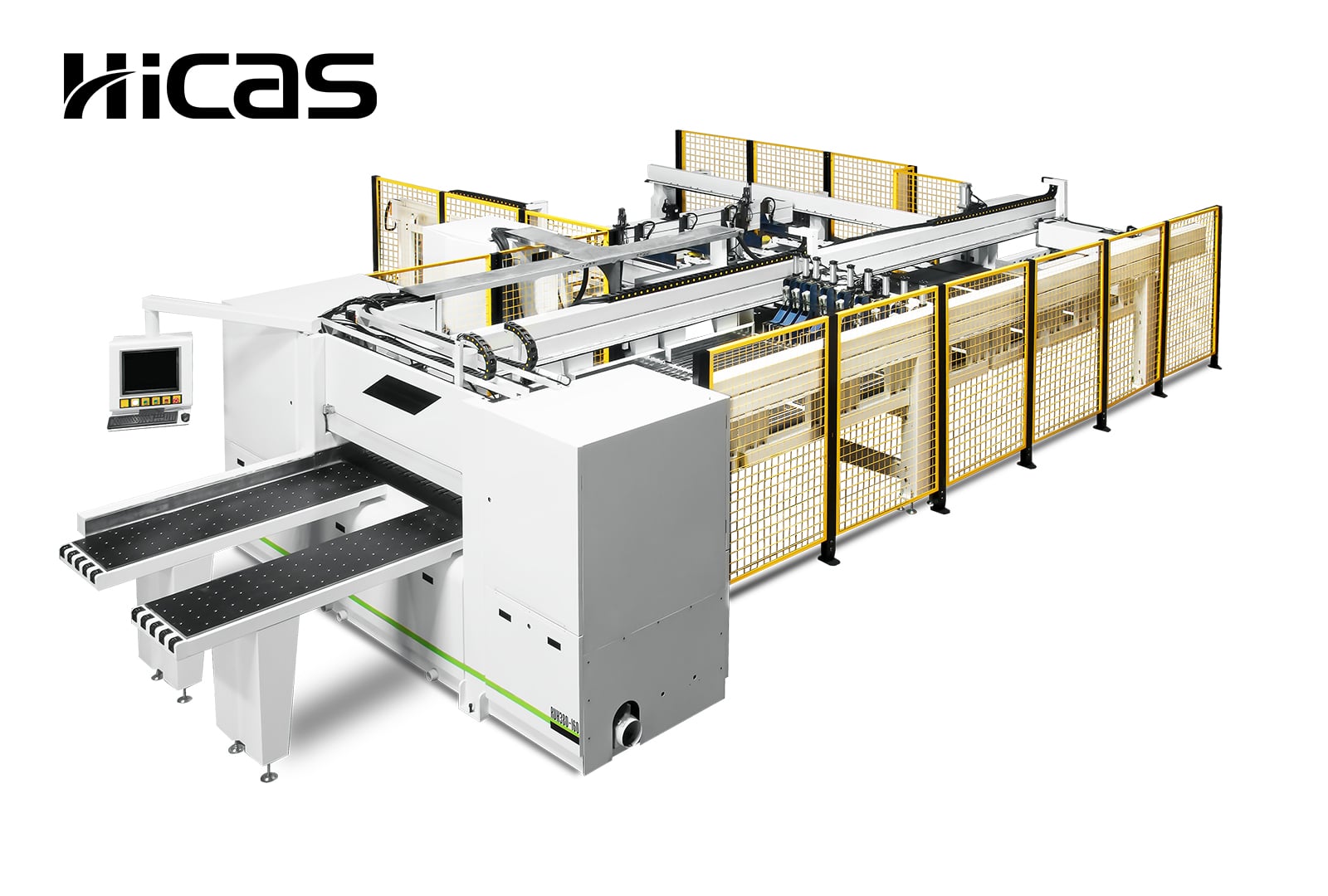
A crosscut power saw is one of the most productive and potentially hazardous machines in any woodworking or industrial processing facility. When operators use a crosscut power saw without proper guarding, the risk of contact injuries, flying debris, and kickback events rises significantly. That is why modern crosscut power saw designs now prioritize enhanced safety shields as a core engineering requirement rather than an optional feature.
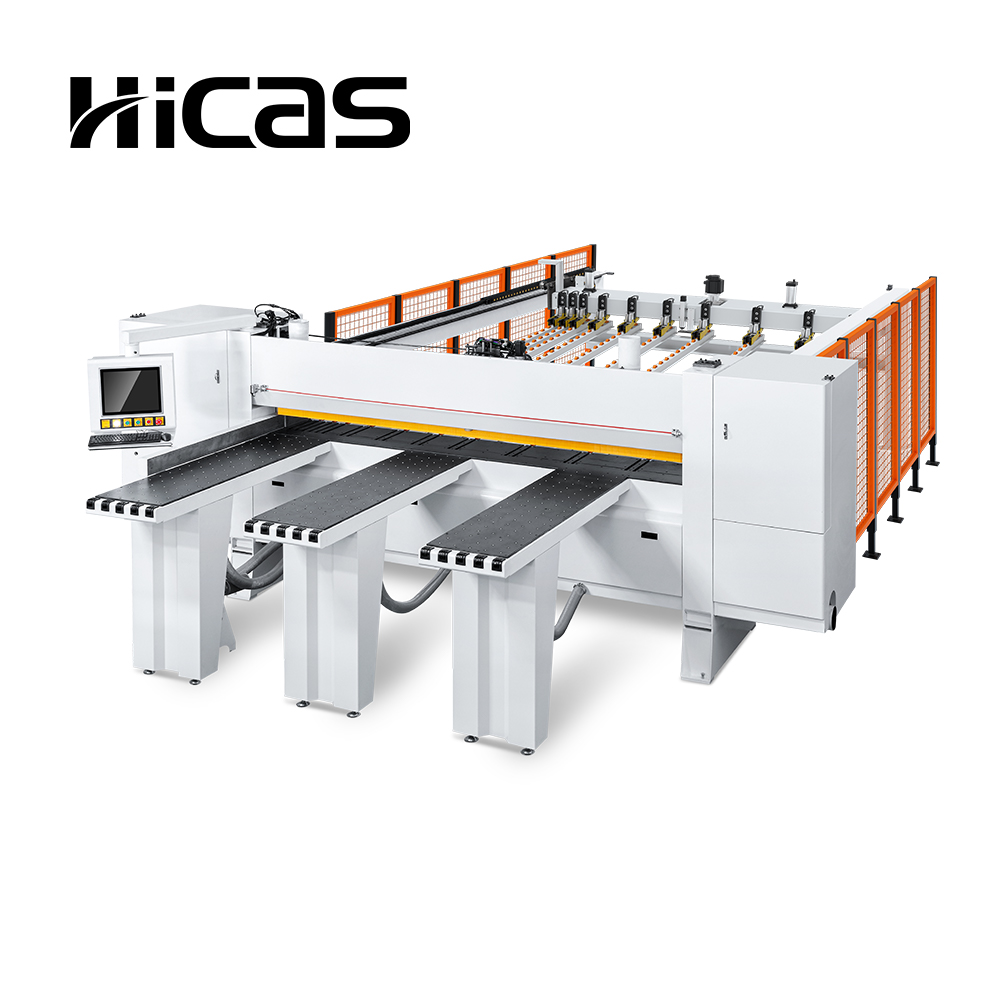
Understanding how these safety shields function on a crosscut power saw helps facility managers, machine operators, and procurement teams make more informed decisions about equipment selection and workplace safety protocols. A well-guarded crosscut power saw not only protects personnel but also contributes to consistent cut quality, reduced machine downtime, and compliance with occupational safety regulations. This article examines the specific safety shield improvements found on modern crosscut power saw models and explains why they matter in real production environments.
The Role of Safety Shields on a Crosscut Power Saw
Blade Guards and Cutting Zone Protection
The blade guard is the most visible safety component on any crosscut power saw. On a modern crosscut power saw, the blade guard is engineered to retract smoothly as the blade descends into the workpiece and return to its default position immediately after the cut is complete. This automatic movement means the crosscut power saw blade is never exposed longer than necessary, which directly reduces the window of operator risk. High-quality blade guards on a crosscut power saw are typically constructed from reinforced polycarbonate or steel-reinforced composites that resist impact and resist shattering from debris projection.
Beyond basic blade coverage, the cutting zone of a crosscut power saw is now often enclosed by a secondary fixed shield that channels sawdust and wood chips away from the operator. This shield works in coordination with the retractable blade guard to create a dual-layer protection system. When the crosscut power saw cycles through repeated cuts at high speed, the dual-shield design significantly lowers the chance of debris reaching the operator's hands, face, or eyes.
Anti-Kickback Mechanisms Integrated into the Shield System
Kickback is a serious hazard on any crosscut power saw because it can occur without warning and with extreme force. Modern crosscut power saw models incorporate anti-kickback pawls and tension fingers directly into the shield assembly. These components grip the workpiece firmly as the crosscut power saw blade engages, preventing the material from being thrown backward toward the operator. On automated crosscut power saw systems, sensor-based pressure controls work alongside the mechanical shield to detect irregular resistance and halt the blade cycle before a kickback event can develop.
Material and Design Advances in Modern Shield Systems
Impact-Resistant Shield Construction
Earlier generations of the crosscut power saw relied on simple sheet-metal guards that could bend, corrode, or fail under repeated impact. Today's crosscut power saw safety shields are designed with precision-formed materials that maintain their structural integrity over thousands of operating cycles. Tempered steel brackets provide the mounting strength that keeps the crosscut power saw shield aligned even under high-vibration conditions. Transparent viewing panels allow operators to monitor the cut line without removing or bypassing the shield, which is a common unsafe behavior in older crosscut power saw setups.
Material advances also address the problem of visibility. A crosscut power saw operator needs to see the cut path clearly to position workpieces accurately. Modern crosscut power saw shields use optically clear polycarbonate panels that resist scratching from sawdust and maintain clarity across long service intervals. This design improvement means that operators working with a crosscut power saw are less tempted to lift or remove guards just to improve sightlines, which eliminates a significant source of injury risk.
Ergonomic Shield Positioning for Operator Comfort
A safety shield that interferes with comfortable operation is often ignored or removed. Manufacturers of modern crosscut power saw equipment have responded by engineering shields that adjust to different workpiece dimensions without requiring manual repositioning. On an automatic-feed crosscut power saw, the shield height and lateral coverage can adapt to varying lumber widths, ensuring the crosscut power saw remains protected regardless of material size. Ergonomic shield design reduces operator fatigue and the cognitive load of managing guard positions during high-volume crosscut power saw production runs.
Compliance and Operational Benefits of Enhanced Shields
Meeting Safety Standards with a Properly Shielded Crosscut Power Saw
Regulatory bodies in most industrial markets require that every crosscut power saw in a commercial facility meets defined guarding standards. A crosscut power saw equipped with certified safety shields helps facilities pass inspections, maintain insurance compliance, and reduce liability exposure. When a crosscut power saw shield system is documented as meeting applicable machine safety directives, the entire production line benefits from a clearer safety certification pathway. Facilities that invest in a properly guarded crosscut power saw also tend to report lower rates of lost-time injuries, which translates directly into lower operational costs.
Beyond compliance, the operational benefits of enhanced shields on a crosscut power saw are substantial. A well-shielded crosscut power saw produces cleaner cuts because the workpiece is held more securely during the cutting cycle. Reduced vibration from the shield assembly contributes to dimensional accuracy, which matters greatly in furniture manufacturing, construction component production, and other industries that rely on a crosscut power saw for precise lumber dimensioning.
Maintenance Considerations for Crosscut Power Saw Shields
A crosscut power saw shield system requires periodic inspection to remain effective. Operators should check the crosscut power saw blade guard for cracks, alignment drift, and hinge wear on a scheduled basis. Transparent panels on the crosscut power saw should be replaced when scratching reduces visibility below a safe threshold. Anti-kickback components on the crosscut power saw should be tested for spring tension and pawl engagement regularly. Maintaining the crosscut power saw shield system in peak condition ensures that the safety benefits designed into the machine are fully realized throughout its service life.
FAQ
Why are safety shields important on a crosscut power saw?
Safety shields on a crosscut power saw protect operators from blade contact, debris projection, and kickback events. A properly functioning shield system keeps the crosscut power saw blade covered except during the active cut, which significantly reduces injury risk during high-volume production.
Can a crosscut power saw shield be customized for different workpiece sizes?
Yes. Many modern crosscut power saw models feature adjustable or self-adapting shield assemblies that accommodate different lumber widths and thicknesses. An automatic-feed crosscut power saw may include sensor-driven shield positioning that adapts without manual operator input.
How often should the shield system on a crosscut power saw be inspected?
The shield system on a crosscut power saw should be inspected at regular intervals aligned with the machine's operational hours. For a high-frequency production crosscut power saw, a weekly visual inspection combined with a monthly mechanical check of guard hinges, anti-kickback pawls, and transparent panels is a practical maintenance baseline.