
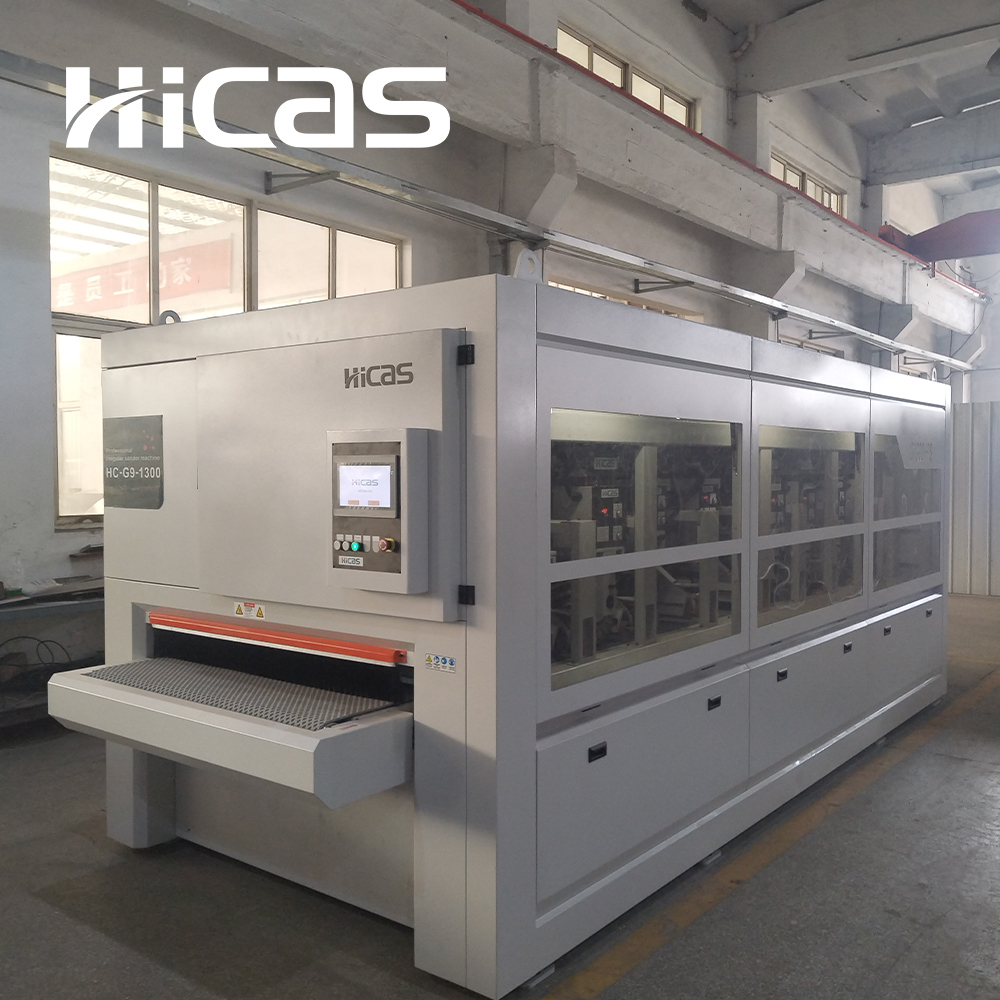
Surface imperfections are among the most persistent challenges in wood manufacturing. Whether you are producing furniture panels, cabinet doors, or MDF components, achieving a flawless finish demands consistent material removal across every surface. An automatic sanding machine for wood addresses this challenge with precision that manual techniques simply cannot replicate. Understanding why this equipment perfects flaws begins with understanding the nature of wood surface defects and how controlled abrasion eliminates them.
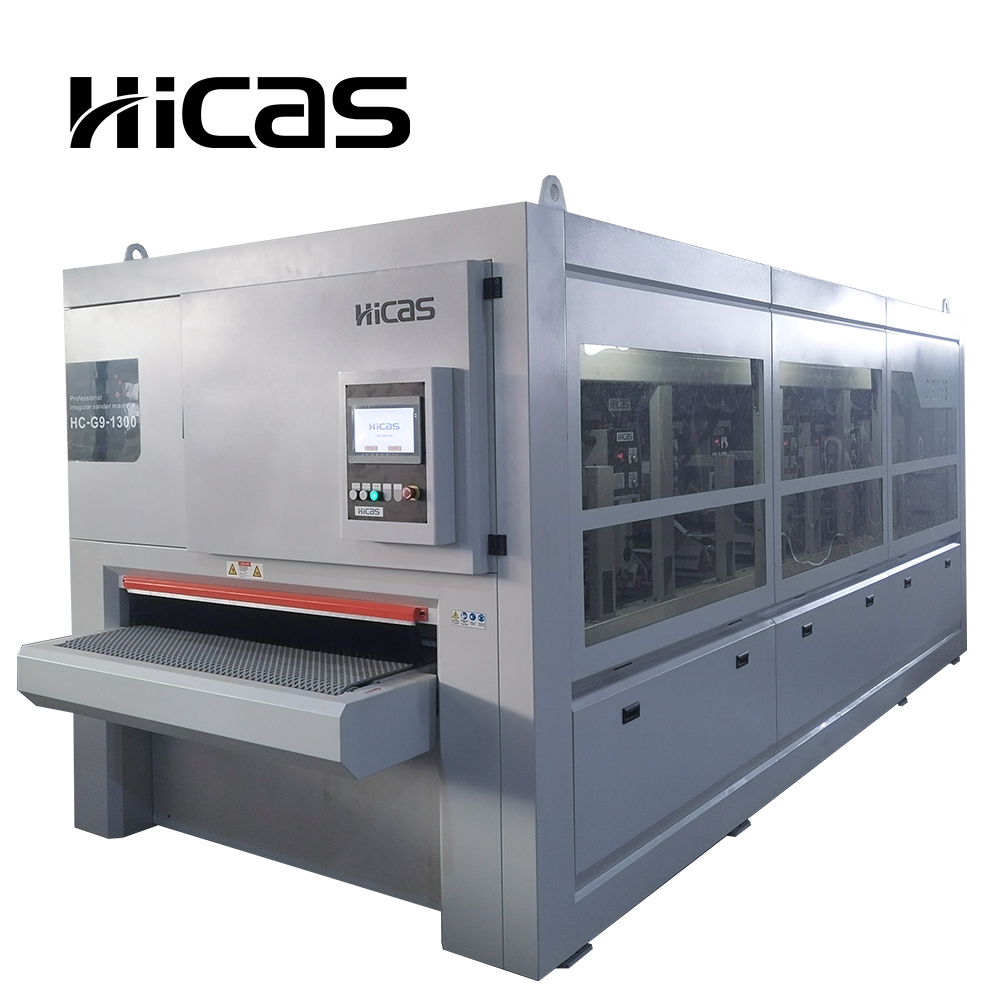
The automatic sanding machine for wood applies uniform pressure and consistent belt speed across the entire panel surface. This mechanical consistency eliminates the human variability that causes uneven sanding, visible scratches, and thickness deviations. For production environments where quality control is non-negotiable, the automatic sanding machine for wood is not merely a convenience — it is the foundation of repeatable, professional results. Every piece passing through this machine exits with predictable surface quality, which is exactly what modern wood manufacturing demands.
How an Automatic Sanding Machine for Wood Removes Surface Flaws
The Mechanics of Controlled Abrasion
The automatic sanding machine for wood works by feeding workpieces through calibrated rollers and a wide abrasive belt rotating at a precise speed. As the automatic sanding machine for wood draws each panel through, the belt contacts the full surface width simultaneously. This means no patch of wood receives more or less abrasion than any other area. Raised grain, tool marks from milling, and surface irregularities are leveled systematically with each pass. The automatic sanding machine for wood can be set to remove very thin layers of material, preserving panel thickness while eliminating only the defective outer layer.
Brush Sanding for Detail Perfection
Many configurations of the automatic sanding machine for wood incorporate brush sanding units in addition to belt abrasion. Brush heads follow the surface profile of routed edges, carved patterns, and profiled doors, reaching into recesses that a flat belt cannot touch. This dual-action approach means the automatic sanding machine for wood refines both flat panels and contoured surfaces in a single pass. Cabinet doors with decorative profiles benefit enormously from this capability because flaws in recessed areas are as visible as those on flat faces. The automatic sanding machine for wood ensures no zone is overlooked.
Why Consistency Matters in Wood Finishing Production
Eliminating Thickness Variation
One of the most damaging flaws in wood panel production is thickness inconsistency. When panels vary in thickness, downstream processes like edge banding, lamination, and painting all produce poor results. The automatic sanding machine for wood resolves this by calibrating each panel to a defined thickness target during sanding. The automatic sanding machine for wood uses precision feed rollers that hold the workpiece flat against the sanding platen, removing high spots and bringing the entire surface to a uniform dimension. This calibration function makes the automatic sanding machine for wood indispensable in MDF and engineered wood production where dimensional accuracy is critical.
Reducing Rework and Material Waste
Manual sanding introduces risk because operators apply inconsistent pressure and speed, often creating new scratches while trying to remove old ones. The automatic sanding machine for wood eliminates operator-to-operator variation, which dramatically reduces rework rates. When fewer panels require re-processing, material utilization improves and production throughput increases. The automatic sanding machine for wood also reduces abrasive waste because belt consumption is optimized through consistent loading rather than the erratic contact patterns of hand sanding. Over time, the automatic sanding machine for wood delivers measurable cost savings beyond just surface quality.
Application Scenarios Where the Automatic Sanding Machine for Wood Excels
Furniture Panels and Cabinet Components
Furniture manufacturers rely on the automatic sanding machine for wood to prepare flat panels for paint, veneer, or lacquer application. Any surface flaw left on the panel will telegraph through coatings and become visible in the finished product. The automatic sanding machine for wood removes these flaws at the raw panel stage, before costly finishing materials are applied. Cabinet makers use the automatic sanding machine for wood to process door frames, drawer fronts, and side panels at scale, maintaining identical surface quality across hundreds of components per shift. This consistency is impossible to achieve manually at production volume.
Wood Door and MDF Finishing Lines
Wood door manufacturers face unique challenges because door surfaces must be visually flawless and dimensionally accurate to fit frames correctly. The automatic sanding machine for wood handles both requirements simultaneously. It calibrates door thickness while refining the surface to a paint-ready condition in a single automated pass. MDF, which is widely used in door production, sands beautifully with the automatic sanding machine for wood because the material responds evenly to abrasive action without grain reversal or splintering. The automatic sanding machine for wood is therefore a standard fixture in any serious door manufacturing line.
FAQ
What types of wood materials can an automatic sanding machine for wood process?
An automatic sanding machine for wood can process solid wood, MDF, plywood, particleboard, and veneered panels. The automatic sanding machine for wood handles both hardwood and softwood species effectively by adjusting belt grit and feed speed to match the material density and desired finish quality.
How does the automatic sanding machine for wood improve paint and coating adhesion?
The automatic sanding machine for wood creates a micro-textured surface by removing the outermost layer of wood fiber and opening the grain slightly. This texture gives paint and lacquer a stronger mechanical bond to the surface. When the automatic sanding machine for wood is used before coating, adhesion is more uniform and coating failures like peeling or bubbling are significantly reduced.
Is the automatic sanding machine for wood suitable for small production workshops?
Yes, the automatic sanding machine for wood is available in compact configurations designed for smaller workshops without sacrificing surface quality. Even at lower production volumes, using an automatic sanding machine for wood delivers better consistency than manual methods and reduces operator fatigue, making it a practical investment for workshops of any size.