
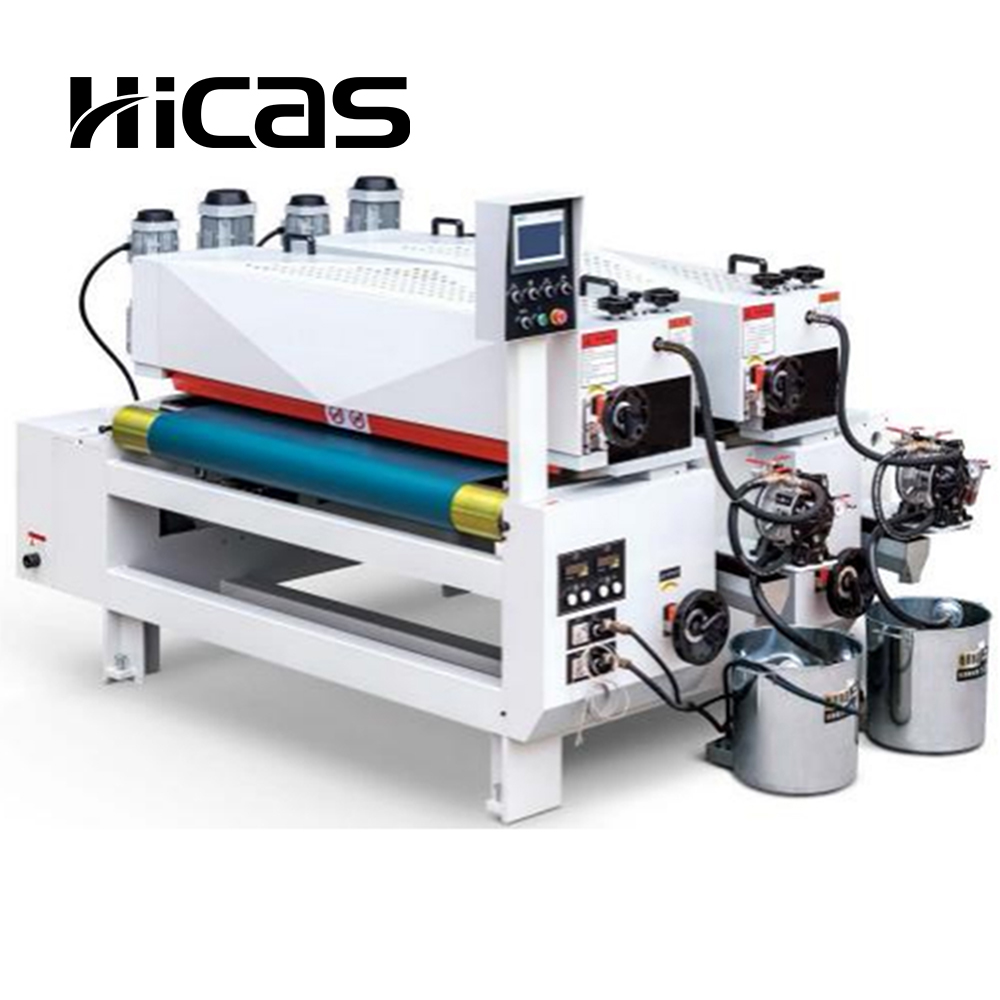
Paint viscosity is one of the most critical variables in any surface finishing process, and a roller coater machine is specifically engineered to manage this variable with precision. When viscosity is too high, paint fails to spread evenly, leaving ridges, streaks, and an unacceptable surface texture. When viscosity is too low, the coating runs, drips, and loses its protective integrity. The roller coater machine sits at the intersection of mechanical engineering and fluid dynamics, making it indispensable for manufacturers who demand repeatability in every production cycle.
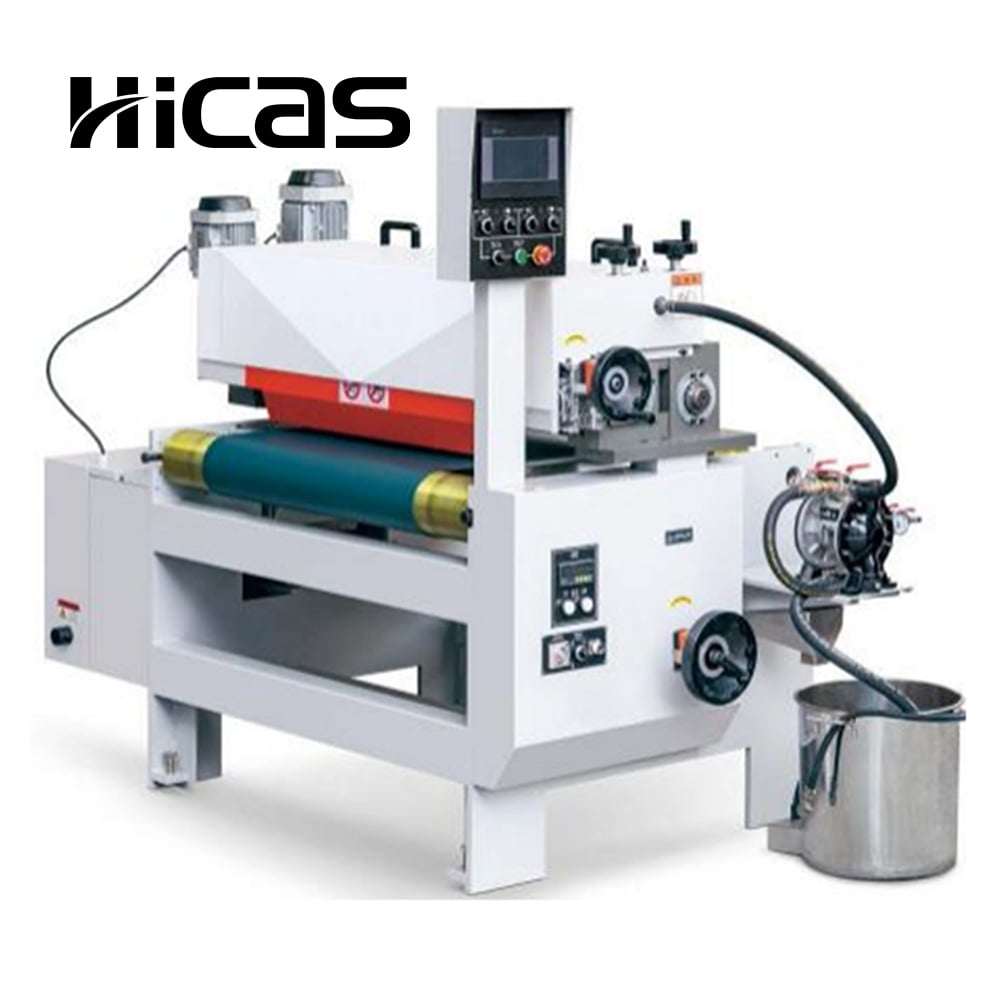
Understanding how a roller coater machine controls paint viscosity requires looking at the mechanical components, the process parameters, and the feedback systems that work together during coating operations. This article breaks down each element so that production managers, quality engineers, and equipment buyers can make informed decisions about coating line performance and consistency.
The Mechanical Basis of Viscosity Control
Roller Gap and Pressure Settings
The roller coater machine uses adjustable roller gaps to regulate the volume of paint transferred onto the substrate surface. By narrowing or widening the gap between the applicator roller and the metering roller, operators directly influence how much paint film is deposited per pass. A tighter gap reduces film thickness and compensates for paint with lower viscosity, while a wider gap accommodates thicker coatings without dragging or tearing the surface. This mechanical adjustment is the first and most immediate way a roller coater machine responds to viscosity changes in real time.
Roller pressure settings complement gap control by determining how firmly the applicator roller presses against the workpiece. Excessive pressure can squeeze out paint prematurely, effectively thinning the applied film regardless of the paint viscosity. Insufficient pressure leaves an uneven, under-wet surface. Experienced operators working with a roller coater machine learn to calibrate both gap and pressure together whenever a new paint batch arrives, especially when viscosity readings differ from the standard specification.
Roller Speed and Rotational Direction
Speed is another lever the roller coater machine uses to manage viscosity-related behavior. When applicator rollers rotate faster relative to the substrate travel speed, the shear force on the paint increases. This shear thins many industrial paints temporarily, reducing their effective viscosity at the point of contact and improving spread. Conversely, slowing down the roller reduces shear and allows thicker films to build up. The roller coater machine gives operators precise RPM control so they can match roller speed to the rheological profile of the specific coating being used.
Temperature and Environmental Factors in the Roller Coater Machine
Paint Temperature Management
Paint viscosity drops as temperature rises and climbs as temperature falls. A well-designed roller coater machine integrates temperature-controlled paint reservoirs or supply lines that keep the coating material within a specified thermal range throughout production. Heated troughs or jacketed supply systems maintain stable viscosity even when ambient workshop temperatures fluctuate. Without this thermal regulation, the same roller coater machine running the same settings in the morning versus the afternoon could produce noticeably different film weights simply because the paint has warmed up by several degrees.
Some advanced roller coater machine configurations include in-line viscosity sensors that feed data back to the temperature control system. When the sensor detects a viscosity drift, the system adjusts the heating or cooling circuit to bring the paint back to the target range without requiring manual operator intervention. This closed-loop approach is particularly valuable in high-volume production environments where stopping the line to re-calibrate by hand would be costly and disruptive.
Humidity and Coating Chemistry Interaction
Humidity affects water-based coatings by altering solvent evaporation rates, which indirectly changes viscosity behavior during and after application. A roller coater machine operating in a climate-controlled production hall faces fewer viscosity-related defects than one exposed to seasonal humidity swings. When environmental control is limited, operators rely more heavily on the roller coater machine's mechanical adjustments to compensate for the changing paint behavior. Using viscosity cups or rotational viscometers to check paint condition before each shift start is a standard practice that complements what the roller coater machine can control mechanically.
Process Parameters That Support Consistent Viscosity Control
Feed Rate and Paint Circulation
The rate at which paint is fed into the roller coater machine trough affects its residence time and therefore its tendency to change viscosity through evaporation or temperature gain. A slow feed rate allows paint to sit in the open trough longer, increasing the risk of skinning or viscosity drift. A properly engineered roller coater machine uses a recirculating pump system that keeps fresh paint flowing continuously through the supply path, minimizing dwell time and maintaining uniform viscosity across the full width of the coating roller. This is especially important for UV-curable coatings, which are sensitive to both light exposure and temperature while in the trough.
Roller Surface Material and Texture
The durometer and surface texture of the applicator roller in a roller coater machine directly influence how paint behaves during transfer. Softer rubber rollers deform slightly under pressure, increasing the effective contact area and altering the shear profile. Harder rollers maintain their shape and deliver a more consistent nip pressure across the substrate width. The surface texture, measured in line-screen count for engraved rollers, determines how much paint volume is held in the roller surface before transfer. Choosing the right roller specification for the paint viscosity being used is as important as setting the correct gap and speed on the roller coater machine.
Manufacturers of PVC furniture boards and engineered wood panels rely heavily on the roller coater machine to deliver tight film weight tolerances across millions of square meters annually. Any viscosity drift that goes unmanaged translates directly into rework, waste, and customer complaints. The combination of mechanical precision, thermal management, and process discipline makes the roller coater machine a genuinely capable system for viscosity control rather than simply a paint application device.
FAQ
How does roller speed affect viscosity control in a roller coater machine?
Higher roller speed increases shear force on the paint, which temporarily lowers effective viscosity for many industrial coatings. The roller coater machine allows operators to fine-tune RPM so the shear profile matches the paint's rheology, producing a consistent film weight and surface finish even when the base viscosity varies slightly from batch to batch.
Can a roller coater machine handle both high-viscosity and low-viscosity paints?
Yes. The roller coater machine is designed with adjustable gap settings, variable roller pressure, and speed controls that allow it to accommodate a broad viscosity range. Operators switch between roller specifications and adjust process parameters when changing from high-build primers to thin UV topcoats, making the roller coater machine highly versatile across different coating chemistries.
What maintenance practices keep viscosity control accurate on a roller coater machine?
Regular cleaning of rollers and troughs prevents dried paint from altering the effective roller diameter or surface texture, both of which affect film weight. Calibrating gap sensors and checking roller concentricity on schedule ensures the roller coater machine maintains its mechanical accuracy. Monitoring paint viscosity at the start of each shift and after any extended idle period also helps operators catch drift before it reaches the workpiece.