
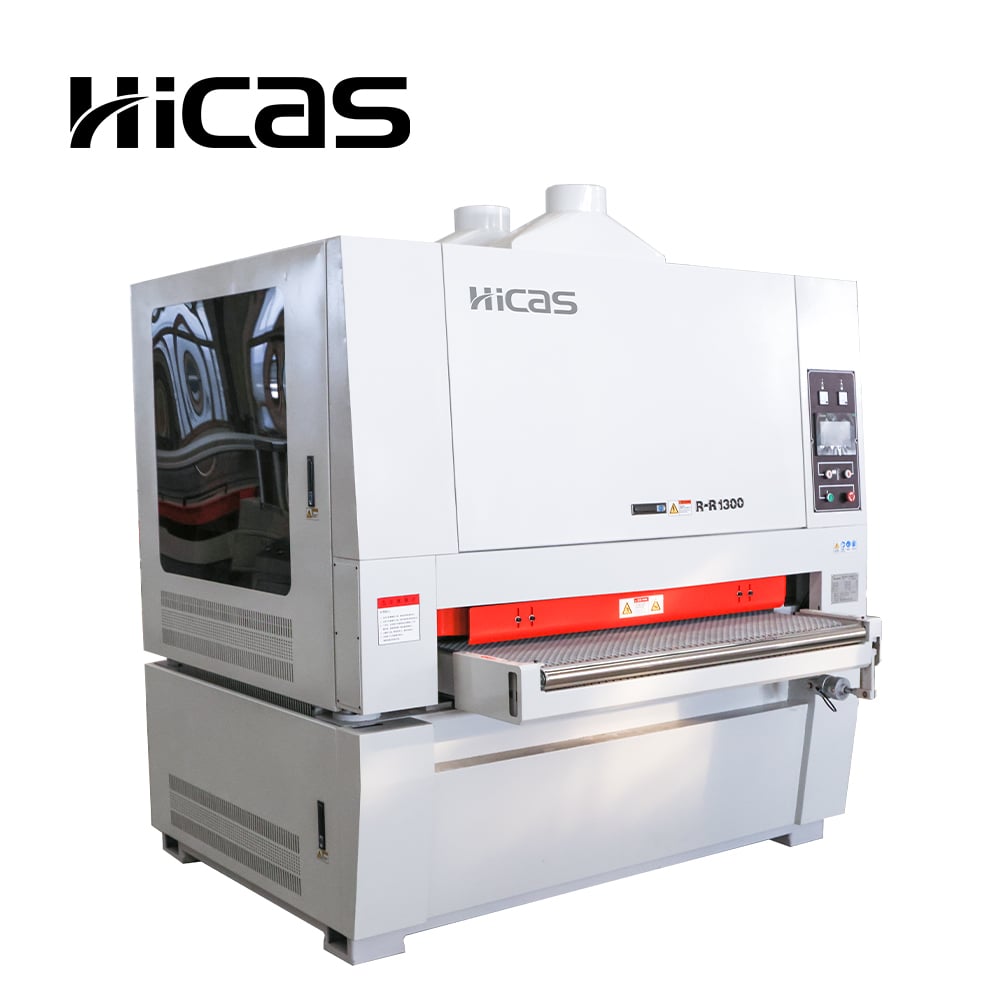
A wood wide belt sander is one of the most significant investments a woodworking operation can make. Whether used in cabinet manufacturing, door production, or furniture finishing, a wood wide belt sander delivers consistent surface quality and high throughput. However, like all heavy industrial equipment, its performance and service life depend heavily on how well it is maintained and operated. Understanding the key factors that affect longevity helps operators protect that investment and avoid costly downtime.

Prolonging the lifespan of a wood wide belt sander is not a single action but a continuous discipline. It involves daily cleaning routines, correct belt management, proper machine calibration, and smart operational habits. Every wood wide belt sander has mechanical wear points that accumulate stress over time. By addressing these points proactively, operators can extend the useful life of a wood wide belt sander by years and reduce the frequency of expensive repairs or part replacements.
Daily and Weekly Maintenance Practices
Cleaning the Machine After Each Shift
Sawdust and fine wood particles are the hidden enemies of a wood wide belt sander. After each production shift, dust accumulates inside the machine frame, around the rollers, inside the conveyor track, and near the motor housing. If left unremoved, this buildup can cause overheating, abrasive wear on moving parts, and belt tracking errors. A wood wide belt sander should be cleaned thoroughly using compressed air and a soft brush after every shift, paying particular attention to the sanding head area and the dust extraction ports.
The conveyor belt on a wood wide belt sander also collects resin, adhesive residue, and fine particles that create uneven feeding pressure over time. Wiping the conveyor surface with an appropriate solvent-dampened cloth once per day prevents buildup. Keeping the wood wide belt sander clean is not just about appearance — it directly reduces mechanical friction and thermal stress across every moving component.
Lubricating Moving Components Regularly
Every wood wide belt sander relies on precisely lubricated bearings, rollers, and guide rails to operate smoothly. Under-lubrication leads to premature bearing failure and vibration, which in turn produces uneven sanding results. Follow the manufacturer's lubrication schedule strictly, applying the correct grade of grease or oil to each designated point. A wood wide belt sander that receives regular lubrication runs quieter, generates less heat, and maintains tighter mechanical tolerances over a longer service period.
Sanding Belt Care and Replacement Strategy
Choosing the Right Belt for the Application
The sanding belt is the primary consumable of a wood wide belt sander, and selecting the wrong belt accelerates wear on the machine itself. Using a belt with a grit level that is too coarse for the workpiece causes excessive vibration and strain on the sanding head. Using a belt that is too fine for heavy stock removal causes the belt to load quickly and overheat. Matching the belt specification to the material and the removal rate required keeps the wood wide belt sander operating within its designed load parameters, protecting the entire drive system.
Always inspect a new belt before installing it on a wood wide belt sander. Check for splicing defects, edge tears, or backing irregularities. A flawed belt that breaks mid-operation can damage the platen, contact drum, or tracking system of the wood wide belt sander. Storing spare belts flat in a dry, temperature-stable environment also prevents the belt backing from developing warping or stiffness that compromises tracking.
Monitoring Belt Tension and Tracking
Incorrect belt tension is one of the most common causes of premature belt failure and mechanical strain on a wood wide belt sander. A belt that is too tight places excess stress on the contact drum bearings and the machine frame. A belt that is too loose slips, heats unevenly, and causes erratic surface finishes. Check belt tension every time a new belt is installed on the wood wide belt sander, and re-verify tension after the first few minutes of operation as the belt seats itself. Proper tracking adjustment ensures the belt runs centered and stable, reducing edge wear and extending both belt and machine life.
Operational Habits That Extend Machine Life
Avoiding Overload and Incorrect Feed Rates
Operating a wood wide belt sander beyond its rated capacity is one of the fastest ways to shorten its lifespan. Feeding workpieces that are too thick without gradual depth reduction forces the motor and drive components to sustain load spikes that they are not designed to handle continuously. Always reduce sanding depth incrementally when processing hardwood or high-density MDF on a wood wide belt sander. Setting the correct feed rate for the material ensures steady chip clearance and prevents the belt from glazing or burning, which also leaves residue that clogs the machine interior.
Operators should also avoid starting a wood wide belt sander with a workpiece already positioned under the sanding head. Always allow the wood wide belt sander to reach full operating speed before introducing the first workpiece. This habit reduces startup torque stress and protects the motor contactor and drive belt from repeated impact loading.
Calibrating Pressure and Height Settings
Correct calibration of the sanding head pressure is essential for both surface quality and machine health. Too much downward pressure on a wood wide belt sander causes rapid belt wear, excessive heat, and stress on the height adjustment mechanism. Too little pressure results in inconsistent sanding and belt slip. Recalibrate the wood wide belt sander pressure settings whenever material thickness changes significantly or when a new belt type is introduced. Consistent calibration keeps the wood wide belt sander performing at its optimal efficiency point, which reduces wear across all load-bearing components.
FAQ
How often should I replace the belt on a wood wide belt sander?
Belt replacement frequency on a wood wide belt sander depends on the material being processed, the belt grit, and daily operating hours. In high-volume production using hardwood, belts may need replacement every few shifts. For lighter use on softer materials, a belt may last several days. Inspect the belt on your wood wide belt sander regularly for signs of glazing, edge cracking, or reduced cutting efficiency, and replace it before it causes damage to the machine.
What causes a wood wide belt sander to vibrate excessively?
Excessive vibration in a wood wide belt sander is typically caused by an unbalanced or damaged contact drum, improper belt tension, worn bearings, or a loose machine mounting. A damaged or poorly spliced belt can also create rhythmic vibration in a wood wide belt sander during operation. Inspect the drums, check all bearing points, and verify belt tracking and tension whenever unusual vibration appears. Unresolved vibration accelerates wear on every mechanical component of the wood wide belt sander.
Is dust extraction important for wood wide belt sander longevity?
Yes, effective dust extraction is critical to the long-term health of a wood wide belt sander. Without proper extraction, fine wood dust accumulates inside the machine, raises internal temperatures, and acts as an abrasive on bearings and seals. A well-connected dust extraction system keeps the wood wide belt sander cleaner internally, reduces fire risk from combustible dust, and allows the motor and belt to operate at lower temperatures. Checking extraction hose connections and filter condition regularly is a simple habit that significantly extends wood wide belt sander service life.