
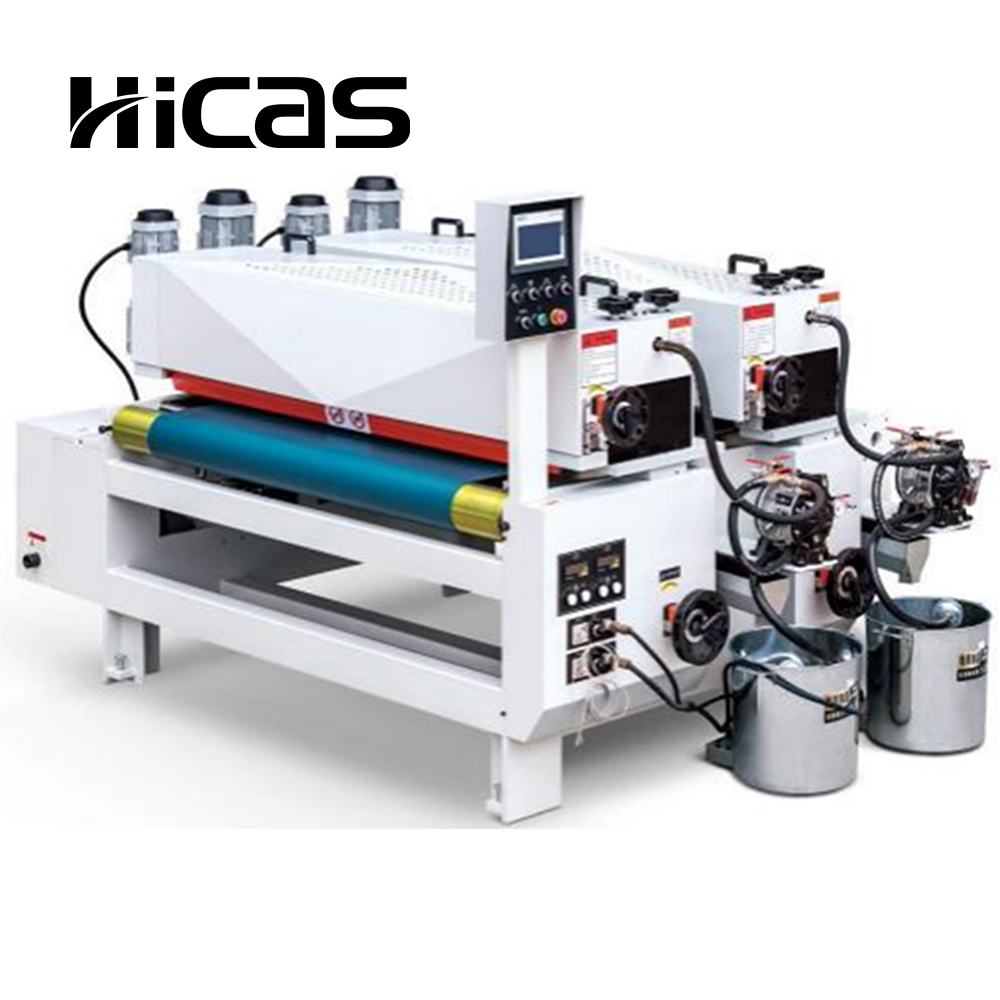
In modern wood processing facilities, the demand for stronger, longer-lasting boards has never been higher. wood coating machines have emerged as a foundational technology in achieving consistent, high-quality surface protection across large production volumes. These machines apply protective layers with precision and uniformity that manual methods simply cannot match, transforming how manufacturers approach board durability from the start of the production line.
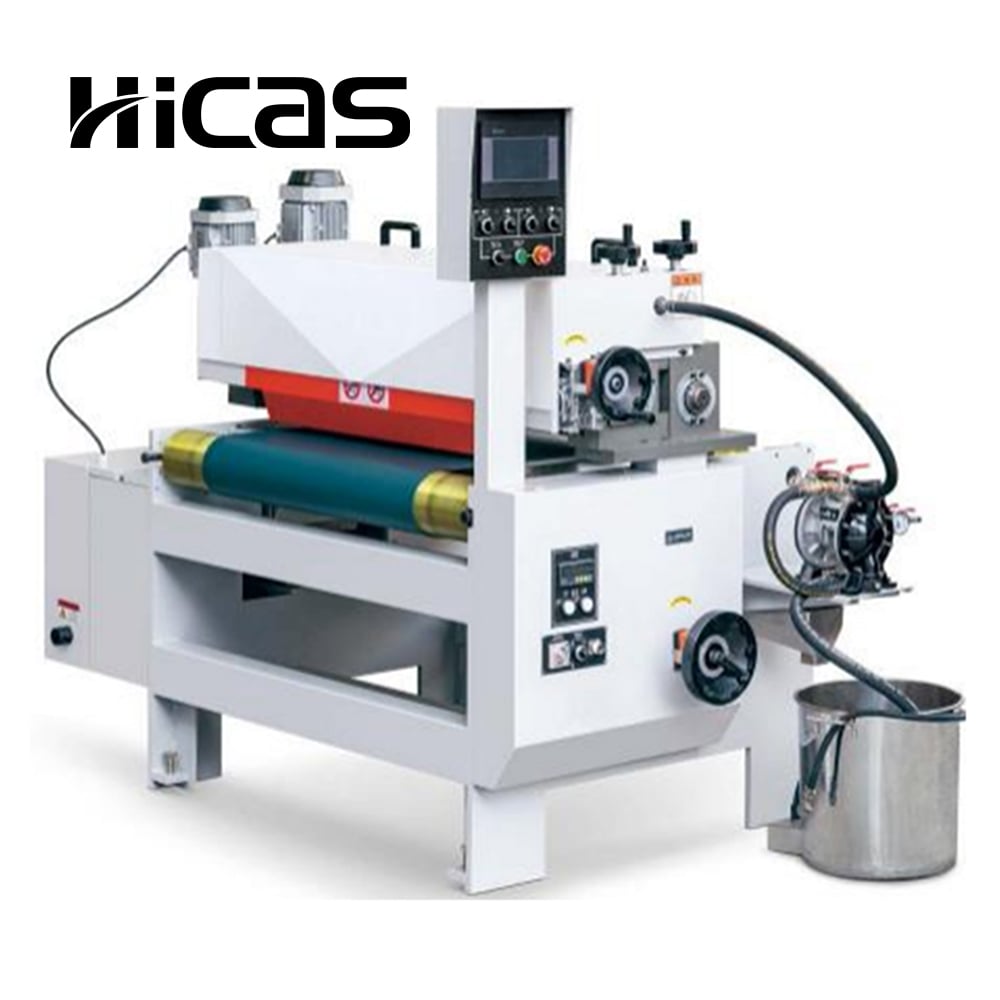
Wood coating machines are not merely about aesthetics. Their core function is to create a durable barrier on board surfaces that resists moisture, abrasion, chemical exposure, and environmental stress. As industries including furniture manufacturing, construction, and packaging continue to push for higher product standards, understanding why wood coating machines directly contribute to board longevity becomes essential for any serious wood processing operation.
The Science Behind Surface Protection in Wood Coating Machines
How Coating Layers Reinforce Board Structure
Wood coating machines apply coatings such as UV-cured resins, lacquers, and water-based sealants with controlled thickness and consistency. Each coating layer forms a bonded film that strengthens the board surface at a molecular level. When wood coating machines apply these layers evenly, the protective film minimizes the micro-cracks and porous gaps that typically allow moisture and contaminants to penetrate raw wood. The result is a board that resists warping, swelling, and surface degradation far more effectively than uncoated alternatives.
Modern wood coating machines use roller, spray, or curtain coating systems to ensure that every board receives the same volume of coating material at the same pressure and speed. This mechanical precision eliminates the variable coverage that characterizes hand-applied finishes. When coating thickness remains consistent across every board, the protective performance becomes predictable and reliable, which is essential for manufacturers supplying products with guaranteed durability specifications.
Moisture and Abrasion Resistance Through Precise Application
One of the most critical durability challenges for wood boards is moisture absorption. Wood coating machines seal the board surface to prevent water ingress that causes swelling, delamination, and mold growth. Industrial wood coating machines operating with UV-curing systems can harden the coating in seconds, creating an immediate and robust moisture barrier. This rapid curing also means boards exit the production line ready for use, reducing lead times without sacrificing surface integrity. Abrasion resistance follows the same logic: wood coating machines that apply hardened top coats significantly extend the operational life of boards used in high-traffic environments such as flooring panels, shelving, and industrial pallets.
Production Efficiency and Consistency With Wood Coating Machines
Automation Reduces Human Error in Coating Processes
Manual coating processes are inherently inconsistent. Operators apply varying amounts of coating, miss sections, or introduce surface defects through uneven brush or roller pressure. Wood coating machines eliminate these inconsistencies by automating feed speed, coating volume, and drying parameters. Every board passing through wood coating machines receives the same treatment under the same controlled conditions. This consistency is not just about product quality — it directly reduces waste caused by defective or under-protected boards that fail quality inspections downstream.
Automated wood coating machines also integrate seamlessly into continuous production lines. Boards move through coating, curing, and stacking stages without manual handling, reducing the risk of surface damage during processing. When wood coating machines operate as part of an integrated line, throughput increases dramatically while the rejection rate for surface defects drops. For manufacturers producing thousands of boards per shift, this operational efficiency translates directly into reduced per-unit costs and stronger competitive positioning.
Coating Uniformity Across Different Board Types
Wood coating machines are engineered to handle various board materials, including MDF, plywood, solid wood panels, and OSB. Adjustable settings allow operators to program wood coating machines for different substrate densities, surface textures, and coating viscosities. This adaptability means a single set of wood coating machines can serve multiple product lines without compromising the coating quality for any specific board type. The ability to maintain coating uniformity across diverse substrates is a significant advantage for manufacturers who supply multiple market segments simultaneously.
Long-Term Business Value of Investing in Wood Coating Machines
Reducing Product Failure Rates and Warranty Claims
Boards that leave the factory without adequate surface protection are vulnerable to premature failure in the field. Delamination, surface peeling, moisture damage, and structural weakening all trace back to insufficient or inconsistent coating application. Wood coating machines provide the level of surface protection that prevents these failure modes. Manufacturers who invest in quality wood coating machines see measurable reductions in product returns, warranty claims, and customer complaints related to surface durability. This directly protects brand reputation and reduces the financial costs associated with after-sale product issues.
Wood coating machines also support compliance with increasingly strict product quality standards in export markets. Many international buyers specify surface coating thickness and hardness requirements for wood products. Wood coating machines with digital control systems allow manufacturers to document and verify that every board meets these specifications, providing the traceability that modern supply chains demand. This capability positions wood coating machine users as reliable, compliant suppliers in competitive global markets.
Sustainability and Material Efficiency in Coating Operations
Modern wood coating machines are designed to minimize coating material waste. Recirculation systems in roller and curtain coaters return excess coating for reuse, reducing raw material consumption. UV-curing wood coating machines eliminate the need for solvent-based coatings that generate volatile organic compound emissions, supporting environmental compliance goals. By using wood coating machines that are both material-efficient and environmentally responsible, manufacturers reduce operational costs while meeting the sustainability expectations of their customers and regulatory bodies. This dual benefit makes investment in modern wood coating machines financially sound and strategically aligned with long-term business goals.
FAQ
What types of coatings can wood coating machines apply?
Wood coating machines can apply a wide range of surface treatments including UV-cured resins, water-based lacquers, oil-based finishes, and polyurethane coatings. The choice of coating depends on the intended application, substrate material, and durability requirements of the finished board.
How do wood coating machines improve production output?
Wood coating machines automate the application and curing stages of board finishing, allowing continuous high-speed processing without manual intervention. This automation increases throughput, reduces labor requirements, and minimizes surface defect rates, all of which improve overall production output and cost efficiency.
Are wood coating machines suitable for small-scale manufacturers?
Yes, wood coating machines are available in a range of sizes and capacities designed to suit both large industrial operations and smaller manufacturing facilities. Compact wood coating machines offer the same precision and consistency as larger models, making quality surface protection accessible to manufacturers at various production scales.