
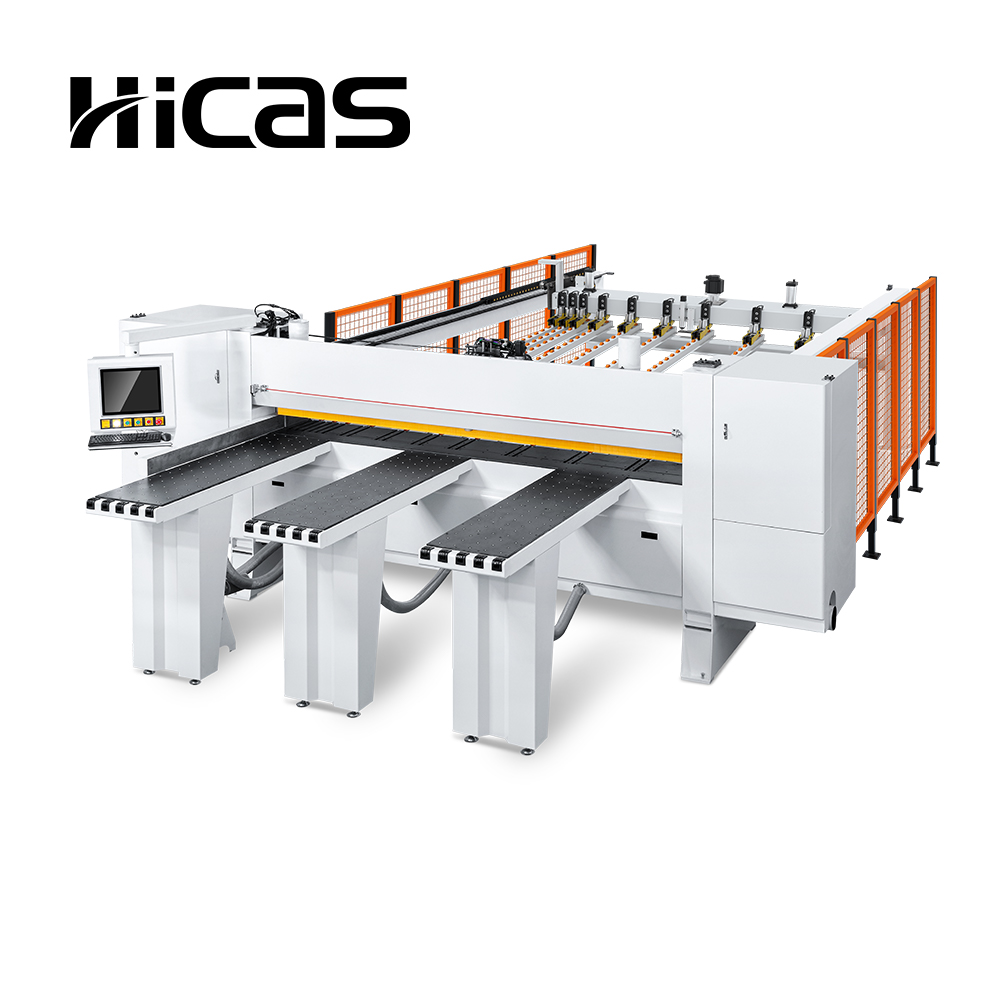
In high-volume timber processing, every board matters. A well-configured crosscut power saw is one of the most decisive tools a mill or woodworking facility can invest in when the goal is to extract maximum usable material from each log or plank. The difference between acceptable yield and exceptional yield often comes down to the accuracy, speed, and consistency of the cutting equipment in use. Understanding how to leverage a crosscut power saw effectively can translate directly into measurable gains in both material efficiency and production output.
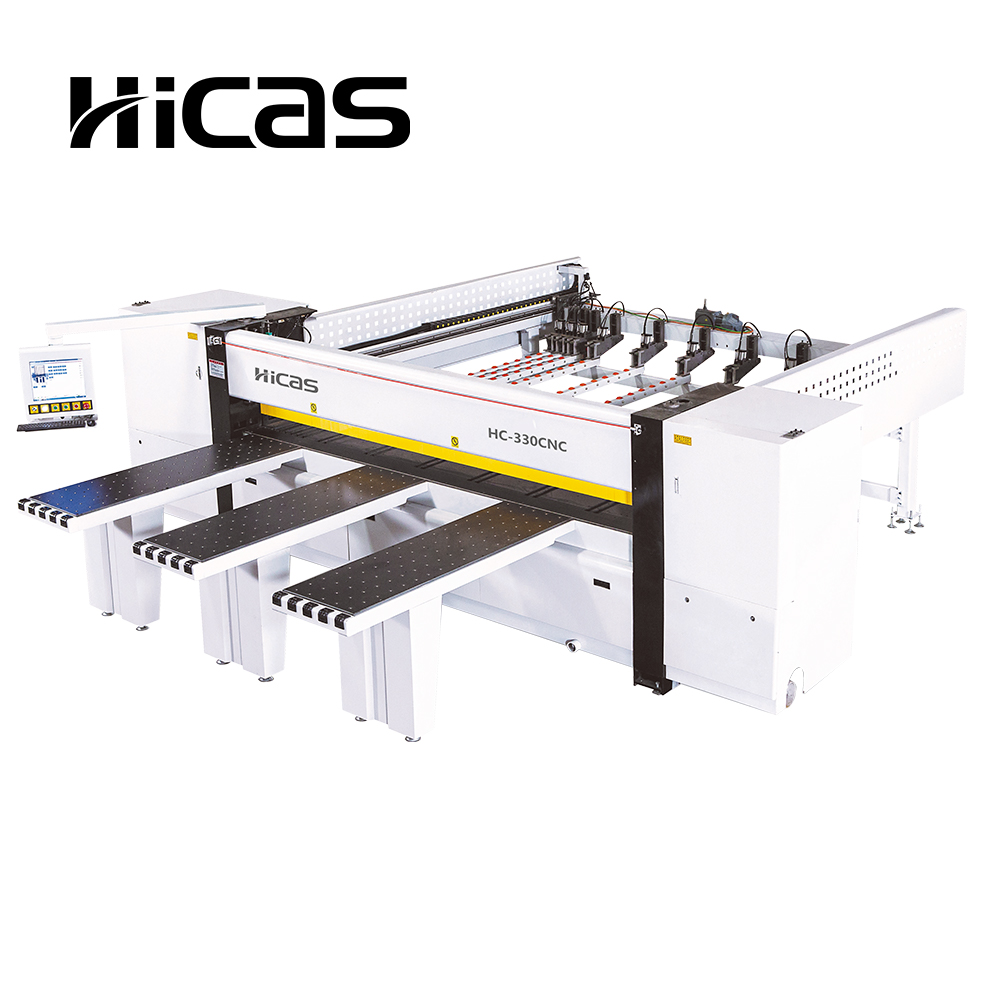
Timber yield is not simply about how much wood enters the process — it is about how much usable lumber exits. A crosscut power saw that delivers clean, precise cuts at consistent lengths minimizes waste, reduces rework, and keeps downstream operations running smoothly. Industrial facilities that optimize their crosscut power saw setup and workflow often report significant reductions in offcut waste and labor hours. This article examines the key factors that determine how a crosscut power saw contributes to maximizing timber yield across different operational scenarios.
Precision Cutting and Its Direct Impact on Yield
Why Accuracy Defines Material Recovery
The fundamental promise of a crosscut power saw is dimensional consistency. When a crosscut power saw produces cuts that are precisely aligned to specification, the resulting boards require less trimming, sanding, or correction. In high-throughput environments, even a few millimeters of deviation per cut adds up to significant material loss across thousands of cycles. A crosscut power saw with accurate stop systems and stable blade geometry ensures that each piece is cut to its intended length the first time, preserving more usable wood per run.
Modern industrial crosscut power saw models incorporate digital positioning systems, pneumatic stop fences, and programmable length sequences. These features remove reliance on manual measurement, which is a common source of cutting errors. When operators can trust the crosscut power saw to hold repeatable tolerances, they can confidently process higher volumes without sacrificing quality. Precision is the foundation upon which all yield optimization strategies are built.
Blade Selection and Cut Quality
The blade mounted on a crosscut power saw has a direct effect on surface quality and material loss per cut. A crosscut power saw equipped with a fine-tooth carbide blade produces cleaner kerf edges and reduces tear-out, meaning less material must be removed during finishing. Kerf width also matters — a thinner kerf means less wood is turned into sawdust with every pass of the crosscut power saw. Selecting the appropriate blade geometry for the species and thickness being processed is a straightforward but often overlooked step in maximizing timber yield.
Feed System Efficiency and Throughput Optimization
Automatic Feeding for Consistent Performance
An automatic feeding crosscut power saw dramatically improves throughput compared to manual positioning. With an auto-feed crosscut power saw, boards are advanced to the cutting zone at a controlled pace, eliminating the inconsistencies introduced by hand-feeding. This consistency is critical for yield because it ensures that each board is positioned accurately before the crosscut power saw executes the cut. Fewer misalignments mean fewer unusable offcuts and less wasted material at the ends of each piece.
Automatic feeding also reduces operator fatigue, which is a factor that directly influences cutting accuracy over long shifts. When a crosscut power saw handles material advancement automatically, operators can focus on quality monitoring rather than manual loading. This division of responsibility makes the overall crosscut power saw system more reliable and productive. For facilities running multiple shifts, an automatic-feed crosscut power saw maintains consistent performance throughout the production day.
Cycle Time Reduction and Batch Efficiency
A crosscut power saw that cuts faster without sacrificing accuracy allows more boards to be processed per shift. Reducing cycle time on a crosscut power saw is not just about speed — it is about eliminating unnecessary pauses, positioning delays, and adjustment downtime. When a crosscut power saw is integrated into a streamlined workflow, with infeed and outfeed conveyors matched to its pace, the entire line operates at higher efficiency. More efficient cycles mean more timber processed from the same volume of raw material, which is the core of yield maximization.
Operational Setup and Workflow Strategies
Optimizing Cutting Sequences for Minimal Waste
A critical but underappreciated strategy for maximizing timber yield with a crosscut power saw is planning the cut sequence intelligently. Rather than cutting all boards to a single standard length, a well-programmed crosscut power saw can execute variable-length sequences that extract usable pieces from sections that would otherwise be discarded. Some crosscut power saw systems support optimizer software that calculates the most efficient combination of cut lengths from each incoming board, maximizing the total usable output.
This approach requires a crosscut power saw capable of rapid stop repositioning and programmable multi-length sequences. When the crosscut power saw can adapt its cut pattern to the actual length of each incoming board, less material is sacrificed to fixed-length offcuts. Optimizer-driven crosscut power saw setups are particularly valuable when processing irregular or reclaimed timber where board lengths vary unpredictably. Investing in a crosscut power saw with this capability pays dividends in reduced material costs over time.
Maintenance and Calibration for Long-Term Yield Performance
Even the most capable crosscut power saw will produce suboptimal results if it is not maintained to specification. Blade sharpness, fence alignment, and feed roller condition all affect the cut quality a crosscut power saw delivers over time. A crosscut power saw that drifts out of calibration introduces incremental errors that compound across large production volumes. Establishing a regular maintenance schedule for the crosscut power saw ensures that precision is maintained and yield performance does not degrade between major service intervals.
Operators should also monitor the crosscut power saw for signs of vibration, uneven blade wear, or inconsistent stop positioning, as these are early indicators that calibration is needed. A proactive approach to crosscut power saw maintenance protects the yield gains achieved through optimized cutting sequences and precise setup. The crosscut power saw is only as reliable as the condition of its components, making maintenance an essential part of any yield maximization strategy.
FAQ
What makes a crosscut power saw better for yield than a manual saw?
A crosscut power saw delivers consistent, repeatable cuts with minimal deviation, whereas manual saws are subject to human error and fatigue. The precision and speed of a crosscut power saw reduce offcut waste and rework, resulting in higher usable material recovery per board processed.
How does blade type affect timber yield on a crosscut power saw?
The blade used on a crosscut power saw determines kerf width, surface finish, and tear-out level. A fine-tooth carbide blade on a crosscut power saw produces cleaner cuts with thinner kerfs, meaning less wood is lost as dust and less material needs to be removed during finishing, directly improving overall yield.
Can a crosscut power saw handle variable-length cutting for yield optimization?
Yes. Advanced crosscut power saw models with programmable stop systems and optimizer software can execute variable-length cut sequences tailored to each board. This allows the crosscut power saw to extract the maximum number of usable pieces from boards of different input lengths, significantly reducing waste in high-volume operations.