
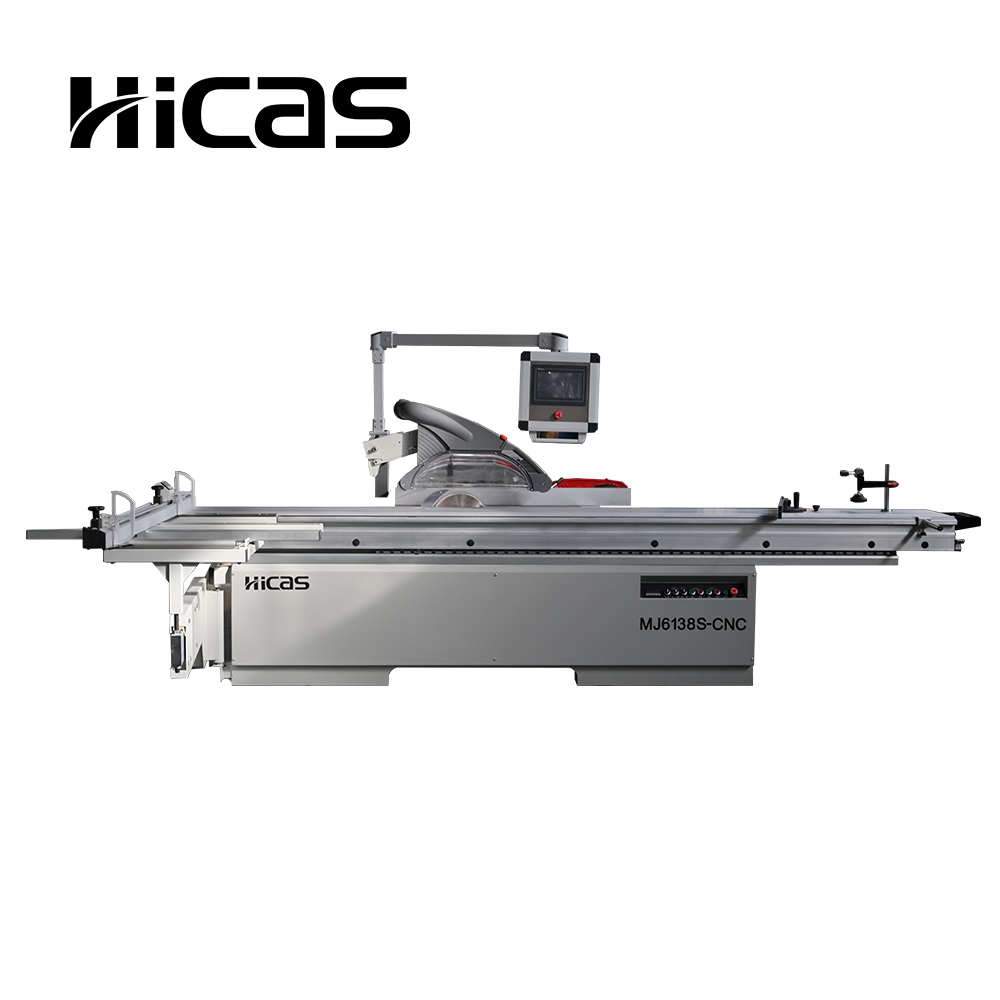
Choosing the right crosscut power saw for a production environment that handles varied board widths is one of the most consequential equipment decisions a woodworking or lumber-processing operation can make. A crosscut power saw that performs well on narrow stock may struggle significantly when wider boards enter the workflow. Understanding the specific demands of your material range before committing to a machine saves time, reduces waste, and protects your investment over the long term.
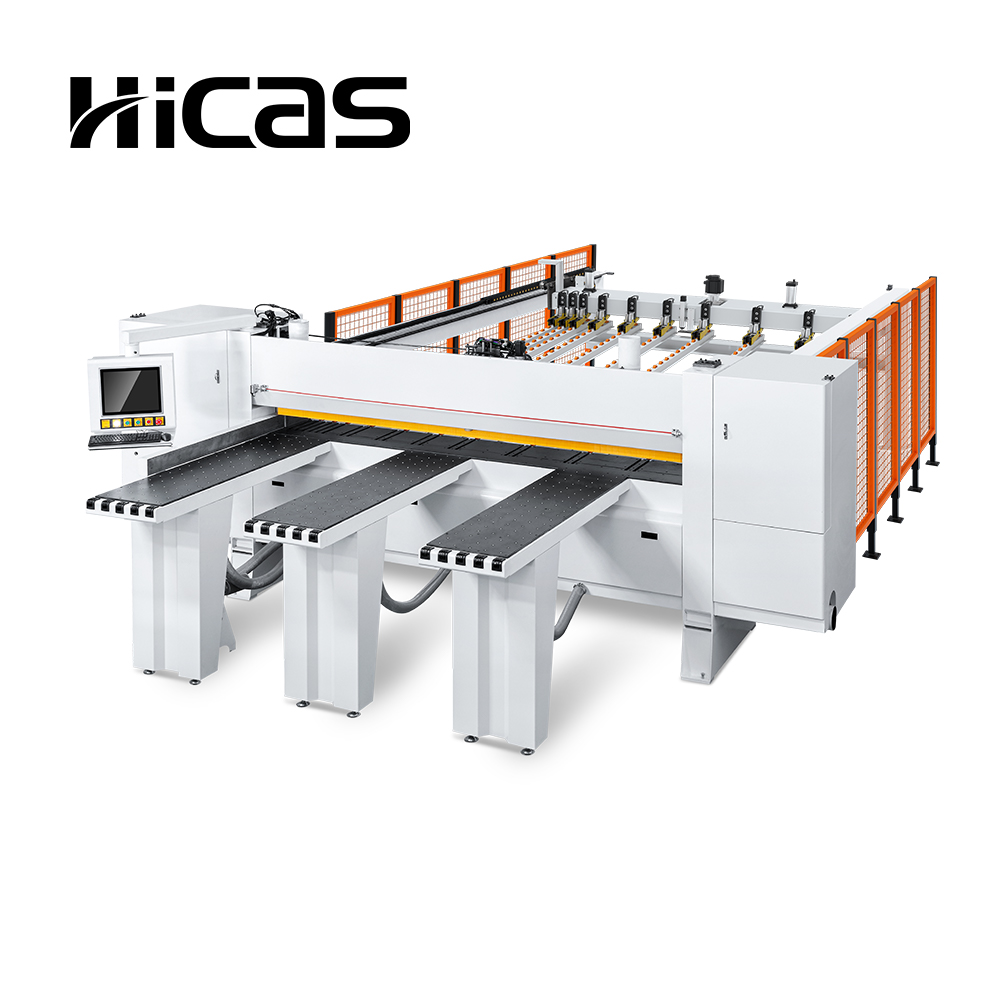
A crosscut power saw must deliver consistent accuracy regardless of whether it is trimming a narrow 50mm board or squaring off a wide 600mm panel. The range of board widths in your typical production run directly shapes which crosscut power saw configuration suits your facility. This article examines the critical selection factors so you can match the right crosscut power saw to your actual operational requirements.
Cutting Capacity and Board Width Range
Maximum Cutting Width as a Primary Specification
The maximum cutting width of a crosscut power saw is the first specification to evaluate when your production involves varied board widths. Every crosscut power saw carries a rated maximum width capacity, and operating near or beyond that limit introduces alignment errors, blade stress, and poor surface finish. When selecting a crosscut power saw, always ensure the rated maximum width exceeds your widest board by a comfortable margin rather than matching it exactly.
A crosscut power saw designed for a wide cutting range typically features a longer blade stroke or a larger blade diameter. These design elements allow the crosscut power saw to handle broad panels without requiring multiple passes. If your operation regularly processes boards in a wide variety of widths, a crosscut power saw with an extended stroke mechanism provides far more flexibility than a compact model sized for narrow stock only.
Blade Diameter and Its Relationship to Width Capacity
Blade diameter directly influences how wide a board a crosscut power saw can handle in a single pass. A crosscut power saw fitted with a larger-diameter blade can clear more material width while maintaining the correct cutting angle and depth. When the blade is undersized relative to the board width, the crosscut power saw must be repositioned mid-cut, which compromises squareness and dimensional accuracy. Matching blade diameter to your maximum board width is therefore a non-negotiable step in the selection process for any crosscut power saw.
Feed System Design for Width Variability
Automatic vs. Manual Feed Mechanisms
The feed system on a crosscut power saw determines how efficiently and safely boards of different widths move through the cutting zone. A manual-feed crosscut power saw demands that operators physically position each board, which is manageable for a narrow width range but becomes laborious and inconsistent when boards vary significantly. An automatic-feed crosscut power saw uses motorized rollers or clamp systems to advance material, maintaining consistent pressure and positioning across the full width of each board.
For operations where board width varies frequently within a single shift, an automatic-feed crosscut power saw reduces setup time between cuts and lowers the risk of operator-related positioning error. The feed pressure on an automatic crosscut power saw must be adjustable so that narrower boards receive sufficient hold-down force without being damaged, while wider boards remain stable throughout the cut cycle. Evaluating the feed system range is therefore just as important as evaluating the cutting width when selecting a crosscut power saw.
Infeed and Outfeed Support for Wide Boards
Wide boards exert significant cantilever force on the cutting table of a crosscut power saw if infeed and outfeed support is inadequate. A well-designed crosscut power saw includes extended roller tables or adjustable support stands that prevent wide boards from tipping or flexing during the cut. This structural support feature is often overlooked during selection but has a direct impact on cut quality and operator safety when a crosscut power saw processes material at the upper end of its width capacity.
Precision, Repeatability, and Stop Systems
Stop and Positioning Systems for Dimensional Consistency
When a crosscut power saw handles boards of varied widths, the stop and positioning system must accommodate different board profiles without requiring manual recalibration for every change. A programmable stop system on a crosscut power saw allows operators to pre-set multiple cut lengths and board configurations, cycling through them rapidly as different widths arrive at the cutting station. This capability transforms a crosscut power saw from a single-purpose tool into a flexible production asset.
A crosscut power saw equipped with a digital readout or CNC-style stop controller maintains dimensional repeatability across long production runs. Mechanical wear on manual stop systems causes drift over time, which means a crosscut power saw relying solely on physical stops accumulates tolerance errors as production volume increases. Investing in a crosscut power saw with a robust electronic positioning system pays dividends in reduced rework and tighter part tolerances.
Blade Alignment and Squareness Across the Full Width
A crosscut power saw must hold perfect square alignment across its entire cutting width, not just at the center of the blade path. When a crosscut power saw cuts a narrow board, minor alignment errors may remain invisible in the finished part. However, the same alignment error on a wide board produces a visibly skewed end cut that fails dimensional inspection. Before purchasing a crosscut power saw, verify that the manufacturer specifies squareness tolerance across the full rated cutting width, not just a partial measurement.
Regular calibration procedures for a crosscut power saw should include squareness checks at both the near and far edges of the cutting table. A crosscut power saw that holds consistent squareness across its full width capacity is mechanically superior and more suitable for demanding production environments where varied board widths are the norm rather than the exception.
FAQ
What cutting width range should a crosscut power saw cover for general woodworking?
For general woodworking operations handling varied board widths, a crosscut power saw should ideally cover a range from approximately 50mm up to at least 600mm. This ensures the crosscut power saw can handle both narrow trim pieces and wide panels without requiring a separate machine or multiple passes on the same board.
How does feed speed affect crosscut power saw performance on wide boards?
Feed speed affects surface finish and blade load on a crosscut power saw. When cutting wider boards, a crosscut power saw requires a slightly reduced feed rate to allow the blade to clear the greater material volume cleanly. An adjustable feed speed on a crosscut power saw is therefore an important feature for operations where board width varies regularly.
Can a crosscut power saw with a fixed stop handle varied board widths efficiently?
A crosscut power saw with only a fixed stop can handle varied board widths, but it requires manual repositioning between different board sizes, which slows production. A crosscut power saw fitted with a programmable or multi-position stop system significantly improves throughput when board widths change frequently during a production shift.