
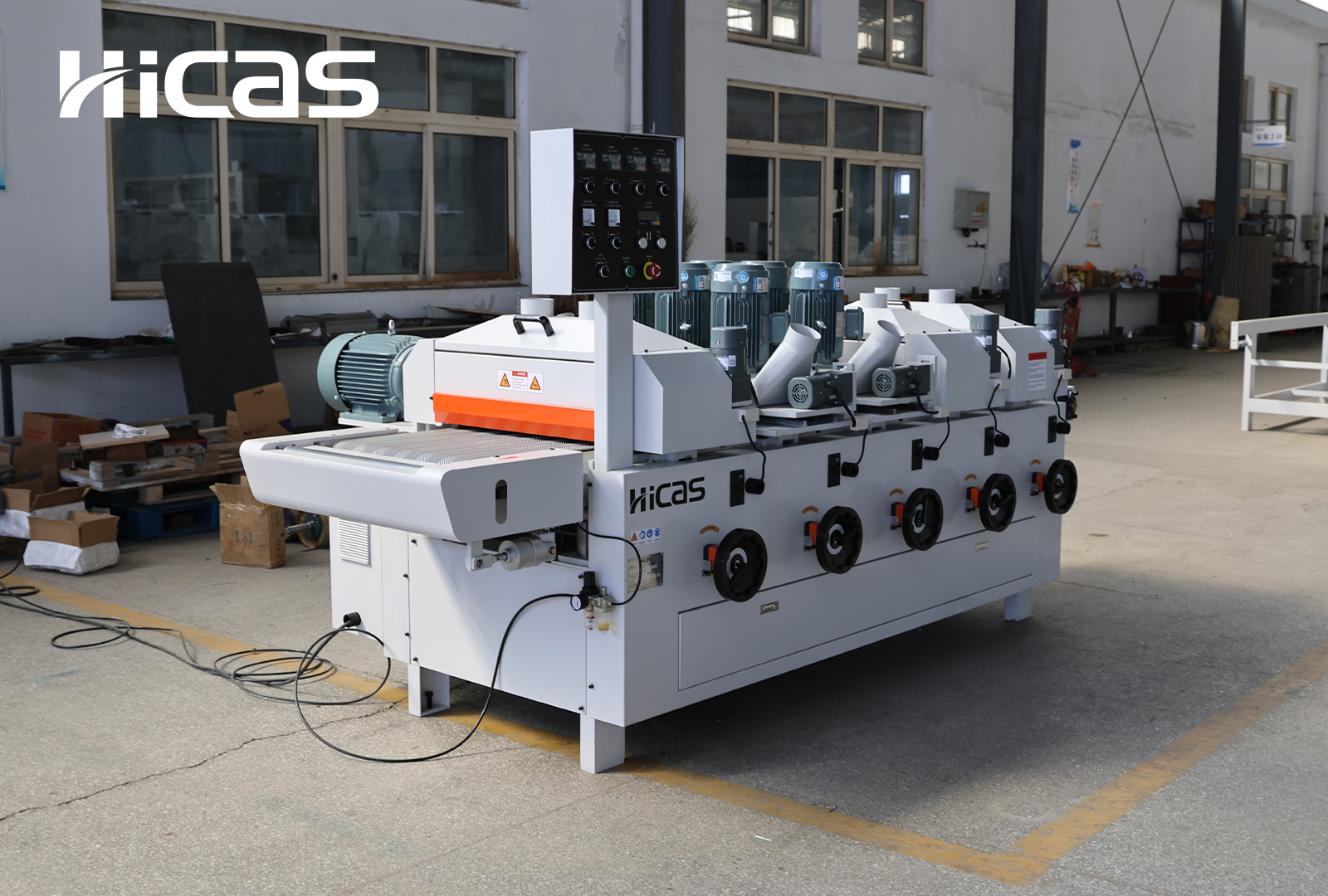
In competitive wood manufacturing, labor cost is one of the largest and most controllable expenses on the shop floor. An automatic sanding machine for wood directly addresses this pressure by replacing time-intensive manual sanding with a consistent, high-speed mechanical process. Workshops that adopt an automatic sanding machine for wood report faster cycle times, fewer rework incidents, and a measurable drop in per-unit labor expense. Understanding how this equipment achieves those results helps production managers make confident investment decisions.
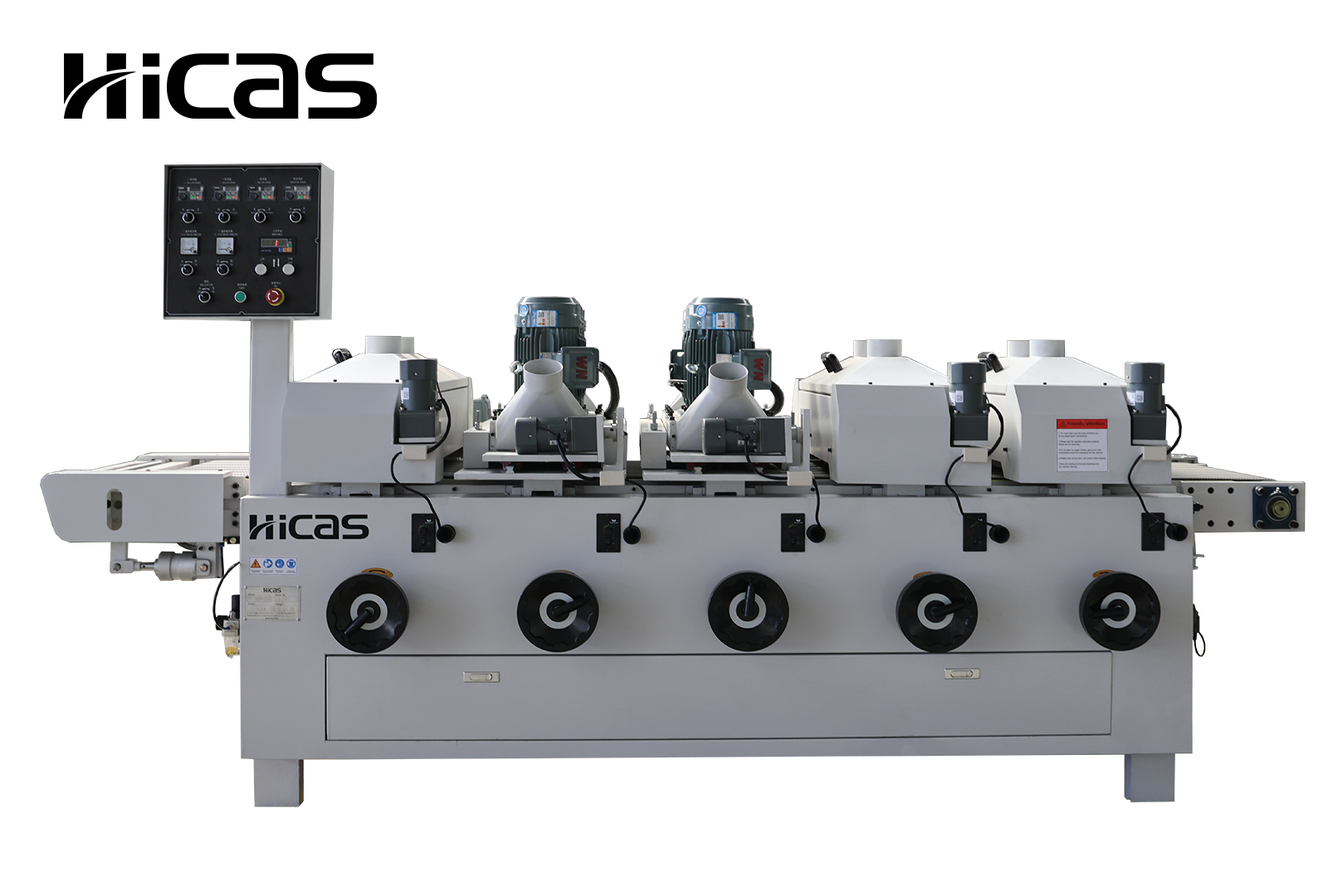
Every automatic sanding machine for wood is engineered to feed, abrade, and finish panels or components with minimal human intervention. Whether a facility produces wood doors, cabinets, or flat furniture panels, an automatic sanding machine for wood standardizes the surface preparation step so that operators spend time on higher-value tasks rather than repetitive hand sanding. This article breaks down the core mechanisms, the direct labor-saving logic, and the practical factors to evaluate when selecting an automatic sanding machine for wood for your production line.
How an Automatic Sanding Machine for Wood Replaces Manual Labor
The Mechanical Workflow That Removes Hand Sanding
A conventional automatic sanding machine for wood uses a motorized conveyor to move workpieces through one or more abrasive stations at a controlled feed speed. Wide-belt heads, brush heads, or combined units apply consistent pressure across the full width of each panel. Because the automatic sanding machine for wood regulates contact pressure, belt speed, and feed rate electronically, a single operator can monitor multiple pieces passing through the machine simultaneously, something impossible with hand tools. This multiplier effect is the primary driver of labor reduction.
When a facility runs an automatic sanding machine for wood on a single shift, it can process volumes that would otherwise require three to five hand sanders working the same hours. The automatic sanding machine for wood does not slow down due to fatigue, and it applies the same grit sequence every cycle. This repeatability eliminates the supervisory overhead associated with checking manual sanding quality on every batch, which is itself a hidden labor cost that many managers overlook.
Reducing Rework Through Consistent Surface Quality
Inconsistent sanding by hand creates swirl marks, uneven stock removal, and surface variation that forces downstream rework before finishing. An automatic sanding machine for wood removes these inconsistencies by maintaining calibrated abrasive contact throughout the full panel surface. Rework in a finishing line is expensive because it consumes both labor hours and coating materials. By deploying an automatic sanding machine for wood earlier in the process, manufacturers cut the rework loop almost entirely, which compounds the labor savings beyond the sanding station itself.
Key Labor-Cost Advantages of an Automatic Sanding Machine for Wood
Operator-to-Output Ratio and Staffing Flexibility
One of the most direct benefits of an automatic sanding machine for wood is the improvement in the operator-to-output ratio. A well-configured automatic sanding machine for wood allows one trained operator to load, monitor, and unload the machine while it runs, whereas manual sanding demands dedicated personnel for every workpiece. This staffing flexibility means that a production manager can redeploy saved labor hours toward assembly, quality inspection, or packaging, increasing overall throughput without adding headcount. The automatic sanding machine for wood effectively stretches the productive value of every employee on the floor.
For facilities running multiple shifts, the automatic sanding machine for wood scales labor savings further. Night shifts that previously required a full sanding crew can be managed by one or two operators overseeing an automatic sanding machine for wood. Over a fiscal year, this reduction in shift staffing translates into a significant decrease in wage costs, overtime premiums, and benefits expenditure related to the sanding stage of production.
Abrasive Consumption and Indirect Labor Savings
An automatic sanding machine for wood also reduces the indirect labor associated with abrasive management. Manual sanding burns through sandpaper quickly and inconsistently, requiring frequent changes and generating variable results. The automatic sanding machine for wood uses wide belts or brush heads that last significantly longer per unit of surface area processed. Fewer abrasive change intervals mean less downtime, less time spent by operators on consumable handling, and a lower cost per square meter of finished surface. These indirect savings add to the total labor-cost reduction delivered by the automatic sanding machine for wood.
Selecting the Right Automatic Sanding Machine for Wood to Maximize Savings
Matching Machine Configuration to Product Range
Not every automatic sanding machine for wood delivers the same return for every workshop. The configuration, whether wide-belt only, brush only, or a combined wide-belt and brush unit, must match the surface profiles and materials being processed. For flat panels such as MDF doors and cabinet fronts, a wide-belt automatic sanding machine for wood provides fast stock removal and a consistent scratch pattern ready for finish coating. For profiled or textured surfaces, a brush-head automatic sanding machine for wood follows contours without burning edges. Choosing the correct automatic sanding machine for wood for your product mix prevents costly abrasive waste and output quality problems that would negate the labor savings.
Feed Speed, Working Width, and Throughput Planning
When evaluating an automatic sanding machine for wood, feed speed and working width are the two specifications most directly tied to labor-cost reduction. A wider automatic sanding machine for wood handles broader panels in a single pass, cutting the number of passes and the time each piece spends in the machine. A faster feed rate on the automatic sanding machine for wood increases daily output capacity without adding staff. Production planners should calculate the required daily square meters of sanded surface and match that figure to the throughput rating of the automatic sanding machine for wood under consideration. Undersizing the automatic sanding machine for wood creates a bottleneck, while oversizing it may leave capacity idle and delay the return on investment.
Ease of parameter adjustment is another practical factor. An automatic sanding machine for wood with intuitive digital controls reduces the time operators spend setting up for different panel thicknesses or grit sequences. Faster changeovers on the automatic sanding machine for wood mean less non-productive time per shift and a higher proportion of each workday spent running product. This operational efficiency reinforces the primary labor-cost argument for investing in an automatic sanding machine for wood.
FAQ
How quickly can a facility recover the investment in an automatic sanding machine for wood?
Payback period depends on current labor costs, production volume, and shift patterns, but many mid-sized wood manufacturers recover the cost of an automatic sanding machine for wood within one to two years through direct labor reduction, lower rework rates, and decreased abrasive consumption. Higher-volume facilities often see faster payback because the automatic sanding machine for wood runs more hours and displaces more manual labor per period.
Does an automatic sanding machine for wood require highly skilled operators?
Modern automatic sanding machine for wood models are designed for straightforward operation. Most operators can learn to run an automatic sanding machine for wood effectively within a few days of hands-on training. The machine handles the sanding precision automatically, so the operator role shifts to loading, unloading, belt inspection, and basic parameter adjustments rather than requiring the craft skill needed for hand sanding.
Can an automatic sanding machine for wood handle different wood species and board thicknesses?
Yes. A well-designed automatic sanding machine for wood accommodates a range of wood species, MDF, plywood, and varying panel thicknesses through adjustable conveyor height and pressure settings. Operators set the thickness on the automatic sanding machine for wood control panel, and the machine self-adjusts the abrasive head gap accordingly. This flexibility makes the automatic sanding machine for wood suitable for mixed-product workshops without requiring separate machines for each material type.