
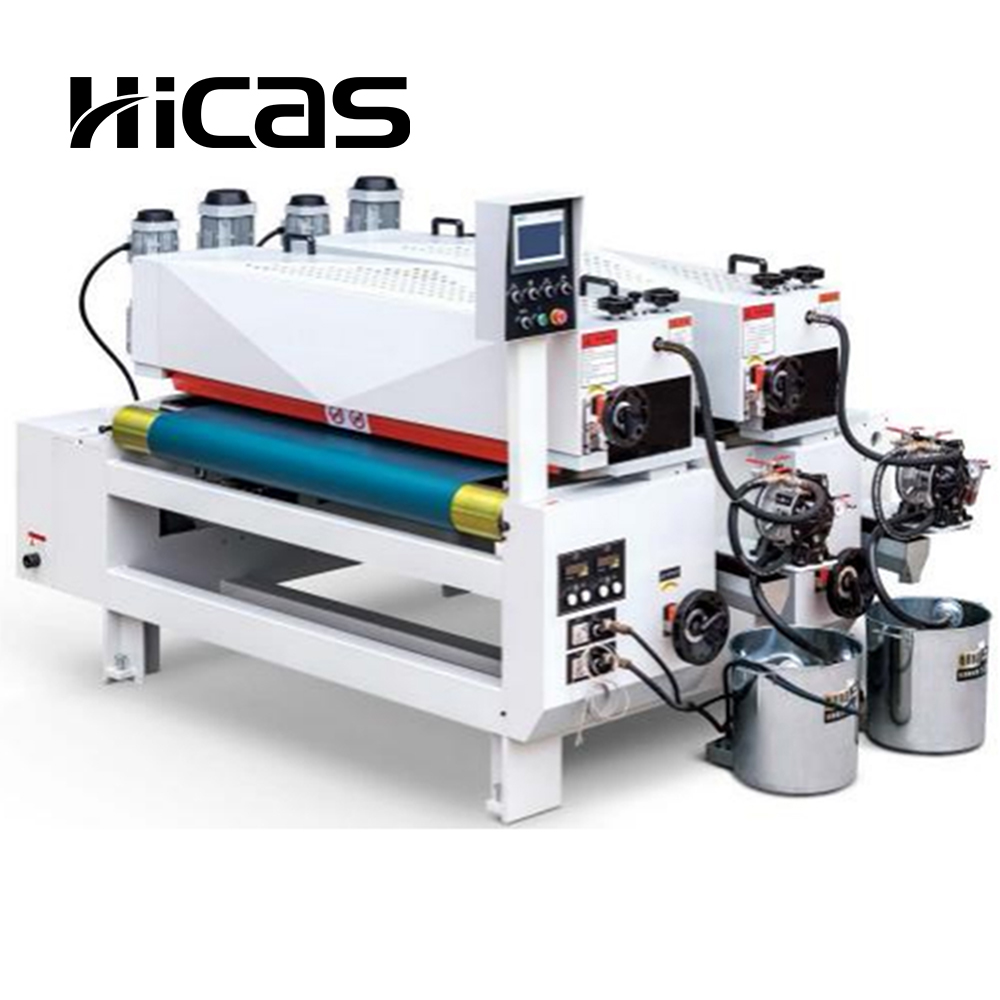
A roller coater machine paired with UV curing technology represents one of the most productive configurations in modern surface finishing. When a roller coater machine is combined with an inline UV curing unit, manufacturers gain precise control over coating thickness, cure speed, and finish quality. This integration is reshaping how furniture, flooring, and panel producers approach their coating workflows.
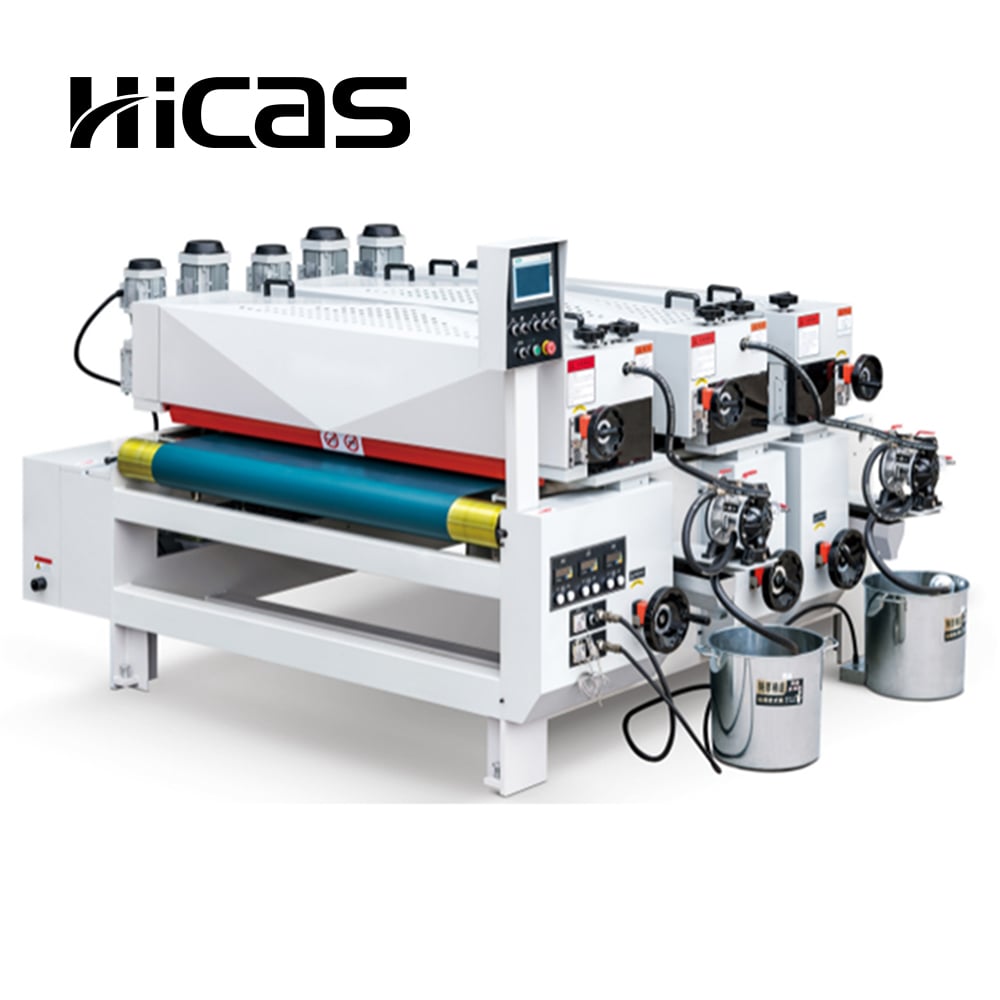
Understanding how a roller coater machine works alongside UV curing systems is essential for any production team considering an upgrade. A roller coater machine applies liquid coating material evenly across flat substrates at high throughput rates. When UV light is introduced immediately after the roller coater machine deposits the coating layer, the curing process happens in seconds rather than minutes, unlocking major efficiency gains across the entire line.
How a Roller Coater Machine Works with UV Curing
The Coating Application Stage
The roller coater machine applies coating material by transferring it from an applicator roller onto the substrate surface as panels move along the conveyor. A properly configured roller coater machine maintains consistent film thickness by controlling the gap between rollers and regulating coating viscosity. Whether the roller coater machine is applying primer, base coat, or topcoat, the goal is to deposit a uniform, bubble-free layer that will respond correctly to the UV curing stage.
A high-performance roller coater machine typically includes adjustable rollers, precise feed speed controls, and a doctor blade system to manage coating volume. These features allow operators to fine-tune the roller coater machine for different coating formulations, substrate textures, and desired gloss levels. The precision of the roller coater machine at this stage directly determines the quality of the cured finish downstream.
The UV Curing Stage After the Roller Coater Machine
Once the roller coater machine deposits the coating, the substrate moves immediately into the UV curing zone. UV lamps — typically medium-pressure mercury lamps or LED UV units — emit high-intensity light that triggers photoinitiators in the coating formulation. The roller coater machine and UV curing system must be synchronized so that the wet coating does not have time to run, sag, or pick up airborne contamination before it is cured solid.
This synchronization is a critical design consideration when integrating a roller coater machine with UV curing technology. The conveyor speed set by the roller coater machine must match the output power and exposure time of the UV lamps. When the roller coater machine and the UV unit operate at matched parameters, the result is a fully cured, hard surface finish within a compact line footprint.
Key Integration Benefits for Production Lines
Speed and Throughput Improvements
The most immediate advantage of integrating a roller coater machine with UV curing is dramatically reduced cycle time. A conventional roller coater machine using air-dry or thermal-cure coatings may require lengthy oven sections or extended hold times between coats. A UV-integrated roller coater machine eliminates most of that wait, allowing multiple coating passes — primer, sealer, topcoat — to be completed in a single continuous line pass.
For high-volume panel producers, this means the roller coater machine can process significantly more substrate area per shift without expanding floor space. The roller coater machine effectively becomes the bottleneck-breaker in the production sequence, enabling downstream operations such as cutting, packaging, and stacking to operate at full capacity without waiting on coating dwell times.
Finish Quality and Consistency
A roller coater machine integrated with UV curing consistently delivers superior surface hardness and chemical resistance compared to air-dry alternatives. Because the roller coater machine applies a controlled, thin film and the UV unit cures it almost instantaneously, there is minimal opportunity for dust contamination, solvent evaporation irregularities, or surface defects to develop. The roller coater machine produces a finish that is repeatable from the first panel of the day to the last.
Gloss uniformity is another direct benefit. The roller coater machine transfers coating material under mechanical pressure rather than relying on spray atomization, so orange peel and overspray variation are virtually eliminated. When the roller coater machine is calibrated correctly, the cured UV finish exhibits a smooth, glass-like surface that meets the exacting standards of furniture and flooring markets.
Practical Considerations When Integrating UV Tech
Coating Formulation Compatibility
Not all coatings are suitable for use in a UV-integrated roller coater machine setup. The roller coater machine requires UV-curable formulations that contain photoinitiators and are designed for roller application viscosity ranges. Water-based UV and solvent-free UV acrylates are common choices for a roller coater machine in furniture and flooring applications. Selecting the right formulation ensures the roller coater machine delivers the film weight needed for full UV cure without under- or over-application.
Operators should work with coating suppliers to validate that the chosen UV formulation is compatible with the roller coater machine roller materials, especially for elastomeric or chrome rollers. The roller coater machine rollers must not absorb, swell, or degrade when in contact with the UV coating chemistry. Testing compatibility before full production deployment protects the roller coater machine from premature wear and ensures consistent output quality.
Equipment Layout and Safety Requirements
Physically integrating a roller coater machine with a UV curing unit requires careful line layout planning. The roller coater machine and UV module must be aligned on a common conveyor frame to maintain substrate flatness and consistent travel speed. Shielding is essential because UV light exposure is hazardous to operators. Modern integrated roller coater machine systems include enclosed UV chambers with interlocked guards that prevent accidental light exposure during operation.
Ventilation is another factor. Even though UV-curable coatings used in a roller coater machine produce fewer volatile organic compounds than solvent-borne systems, ozone generated by mercury UV lamps must be safely exhausted. LED UV units paired with a roller coater machine generate significantly less ozone and heat, making them an increasingly preferred option for new roller coater machine line installations.
FAQ
What substrates can a roller coater machine with UV curing process?
A roller coater machine with inline UV curing is commonly used on flat panels including MDF, plywood, PVC foam board, solid wood, and engineered flooring planks. The roller coater machine is most effective on flat or slightly textured surfaces where even roller contact can be maintained across the full substrate width.
How fast does a roller coater machine run with UV integration?
Typical production speeds for a roller coater machine with UV curing range from 15 to 40 meters per minute depending on the coating layer, substrate type, and UV lamp power. A high-output roller coater machine line with multiple coating and curing stations can process thousands of square meters per shift under optimal conditions.
Can a roller coater machine apply both primer and topcoat in one pass?
A single roller coater machine unit applies one coating layer per pass, but a complete roller coater machine line can include multiple roller coater machine heads arranged in series. Each roller coater machine station applies a specific layer — primer, sealer, or topcoat — followed by a dedicated UV curing module, creating a fully integrated multi-coat line in a compact layout.