
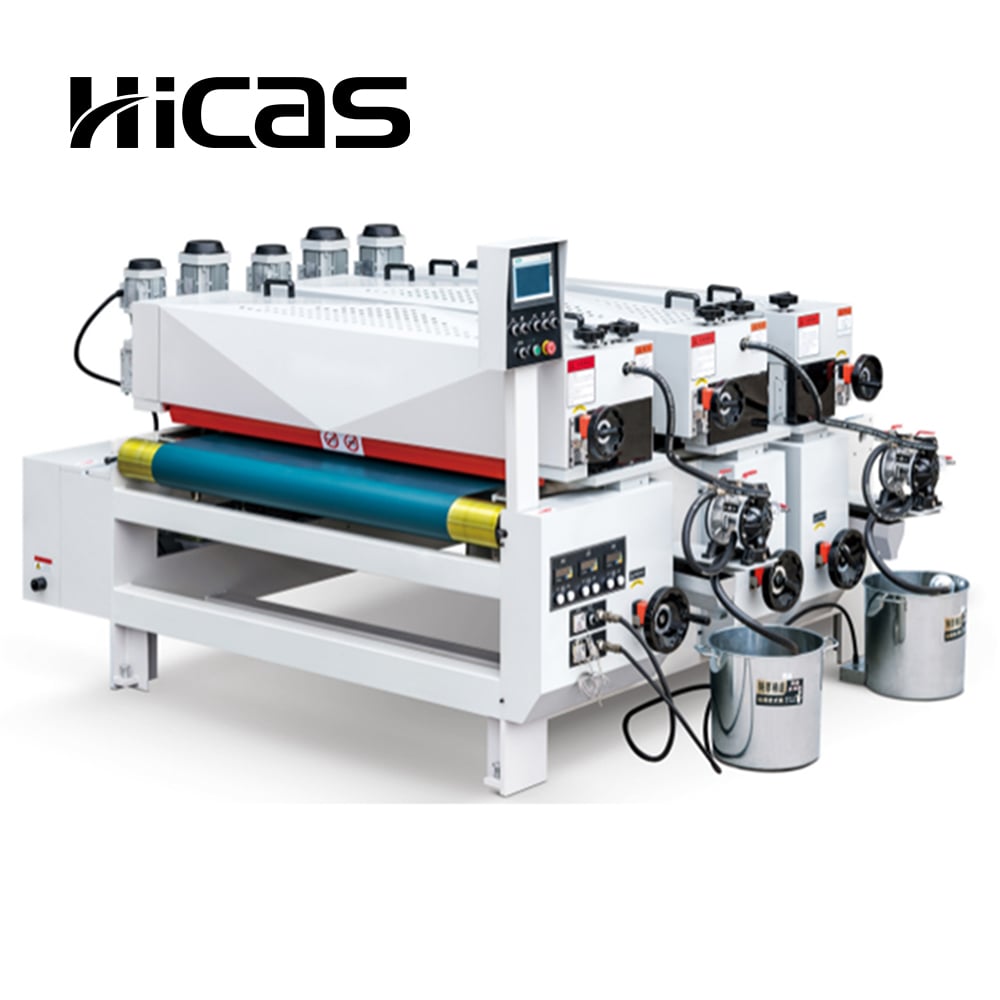
In modern surface finishing operations, the roller coater machine has become a foundational piece of equipment for any production line focused on base coat application. Whether the substrate is PVC furniture board, MDF, or engineered wood, the roller coater machine delivers consistent, uniform coating layers that manual or spray-only methods simply cannot replicate at production speed. As manufacturers demand higher throughput without sacrificing finish quality, the roller coater machine stands out as the most reliable solution for base coat optimization.
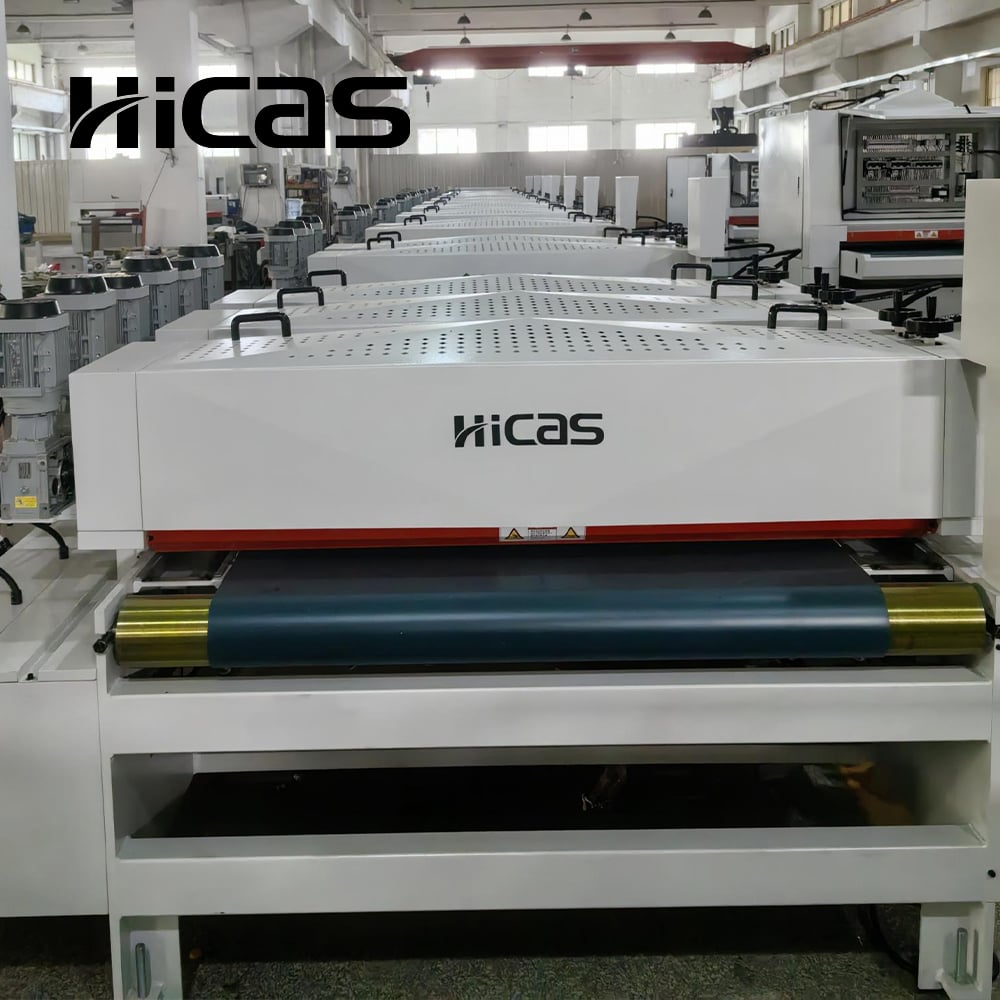
The logic behind using a roller coater machine in the base coat stage is rooted in precision and efficiency. A roller coater machine applies a metered amount of coating directly onto the substrate surface, ensuring each panel receives the same film thickness throughout an entire production run. This metering capability is what separates a roller coater machine from alternative application technologies and makes it the preferred choice when base coat performance determines the quality of every subsequent finishing layer. Understanding exactly why the roller coater machine optimizes the base coat line requires a closer look at three core pillars: film build control, production efficiency, and surface preparation quality.
Film Build Control and Coating Consistency
How the Roller Coater Machine Manages Film Thickness
One of the most critical factors in base coat application is achieving a controlled and repeatable film build. The roller coater machine accomplishes this through a precisely engineered roller gap system, where the spacing between the applicator roller and the metering roller determines exactly how much coating material is transferred to the substrate. When operators set the roller coater machine parameters correctly, every board passing through the line receives an identical base coat layer. This consistency is nearly impossible to achieve with spray systems operating under variable pressure and humidity conditions.
The roller coater machine also minimizes material waste. Because the coating is applied directly through roller contact rather than atomized into the air, overspray losses are eliminated. For high-volume base coat lines, this material efficiency translates directly into lower production costs per unit. The roller coater machine therefore optimizes not just the quality of the base coat but also the economics of every production run.
Uniform Coverage Across Panel Surfaces
Flat panel substrates benefit enormously from the roller coater machine because the roller geometry naturally follows the surface plane of each board. As a result, edge-to-edge base coat coverage is maintained without the thickness variation common in spray-applied coatings. The roller coater machine ensures that the base coat fills surface micropores and minor imperfections evenly, creating an ideal foundation for UV topcoats or further finishing layers. Consistent base coat coverage also means fewer rejected panels and less rework, both of which directly improve line profitability.
Production Efficiency and Line Integration
Speed Advantages of the Roller Coater Machine
A roller coater machine is engineered for continuous inline operation, making it a natural fit for automated base coat lines where panels move through sequentially. Unlike batch spray systems that require setup time between runs, the roller coater machine can sustain constant throughput once production parameters are established. Modern roller coater machine designs integrate seamlessly with conveyor systems, UV curing ovens, and sanding stations, allowing the entire base coat process to flow without manual intervention. This integration capability is a primary reason why production managers favor the roller coater machine when designing or upgrading their coating lines.
The roller coater machine also reduces labor dependency. Once calibrated, the roller coater machine operates with minimal operator involvement compared to hand-spray or brush application methods. Fewer operators are needed to manage the base coat stage, freeing skilled labor for quality control and downstream finishing tasks. In high-output facilities, the roller coater machine effectively scales base coat capacity without proportional increases in headcount.
Reducing Downtime in the Base Coat Stage
Downtime is a critical cost driver in any coating operation. The roller coater machine is designed with quick-clean roller systems and accessible mechanical components that make changeovers and maintenance faster than competing coating technologies. When a production line needs to switch between base coat formulations or coating colors, the roller coater machine can be cleaned and reconfigured more efficiently than spray booths, which require extensive purging and cleaning cycles. This reliability and maintainability make the roller coater machine a strategic asset for lines that run multiple shifts or handle diverse product ranges.
Surface Preparation Quality for Subsequent Coating Layers
The Base Coat as a Critical Foundation Layer
The base coat stage is not simply about color or coverage — it directly determines how well all subsequent topcoat and UV finish layers adhere to the substrate. A roller coater machine applied base coat creates a smooth, sealed surface layer that promotes strong intercoat adhesion. When the base coat is applied unevenly or with insufficient film build, topcoat layers may peel, blister, or show uneven gloss, leading to costly rework. The roller coater machine eliminates these risks by ensuring the base coat is always applied at the correct thickness and with uniform surface tension characteristics.
In PVC furniture board finishing lines in particular, the roller coater machine is essential because PVC surfaces have low surface energy, making proper base coat adhesion technically demanding. The roller coater machine applies the base coat with controlled pressure and speed, ensuring thorough contact between coating and substrate rather than relying on airborne droplet impaction as spray systems do. This mechanical contact mechanism is why the roller coater machine consistently outperforms spray application in base coat adhesion results on low-energy substrates.
Preparing the Surface for UV Curing Stages
UV coating lines depend heavily on the quality of the base coat layer applied by the roller coater machine. A smooth, pin-hole-free base coat surface produced by the roller coater machine allows UV topcoats to cure evenly and achieve full gloss or matte finish uniformity. Any defects introduced during the base coat stage — such as thin spots, ridges, or contaminants — will be amplified under UV curing and become visible in the final product. The roller coater machine prevents these defects by providing the most controlled, mechanically consistent base coat application method available for inline production environments.
FAQ
What types of substrates work best with a roller coater machine for base coat application?
The roller coater machine performs best on flat, rigid panel substrates such as MDF, PVC furniture board, HDF, and particleboard. These materials benefit most from the uniform film build and controlled pressure that the roller coater machine delivers. Highly textured or profiled surfaces may require a spray stage in combination with the roller coater machine for complete coverage.
How does a roller coater machine affect base coat material consumption?
The roller coater machine significantly reduces material consumption compared to spray application because there is no overspray or atomization loss. Coating is transferred directly from roller to substrate in a metered, controlled volume. This means the roller coater machine can reduce base coat material usage by a meaningful margin, contributing to lower raw material costs and a cleaner production environment.
Can a roller coater machine handle both water-based and UV base coat formulations?
Yes, the roller coater machine is compatible with a wide range of base coat formulations including water-based coatings, UV-curable primers, and solvent-based base coats. The key is selecting roller materials and cleaning procedures appropriate for the specific coating chemistry. Manufacturers of the roller coater machine typically provide guidance on roller hardness, speed settings, and gap calibration for each coating type to ensure optimal base coat results.