
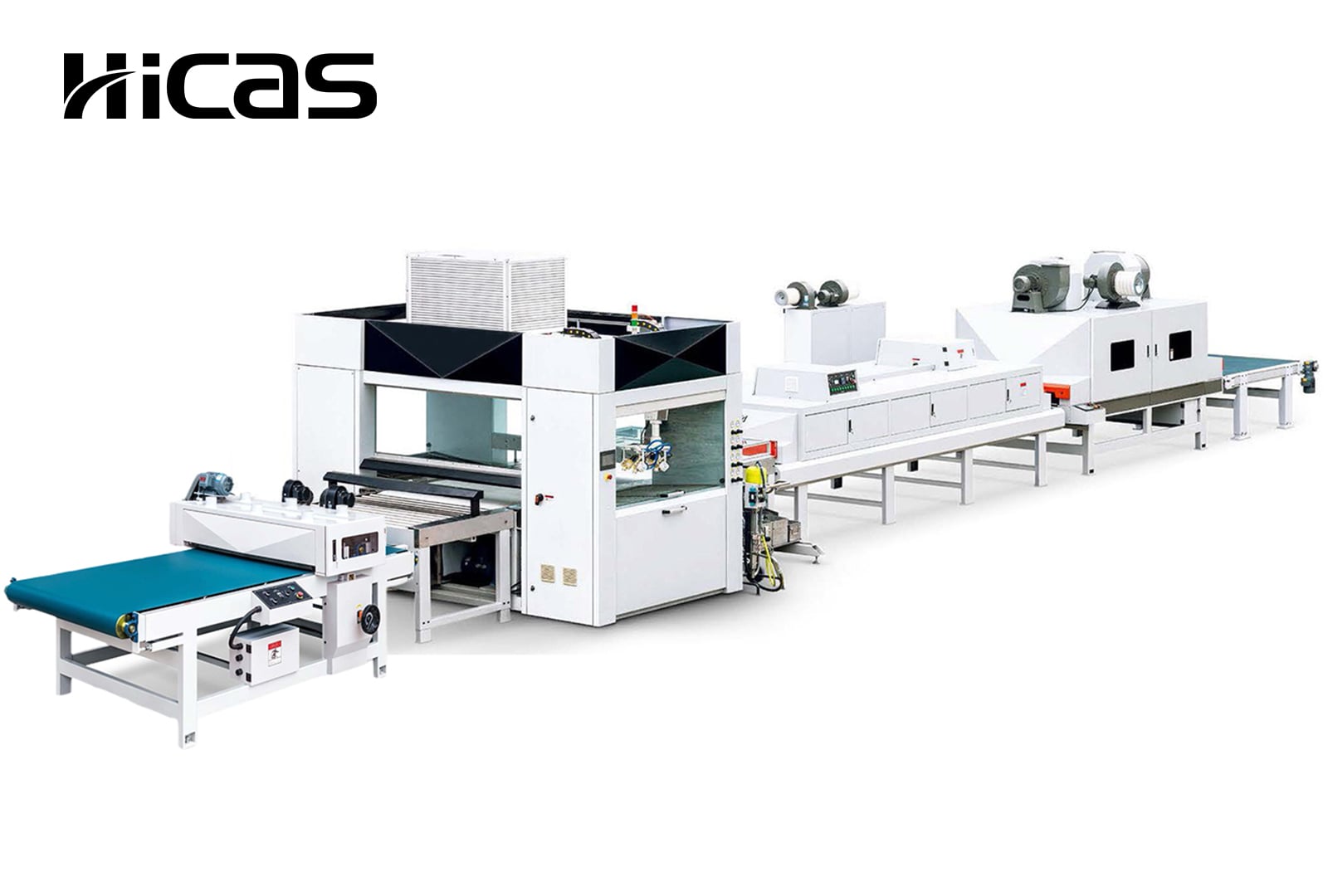
Integrating a spray painting machine into a production line is one of the most impactful upgrades a woodworking or industrial facility can make. When a spray painting machine is connected seamlessly to upstream and downstream equipment, the entire finishing process becomes faster, more consistent, and far less dependent on manual labor. Understanding how to plan and execute this integration is essential for operations that want to scale output without sacrificing quality.
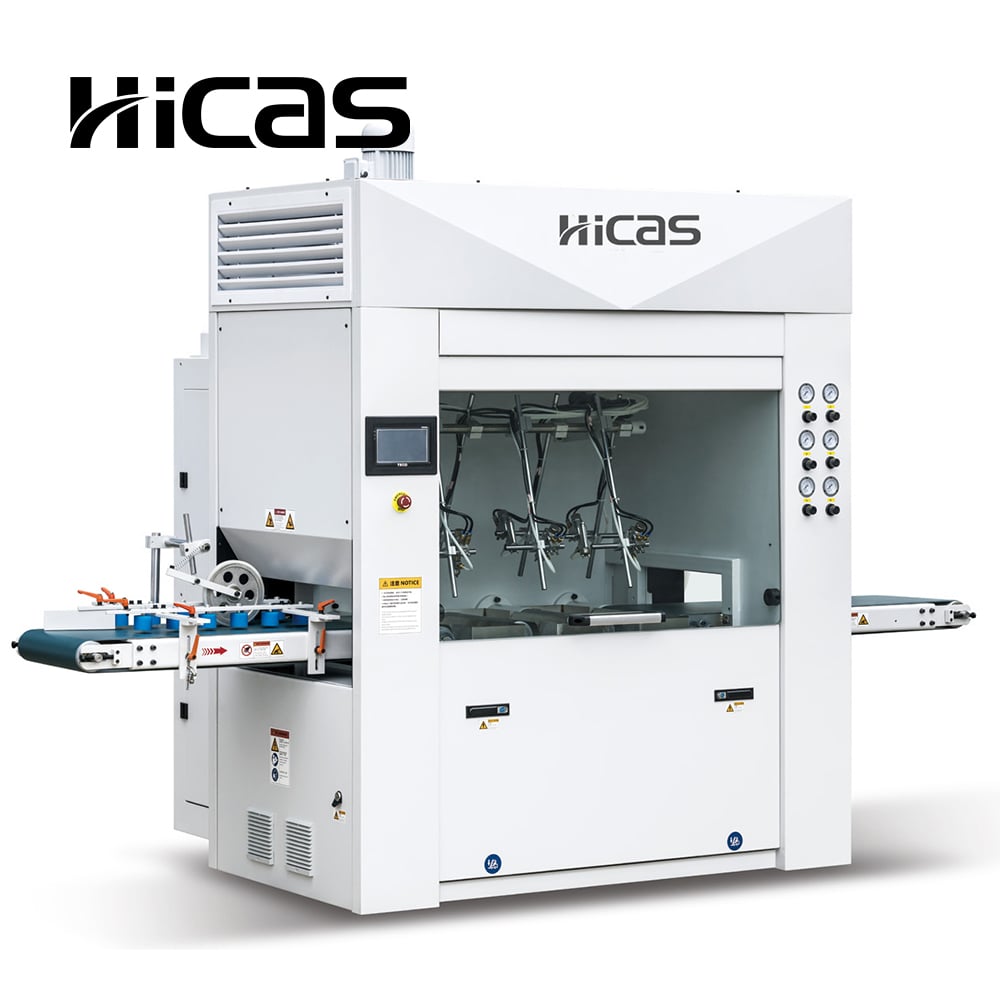
A spray painting machine does not operate in isolation on a modern production floor. It is part of a connected workflow that includes sanding stations, conveyor systems, drying ovens, and quality inspection points. Properly integrating a spray painting machine means aligning its speed, coating capacity, and control logic with every other element in the line. This guide walks through the key considerations, practical steps, and common challenges involved in bringing a spray painting machine into a fully functional automated system.
Line Readiness Before Installing a Spray Painting Machine
Assessing Existing Equipment Compatibility
Before introducing a spray painting machine into any production line, operators must evaluate whether the existing infrastructure can support it. A spray painting machine typically requires a stable 380V three-phase power supply, proper ventilation, and a conveyor system that matches its feed speed. If the upstream sanding or pre-treatment equipment runs at a different pace than the spray painting machine, bottlenecks will form and coating quality will drop. Conducting a thorough equipment audit before installation prevents mismatched cycle times and costly retrofits later.
The physical layout of the facility also matters significantly. A spray painting machine needs adequate clearance on all sides for maintenance access and overspray containment. Operators should map out the exact footprint of the spray painting machine and verify that exhaust ducting, paint supply lines, and electrical conduits can be routed without interfering with adjacent stations. Early planning at this stage saves significant downtime once the spray painting machine arrives on site.
Conveyor Speed and Feed Synchronization
One of the most critical integration parameters is synchronizing the spray painting machine with the conveyor system. If the conveyor feeds workpieces too quickly, the spray painting machine cannot apply a consistent coating layer. If feed speed is too slow, the spray painting machine may over-apply material and cause runs or waste. Modern spray painting machine models include programmable speed controls that communicate with the main line controller, allowing real-time adjustments without manual intervention. Setting up this synchronization correctly from day one ensures the spray painting machine operates at peak efficiency throughout every production shift.
Workflow Design Around a Spray Painting Machine
Pre-Treatment Stations and Surface Preparation
A spray painting machine delivers its best results when incoming workpieces are properly prepared. Dust, oils, or surface irregularities cause the spray painting machine to produce uneven finishes even when all mechanical settings are correct. Incorporating a sanding station, air blow-off unit, or cleaning conveyor immediately before the spray painting machine ensures that every part enters the coating zone in optimal condition. This upstream preparation is not optional — it is the foundation on which the spray painting machine builds consistent surface quality.
Positioning these preparation stages at the correct distance from the spray painting machine also matters. Too great a gap allows dust to resettle on surfaces before they reach the spray painting machine. A tightly designed workflow keeps the pre-treatment zone and the spray painting machine close enough together that contamination risk stays minimal throughout the production run.
Post-Spray Drying and Curing Integration
After parts exit the spray painting machine, they must move directly into a controlled drying or curing environment. Whether using UV curing tunnels, infrared ovens, or ambient drying conveyors, the transition from the spray painting machine to the drying zone must be smooth and uninterrupted. Any delay between the spray painting machine output and the curing stage risks surface contamination, sagging, or inadequate adhesion. Designing the line so that coated parts flow continuously from the spray painting machine into the curing zone eliminates these risks and maintains the quality that automated coating demands.
The drying system must also be calibrated to the coating material the spray painting machine applies. Solvent-based coatings, water-based coatings, and UV-cure systems all have different thermal and radiation requirements. Matching the drying system specifications to the spray painting machine output type ensures curing is complete before parts reach the stacking or packaging stage.
Operational and Maintenance Factors for Long-Term Performance
Operator Training and Line Control Systems
Even the most advanced spray painting machine requires trained operators who understand both its internal settings and its role within the broader line. Operators should know how to adjust spray gun pressure, nozzle patterns, and coating flow rates on the spray painting machine without disrupting overall line throughput. A well-integrated spray painting machine typically connects to a central PLC or HMI panel that gives operators visibility into every stage of the process from a single interface. Investing in proper operator training for the spray painting machine reduces errors, minimizes material waste, and shortens the response time when adjustments are needed.
Scheduled Maintenance and Downtime Planning
A spray painting machine integrated into a continuous production line creates a dependency that must be managed through proactive maintenance schedules. If the spray painting machine goes offline unexpectedly, the entire line stops. Establishing a regular maintenance routine for the spray painting machine — covering nozzle cleaning, filter replacement, pump inspection, and conveyor belt checks — prevents unplanned shutdowns. Many facilities assign dedicated maintenance windows for the spray painting machine during shift changes or planned production breaks to keep uptime as high as possible. Keeping spare parts for the spray painting machine in stock further reduces the impact of any component failure on overall production schedules.
FAQ
What power supply does a spray painting machine typically require for line integration?
Most industrial spray painting machine models designed for production line integration require a 380V, 50Hz, three-phase power supply. This specification supports the motor-driven conveyor, spray pump, and control systems within the spray painting machine simultaneously. Always verify local power infrastructure compatibility before installation.
How do I match the spray painting machine speed to other line equipment?
The spray painting machine speed should be set to match the slowest confirmed cycle time in the line to avoid creating bottlenecks. Most spray painting machine units include variable speed drives that can be synchronized with upstream and downstream conveyors through a shared PLC. Start with conservative speed settings and gradually increase as the full line stabilizes.
Can a spray painting machine handle different coating materials without reconfiguration?
Many spray painting machine models support multiple coating types, but switching between water-based and solvent-based materials typically requires a thorough flush of the spray painting machine fluid path and nozzle set adjustment. UV-cure coatings may require additional lamp integration downstream. Always consult the spray painting machine technical specifications before changing coating materials in a running production line.