
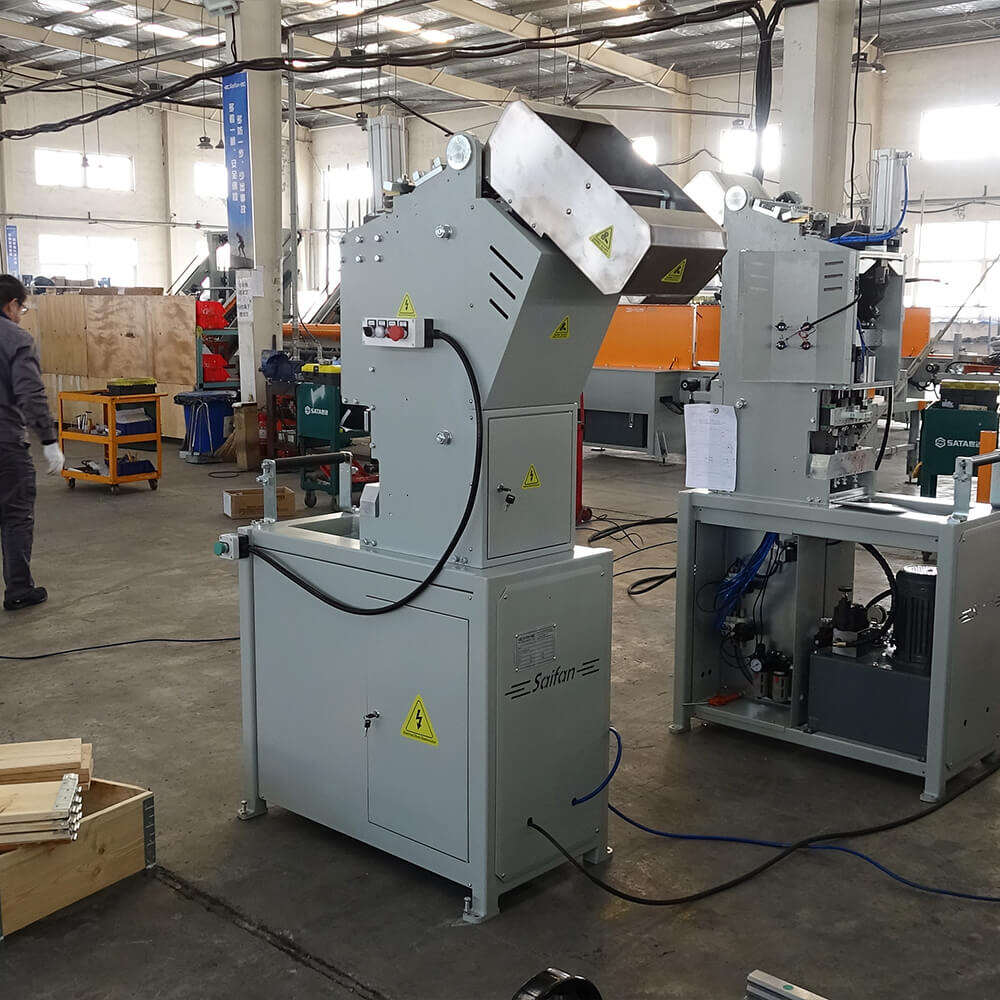
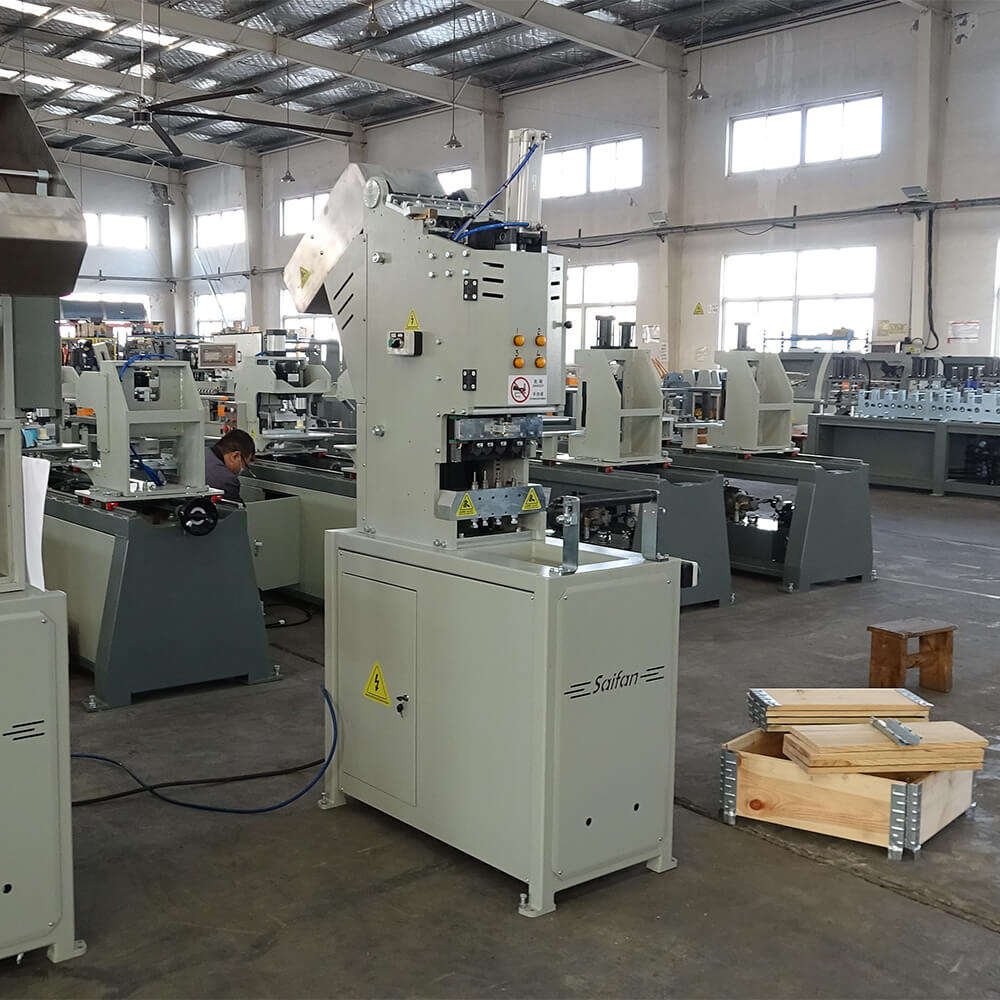
The Strategic Shift: Why Manufacturers Are Adopting Automated Wood Pallet Production Lines
Labor Shortages, Safety Risks, and Rising Compliance Demands in Traditional Pallet Shops
Traditional pallet manufacturing faces compounding pressures:
- Critical labor gaps, with 73% of wood product manufacturers reporting recruitment challenges
- Safety hazards like saw injuries and repetitive strain—costing U.S. facilities over $740k annually (Ponemon 2023)
- New sustainability mandates, requiring documented material tracing and waste reduction—nearly impossible with manual processes
Automation resolves these through:
- 40% fewer workplace injuries via robotic material handling (Manufacturing Safety Council 2024)
- Real-time compliance logging for international timber regulations
- 60% reduced headcount needs while maintaining output
Cyber-Physical Integration: How CNC, Robotics, and AI Unify Into a Single Smart Production Loop
Modern wood pallet production lines merge three technologies into a continuous workflow:
- Computer Numerical Control (CNC) routers execute precise cutting patterns with 0.2mm tolerance
- Robotic arms handle assembly and nailing at 12-second cycles
- AI vision systems inspect grain alignment and structural integrity between stages
This integration enables:
- Self-optimizing throughput, where machine learning algorithms adjust speeds based on material density
- Predictive maintenance, cutting downtime by 35% through IoT vibration sensors
- Closed-loop calibration, where defect data instantly reprograms CNC toolpaths
Regulatory complexity further drives adoption, with new EU timber standards requiring digital traceability throughout production—a capability uniquely enabled by integrated systems according to the 2024 European Logistics Compliance Report. Manufacturers achieve compliance while eliminating manual documentation.
Precision & Quality: Real-Time Control in Every Stage of the Wood Pallet Production Line
CNC-Guided Cutting and Automated Nail Pattern Programming Eliminate Structural Variability
Wood pallet manufacturing has changed dramatically with automated production lines using CNC tech to cut raw timber into parts with incredible precision. These computer controlled saws constantly tweak their settings as they scan through different wood densities, which cuts down on wasted materials and keeps everything sized just right. The same level of exactness applies to the nailing process too. Robotic arms follow specific programming patterns so there's almost no variation between products. No more crooked blocks or boards spaced all over the place like we used to see with hand assembly. Getting this kind of uniformity matters a lot because pallets need to stack properly and work safely with forklifts. Most factories now hit around 99% consistency in dimensions from batch to batch something that would be nearly impossible if workers were doing it all by hand.
AI-Powered Vision Systems Reduce Defect Rates by 83%
After assembly, the inspection process now uses machine learning to check product quality while keeping up with production line speeds. High resolution cameras take full view shots from all angles of every single pallet, then compare these images against around 38 different structural standards like warped boards, sticking out screws, and whether the structure can actually hold weight properly. When something looks off, the system flags it within fractions of a second, which either sends the item straight to rejection or routes it back for fixes. According to last year's NIST report on wood products, this kind of continuous checking brings down defects by nearly 85%. What makes this system really stand out is its ability to learn from mistakes over time. It gets better at spotting issues as it goes along, adjusting itself when faced with different types of lumber or new pallet configurations without needing any manual updates from engineers.
Measurable ROI: Scalability, Output, and Labor Efficiency of Modern Wood Pallet Production Lines
One Line Replaces 12–17 FTEs While Doubling Throughput and Enabling 24/7 Operation
Wood pallet manufacturing has changed dramatically with modern production lines that bring real returns on investment by bringing together all those separate manual tasks into one automated setup. Most companies find that a fully integrated system can cut down on needing around 12 to maybe even 17 full time workers because robots handle materials and smart machines take care of assembly work. At the same time, this kind of automation usually doubles what the factory can produce overall. Getting rid of so many hands-on jobs means fewer workplace injuries from lifting heavy stuff and saves money on extra hours pay that used to pile up fast in old school shops. These machines just keep going nonstop without getting tired or needing breaks, which makes them perfect for running around the clock to meet those tight delivery schedules customers demand nowadays. Factory owners tell us they're seeing their output jump over 100% sometimes in the exact same building space where they used to struggle, plus almost no unexpected shutdowns anymore.
Scalability is equally strategic: modular designs let facilities add capacity incrementally without disrupting existing workflows. As confirmed by NIST's 2023 Wood Products Audit, such automation also slashes defect-related waste by 83%, compounding savings across material, labor, and recall expenses—turning pallet production from a cost center into a competitive asset.
Lifecycle Optimization: Robotic Dismantling and Repair Automation for Circular Pallet Economies
Closing the Loop: Capturing the $2.1B Annual Opportunity in Reverse-Logistics Automation
Smart companies are taking automation further than just their production lines these days, applying it to pallet recovery too. Special robots take apart broken pallets down to the last millimeter, separating out usable wood pieces and metal parts as they go. Meanwhile, computer vision systems scan each component to see what can be saved for reuse. This approach cuts down on workplace injuries from manual sorting and gets back around 92 percent of materials that would otherwise go to waste compared to old school methods. When connected directly to manufacturing operations, such systems form circular resource pathways. The fixed pallets then get put back into service costing about 40 percent less than buying brand new ones, which makes a big difference when looking at long term expenses for warehouse operations.
Automated repair stations then reassemble pallets to original specifications using adaptive nail patterns, ensuring structural consistency. The $2.1 billion reverse-logistics opportunity stems from eliminating disposal fees, reducing virgin wood consumption, and monetizing refurbished assets. One top manufacturer slashed annual material costs by $740k after implementation (Ponemon 2023).
Key advantages include:
- 60% faster pallet turnaround cycles
- 55% reduction in landfill-bound waste
- Compliance with circular economy regulations
This approach converts pallet management from an expense into a profit center while meeting sustainability targets.
FAQ Section
Why are manufacturers shifting to automated wood pallet production lines?
Manufacturers are adopting automated wood pallet production lines to address labor shortages, reduce safety risks, meet rising compliance demands, ensure precision, improve quality, and optimize lifecycle management and ROI.
How do modern pallet production lines integrate different technologies?
Modern pallet production lines integrate Computer Numerical Control (CNC) routers, robotic arms, and AI vision systems into a single smart production loop for improved precision, quality inspection, and operational efficiency.
What are the benefits of using AI-powered vision systems in pallet production?
AI-powered vision systems reduce defect rates by 83% by inspecting structural integrity and identifying issues in real-time, improving overall product quality and consistency.
How does automated pallet production impact labor efficiency and output?
Automated pallet production lines can replace 12-17 FTEs, doubling throughput and operating 24/7, leading to significant improvements in labor efficiency and output without increasing workforce size.
How do companies benefit from robotic dismantling and repair automation?
Robotic dismantling and repair automation create circular pallet economies, capturing a $2.1 billion opportunity by reducing waste, lowering costs, and ensuring compliance with sustainability regulations.
Table of Contents
- The Strategic Shift: Why Manufacturers Are Adopting Automated Wood Pallet Production Lines
- Precision & Quality: Real-Time Control in Every Stage of the Wood Pallet Production Line
- Measurable ROI: Scalability, Output, and Labor Efficiency of Modern Wood Pallet Production Lines
-
Lifecycle Optimization: Robotic Dismantling and Repair Automation for Circular Pallet Economies
- Closing the Loop: Capturing the $2.1B Annual Opportunity in Reverse-Logistics Automation
- FAQ Section
- Why are manufacturers shifting to automated wood pallet production lines?
- How do modern pallet production lines integrate different technologies?
- What are the benefits of using AI-powered vision systems in pallet production?
- How does automated pallet production impact labor efficiency and output?
- How do companies benefit from robotic dismantling and repair automation?