
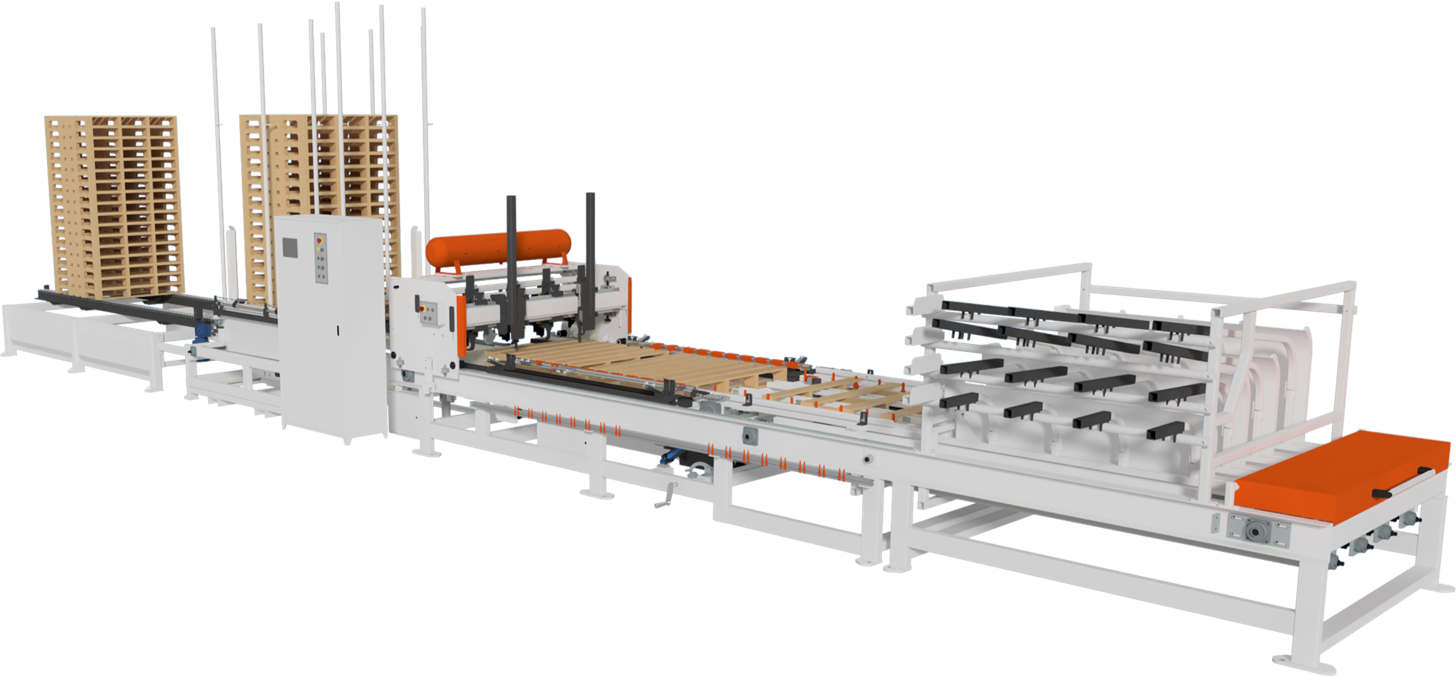
Wood shop logistics represent one of the most labor-intensive and time-consuming aspects of modern woodworking operations. From the moment finished products leave the production line to their final destination on shipping pallets, every step requires careful coordination and significant manual effort. A pallet stacking machine transforms this critical workflow by automating the stacking, arrangement, and organization of wooden products. By introducing mechanical precision where manual labor once dominated, a pallet stacking machine dramatically reduces production bottlenecks, minimizes worker fatigue, and maximizes throughput across your entire facility.
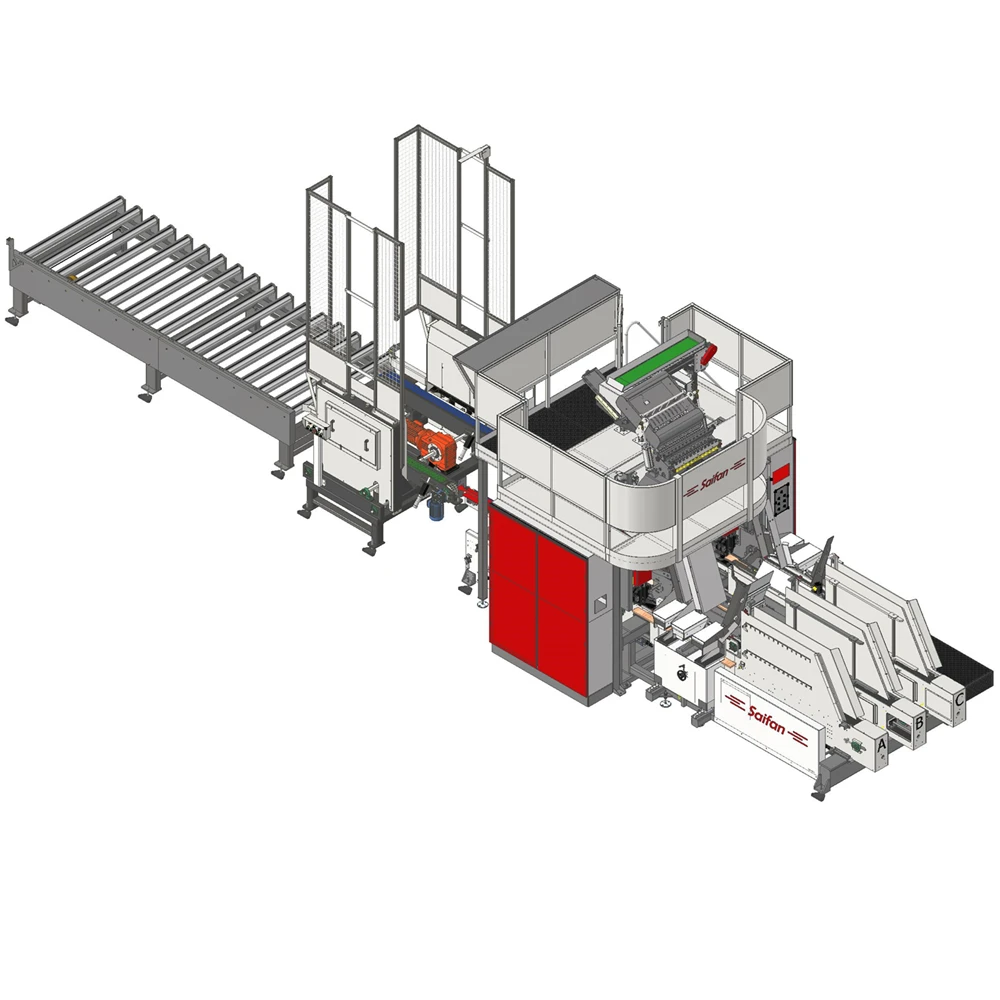
The financial and operational benefits of implementing a pallet stacking machine extend far beyond simple labor savings. When wood shop operators invest in this technology, they gain access to consistent, repeatable stacking patterns that ensure product quality, reduce damage during handling, and accelerate order fulfillment cycles. A pallet stacking machine enables wood shops to scale production without proportionally increasing staffing costs, making it an essential tool for facilities aiming to remain competitive in an increasingly demanding market.
How a Pallet Stacking Machine Improves Wood Shop Efficiency
Eliminating Manual Stacking Bottlenecks
Manual pallet stacking in wood shops creates predictable workflow constraints. Workers must physically position each board, plank, or component onto pallets with accuracy and care, a process that becomes exponentially slower as production volume increases. A pallet stacking machine addresses this bottleneck by automating the entire stacking sequence. The machine receives products from upstream production equipment, orients them according to programmed specifications, and deposits them onto pallets in precise geometric patterns. This automation eliminates the speed limitations inherent to human workers, enabling a single pallet stacking machine to handle the equivalent output of three to five manual operators working continuously.
Reducing Labor Costs and Worker Injuries
Wood shop operations typically allocate 15 to 25 percent of labor budgets to material handling and pallet preparation tasks. By deploying a pallet stacking machine, wood shops can redirect those human resources toward higher-value activities such as quality control, machine maintenance, or order coordination. Beyond cost reduction, a pallet stacking machine eliminates repetitive strain injuries, back injuries, and the cumulative fatigue that affects worker productivity over time. The reduction in workplace injuries also decreases insurance claims and absenteeism, creating a secondary financial benefit that often exceeds the direct labor savings.
Optimizing Product Consistency and Quality with a Pallet Stacking Machine
Ensuring Uniform Stacking Patterns
One of the most overlooked advantages of a pallet stacking machine is its ability to create absolutely consistent stacking patterns every single time. Manual stacking inevitably produces variation—slight tilts, uneven weight distribution, or inconsistent spacing between layers. These variations accumulate and increase the risk of product damage during storage, transportation, and handling. A pallet stacking machine maintains identical stack geometry across all pallets, distributing weight evenly and minimizing stress concentration points. This uniformity directly translates to fewer damaged products at customer delivery, reduced returns, and enhanced customer satisfaction.
Minimizing Product Damage During Handling
Damaged wood products represent both lost revenue and reputational harm in the woodworking industry. A pallet stacking machine employs gentle, controlled placement techniques that prevent scratching, denting, or warping of finished surfaces. The machine calculates optimal placement sequences and applies appropriate pressure, protecting delicate finishing work that manual stacking might compromise. Wood products that arrive at customer facilities in flawless condition increase client confidence and reduce warranty claims. Over time, this quality consistency becomes a competitive differentiator, enabling wood shops to command premium pricing and build long-term customer relationships.
Scaling Production Output Without Proportional Cost Increases
Meeting Growing Demand Efficiently
Wood shops operating at capacity often face a critical decision: hire additional workers or purchase new production equipment. A pallet stacking machine offers a third path by increasing throughput from existing production lines without expanding the workforce. When a wood shop implements a pallet stacking machine, the entire production pipeline accelerates, allowing the shop to handle 30 to 40 percent higher order volumes from the same physical space and operational footprint. This scaling capability proves particularly valuable during seasonal demand peaks or when securing new major customers.
Improving Space Utilization and Facility Layout
Efficient pallet stacking also improves how wood shops organize their warehouse and shipping areas. A pallet stacking machine stacks products to optimal height and density, maximizing the vertical space available in storage facilities. Higher-density stacking reduces the footprint required for inventory staging, freeing floor space for additional production equipment or expanded order fulfillment zones. Many wood shops discover that a single pallet stacking machine enables them to delay facility expansion by several years, delaying substantial capital expenditure while still accommodating growth. The improved facility organization also simplifies inventory tracking, reduces picking errors, and accelerates order preparation for shipment.
Integrating a Pallet Stacking Machine into Existing Wood Shop Operations
Compatibility with Current Production Systems
Wood shops considering a pallet stacking machine often worry about integration complexity or the need for extensive equipment modifications. Modern pallet stacking machines are designed for seamless integration with standard production workflows. A pallet stacking machine connects directly to existing conveyor systems, product buffers, or intermediate staging areas, requiring minimal facility renovation. The machine accepts products arriving at various speeds and automatically adjusts its cycle time to maintain continuous flow without creating upstream backups. This compatibility means wood shops can implement a pallet stacking machine without disrupting ongoing production schedules.
Training and Operational Considerations
Operating a pallet stacking machine requires less specialized training than many wood shop operators anticipate. Manufacturers provide comprehensive setup and operator training, covering machine calibration, pattern programming, and routine maintenance procedures. Most wood shop staff master the essential operating procedures within one to two weeks. The pallet stacking machine's automated operation means day-to-day management requires minimal intervention—operators primarily monitor performance and address any material jams or minor adjustments. This accessibility makes the technology practical for facilities of all sizes, from small specialty shops to large-scale production facilities.
FAQ
What types of wood products can a pallet stacking machine handle?
A pallet stacking machine accommodates a wide variety of wood products including dimensional lumber, engineered wood components, finished boards, pallets of pre-assembled items, and packaged wood goods. The machine's flexibility allows operators to reprogram stacking patterns for different product dimensions, weights, and configurations. This versatility enables wood shops to use a single pallet stacking machine across multiple product lines, maximizing return on investment and operational flexibility.
How much space does a pallet stacking machine require in a wood shop?
A standard pallet stacking machine typically occupies a floor footprint of 20 to 30 square feet, comparable to a large workbench. Most facilities integrate the pallet stacking machine into existing production lines with minimal layout modification. The compact design means even wood shops with limited space can implement this technology without major facility restructuring or expensive renovation projects.
What maintenance does a pallet stacking machine require?
A pallet stacking machine requires routine preventive maintenance including lubrication of moving parts, inspection of sensors, and periodic replacement of wear components. Most manufacturers recommend maintenance intervals of 500 to 1000 operating hours, typically requiring just two to four hours of downtime per maintenance cycle. This straightforward maintenance schedule keeps the pallet stacking machine operational and minimizes unplanned downtime that could disrupt production schedules.