
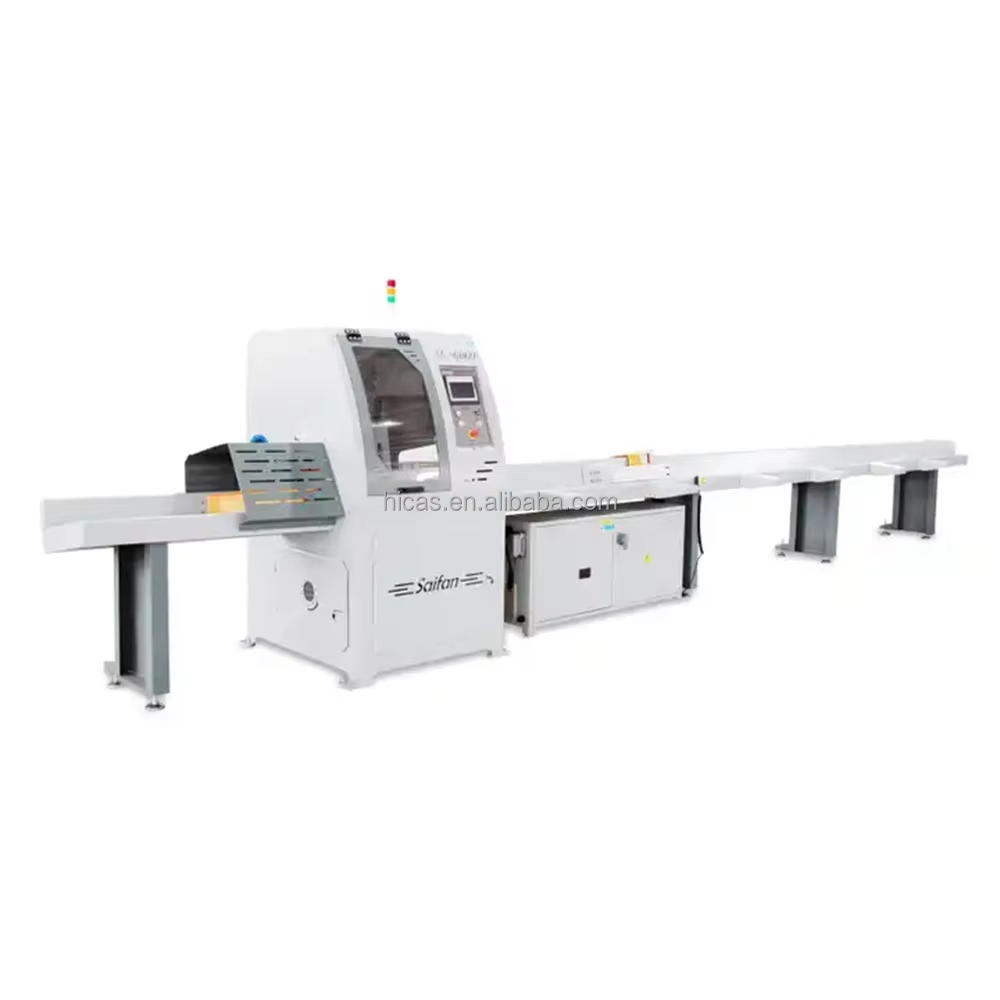
Strong Market Demand for Wooden Pallet Making Machines in Europe
The logistics and manufacturing industries across Europe are creating huge new demand for machines that make wooden pallets. This surge comes mainly from the boom in online shopping and companies updating their supply chains. Looking at numbers from Market Data Forecast 2025, we see the European pallet market should hit around $3.27 billion by 2033. Most of this business still goes to wooden pallets, which take about 80% of the market share because they're cheaper to produce, last longer, and have better environmental credentials than alternatives. As this market grows, so does the need for specialized equipment. Industrial centers such as Germany, France, and the United Kingdom are seeing this firsthand as factories replace old manual methods with automated systems that can keep up with increased production demands.
Key drivers accelerating adoption include:
- Robotic nailing systems that cut labor costs and boost output by up to 40%
- Growing demand for timber pallets under circular economy initiatives
- Precision engineering ensuring strict compliance with EUR-pallet specifications
- IoT-integrated sensors enabling real-time quality monitoring and predictive maintenance
More manufacturers are now looking at machines that can handle FSC certified wood and cut down on wasted materials. These decisions make sense when considering the goals set out by the EU Green Deal. We're seeing a big change happening in the industry too. Small local workshops are giving way to fully automatic systems for making pallets. This transition isn't just about keeping up with regulations either. Companies need these changes because they want to scale operations while meeting stricter environmental standards. Wooden pallet manufacturing equipment has become essential for building strong supply chains that can withstand whatever challenges come next in our constantly changing market landscape.
Key Regulatory Requirements for Wooden Pallet Making Machines in the EU
ISPM-15 Compliance: Heat Treatment, Marking, and Traceability
For wooden pallet manufacturing within the EU, equipment needs to fully comply with ISPM-15 standards set by the International Plant Protection Convention. These rules demand that wood gets heated to at least 56 degrees Celsius for no less than half an hour to kill off any harmful pests. Getting the machine calibrated right is essential so every part of the pallet receives proper heat throughout. Once treated, each pallet should display the official ISPM-15 marking somewhere visible. This includes both the letters HT and the relevant country code, usually added through either stamping mechanisms built into the machine or laser etching technology. Failure to follow these regulations can lead to serious problems. Last year alone, around 15 percent of global shipments got held up because they lacked correct markings according to reports from Global Trade Review. Modern day machinery designed for compliance with EU Plant Health Regulation 2016/2031 now comes equipped with tracking capabilities too. Many models incorporate QR code logging systems that automatically capture critical information like when treatments occurred, what temperatures were reached during processing, and details about specific batches being handled.
Sustainability Mandates Shaping Wooden Pallet Making Machine Design
PPWR Alignment: Reusability, Repairability, and Recyclability Benchmarks
The latest wooden pallet manufacturing equipment has been designed specifically to meet requirements set out in the EU's Packaging and Packaging Waste Regulation (PPWR). These machines incorporate circular principles right from the start of their design process. With modular components and standard fastening systems, these pallets can be taken apart quickly when needed, and individual parts repaired instead of replacing whole units. This approach typically extends how long a pallet stays in service past the five year mark. When it comes to materials, manufacturers now focus on using single type wood constructions because mixing different woods creates problems later on during recycling processes. Production facilities also feature advanced sorting and grading technology that recovers nearly all usable wood material. According to research published by Circular Materials Lab in 2023, these systems manage to recover around 98% of available wood resources.
ESG Integration: Low-Carbon Production, FSC/PEFC Sourcing, and Waste Valorization
Top equipment makers are increasingly incorporating environmental, social, and governance (ESG) metrics right into their product specs these days. Take energy recovery systems for instance they can snatch around 85% of the heat waste produced during metal treatments, which cuts down carbon footprints by roughly 40% compared to older methods. When it comes to sourcing materials, companies have strict rules that track every piece of FSC or PEFC certified wood from forest to factory floor, so there's complete visibility throughout the supply chain. Leftover sawdust and scraps get sent straight to biomass pellet machines located right at the manufacturing site, helping factories approach zero waste status. All these green features do more than just tick boxes for investors looking at ESG reports they actually prepare businesses for what's coming next with Europe's ever tightening sustainability regulations that keep getting stricter year after year.
FAQ
Why is there a strong market demand for wooden pallet making machines in Europe?
The demand is driven by the boom in online shopping and companies updating their supply chains, which has resulted in increased need for machines that produce wooden pallets efficiently.
What are the key regulatory requirements for wooden pallet manufacturing in the EU?
Manufacturing equipment must comply with ISPM-15 standards for heat treatment and marking, as well as EPAL certification for EUR-pallet interoperability standards.
How are sustainability mandates influencing wooden pallet making machine design?
Designs are being aligned with EU regulations for reusability, repairability, and recyclability, incorporating ESG metrics like low-carbon production and sourcing FSC/PEFC certified wood.