Pallet Nailing Machine Cost Guide 2024

L
O
A
D
I
N
G

Get a Free Quote

Our representative will contact you soon.
Email
Mobile
Name
Company Name
Message
0/1000

pallet nailing machine cost

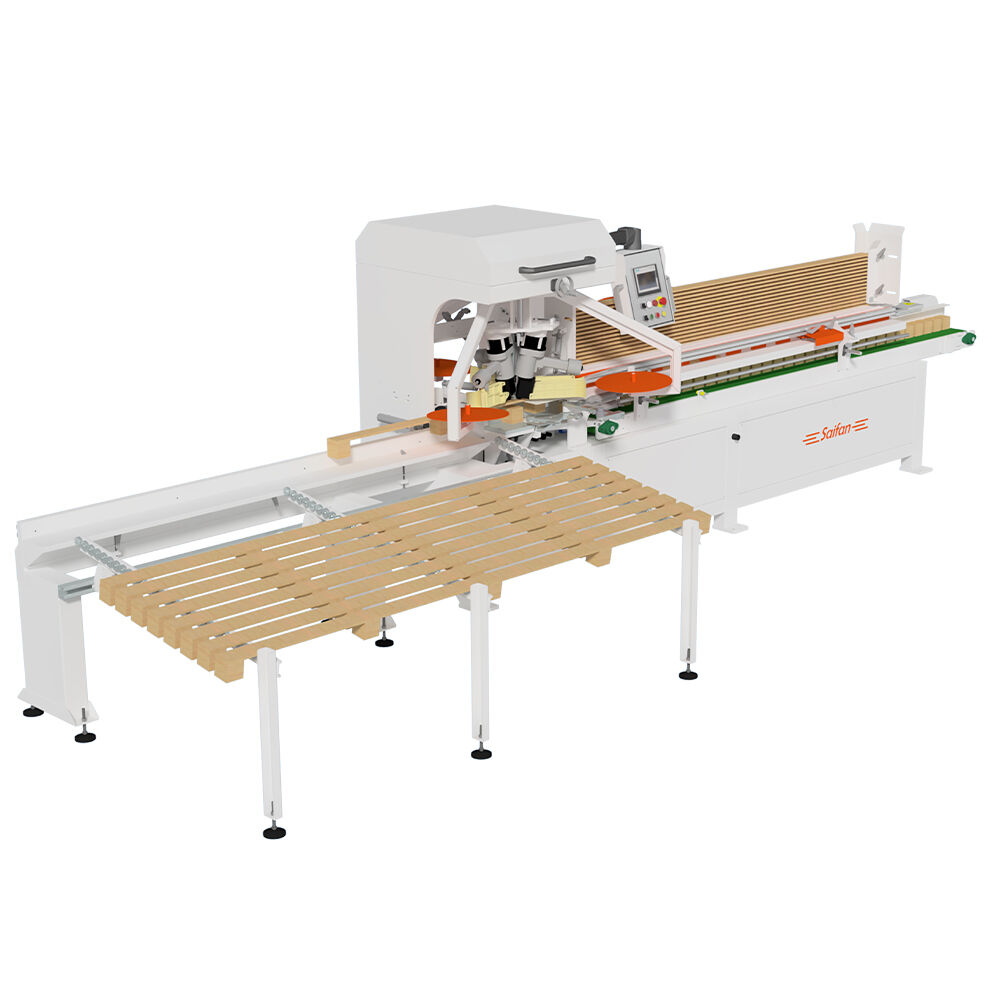
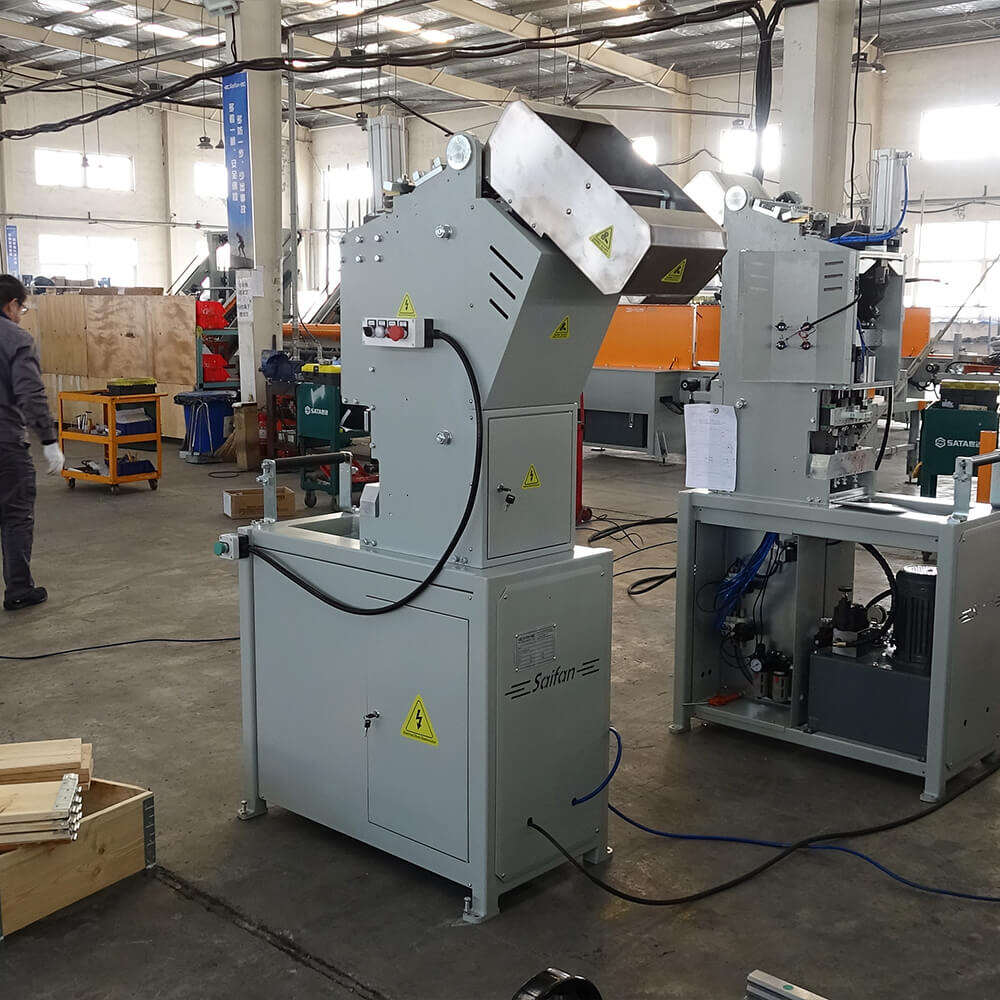
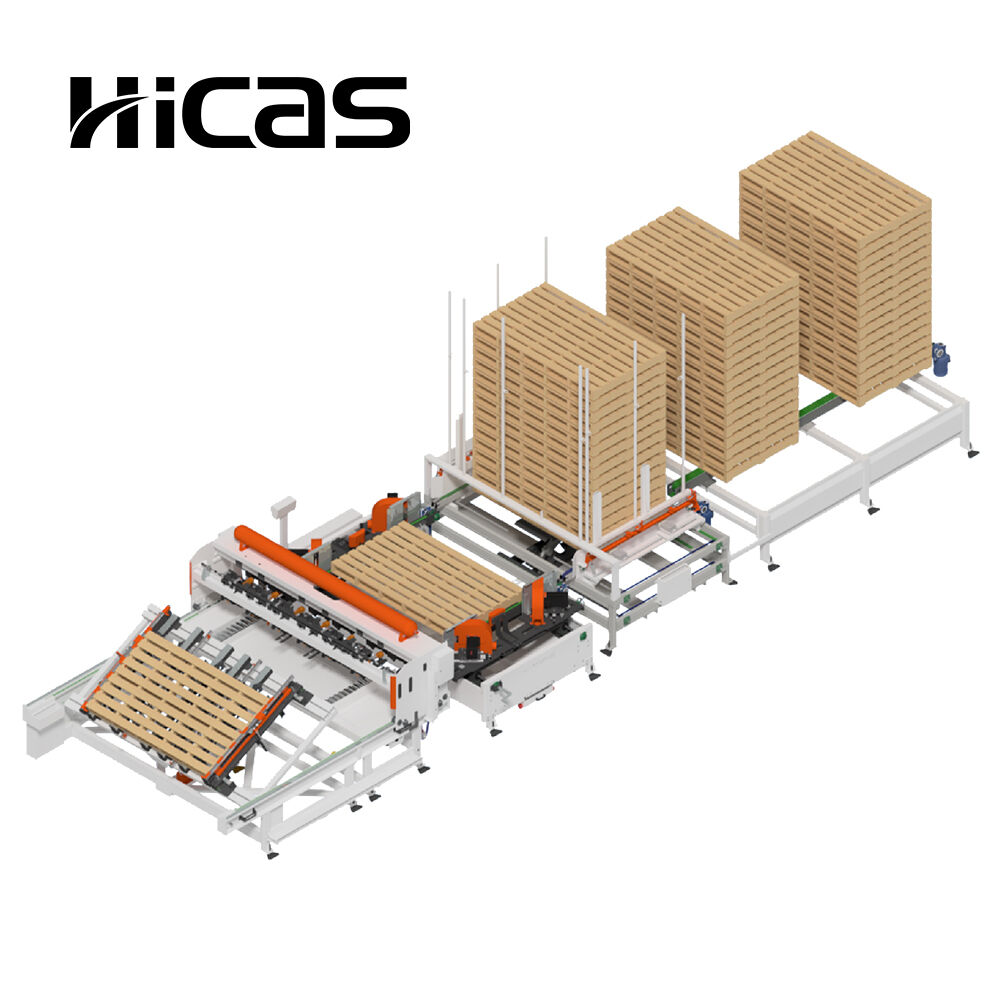
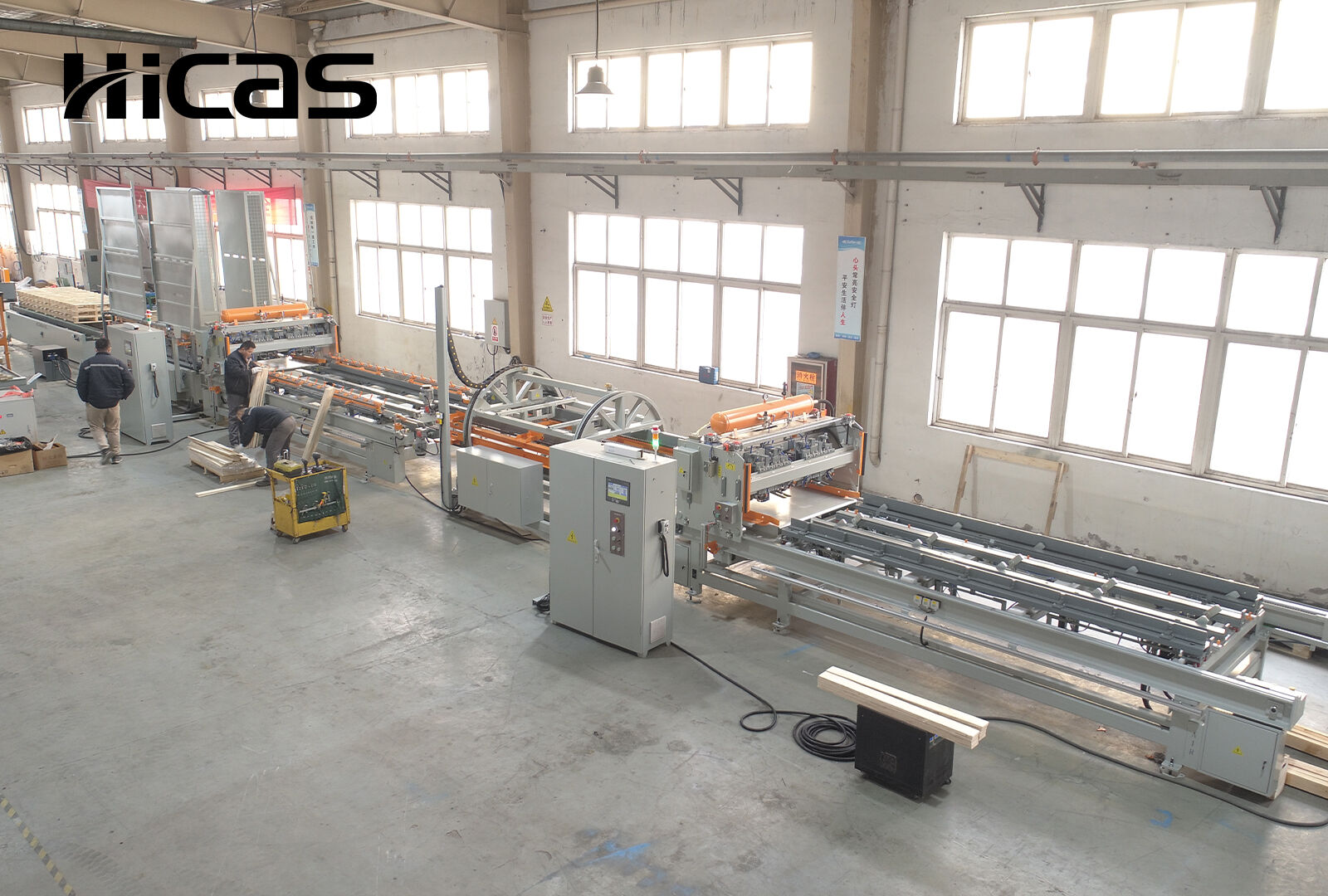
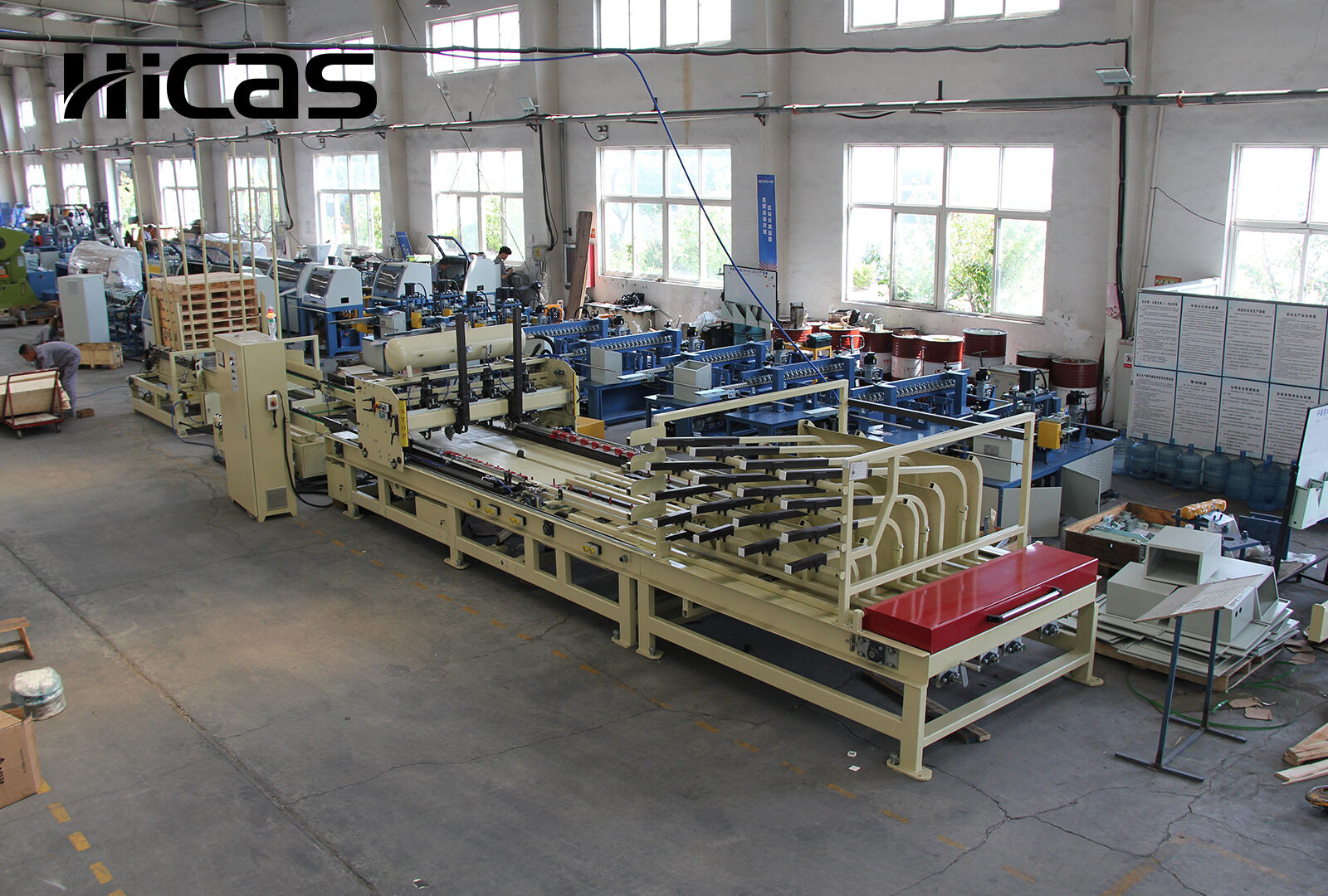
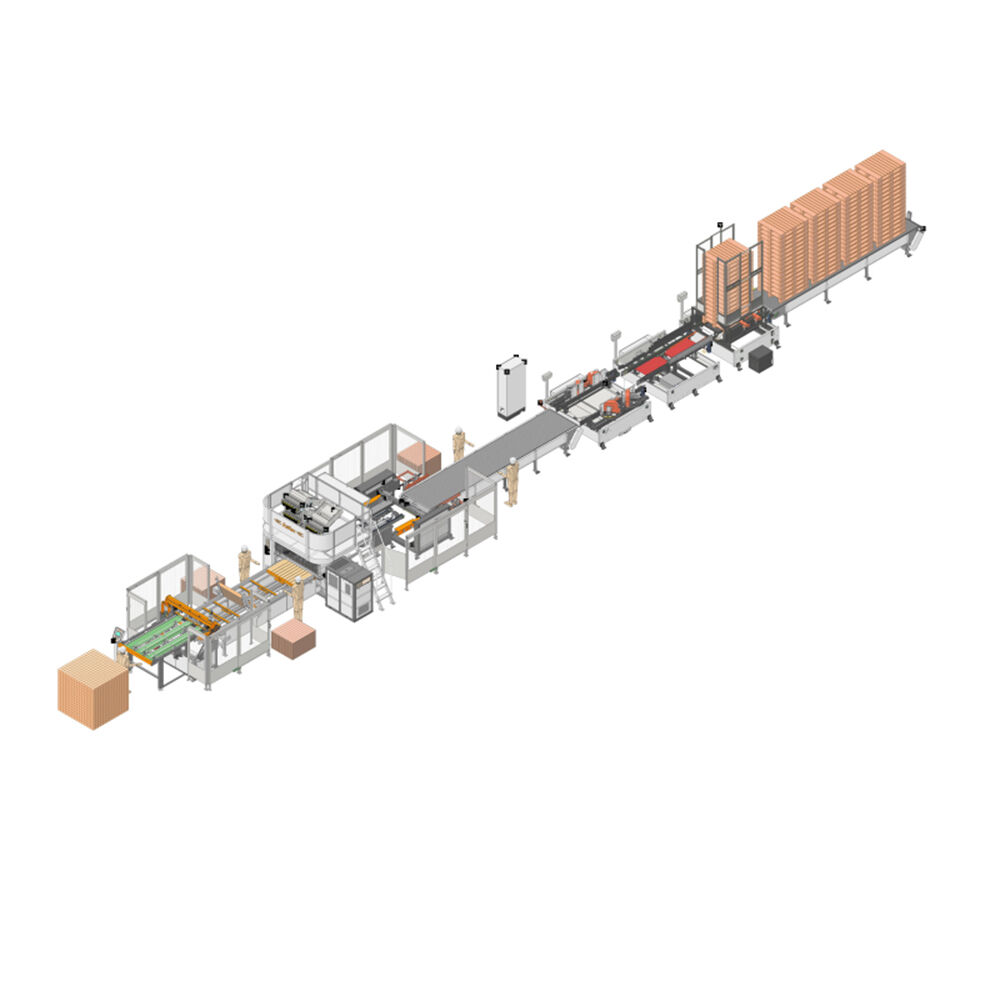
A pallet nailing machine is an automated woodworking equipment designed to streamline the assembly of wooden pallets by fastening boards together with precision and speed. Understanding the pallet nailing machine cost is essential for businesses looking to enhance their production efficiency while managing capital investment wisely. The typical pallet nailing machine cost ranges from $15,000 to $80,000 depending on specifications, automation level, and production capacity. This equipment uses pneumatic or electric-driven mechanisms to drive nails into wooden components, replacing manual hammering and significantly reducing labor requirements. The main functions include automatic feeding of pallet components, precise nail positioning, rapid nail driving, and quality consistency across all assembled units. Technological features encompass programmable control systems, adjustable nail spacing, automatic board alignment sensors, and safety interlock mechanisms. Advanced models offer touchscreen interfaces, production data tracking, and integration capabilities with existing manufacturing lines. Applications span across logistics, warehousing, manufacturing, agriculture, and export industries where standardized wooden pallets are essential for material handling and shipping. When evaluating pallet nailing machine cost, buyers should consider production volume requirements, available floor space, maintenance expenses, and potential return on investment through labor savings and increased output capacity. The investment in automated pallet assembly equipment typically pays for itself within 18 to 36 months through reduced labor costs and improved production throughput.

New Product Recommendations

Investing in a pallet nailing machine delivers substantial financial returns that justify the initial pallet nailing machine cost through multiple operational improvements. First, labor cost reduction represents the most immediate benefit, as one machine can replace three to five manual workers while operating continuously with minimal supervision. This automation eliminates fatigue-related errors and maintains consistent production speeds throughout entire shifts. Second, production speed increases dramatically, with modern machines assembling 8 to 15 pallets per hour compared to manual methods that produce only 2 to 4 pallets hourly per worker. This efficiency boost enables businesses to fulfill larger orders, reduce lead times, and capture additional market opportunities. Third, quality consistency improves significantly as machines drive nails at precise depths and locations every time, eliminating the variations inherent in manual assembly that often lead to structural weaknesses and customer complaints. Fourth, workplace safety enhances considerably by removing repetitive strain injuries and hammer-related accidents that plague manual pallet assembly operations. Fifth, operational flexibility allows quick adjustments to different pallet sizes and designs through programmable settings, enabling manufacturers to serve diverse customer requirements without extensive retooling. When calculating the total pallet nailing machine cost, smart buyers factor in these ongoing savings and productivity gains rather than focusing solely on the purchase price. The energy efficiency of modern machines further reduces operating expenses, while their durability ensures years of reliable service with routine maintenance. Additionally, faster production cycles improve cash flow by reducing inventory holding times and enabling quicker order fulfillment, which strengthens customer relationships and competitive positioning in the marketplace.

Latest News

What Is Roll Coating and How Does Roll Coating Equipment Work

18

Mar

What Is Roll Coating and How Does Roll Coating Equipment Work

What Is Roll Coating? Understanding the Core Process 1. Basic Principles of Roll Coating Technology Roll coating stands out as one of the most effective ways to apply coatings, basically spreading a consistent layer across whatever surface needs t...
View More
Applications of Wide Belt Sanders in the Metalworking Industry

18

Mar

Applications of Wide Belt Sanders in the Metalworking Industry

Wide-belt sanding technology for metals utilizes continuous sanding belts to achieve precise surface finishes in a variety of industrial applications. These automated systems maintain stable material removal rates via electric conveyor belts and ad...
View More
How Automated Wood Pallet Production Lines Transform Modern Manufacturing

27

Mar

How Automated Wood Pallet Production Lines Transform Modern Manufacturing

The Strategic Shift: Why Manufacturers Are Adopting Automated Wood Pallet Production Lines Labor Shortages, Safety Risks, and Rising Compliance Demands in Traditional Pallet Shops Traditional pallet manufacturing faces compounding pressures: Criti...
View More
Why Integrated Coating Sanding and Painting Lines Are Critical for Modern Wood Factories

27

Mar

Why Integrated Coating Sanding and Painting Lines Are Critical for Modern Wood Factories

Boosting Throughput and Consistency with Fully Integrated Wood Coating Machines Bottleneck Elimination: How Fragmented Finishing Slows High-Mix Wood Production In wood manufacturing shops that handle lots of different products, broken up finishing...
View More

Get a Free Quote

Our representative will contact you soon.
Email
Mobile
Name
Company Name
Message
0/1000

pallet nailing machine cost

Optimal Production Capacity and Speed

Optimal Production Capacity and Speed

Understanding how production capacity influences pallet nailing machine cost helps buyers select equipment that matches their specific operational requirements without overspending on unnecessary features. Entry-level machines designed for small operations producing 50 to 100 pallets daily typically represent the lower end of the pallet nailing machine cost spectrum, offering manual feeding systems and basic pneumatic nail drivers. Mid-range equipment suitable for facilities producing 150 to 300 pallets daily incorporates semi-automatic feeding mechanisms, programmable nail patterns, and enhanced safety features at moderate investment levels. High-capacity industrial machines capable of producing 400 or more pallets daily command premium prices but deliver exceptional per-unit cost efficiency for large-scale operations. The production speed directly correlates with labor savings, as faster machines reduce the number of operators needed and minimize bottlenecks in the manufacturing workflow. Businesses should calculate their daily pallet requirements, expected growth projections, and labor cost savings to determine which capacity level offers the best return on investment relative to the pallet nailing machine cost they are considering.
Automation Level and Technology Integration

Automation Level and Technology Integration

The degree of automation significantly impacts pallet nailing machine cost while determining operational efficiency and long-term competitiveness. Basic manual-feed machines require operators to position each board, offering lower initial investment but higher ongoing labor requirements. Semi-automatic models feature powered conveyors and automatic nail feeding, striking a balance between pallet nailing machine cost and operational efficiency for medium-sized manufacturers. Fully automatic systems incorporate robotic board handling, vision-guided alignment, automatic defect detection, and integrated quality control, representing the highest investment tier but delivering maximum productivity with minimal human intervention. Advanced technological features such as touchscreen controls, production data analytics, predictive maintenance alerts, and network connectivity enable real-time performance monitoring and optimization. These smart capabilities help manufacturers identify efficiency improvements, track material usage, and schedule maintenance proactively to prevent costly downtime. When evaluating different automation levels against pallet nailing machine cost, buyers should consider their technical staff capabilities, production complexity, and competitive pressures requiring cutting-edge manufacturing technology to maintain market position.
Long-Term Value and Total Cost of Ownership

Long-Term Value and Total Cost of Ownership

Savvy purchasers look beyond the initial pallet nailing machine cost to evaluate total ownership expenses including maintenance, energy consumption, spare parts availability, and operational lifespan. Quality machines constructed with heavy-duty components and precision engineering may carry higher purchase prices but deliver superior reliability, reducing repair costs and production interruptions over their service life. Energy-efficient pneumatic systems and optimized electric motors lower utility expenses, while readily available spare parts and manufacturer support networks minimize downtime when maintenance becomes necessary. Warranty coverage, training programs, and technical assistance provided by manufacturers add substantial value that should factor into pallet nailing machine cost comparisons. Machines designed for easy maintenance with accessible components and clear documentation reduce the specialized expertise required for routine servicing. Durability considerations include frame construction, wear-resistant surfaces, and component quality that determine whether equipment performs reliably for five years or fifteen years. Calculating the total cost of ownership by projecting maintenance expenses, energy costs, and expected production output over the machine's lifespan provides a more accurate assessment than focusing exclusively on the purchase price when comparing different models and their associated pallet nailing machine cost.