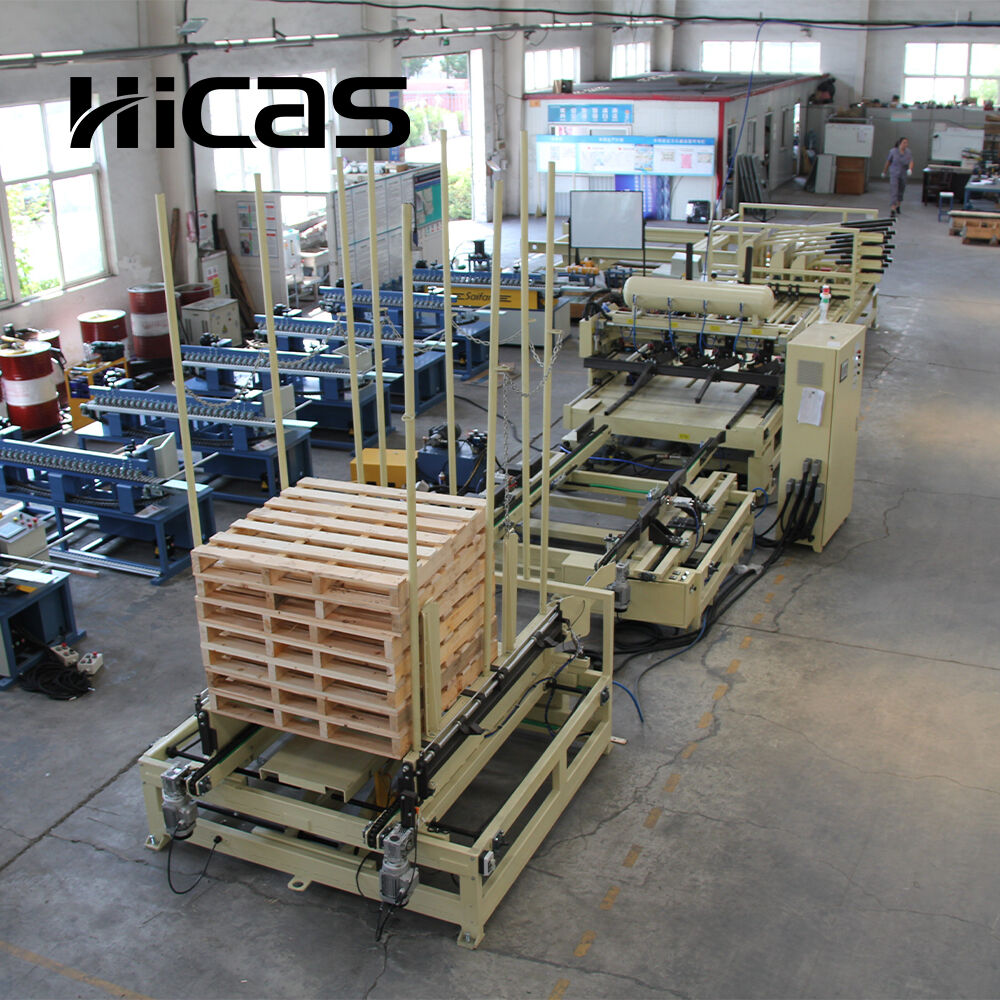
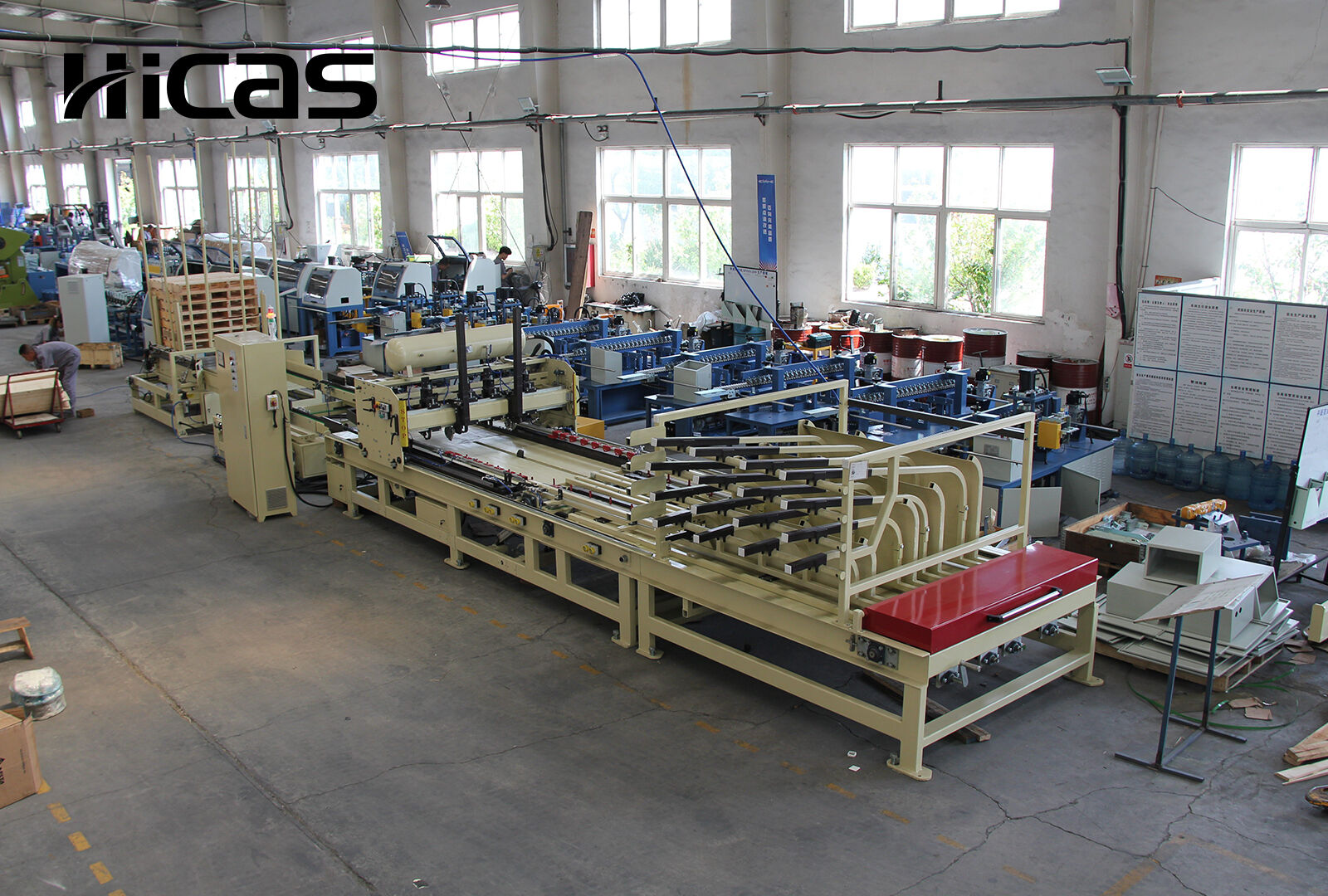
Pallet Nailing Machine for Woodworking Factory

L
O
A
D
I
N
G

Get a Free Quote

Our representative will contact you soon.
Email
Mobile
Name
Company Name
Message
0/1000

pallet nailing machine for woodworking factory

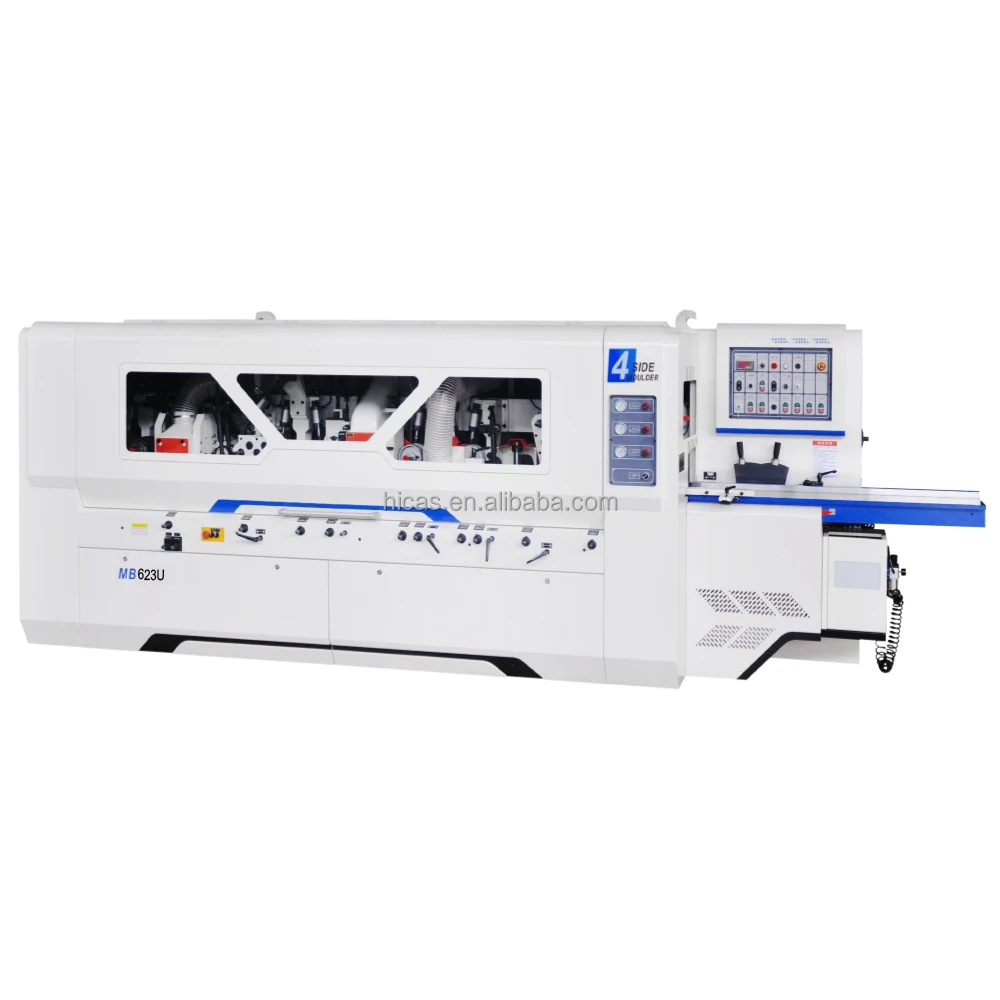
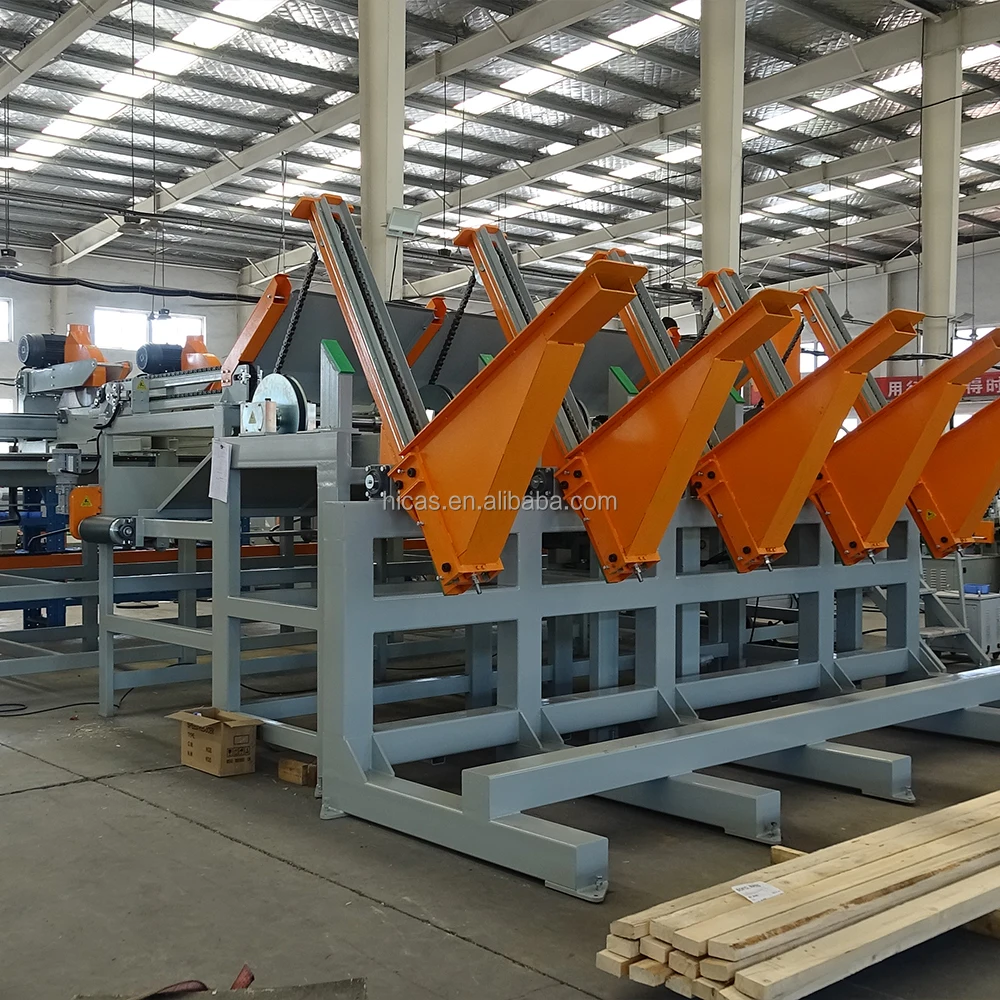
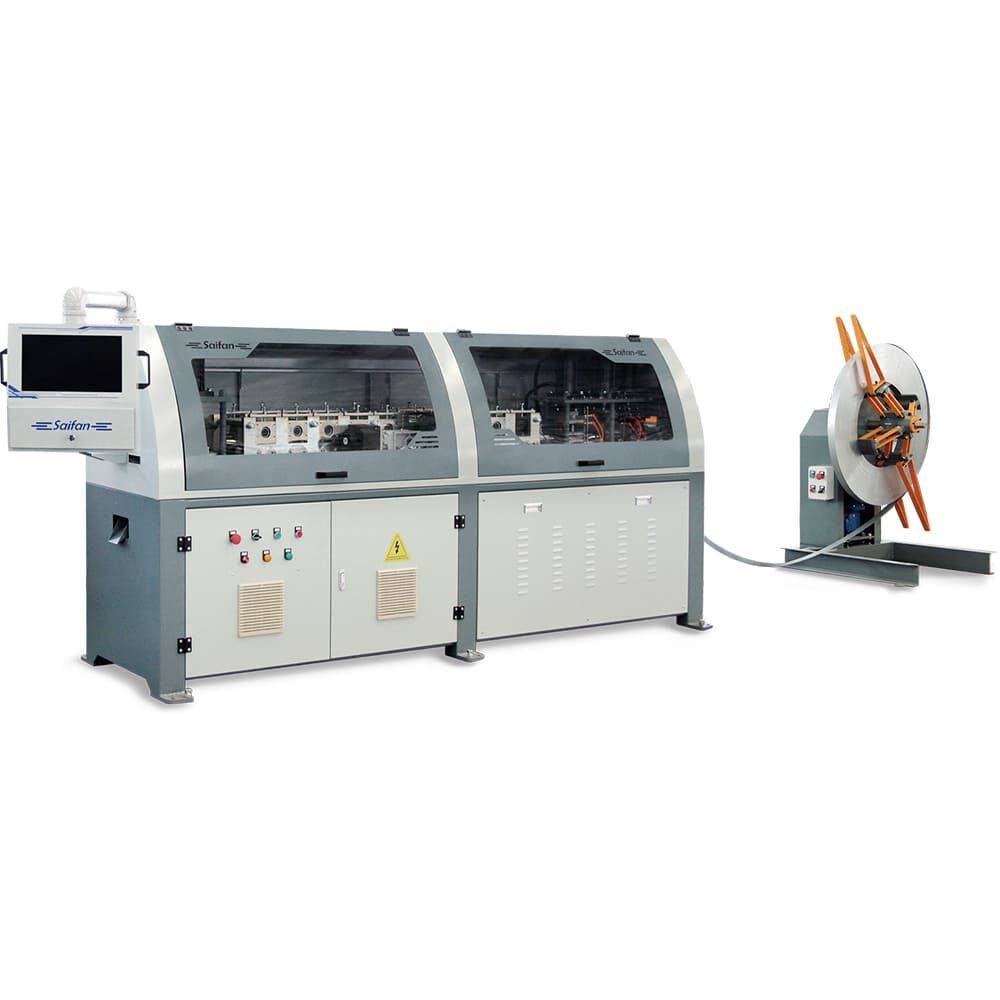
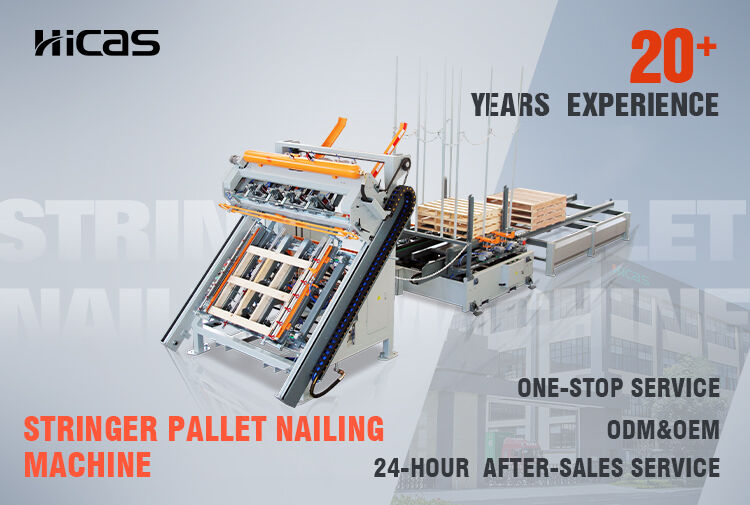
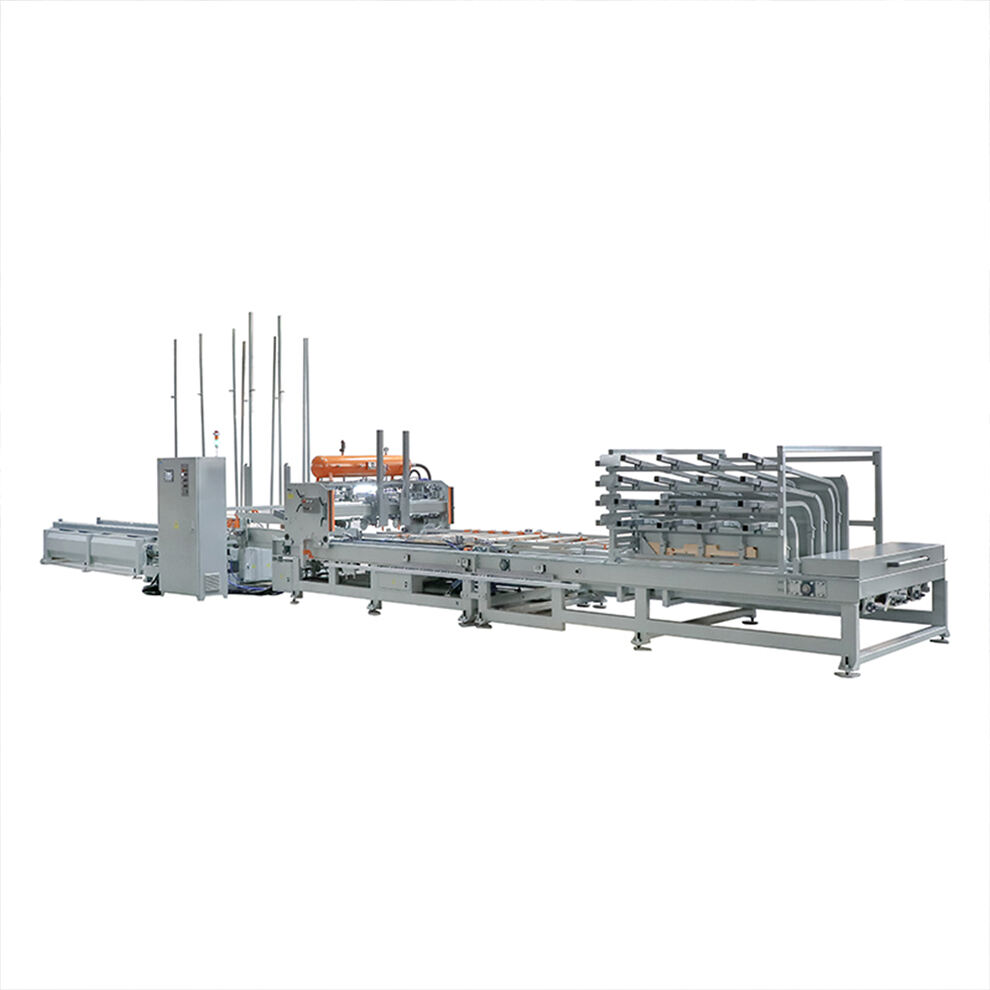
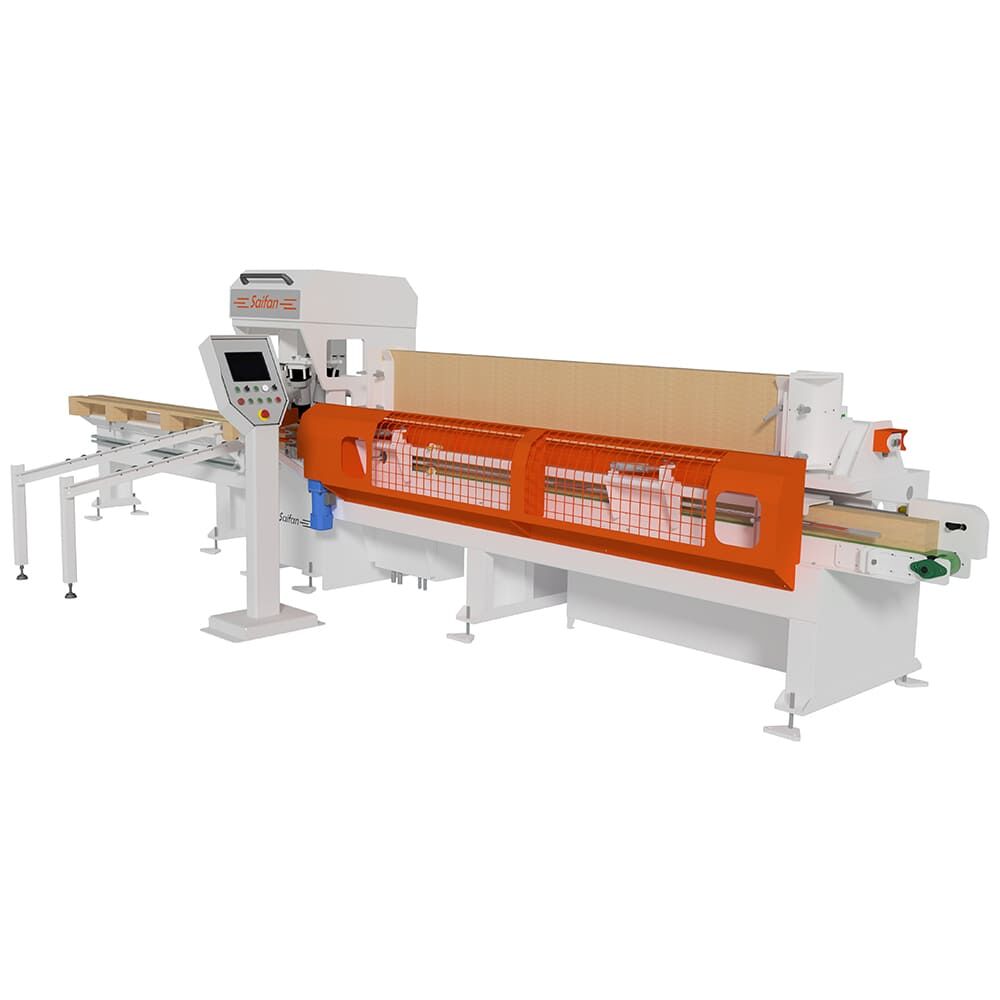
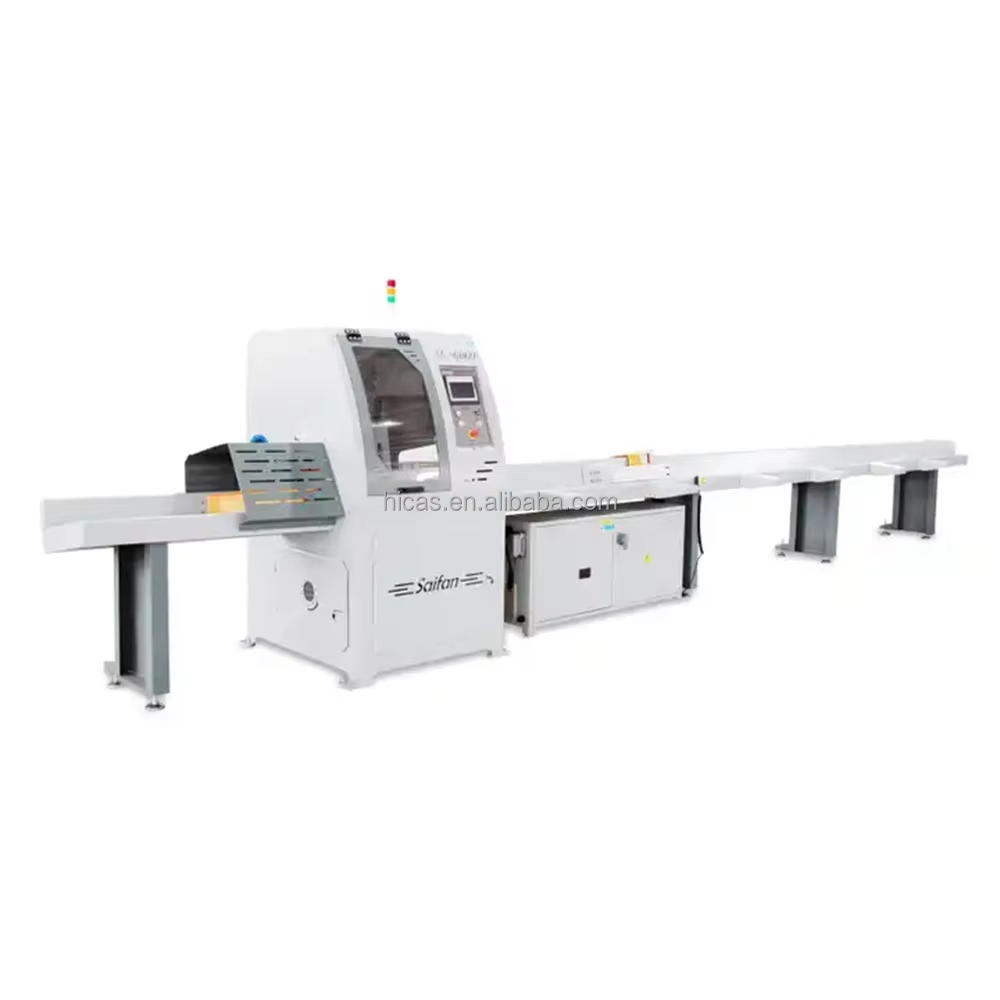
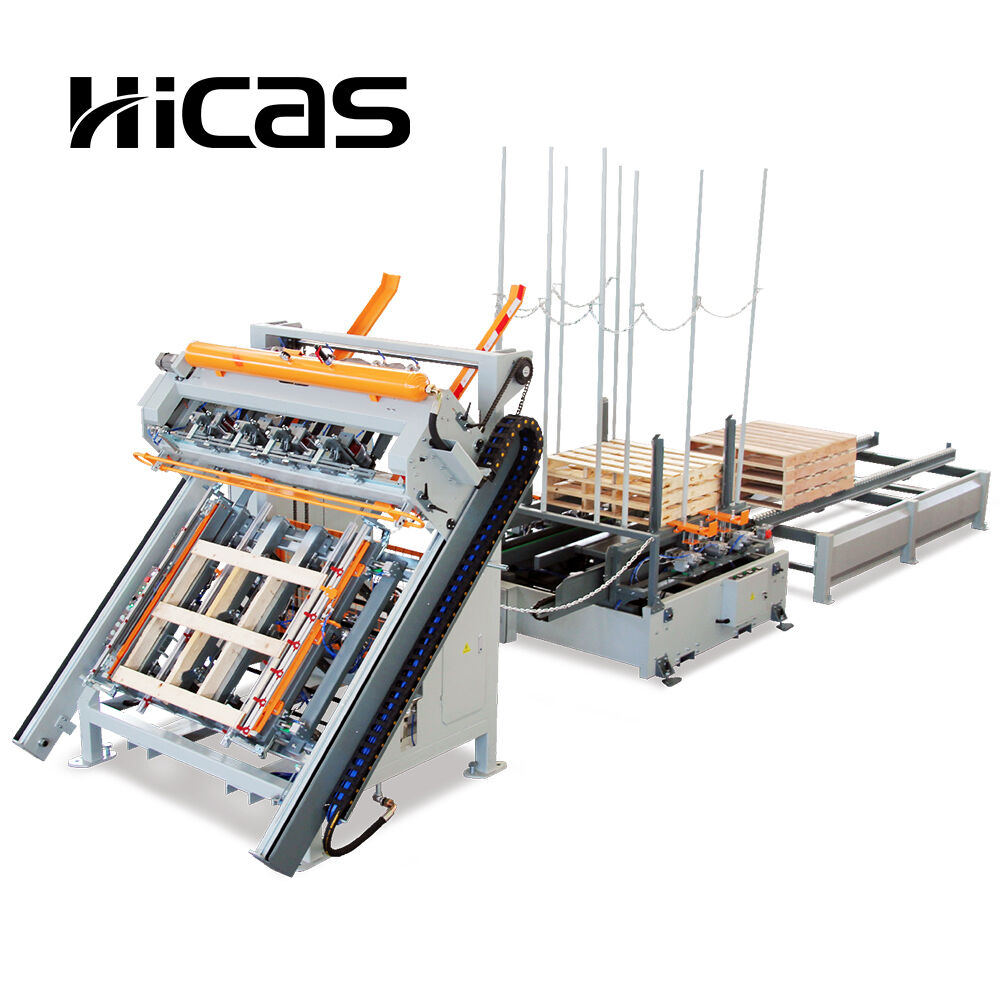
A pallet nailing machine for woodworking factory is an automated industrial equipment designed to streamline the assembly of wooden pallets with precision and speed. This specialized machinery revolutionizes traditional pallet manufacturing by replacing manual nailing processes with automated operations that significantly enhance productivity. The pallet nailing machine for woodworking factory operates by automatically positioning wooden components, driving nails at predetermined locations, and completing entire pallet structures within seconds. It features advanced pneumatic or electric drive systems that deliver consistent nailing force, ensuring uniform quality across all production units. Modern models incorporate programmable logic controllers that allow operators to adjust specifications for different pallet dimensions and designs. The pallet nailing machine for woodworking factory typically includes automated feeding systems, precise positioning mechanisms, and safety guards that protect workers during operation. These machines accommodate various pallet types, including standard warehouse pallets, export pallets, and custom-designed configurations. The technology integrates seamlessly into existing production lines, supporting both standalone operation and integration with automated material handling systems. With capabilities to process multiple pallet sizes and nail patterns, this equipment serves as the cornerstone of efficient pallet manufacturing operations. The pallet nailing machine for woodworking factory represents a critical investment for businesses seeking to scale production capacity while maintaining consistent quality standards in competitive markets.

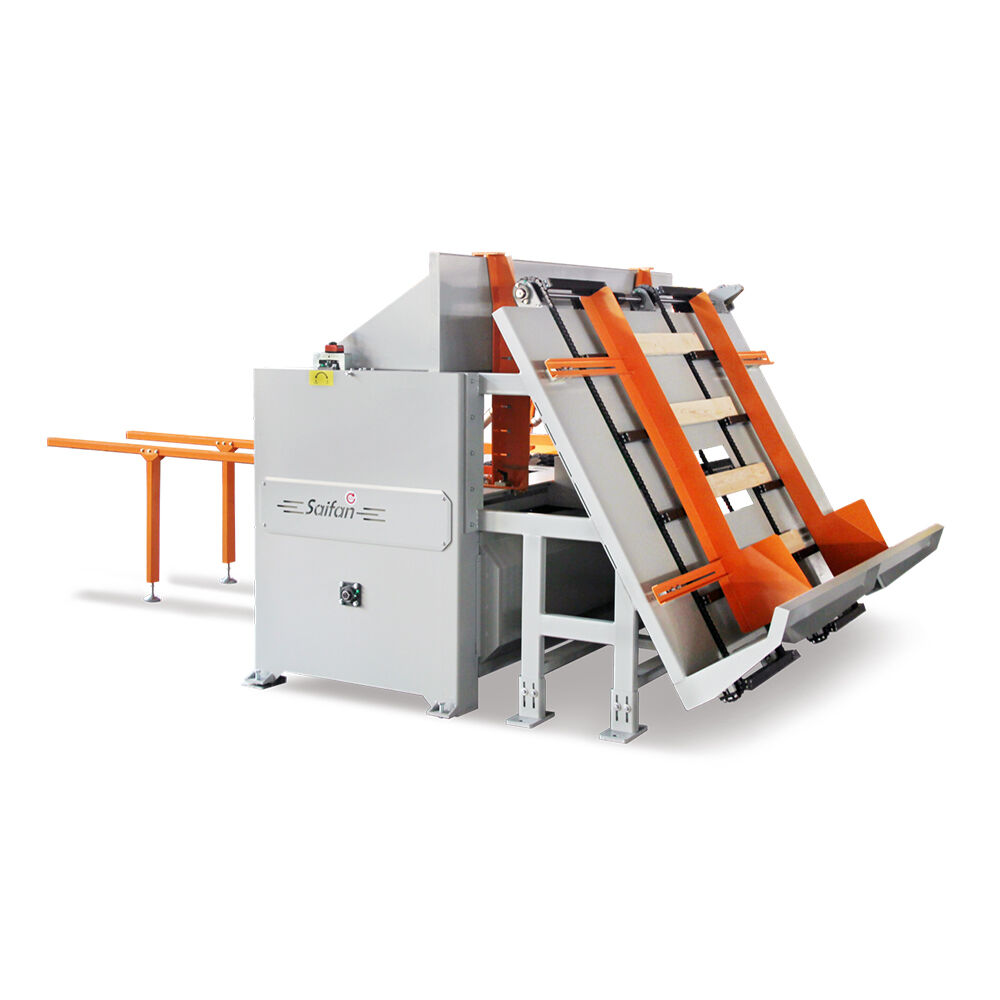
New Product Recommendations

Investing in a pallet nailing machine for woodworking factory delivers substantial operational improvements that directly impact your bottom line. Production speed increases dramatically, with modern machines capable of assembling complete pallets in under one minute compared to the five to ten minutes required for manual construction. This acceleration translates to output increases of 400 to 600 percent, enabling your facility to fulfill larger orders and respond quickly to market demands. Labor costs decrease significantly as one operator can supervise multiple machines, replacing teams of manual workers previously needed for equivalent output. The consistency achieved by automated nailing eliminates quality variations common in hand-built pallets, reducing customer complaints and product returns. Material waste drops substantially because precise nail placement prevents wood splitting and minimizes rejected units. Safety improvements represent another compelling benefit, as workers no longer perform repetitive hammering motions that cause fatigue injuries and workplace accidents. Energy efficiency exceeds manual methods since concentrated power delivery only during nailing cycles reduces overall consumption. The pallet nailing machine for woodworking factory adapts easily to different production requirements, with quick changeover capabilities allowing you to switch between pallet specifications without extensive downtime. Return on investment typically occurs within twelve to eighteen months through combined savings in labor, materials, and quality control costs. Maintenance requirements remain minimal with regular lubrication and inspection schedules, ensuring continuous operation during peak production periods. Your competitive position strengthens as faster turnaround times and consistent quality attract clients seeking reliable suppliers for their logistics operations.

Latest News

Automatic Wood Cutting Systems for Pallet Manufacturing: Accuracy and Speed

28

Feb

Automatic Wood Cutting Systems for Pallet Manufacturing: Accuracy and Speed

Achieving Sub-3mm Crosscut Accuracy with Automatic Wood Cutting Systems Laser Calibration and Real-Time Blade Deflection Compensation Today's automatic wood cutting machines can hit under 1.5mm accuracy on crosscuts thanks to laser calibration ...
View More
The Role of Conveyor Automation in Wooden Pallet Production Lines

28

Feb

The Role of Conveyor Automation in Wooden Pallet Production Lines

Why Conveyor Automation Is Essential for Modern Wooden Pallet Production LinesConveyor automation gets rid of those pesky manual handling bottlenecks that cause roughly 18% of all delays when making wooden pallets. Traditional approaches just can&apo...
View More
Key Advantages of Using High Speed Pallet Nailing Machines in Large Scale Production

27

Mar

Key Advantages of Using High Speed Pallet Nailing Machines in Large Scale Production

Boosting Production Efficiency with High-Speed Pallet Nailing Machines Eliminating Assembly Bottlenecks: From Manual Labor to Fully Synchronized Automation Switching from manual hammering to automated pallet nailing systems takes away those frustr...
View More
SF6060 Safety, Operation, Maintenance & Common Faults and Troubleshooting

13

May

SF6060 Safety, Operation, Maintenance & Common Faults and Troubleshooting

SF6060: Safety, Operation, Maintenance & Common Troubleshooting Guide Whether you’re a new operator or a seasoned maintenance technician, understanding the safety protocols, operational steps, and troubleshooting tips for the SF6060 is critic...
View More

Get a Free Quote

Our representative will contact you soon.
Email
Mobile
Name
Company Name
Message
0/1000

pallet nailing machine for woodworking factory

Automated Precision Engineering

Automated Precision Engineering

The pallet nailing machine for woodworking factory incorporates sophisticated positioning technology that guarantees exact nail placement with millimeter accuracy across every production cycle. Advanced sensor systems detect wood component alignment before initiating the nailing sequence, preventing misaligned assemblies that compromise structural integrity. Servo-driven actuators control nail gun positioning along multiple axes, enabling complex nailing patterns that traditional methods cannot replicate consistently. The automation eliminates human error variables, ensuring that each pallet meets identical specifications regardless of production volume or operator experience. Adjustable pressure settings accommodate different wood densities and nail sizes, preventing over-penetration that weakens joints or under-penetration that reduces holding strength. Digital displays provide real-time feedback on operation parameters, allowing immediate adjustments when switching between product specifications. This precision engineering extends equipment lifespan by preventing mechanical stress from improper operation while simultaneously elevating product quality to levels that command premium pricing in competitive markets. Quality control becomes simplified as automated production creates predictable outcomes that require minimal inspection compared to manually assembled alternatives.
High-Speed Production Capacity

High-Speed Production Capacity

Production velocity defines the core advantage of implementing a pallet nailing machine for woodworking factory within your manufacturing operations. Modern machines complete full pallet assembly in cycles ranging from thirty to sixty seconds, depending on complexity and size specifications. This rapid throughput enables single-shift operations to achieve production volumes previously requiring multiple shifts with manual labor crews. Automatic feeding systems continuously supply components to assembly stations, eliminating idle time between production cycles that reduces overall equipment effectiveness. Quick-change tooling allows transitions between different pallet designs in minutes rather than hours, maximizing productive runtime during varied production schedules. The sustained high-speed operation maintains consistent quality without the performance degradation that affects manual workers during extended shifts. Batch processing capabilities enable unattended operation during breaks and shift changes, with safety interlocks preventing accidents while maintaining production continuity. Your facility gains flexibility to accept rush orders and seasonal volume increases without hiring temporary workers or implementing costly overtime schedules. The production capacity of a pallet nailing machine for woodworking factory effectively multiplies your manufacturing capability, positioning your business to capture market share from competitors constrained by manual production limitations.
Robust Construction and Durability

Robust Construction and Durability

Engineering excellence characterizes every pallet nailing machine for woodworking factory, with heavy-duty steel frames designed to withstand continuous industrial operation under demanding conditions. Reinforced structural components resist vibration and mechanical stress generated during high-speed nailing cycles, maintaining alignment precision throughout years of service. Industrial-grade pneumatic and hydraulic systems deliver reliable power with minimal maintenance requirements, utilizing standardized components readily available for quick replacement when needed. Protective coatings on all metal surfaces prevent corrosion in humid woodworking environments where sawdust and moisture challenge equipment longevity. Enclosed drive mechanisms shield critical components from debris contamination that causes premature wear in exposed systems. Thermal management systems prevent overheating during extended production runs, ensuring consistent performance without forced cooling periods that interrupt workflow. Manufacturer support includes comprehensive warranties, technical training, and readily available spare parts that minimize downtime risks. The investment in a pallet nailing machine for woodworking factory delivers value across decades rather than years, with proper maintenance schedules enabling continuous operation that justifies capital expenditure through sustained productivity gains and operational cost reductions throughout the equipment lifecycle.