
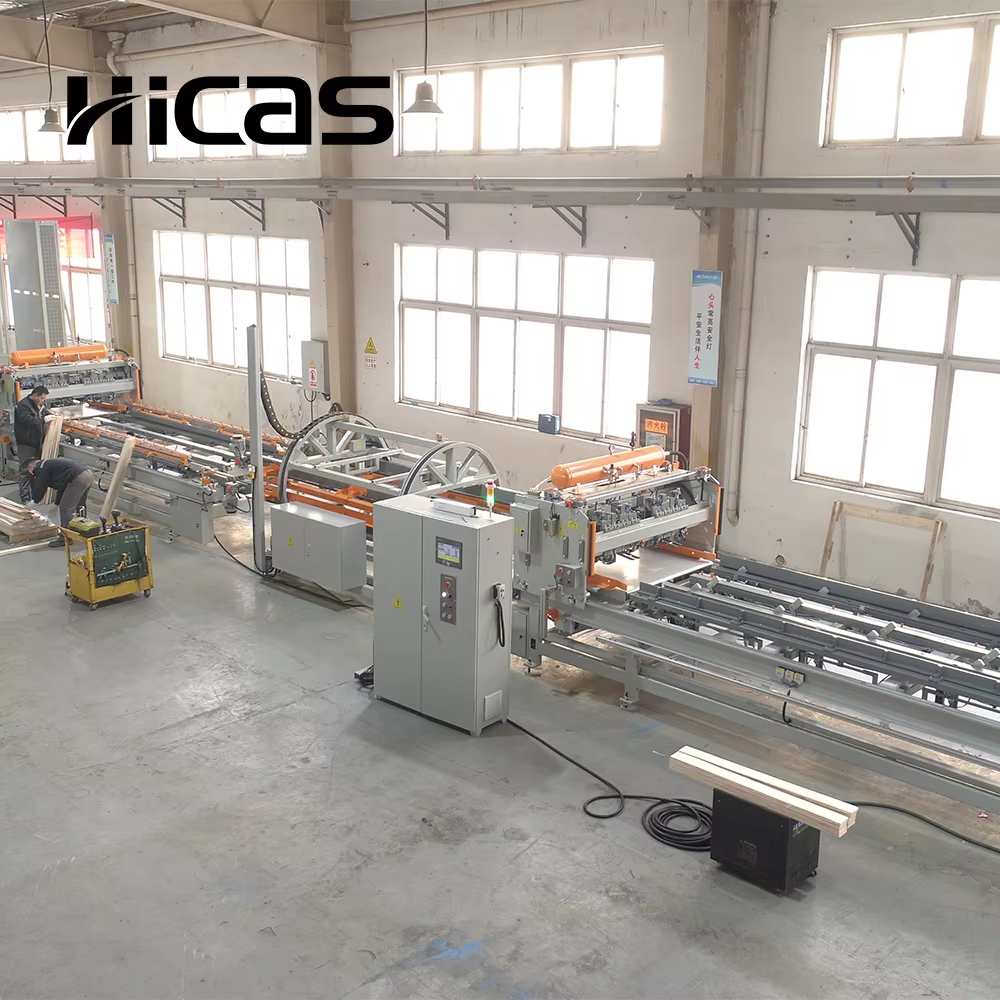
The Strategic Shift to Reusable Wooden Pallets in Eco-Friendly Packaging
Manufacturers across various industries are moving faster toward reusable wooden pallets these days, mainly because they want to meet their green goals and comply with stricter environmental regulations. Wood pallets can typically be used between 10 to 20 times before needing replacement, and around 95% get recycled within the industry, which means less trash ending up in landfills. What makes these pallets last so long is the modern machinery used in production, creating stronger joints and better support points throughout the structure. Studies show companies that switch from plastic to wood pallets cut down on carbon emissions by about 72% across their entire supply chain operations. Logistics managers who adopt this approach find themselves meeting requirements set by both the European Union's Circular Economy policies and American EPA guidelines for packaging materials. Plus, with ISO certification for closed-loop systems, old pallets either get fixed up, adjusted for different sizes, or turned into biomass fuel when they reach the end of their useful life. Companies implementing this system report saving roughly 40% on packaging expenses after just five years, plus making measurable strides against those tricky Scope 3 emission targets that track indirect carbon outputs.
How Modern Wooden Pallet Making Machines Enable Circularity and Compliance
Regulatory Drivers: EU Circular Economy Action Plan and U.S. EPA Sustainable Packaging Guidelines
Under the EU's Circular Economy Action Plan, businesses now face tough reuse rules set by the Packaging and Packaging Waste Regulations (PPWR). Companies must track pallet lifecycles using tech solutions such as QR code systems. Meanwhile across the Atlantic, the US EPA focuses on getting more value out of materials when it comes to eco-friendly packaging options. The industry fought hard to get special treatment for wooden pallets imported from abroad under these new EU rules, which helps keep things moving smoothly throughout supply chains without major hiccups. All these regulations have made advanced wooden pallet manufacturing equipment absolutely necessary worldwide. These machines take plain logs and turn them into uniform, reusable platforms that satisfy those tricky international green standards while keeping costs manageable for companies operating globally.
Carbon Impact: Lifecycle Analysis Showing 72% Lower CO2e vs. Single-Use Plastic Pallets
Wooden pallets that can be reused show better environmental results when we look at their whole life cycle. Studies have found that these wooden options create around 72 percent fewer CO2 emissions compared to those one-time-only plastic ones. And this isn't just some random number either; it's been confirmed in several scientific papers and industry reports too. Why does wood do so much better? Well for starters trees actually absorb carbon as they grow, plus making wood products takes less energy overall. Plus at the end of their useful life, most wood can still go back into circulation somehow. The newer machines used to make these wooden pallets help even more. They cut down on wasted materials by about 30%, which means each pallet lasts longer maybe anywhere from seven to ten years before needing replacement. All these things work together to create supply chains where companies aren't just talking about reducing waste anymore but actually seeing it happen day after day in their operations.
Smart Manufacturing: IoT-Enabled Monitoring and Predictive Maintenance
Pallet manufacturing these days makes good use of those IIoT sensors to keep tabs on how machines are performing as they work. The systems look at things like vibrations, temperature changes, and how much power different parts consume, all so we can spot when something might break down before it actually does. Take the nailing heads for instance - smart software picks up signs of worn bearings around three days ahead of time. That gives technicians enough warning to fix problems before production grinds to a halt, cutting unexpected shutdowns by roughly 40 percent according to what we've seen in practice. Moving away from fixing stuff only after it breaks saves money on wasted materials and keeps our machinery running longer. Plus, this approach helps us meet those circular economy goals without needing extra resources or raw materials just lying around unused.
Energy Efficiency: Hydraulic Optimization and Renewable-Powered Operation
Modern hydraulic systems are hitting around 30 percent better energy efficiency thanks to those variable speed pumps that tweak pressure according to actual load demands. Traditional constant flow systems just burn through electricity when sitting idle, which is pretty wasteful honestly. Many top-notch production sites have started incorporating solar panels or biomass generators into their setup, sometimes getting as much as 60% of their power from renewables. And when paired with those servo electric drives that actually capture energy normally lost during braking processes, the whole package cuts down carbon emissions per pallet by roughly two thirds compared to older equipment. These kinds of improvements aren't just good for the environment either they're turning standard wooden pallet manufacturing into something that fits right into today's green manufacturing landscape while still delivering real results on a large scale.
Certified Timber: FSC® vs. PEFC®―Choosing the Right Standard for Global Supply Chains
When it comes to responsible timber sourcing, third party certifications are where it all starts. Take the Forest Stewardship Council (FSC) for instance, they focus heavily on protecting ecosystems and standing up for community rights. Meanwhile, the Programme for the Endorsement of Forest Certification (PEFC) takes a different approach, focusing more on how certification works in specific regions and making sure small forest owners get included too. These days, companies that run wooden pallet manufacturing operations across the globe are really pushing for these certification standards. They want to cut down on deforestation problems and stay in line with those international ESG guidelines everyone keeps talking about. And let's face it, most big corporations are tracking their certified wood inputs now. Over 85% of sustainability reports include this information, showing just how important supply chain transparency has become for investors who care about what goes into their products.
Closed-Loop Systems: Refurbishment, Repair, and Recyclability of Engineered Wood Pallets
When it comes to managing products at their end of life, we're actually turning trash into treasure through something called circular logistics. Take engineered wood pallets for instance. These things typically get fixed up 5 to 7 times before they finally go to recycling. That means they last around three times longer than those one-time use alternatives most companies still rely on. The newer generation of wooden pallet manufacturing equipment allows for designs where parts can be swapped out easily when damaged. This saves about 40% of the raw materials that would otherwise go into completely new pallets. And when these pallets reach their final days, roughly 95% of all materials get reused either as biomass fuel or turned into composite lumber products. We're talking about keeping nearly 18 million tons of material out of landfills every year across the industry. This whole system not only cuts down on carbon emissions throughout the product's entire lifespan but also helps businesses hit their zero waste goals. What starts as just regulatory compliance ends up becoming a real selling point in today's market.
Frequently Asked Questions
Why are companies shifting to reusable wooden pallets?
Companies are shifting to reusable wooden pallets mainly to meet environmental regulations and reduce carbon emissions. Wooden pallets are durable, can be recycled, and lower carbon emissions by about 72% compared to plastic pallets.
What are the benefits of using modern wooden pallet making machines?
Modern wooden pallet making machines enhance durability by creating stronger joints, support circular economies by reducing waste, and improve compliance with international environmental standards.
How do wooden pallets contribute to carbon reduction?
Wooden pallets contribute to carbon reduction by utilizing less energy during production and leveraging the natural carbon absorption properties of trees. Lifecycle analyses show they result in approximately 72% lower CO2 emissions compared to single-use plastic pallets.
What certifications should companies consider for sustainable timber sourcing?
Companies should consider certifications like the Forest Stewardship Council (FSC) and the Programme for the Endorsement of Forest Certification (PEFC), as these assure responsible timber sourcing, supporting environmental sustainability and supply chain transparency.
Table of Contents
- The Strategic Shift to Reusable Wooden Pallets in Eco-Friendly Packaging
-
How Modern Wooden Pallet Making Machines Enable Circularity and Compliance
- Regulatory Drivers: EU Circular Economy Action Plan and U.S. EPA Sustainable Packaging Guidelines
- Carbon Impact: Lifecycle Analysis Showing 72% Lower CO2e vs. Single-Use Plastic Pallets
- Smart Manufacturing: IoT-Enabled Monitoring and Predictive Maintenance
- Energy Efficiency: Hydraulic Optimization and Renewable-Powered Operation
- Certified Timber: FSC® vs. PEFC®―Choosing the Right Standard for Global Supply Chains
- Closed-Loop Systems: Refurbishment, Repair, and Recyclability of Engineered Wood Pallets
- Frequently Asked Questions