
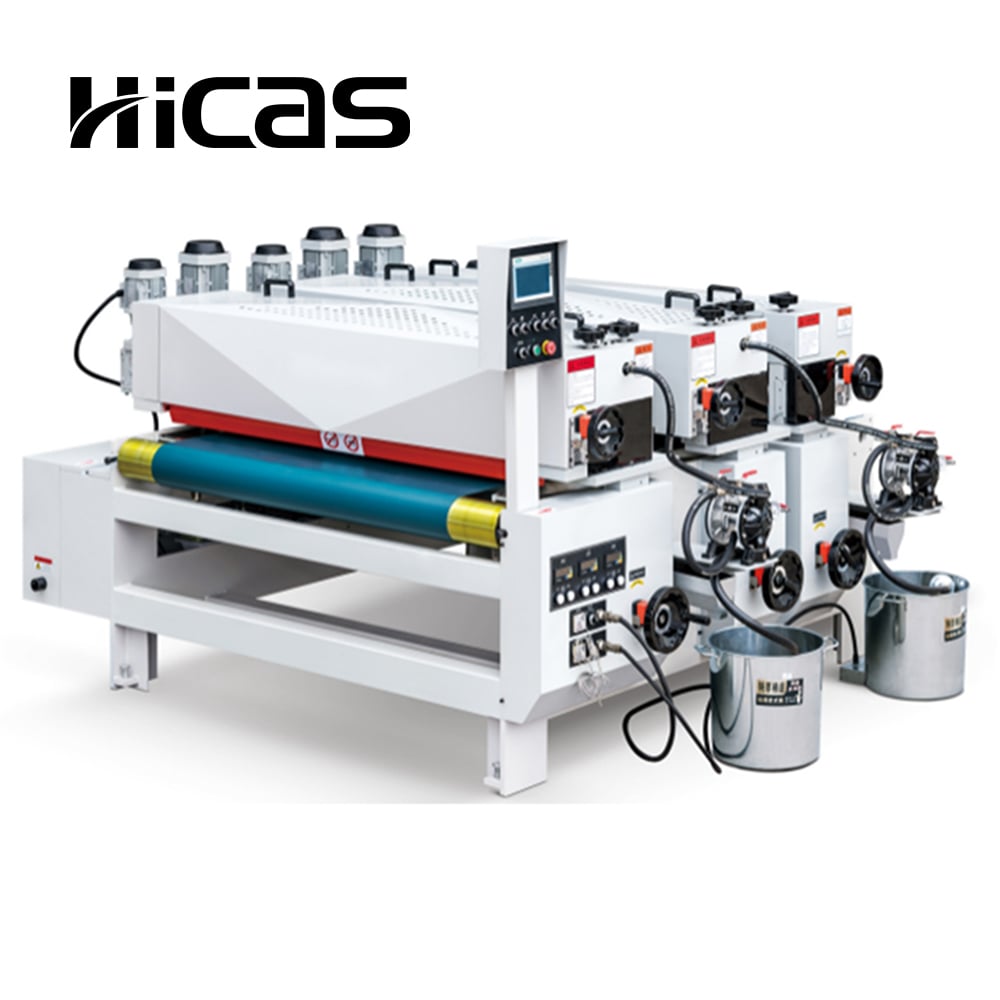
The finishing industry is undergoing a remarkable transformation, and wood coating machines sit at the center of that change. As manufacturing demands grow more complex and sustainability pressures mount, the technology embedded in wood coating machines is advancing at an unprecedented pace. Understanding where these systems are headed is critical for any furniture manufacturer, cabinet producer, or industrial wood finisher planning capital investments for the next five to ten years.
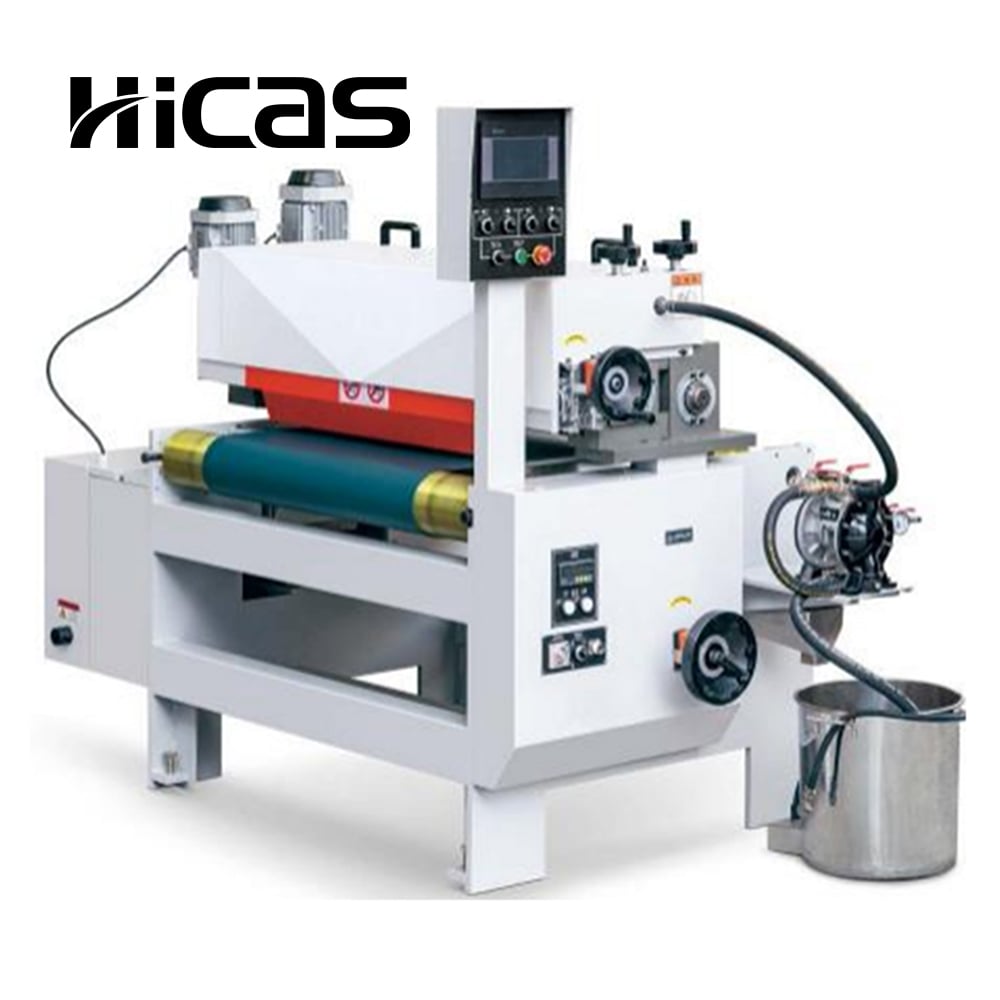
Today's wood coating machines are no longer simple spray or roller systems. They integrate sensors, software platforms, and precision mechanics to deliver consistent, high-quality finishes across large production volumes. The trajectory of wood coating machines points toward deeper automation, smarter intelligence, and more sustainable operating models. This article examines the most significant technological directions shaping the next generation of wood coating machines and what those shifts mean for production line performance.
Intelligent Automation in Wood Coating Machines
Robotic Integration and Adaptive Motion Control
One of the strongest trends in wood coating machines is the integration of industrial robotics with adaptive motion control. Traditional wood coating machines relied on fixed mechanical arms or static spray heads that applied finish in predetermined patterns. Modern systems now incorporate robotic applicators that adjust spray trajectories in real time based on part geometry. This means that wood coating machines can handle complex profiles, irregular contours, and mixed-batch production without requiring manual reprogramming between runs. The practical result is fewer rejects, reduced overspray, and more consistent film thickness across every workpiece.
Machine Vision and Quality Feedback Loops
Machine vision is becoming a standard feature in advanced wood coating machines. Cameras and optical sensors scan incoming workpieces before and after the coating process, detecting surface defects, measuring film uniformity, and flagging anomalies automatically. This real-time feedback allows wood coating machines to self-correct spray parameters mid-cycle rather than waiting for an operator to identify and respond to a quality issue. As vision systems become more affordable, even mid-range wood coating machines are beginning to incorporate this capability, making high-precision finishing accessible to smaller production facilities.
Sustainability-Driven Design in Modern Coating Lines
Low-VOC and Waterborne Coating Compatibility
Environmental regulations are pushing wood coating machines toward compatibility with waterborne and low-VOC coating materials. Traditional solvent-based finishes remain in use, but the industry is shifting, and wood coating machines must now handle a broader spectrum of coating chemistries. Future wood coating machines are being engineered with stainless steel fluid paths, improved atomization systems, and temperature-controlled coating chambers that preserve the integrity of sensitive waterborne materials. This design shift allows production facilities to reduce their environmental footprint without sacrificing the finish quality that customers demand.
Closed-Loop Overspray Recovery
Material waste is a major cost driver in any coating operation, and next-generation wood coating machines are addressing this through closed-loop overspray recovery systems. Rather than exhausting coating mist into filtration units and discarding it, advanced wood coating machines capture overspray, filter it, and reintroduce usable material back into the coating circuit. This approach reduces raw material consumption significantly. For high-volume operations running wood coating machines continuously across multiple shifts, overspray recovery directly improves material yield and lowers per-unit finishing costs.
Digital Integration and Smart Manufacturing Connectivity
IIoT Connectivity and Remote Diagnostics
The Industrial Internet of Things is reshaping how wood coating machines communicate within a factory environment. Modern wood coating machines are equipped with embedded sensors that monitor motor temperatures, pump pressures, spray volumes, and conveyor speeds continuously. This data feeds into centralized manufacturing execution systems, giving production managers a live view of every wood coating machine on the floor. Remote diagnostics mean that service technicians can access machine data off-site to identify potential failures before they cause unplanned downtime. As IIoT infrastructure matures, wood coating machines will become fully integrated nodes within smart factory ecosystems.
Recipe Management and Digital Twin Technology
Digital twin technology is emerging as a powerful tool for optimizing wood coating machines without interrupting live production. A digital twin creates a virtual replica of a physical coating line, allowing engineers to simulate process changes, test new coating materials, and validate machine settings in a risk-free environment. When the optimized parameters are confirmed, they are pushed directly to the physical wood coating machines as stored recipes. This dramatically reduces setup time when switching between product types and ensures that wood coating machines maintain consistent quality even across complex multi-product production schedules. Recipe management libraries are becoming a standard feature request among buyers evaluating wood coating machines for furniture and door manufacturing applications.
FAQ
What makes future wood coating machines different from current models?
Future wood coating machines will differ primarily in their levels of automation, connectivity, and material compatibility. While current wood coating machines often require manual adjustments between product runs, next-generation systems use adaptive controls, vision feedback, and digital recipe management to handle variability automatically. The integration of IIoT sensors and remote diagnostics also gives future wood coating machines a predictive maintenance capability that current models largely lack.
Are wood coating machines compatible with all types of wood finishes?
Not all wood coating machines are compatible with every coating type. Compatibility depends on the fluid handling components, atomization system, and temperature control features built into each machine. Leading-edge wood coating machines are being engineered for multi-chemistry compatibility, allowing operators to run solvent-based, waterborne, and UV-curable coatings on the same platform with appropriate changeover procedures. Buyers should verify coating compatibility with suppliers before specifying wood coating machines for lines that process diverse finish types.
How do wood coating machines contribute to sustainable manufacturing?
Wood coating machines contribute to sustainability in several key ways. Advanced wood coating machines reduce material waste through precision application and overspray recovery, minimizing coating consumption per unit produced. Compatibility with low-VOC and waterborne materials allows wood coating machines to support compliance with environmental regulations. Energy-efficient drive systems and optimized conveyor speeds also reduce the overall energy footprint of wood coating machines, making them an important lever in a facility's broader sustainability strategy.