
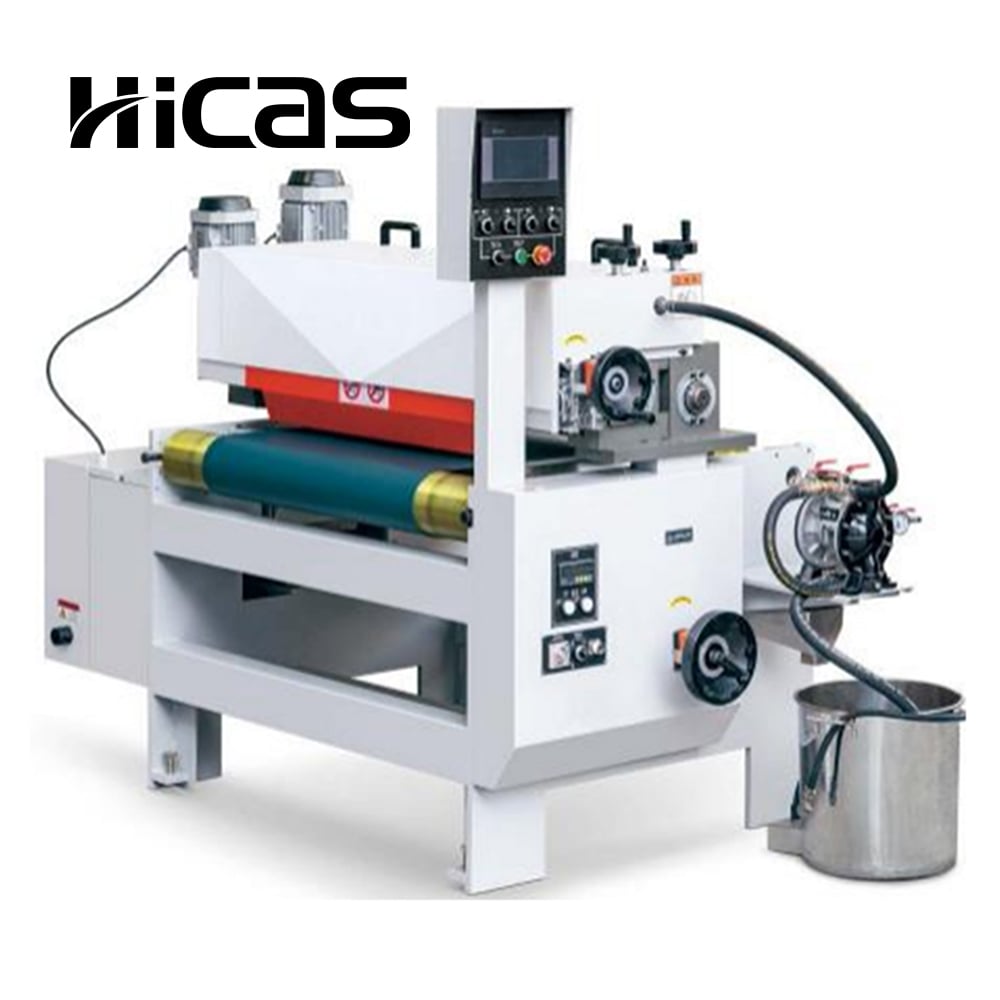
Thick primer application is one of the most persistent challenges faced by manufacturers who rely on wood coating machines in high-volume production environments. When primer layers are applied too heavily or unevenly, the resulting surface defects can compromise the quality of every subsequent finishing stage. Understanding how wood coating machines are engineered to handle this specific obstacle is essential for any woodworking operation aiming to maintain efficiency and output quality.
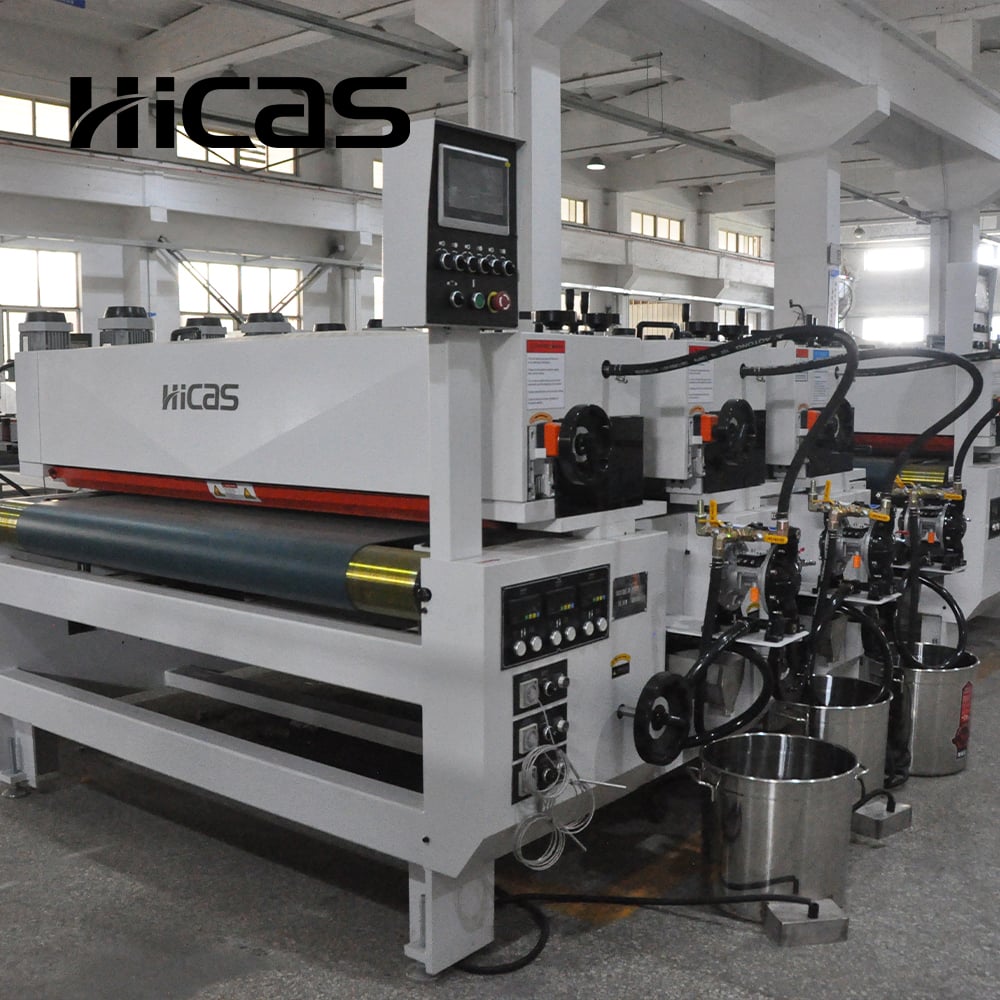
Wood coating machines designed for primer application and sanding must perform reliably under demanding conditions. Thick primers raise viscosity, increase surface tension, and create uneven film builds that standard equipment often struggles to manage. Modern wood coating machines, however, incorporate targeted mechanical and control features that directly address these thick primer obstacles, enabling manufacturers to achieve consistent finishes without sacrificing throughput.
Why Thick Primer Creates Problems for Wood Coating Machines
The Physical Challenges of Viscous Primer
When primer viscosity increases, wood coating machines must exert more precise control over application pressure, roller speed, and film thickness. High-viscosity primers tend to pull unevenly across panel surfaces, leaving ridges, fish-eyes, and uneven build-up. These surface irregularities make downstream sanding far more demanding. Wood coating machines that lack adequate pressure calibration will either over-apply or under-apply primer, creating inconsistencies that accumulate across a production batch.
Thick primer also dries more slowly, which affects the timing between application and sanding stages in wood coating machines. If panels advance to the sanding unit too quickly, the primer tears rather than sands cleanly. If they advance too slowly, the line slows down and productivity drops. Wood coating machines must therefore integrate application and sanding timing controls that adapt to primer viscosity in real time.
Impact on Sanding Performance and Surface Quality
The sanding stage within wood coating machines is directly affected by how well primer has been applied and cured. Thick primer layers that have not been leveled properly create high spots and low spots across the panel. Abrasive belts and sanding rollers in wood coating machines then wear unevenly, increasing maintenance frequency and reducing abrasive service life. The result is a compounding problem where thick primer leads to inconsistent sanding, which leads to poor topcoat adhesion and visible surface defects.
How Wood Coating Machines Are Built to Handle Thick Primer
Precision Roller and Pressure Control Systems
Advanced wood coating machines address thick primer obstacles through precisely engineered roller systems that regulate application pressure with fine accuracy. Adjustable rubber rollers distribute primer film across panel surfaces evenly, compensating for viscosity variations. These rollers in wood coating machines are typically paired with doctor blade systems or metering rollers that control the exact volume of primer transferred to each panel. This level of mechanical precision ensures that even high-viscosity primers are applied at a consistent, controlled thickness.
Wood coating machines equipped with servo-driven pressure adjustment allow operators to fine-tune roller gap settings without stopping the production line. This dynamic adjustment capability is particularly valuable when switching between primer formulations with different viscosities. The ability to adapt quickly means wood coating machines can handle a wider range of primer types without requiring lengthy setup changes between production runs.
Integrated Sanding Units for Post-Primer Smoothing
One of the most effective design features in modern wood coating machines is the integration of sanding units directly after the primer application station. Rather than relying on a separate offline sanding process, these wood coating machines consolidate primer application and surface smoothing into a single automated workflow. Oscillating sanding rollers or wide-belt sanding heads within wood coating machines level the primer surface precisely, removing high spots while preserving the overall film build. This integrated approach significantly reduces the surface variation caused by thick primer application.
The sanding units in wood coating machines are engineered with consistent contact pressure across the full panel width. This uniformity ensures that thick primer deposits are removed evenly, leaving a flat, receptive surface for topcoat application. Wood coating machines with calibrated sanding pressure sensors can also detect surface irregularities in real time and adjust abrasive contact dynamically, further enhancing consistency across large production volumes.
Operational Practices That Maximize Wood Coating Machine Performance
Primer Formulation and Machine Compatibility
Selecting a primer formulation that aligns with the specifications of your wood coating machines is a critical operational decision. Not all primers behave the same way under mechanical application, and wood coating machines are typically optimized for a defined viscosity range. Using primers that fall within the recommended viscosity window for your specific wood coating machines reduces the risk of uneven application and extends the service life of rollers and abrasive components. Operators should consult primer technical data sheets and cross-reference them with machine specifications before committing to a new formulation.
Temperature control also plays a significant role in primer behavior within wood coating machines. Primer viscosity decreases as temperature increases, so maintaining a stable workshop temperature helps wood coating machines apply primer more consistently. Some advanced wood coating machines include heated roller systems or climate-controlled primer reservoirs that actively manage primer temperature during production, further stabilizing viscosity and improving film uniformity.
Routine Maintenance to Sustain Consistent Output
Wood coating machines handling thick primers require more frequent maintenance than those used with standard-viscosity coatings. Primer residue accumulates on rollers, doctor blades, and conveyor components, gradually affecting the precision of wood coating machines over time. Establishing a structured cleaning and inspection schedule ensures that wood coating machines retain their calibration accuracy and continue to deliver the surface quality required for high-grade wood finishing. Regular replacement of abrasive belts and sanding pads is equally important to maintain the smoothing performance that addresses thick primer build-up.
FAQ
What makes wood coating machines suitable for thick primer applications?
Wood coating machines designed for thick primer work feature adjustable roller pressure, precise metering systems, and integrated sanding units. These components work together to apply and level high-viscosity primers consistently, preventing the surface defects that thick primer commonly causes.
How often should wood coating machines be serviced when used with thick primers?
When wood coating machines are used regularly with thick primers, a daily cleaning routine is recommended for rollers and doctor blades. Full mechanical inspections should be conducted weekly, and abrasive components should be replaced based on usage volume rather than a fixed schedule to maintain consistent surface quality.
Can wood coating machines handle multiple primer viscosities in one production line?
Yes, modern wood coating machines with servo-controlled pressure adjustment and variable-speed drives can accommodate multiple primer viscosities within the same production line. Operators configure machine settings for each primer type, allowing wood coating machines to transition between formulations efficiently without significant downtime or quality loss.