Double Head Wide Belt Sander - Precision Finishing

L
O
A
D
I
N
G

Get a Free Quote

Our representative will contact you soon.
Email
Mobile
Name
Company Name
Message
0/1000

double head wide belt sander

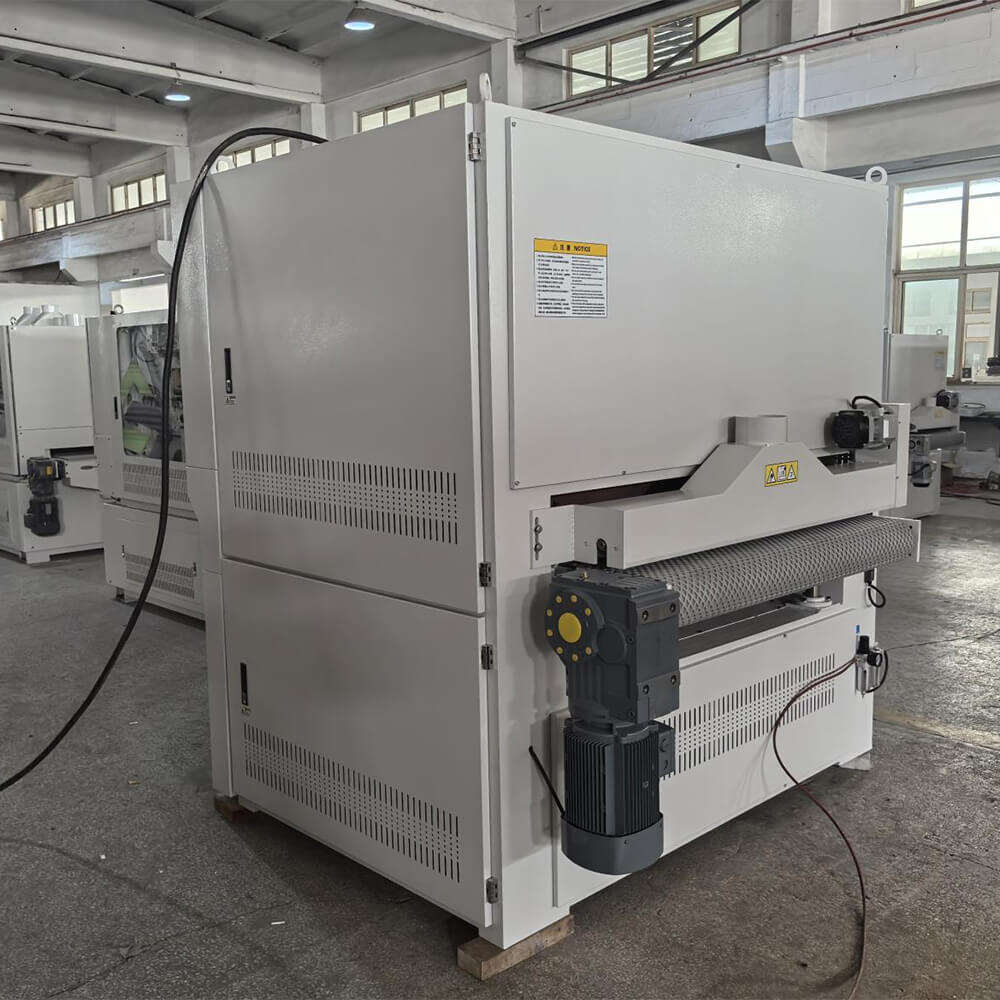
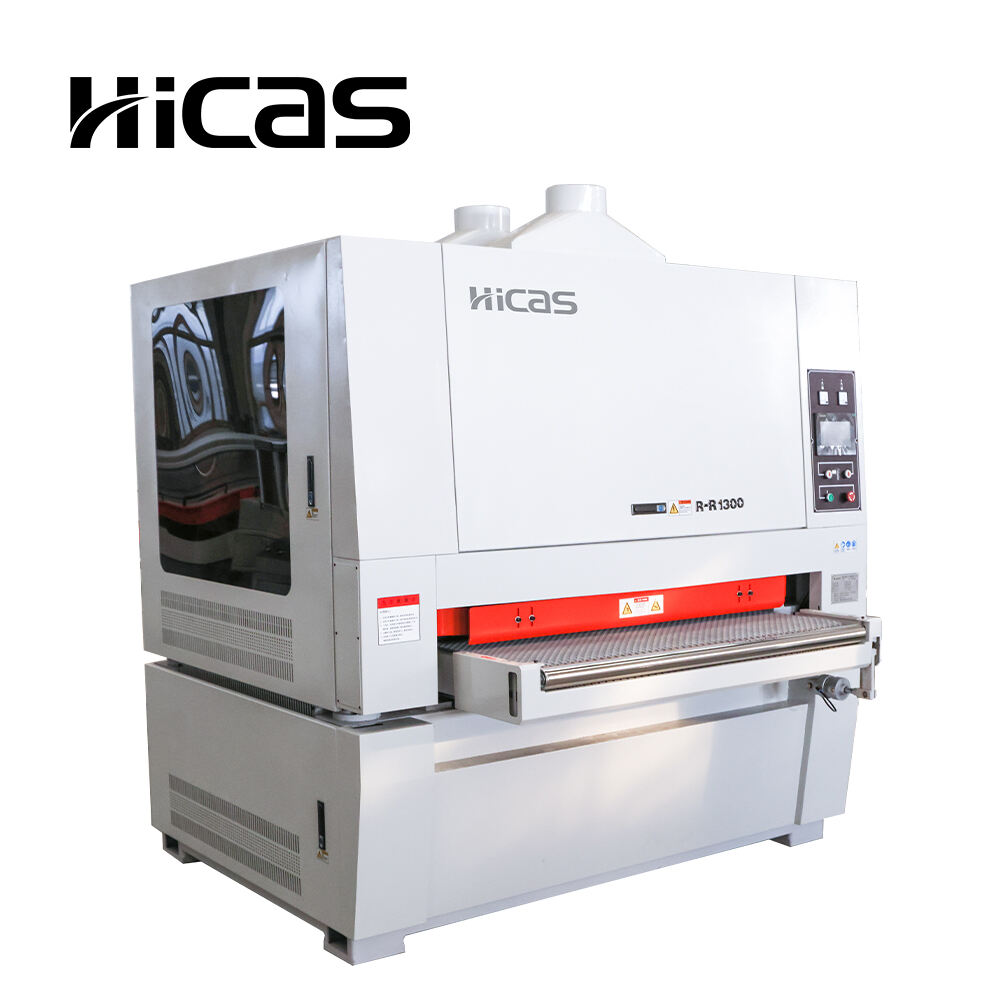
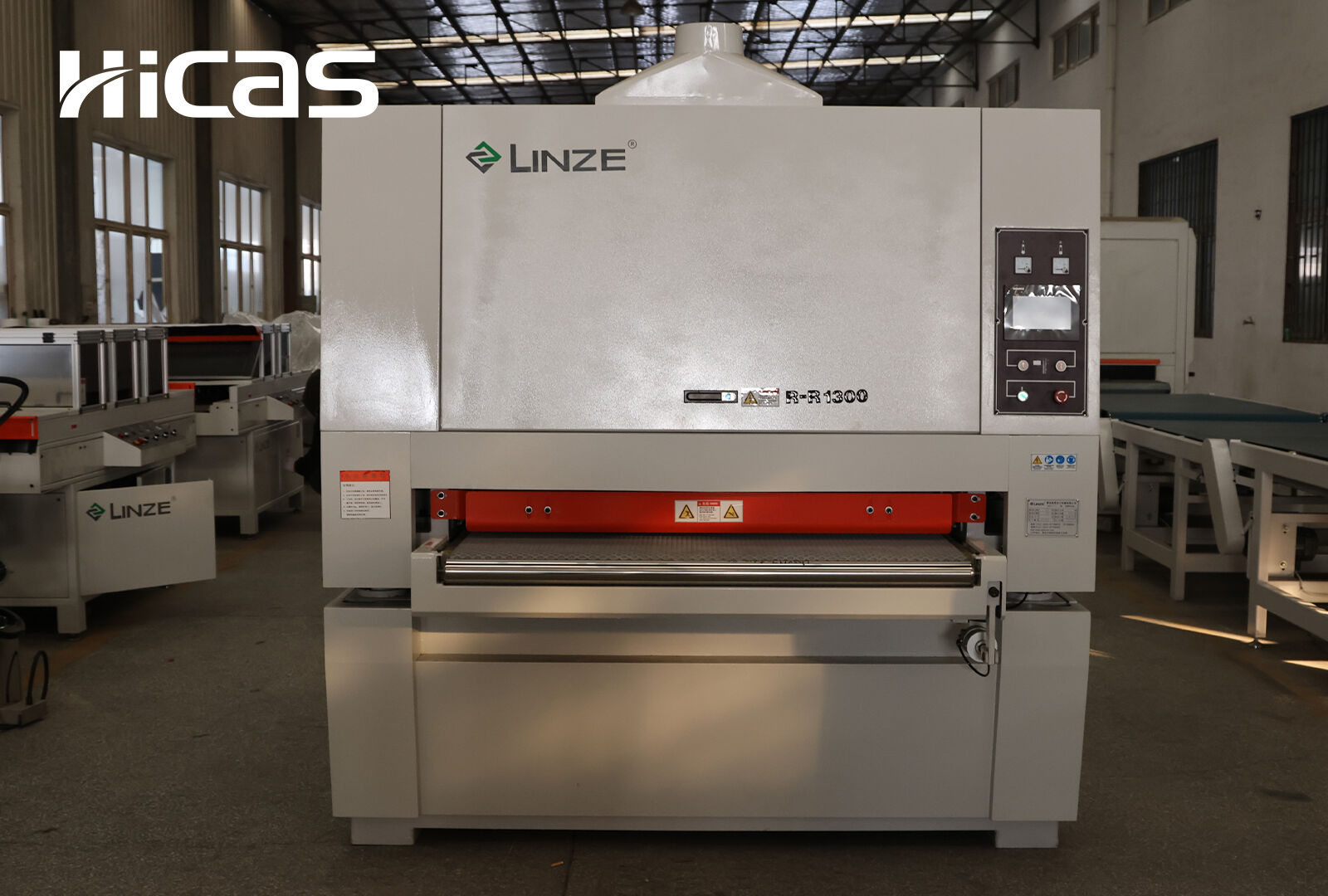
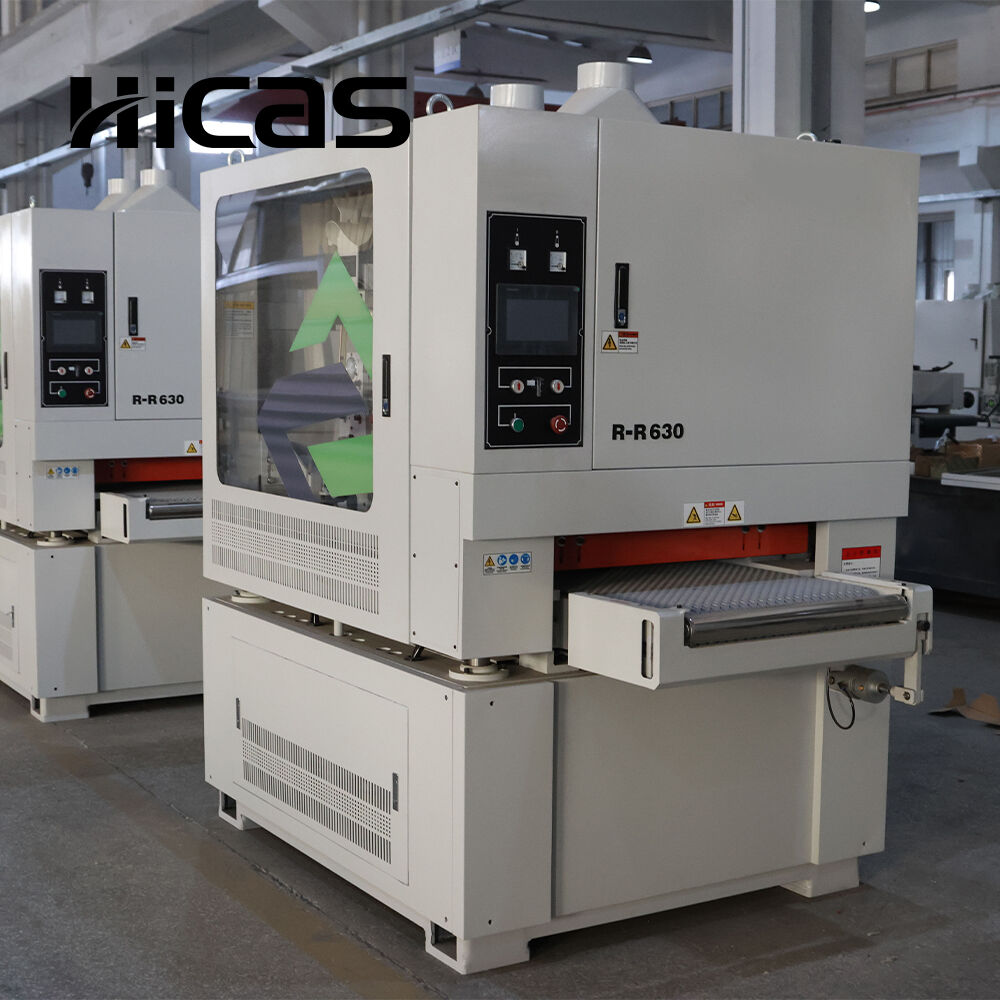
The double head wide belt sander is an advanced woodworking machine designed to deliver exceptional surface finishing results through its innovative dual-head configuration. This industrial-grade equipment features two independent sanding heads that work in tandem to achieve superior material removal and precise thickness calibration. The machine accommodates wide belt abrasives, making it ideal for processing large panels, doors, furniture components, and various wood-based materials with remarkable efficiency. Its primary functions include surface planning, thickness sanding, fine finishing, and defect removal across substantial workpiece widths. The double head wide belt sander incorporates sophisticated technological features such as variable speed control systems, pneumatic pressure adjustment mechanisms, and precision tracking systems that maintain optimal belt alignment throughout operation. Electronic digital displays provide real-time monitoring of sanding parameters, ensuring consistent results across production runs. The robust construction typically includes heavy-duty cast iron frames, precision-ground reference tables, and powerful motor systems that deliver reliable performance under demanding production conditions. This equipment finds extensive applications in furniture manufacturing facilities, cabinet production shops, door manufacturing plants, and custom woodworking operations where high-volume output and superior surface quality are essential requirements. The dual-head design significantly reduces processing time compared to single-head alternatives, while simultaneously improving finish quality through sequential sanding stages that progressively refine surface characteristics and eliminate cross-grain scratches effectively.

New Product Releases

Investing in a double head wide belt sander delivers substantial practical benefits that directly impact your production efficiency and product quality. The dual-head configuration allows you to complete multiple sanding stages in a single pass, cutting your processing time in half compared to traditional single-head machines. This means you can fulfill orders faster, increase your daily output, and reduce labor costs significantly. The machine's wide belt capacity handles large panels and components effortlessly, eliminating the need for multiple passes on smaller equipment and reducing material handling time. You'll notice immediate improvements in surface consistency because the sequential sanding heads work together to create progressively finer finishes without manual intervention. The precision thickness control ensures every piece meets exact specifications, reducing waste from over-sanding and minimizing rework. Your operators will appreciate the user-friendly controls that simplify setup and adjustment, reducing training time and operational errors. The variable speed settings let you adapt quickly to different materials and finishing requirements, making your operation more versatile and capable of handling diverse projects. Energy-efficient motor systems keep operating costs manageable while delivering powerful performance when you need it. The robust construction means less downtime for maintenance and repairs, keeping your production schedule on track. For businesses processing high volumes of doors, panels, or furniture components, this equipment becomes essential for maintaining competitive lead times. The consistent quality output helps you build a reputation for excellence, leading to repeat customers and referrals. Small to medium-sized shops gain enterprise-level capabilities, while large manufacturers achieve the throughput necessary for profitable mass production operations.

Latest News

Applications of Wide Belt Sanders in the Metalworking Industry

18

Mar

Applications of Wide Belt Sanders in the Metalworking Industry

Wide-belt sanding technology for metals utilizes continuous sanding belts to achieve precise surface finishes in a variety of industrial applications. These automated systems maintain stable material removal rates via electric conveyor belts and ad...
View More
Choosing Between Entry-Level and High-Speed Wooden Pallet Making Machines

26

Feb

Choosing Between Entry-Level and High-Speed Wooden Pallet Making Machines

Production Volume Requirements: Matching Output to Wooden Pallet Making Machine Capability Cycle Time, Pallets per Shift, and Scalability Thresholds The amount of pallets being produced on a regular basis really makes all the difference when decid...
View More
SF9025 Stringer Pallet Nailing Machine Basic Operation Instructions

02

Jun

SF9025 Stringer Pallet Nailing Machine Basic Operation Instructions

SF9025 Basic Operation Instructions ①. Power and Air Supply Connection 1. Connect the Air Supply Connect the compressed air source. (Ensure the air is dry and the air supply is sufficient.) Adjust the pressure regulator to meet the required nail...
View More
The basic operation of the SF9020 slab connection machine equipment

04

Jun

The basic operation of the SF9020 slab connection machine equipment

I. Operating Precautions This is a high-performance and advanced equipment. Before operating it, you must carefully read the equipment manual to operate and maintain it properly in various working environments, ensuring maximum safety. Ensure that th...
View More

Get a Free Quote

Our representative will contact you soon.
Email
Mobile
Name
Company Name
Message
0/1000

double head wide belt sander

Sequential Dual-Head Sanding Technology

Sequential Dual-Head Sanding Technology

The defining feature of the double head wide belt sander is its sequential dual-head configuration that revolutionizes surface finishing workflows. The first sanding head performs aggressive material removal and initial leveling, while the second head immediately follows with fine finishing operations. This sequential approach eliminates the need to run materials through separate machines or make multiple passes, saving valuable production time and reducing material handling. The strategic spacing between heads allows the workpiece to stabilize between sanding stages, preventing heat buildup that can cause warping or surface defects. Each head operates independently with its own pressure controls and belt tracking systems, giving you precise control over the sanding progression. You can install different grit abrasives on each head to create a customized finishing sequence that matches your specific quality requirements. This technology ensures that every workpiece receives consistent treatment regardless of material variations, delivering uniform results across entire production runs. The dual-head design also extends abrasive life by distributing the workload appropriately between aggressive cutting and fine finishing operations, reducing your consumable costs over time.
Wide Belt Capacity for Large Format Processing

Wide Belt Capacity for Large Format Processing

The wide belt capacity of the double head wide belt sander addresses the practical challenge of efficiently processing large-format materials that dominate modern furniture and cabinetry production. Standard configurations accommodate belt widths ranging from 37 inches to 63 inches, allowing you to sand full-width panels, door slabs, and table tops in single passes without repositioning. This capability is particularly valuable when working with edge-glued panels, veneered substrates, and solid wood components that require uniform sanding across their entire surface. The wide format eliminates the visible seam lines and inconsistencies that occur when narrower machines require overlapping passes. Heavy-duty platens beneath the sanding belts provide firm, consistent backing across the entire width, preventing the belt from deflecting under pressure and ensuring even material removal from edge to edge. The precision-engineered conveyor systems transport workpieces smoothly through both sanding stations while maintaining perfect alignment, preventing skewing or tracking errors that waste material. For operations producing architectural millwork, commercial cabinetry, or residential furniture, this wide-format capability translates directly into higher productivity and better quality outcomes that satisfy demanding customer specifications.
Advanced Control Systems for Precision Results

Advanced Control Systems for Precision Results

Modern double head wide belt sander machines incorporate sophisticated control systems that transform complex sanding operations into manageable, repeatable processes. Digital control panels display real-time information about belt speed, conveyor feed rate, sanding pressure, and motor load, giving operators complete visibility into machine performance. Programmable presets allow you to store optimal settings for different materials and finishing requirements, enabling quick changeovers between jobs without lengthy trial-and-error adjustments. Automatic pressure compensation systems monitor sanding resistance and adjust head pressure dynamically to maintain consistent material removal rates even when processing boards with thickness variations or density differences. Electronic belt tracking systems use sensors to detect lateral belt movement and make instantaneous corrections, preventing belt damage and maintaining proper contact with the workpiece. Variable frequency drives control motor speeds with precision, allowing you to fine-tune sanding aggressiveness for delicate veneers or increase power for rapid stock removal from rough lumber. Safety interlocks and emergency stop systems protect both operators and equipment from damage during unexpected situations. These advanced control features reduce the skill level required for operation, minimize setup waste, and ensure that every shift produces consistent results regardless of which operator runs the machine.