Epal Pallet Machine Price Guide & Value Analysis

L
O
A
D
I
N
G

Get a Free Quote

Our representative will contact you soon.
Email
Mobile
Name
Company Name
Message
0/1000

epal pallet machine price

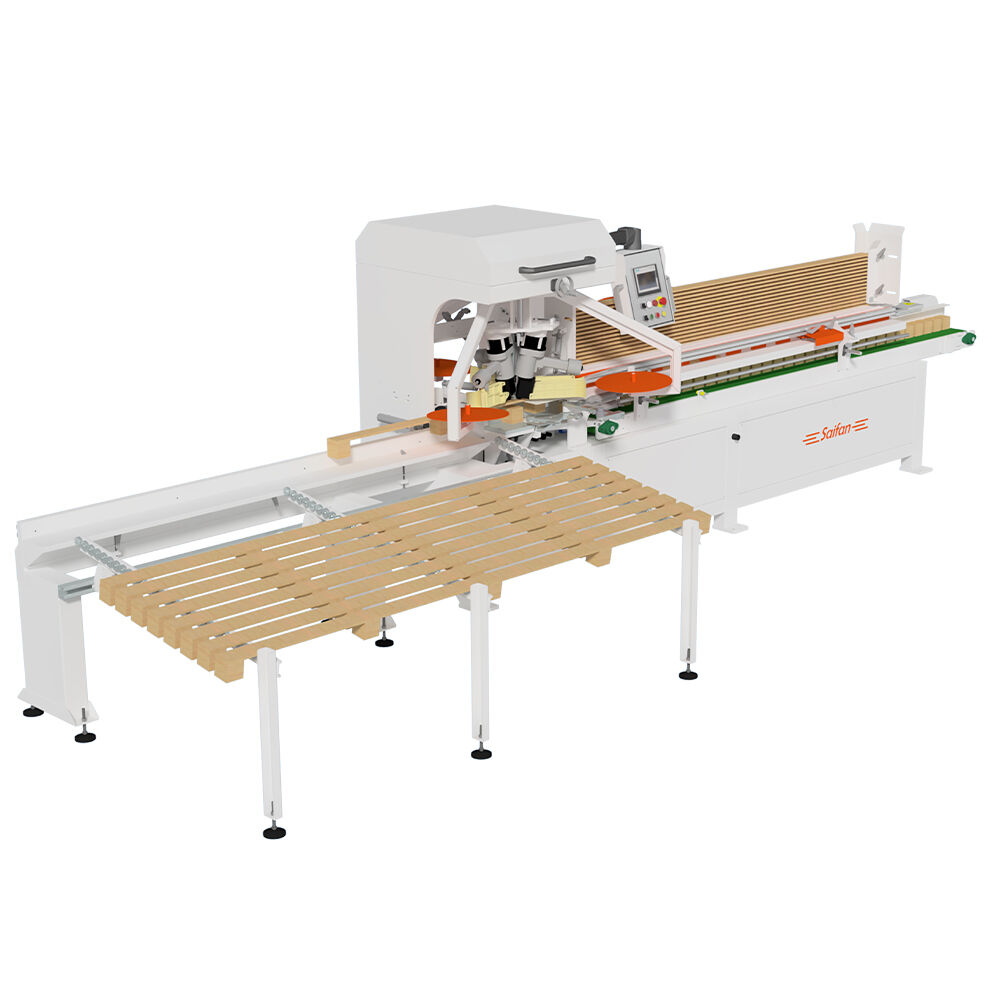
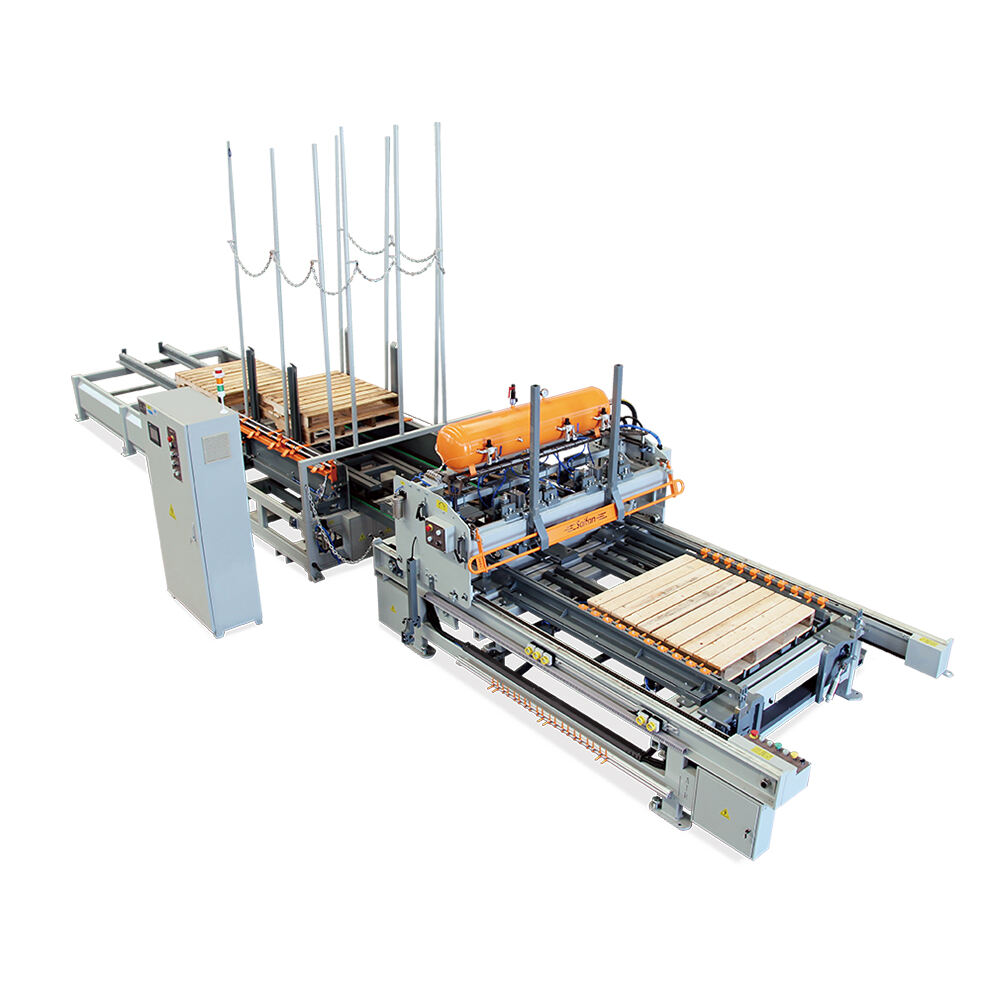
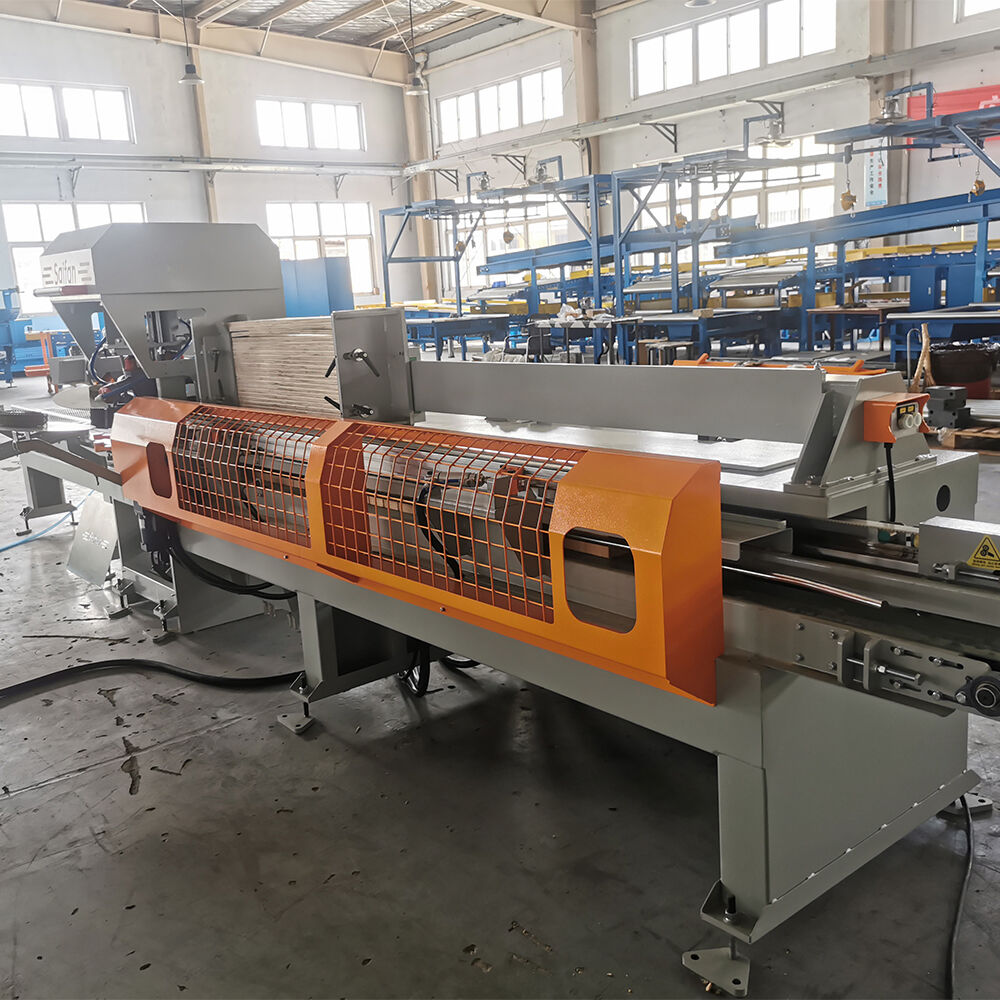
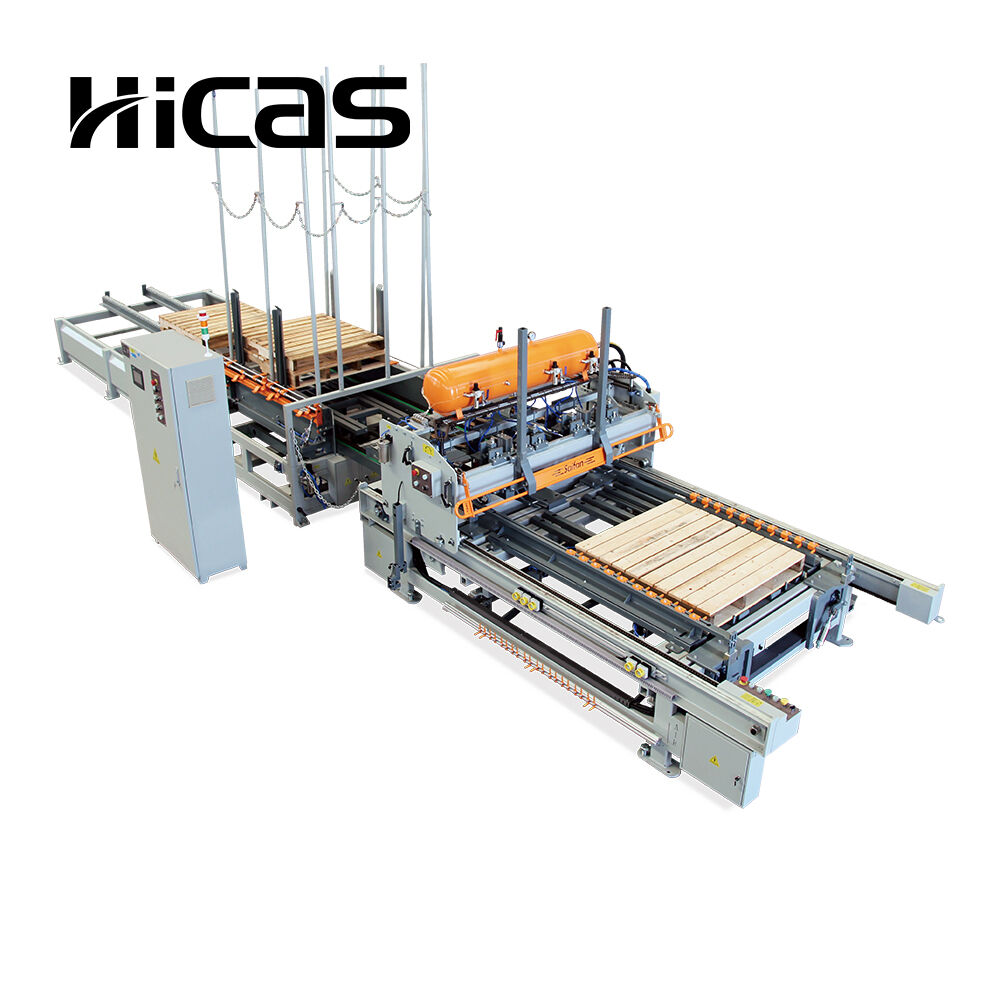
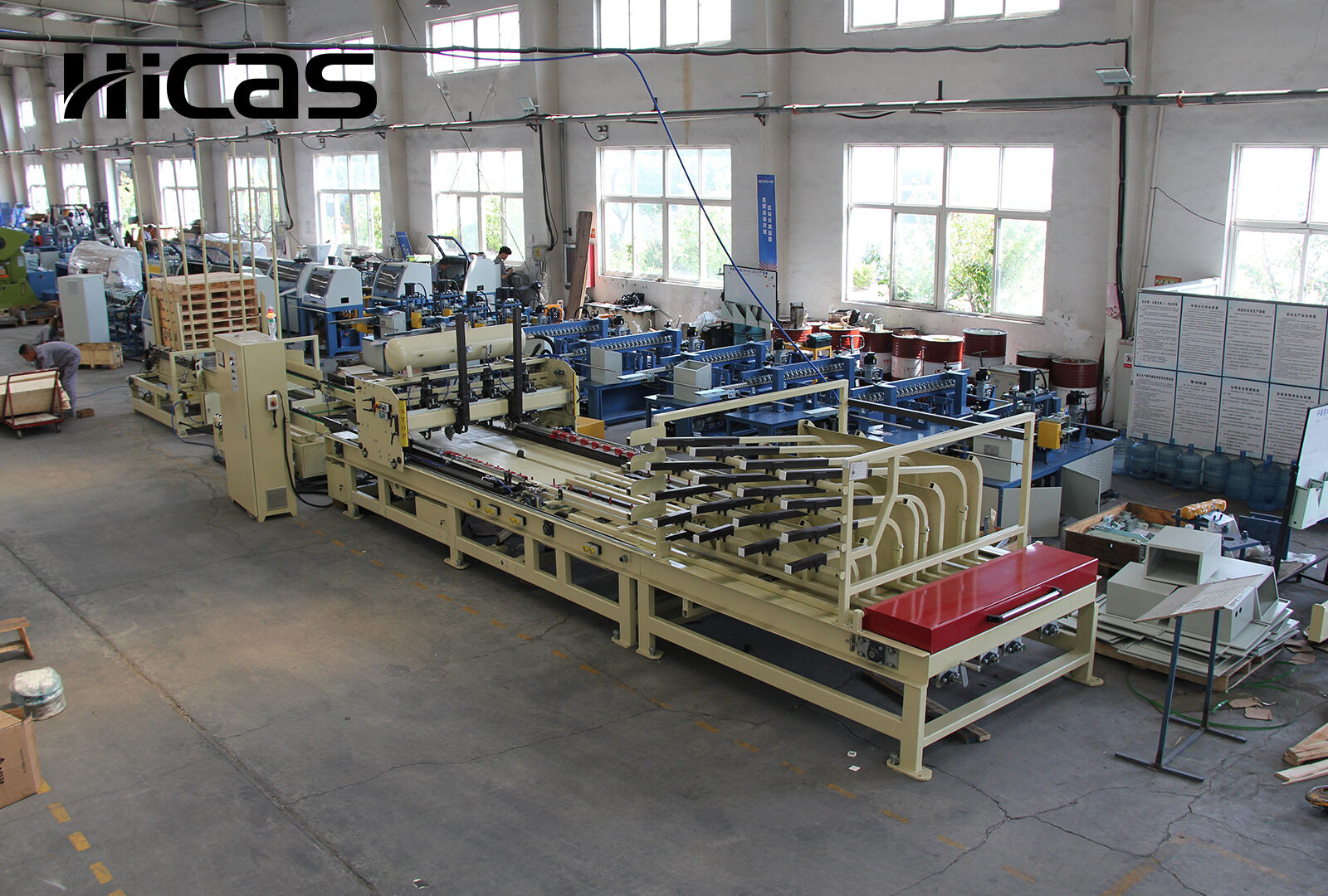
Understanding the epal pallet machine price is essential for businesses seeking efficient and reliable pallet production solutions. EPAL pallets are standardized European pallets widely recognized across international supply chains, and investing in specialized machinery to produce them requires careful consideration of cost versus capability. The epal pallet machine price typically ranges from $15,000 to $150,000 depending on automation level, production capacity, and technological sophistication. These machines are designed to manufacture high-quality wooden pallets that meet strict EPAL certification standards, ensuring dimensional accuracy and structural integrity. Main functions include automated nail driving, precise board cutting, automatic block positioning, and quality inspection systems. Technological features often encompass programmable logic controllers for process automation, servo motor systems for accurate positioning, hydraulic pressing mechanisms for consistent assembly, and integrated safety systems. Modern machines incorporate touchscreen interfaces for operator convenience and data logging capabilities for production monitoring. Applications span logistics companies, manufacturing facilities, pallet rental operations, and wood processing enterprises requiring consistent EPAL-compliant pallet output. When evaluating the epal pallet machine price, buyers should consider production volume requirements, labor cost savings, quality consistency, maintenance expenses, and return on investment timelines. The price variation reflects differences in hourly output rates, ranging from semi-automatic systems producing 80-120 pallets daily to fully automated lines manufacturing 400-600 units per shift, making price assessment crucial for matching investment to operational needs.

Popular Products

Evaluating the epal pallet machine price reveals significant advantages that translate directly into operational efficiency and financial returns. First, automated production dramatically reduces labor costs by minimizing manual handling and assembly tasks, with machines requiring only one or two operators compared to traditional crews of five to eight workers. This labor efficiency alone can offset the epal pallet machine price within 18 to 36 months depending on production volume. Second, consistency and quality improvement stand out as major benefits, as machines eliminate human error and produce pallets with precise dimensions that meet EPAL certification requirements every time, reducing rejection rates and ensuring customer satisfaction. Third, production speed increases substantially, with modern machines completing pallet assembly in 45 to 90 seconds compared to several minutes for manual methods, directly boosting revenue potential and order fulfillment capacity. Fourth, material waste reduction occurs through optimized cutting patterns and accurate component placement, lowering raw material costs by 8 to 15 percent annually. Fifth, workplace safety improves significantly as automated systems handle dangerous tasks like nail gun operation and heavy lifting, reducing injury risks and associated insurance costs. Sixth, scalability becomes achievable as adding production capacity requires minimal additional labor, allowing businesses to grow revenue without proportional cost increases. Seventh, the epal pallet machine price includes technology that provides production data and performance metrics, enabling informed management decisions and continuous process improvement. These practical benefits make the investment particularly suitable for businesses producing over 50 pallets daily, pallet rental companies requiring standardized output, manufacturers seeking supply chain integration, and entrepreneurs entering the pallet production market with competitive advantages built into their operational foundation from day one.

Latest News

What Is Roll Coating and How Does Roll Coating Equipment Work

18

Mar

What Is Roll Coating and How Does Roll Coating Equipment Work

What Is Roll Coating? Understanding the Core Process 1. Basic Principles of Roll Coating Technology Roll coating stands out as one of the most effective ways to apply coatings, basically spreading a consistent layer across whatever surface needs t...
View More
Choosing Between Entry-Level and High-Speed Wooden Pallet Making Machines

26

Feb

Choosing Between Entry-Level and High-Speed Wooden Pallet Making Machines

Production Volume Requirements: Matching Output to Wooden Pallet Making Machine Capability Cycle Time, Pallets per Shift, and Scalability Thresholds The amount of pallets being produced on a regular basis really makes all the difference when decid...
View More
How Pallet Stacking Systems Improve Warehouse Efficiency in Pallet Factories

28

Feb

How Pallet Stacking Systems Improve Warehouse Efficiency in Pallet Factories

Maximizing Vertical Space with Pallet Stacking Systems Overcoming Floor-Based Storage Limitations Through Height-Optimized Racking Most warehouses end up wasting around two thirds of their total space when they rely on traditional floor storage metho...
View More
The basic operation of the SF9020 slab connection machine equipment

04

Jun

The basic operation of the SF9020 slab connection machine equipment

I. Operating Precautions This is a high-performance and advanced equipment. Before operating it, you must carefully read the equipment manual to operate and maintain it properly in various working environments, ensuring maximum safety. Ensure that th...
View More

Get a Free Quote

Our representative will contact you soon.
Email
Mobile
Name
Company Name
Message
0/1000

epal pallet machine price

Advanced Automation Justifies Epal Pallet Machine Price

Advanced Automation Justifies Epal Pallet Machine Price

The technological sophistication embedded in modern equipment fully justifies the epal pallet machine price through automation features that transform production economics. Advanced machines integrate pneumatic nail driving systems that position and insert fasteners with millimeter precision at rates exceeding 60 nails per minute, ensuring structural integrity while eliminating manual hammering. Servo-controlled feeding mechanisms automatically position deck boards, stringers, and blocks according to programmable specifications, accommodating different EPAL pallet variations without lengthy changeover procedures. Hydraulic pressing systems apply consistent pressure during assembly, guaranteeing uniform compression and component alignment that manual methods cannot replicate. Programmable logic controllers store multiple pallet recipes, allowing operators to switch between EPAL EUR, EPAL EUR 2, and EPAL EUR 3 specifications instantly through touchscreen selection. Integrated sensors perform real-time quality checks, detecting dimensional deviations, missing fasteners, or material defects before defective pallets enter inventory. This automation level reduces skill requirements, shortens training periods to days rather than weeks, and maintains consistent output regardless of operator experience. The resulting labor cost reduction, quality improvement, and production speed increase demonstrate how technology transforms the epal pallet machine price from an expense into a strategic investment that reshapes competitive positioning within the pallet manufacturing industry.
Production Capacity Defines Epal Pallet Machine Price Value

Production Capacity Defines Epal Pallet Machine Price Value

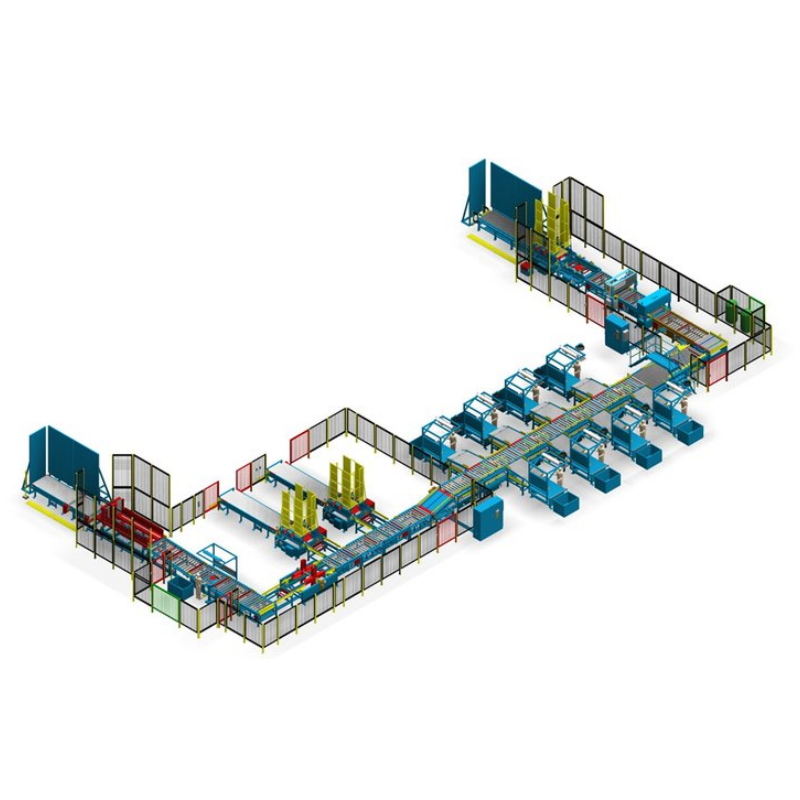
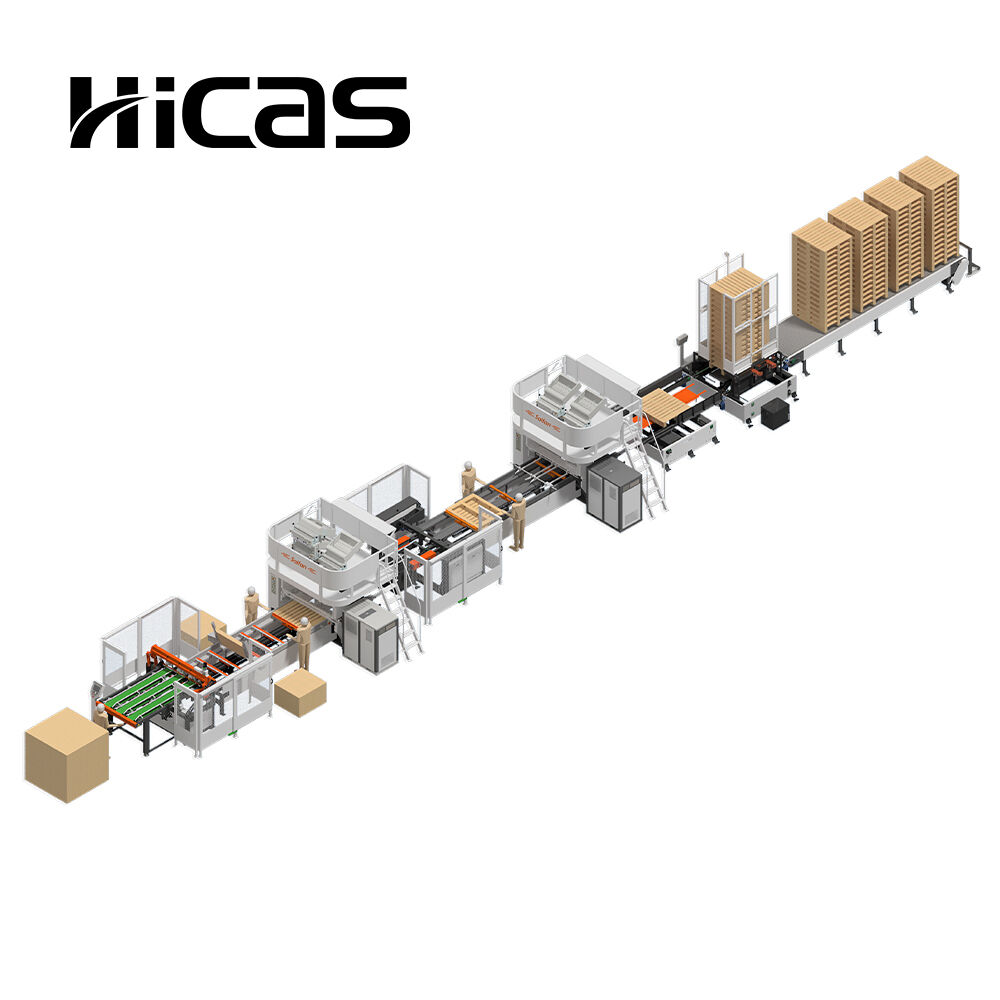
Production capacity stands as the primary factor influencing the epal pallet machine price and determines the value proposition for different business scales. Entry-level semi-automatic machines priced between $15,000 and $35,000 produce 80 to 150 pallets per eight-hour shift, suitable for small operations, regional suppliers, or businesses testing pallet production feasibility. Mid-range automatic systems costing $40,000 to $80,000 manufacture 200 to 350 pallets daily with minimal supervision, ideal for established pallet companies, medium-scale manufacturers, or rental operations requiring consistent volume. High-capacity fully automated production lines priced from $90,000 to $150,000 deliver 400 to 600 pallets per shift through continuous operation with automatic material feeding, assembly, and stacking systems. This capacity directly correlates with revenue potential, as each pallet generates $8 to $15 profit depending on market conditions and material costs. A machine producing 300 pallets daily at $10 profit each generates $3,000 daily revenue or approximately $780,000 annually at full capacity utilization, demonstrating how higher epal pallet machine price points deliver proportionally greater income potential. Buyers should calculate break-even points by dividing machine cost by daily profit multiplied by operating days, typically revealing payback periods of 12 to 30 months depending on capacity selection, making production volume alignment the critical factor in determining optimal price point selection for specific business circumstances.
Long-Term Durability Validates Epal Pallet Machine Price Investment

Long-Term Durability Validates Epal Pallet Machine Price Investment

The robust construction and engineering quality reflected in the epal pallet machine price ensure long-term operational reliability that validates initial investment through extended service life and minimal downtime. Premium machines feature heavy-duty steel frames designed to withstand continuous industrial operation, with structural components engineered for 15 to 20 years of productive use under proper maintenance protocols. Critical wear components like cutting blades, pressing cylinders, and nail feeding mechanisms utilize hardened materials and replaceable designs that extend operational intervals between major overhauls. Industrial-grade electrical systems with overload protection, emergency stop circuits, and component redundancy prevent catastrophic failures and reduce unplanned maintenance events. Manufacturers typically provide comprehensive warranty coverage ranging from one to three years, reflecting confidence in durability and protecting buyer investment during initial operation phases. Maintenance requirements remain manageable, with daily inspections taking 15 minutes and monthly servicing requiring two to four hours for lubrication, alignment checks, and component inspection. Parts availability through established dealer networks ensures rapid repair capability, minimizing production interruptions. This durability translates into lower total cost of ownership, as annual maintenance expenses typically represent only 2 to 4 percent of the original epal pallet machine price while delivering consistent performance throughout extended operational lifespans. The combination of robust construction, serviceability, and manufacturer support transforms the initial price consideration into a long-term value equation where quality engineering delivers reliability and sustained profitability.