Wood Pallet Assembly Line - Automated Solutions

L
O
A
D
I
N
G

Get a Free Quote

Our representative will contact you soon.
Email
Mobile
Name
Company Name
Message
0/1000

wood pallet assembly line

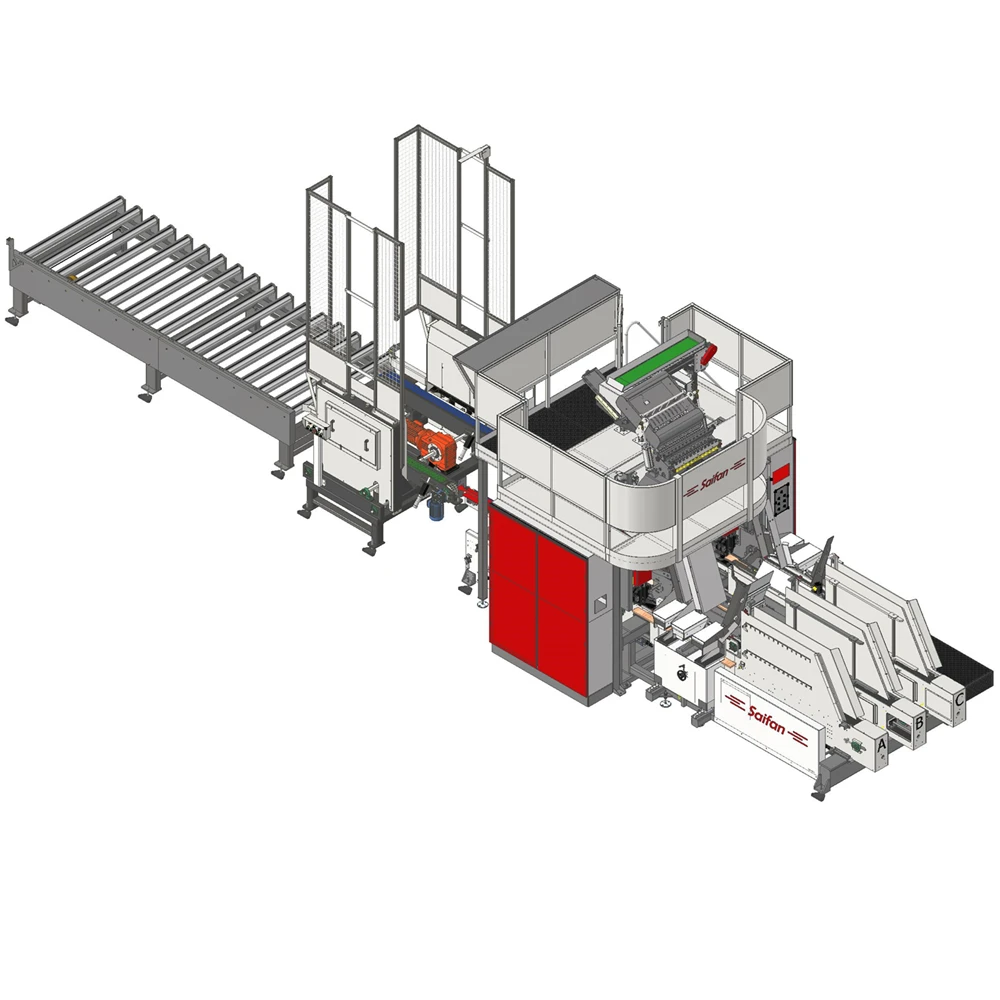
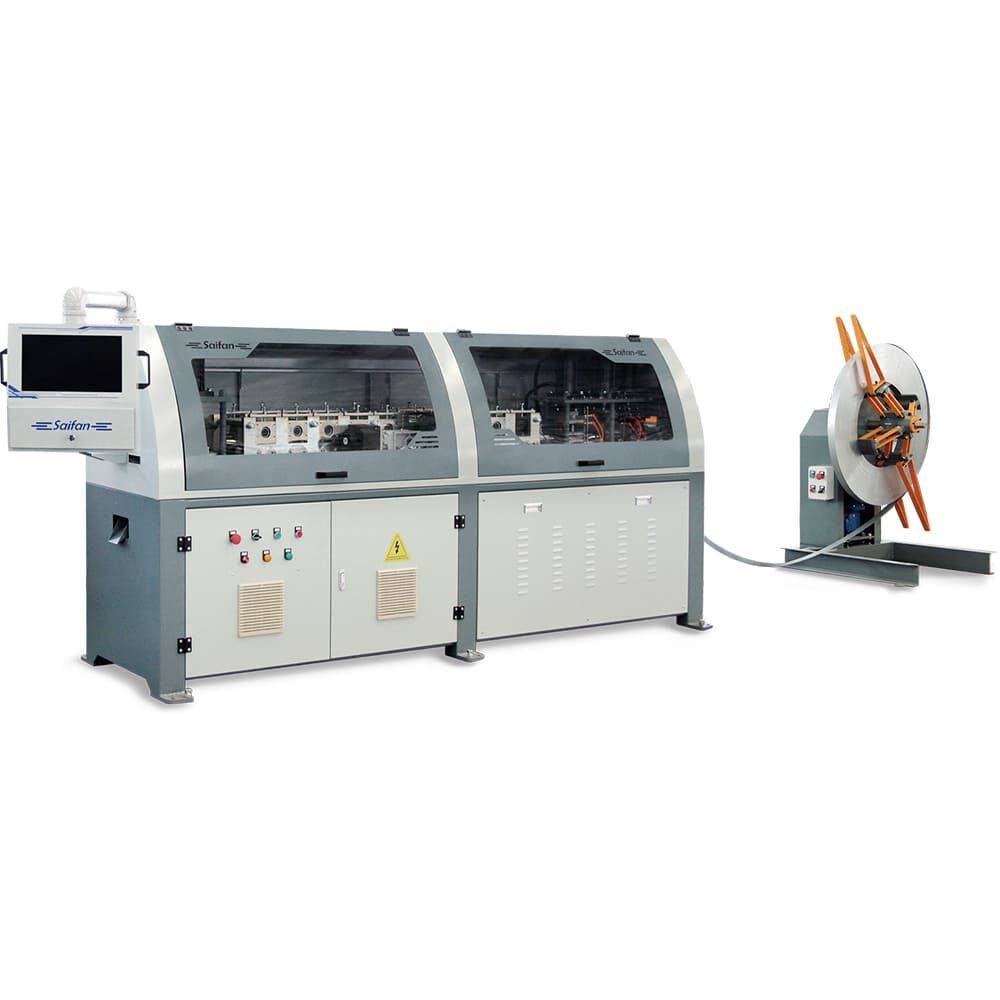
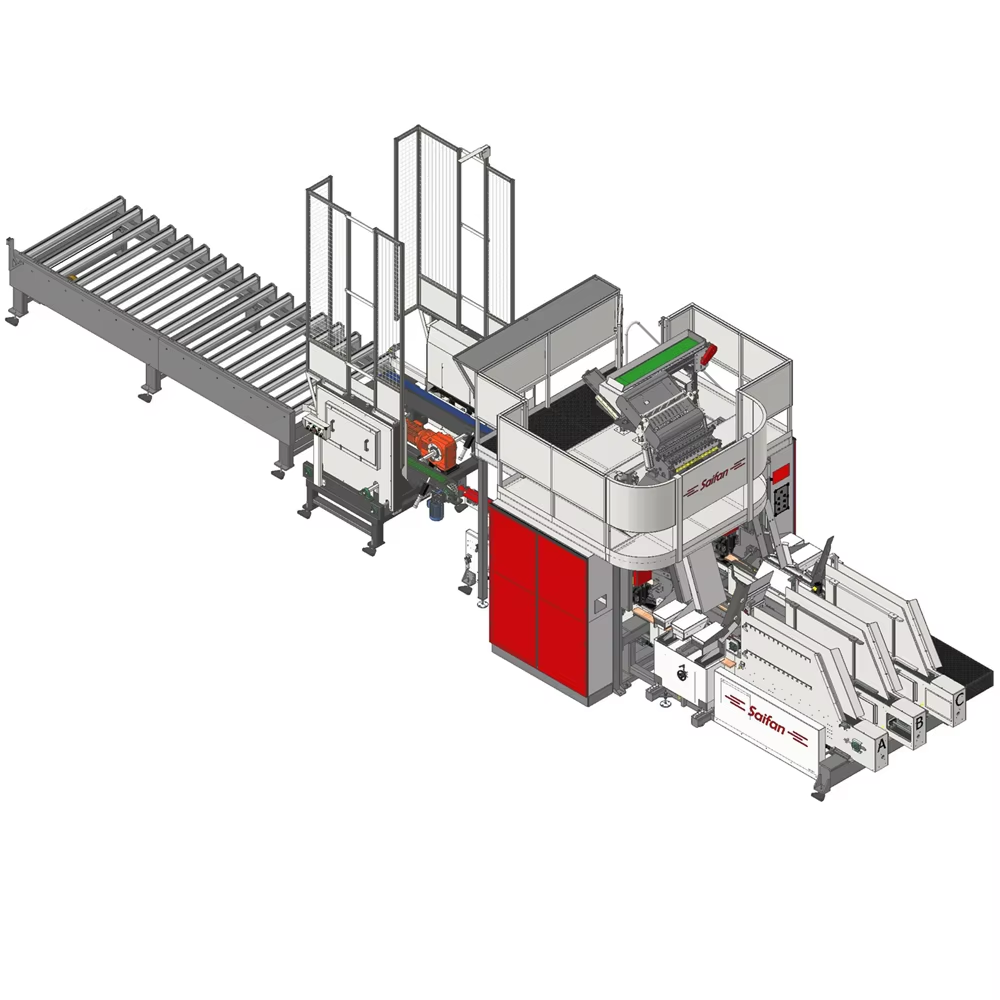
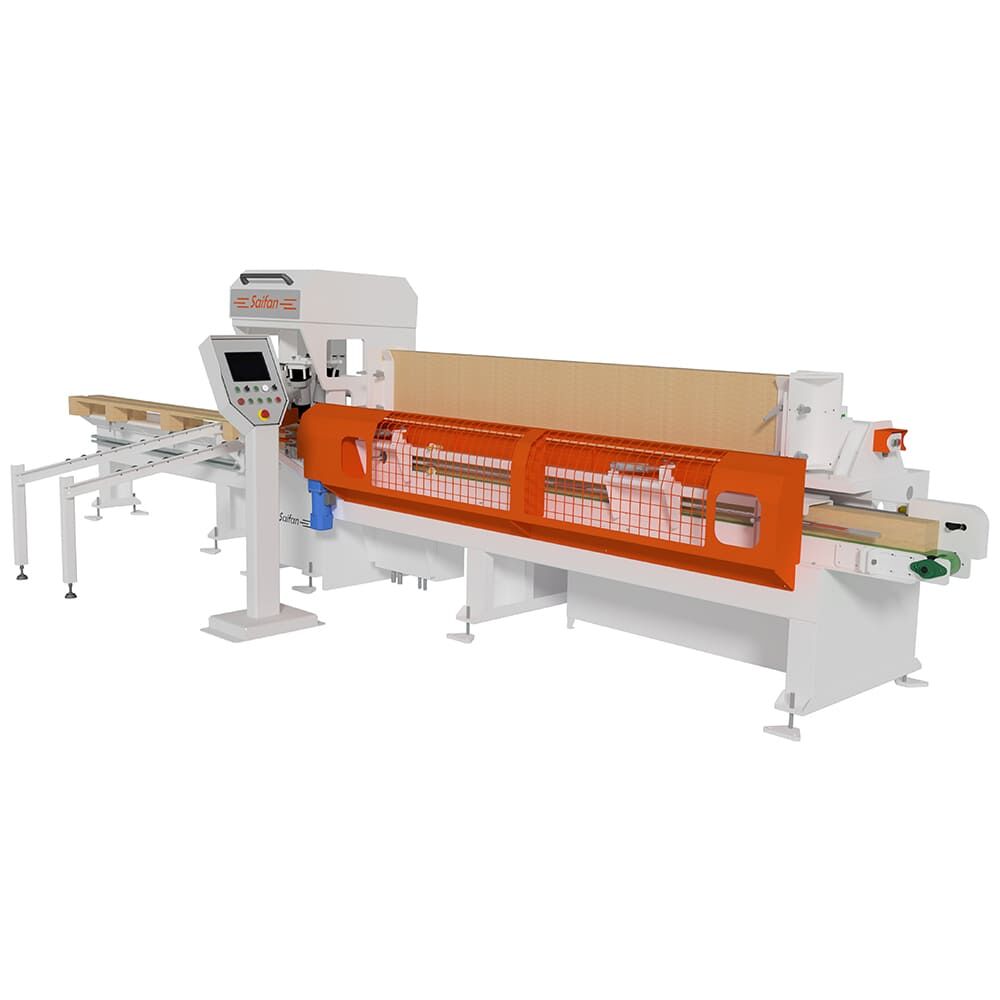
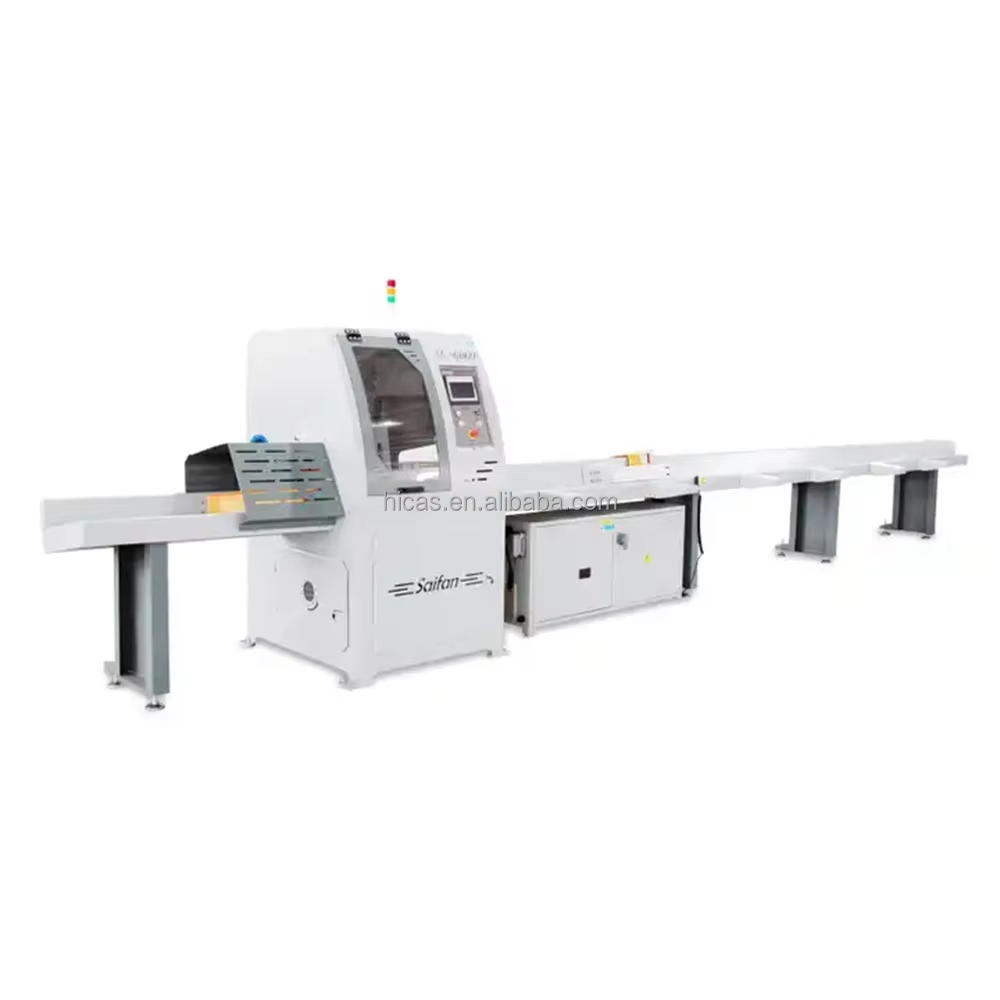
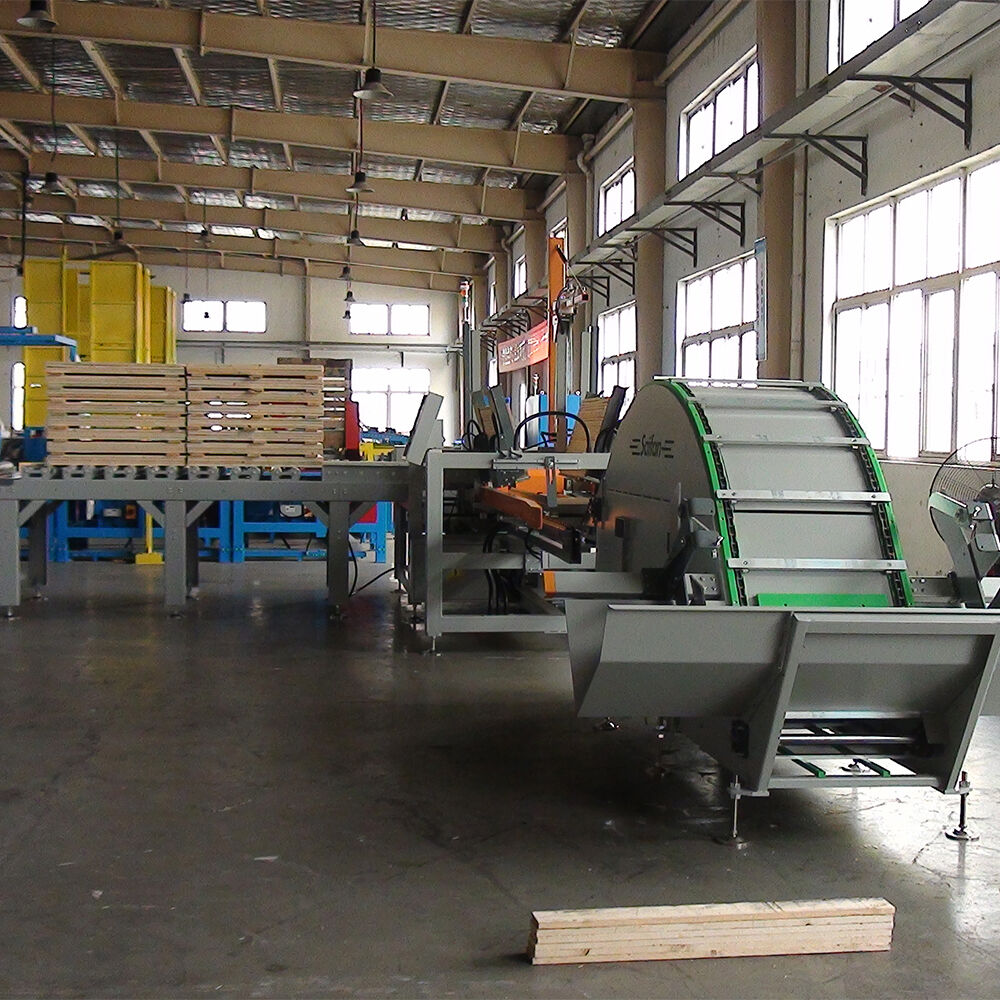
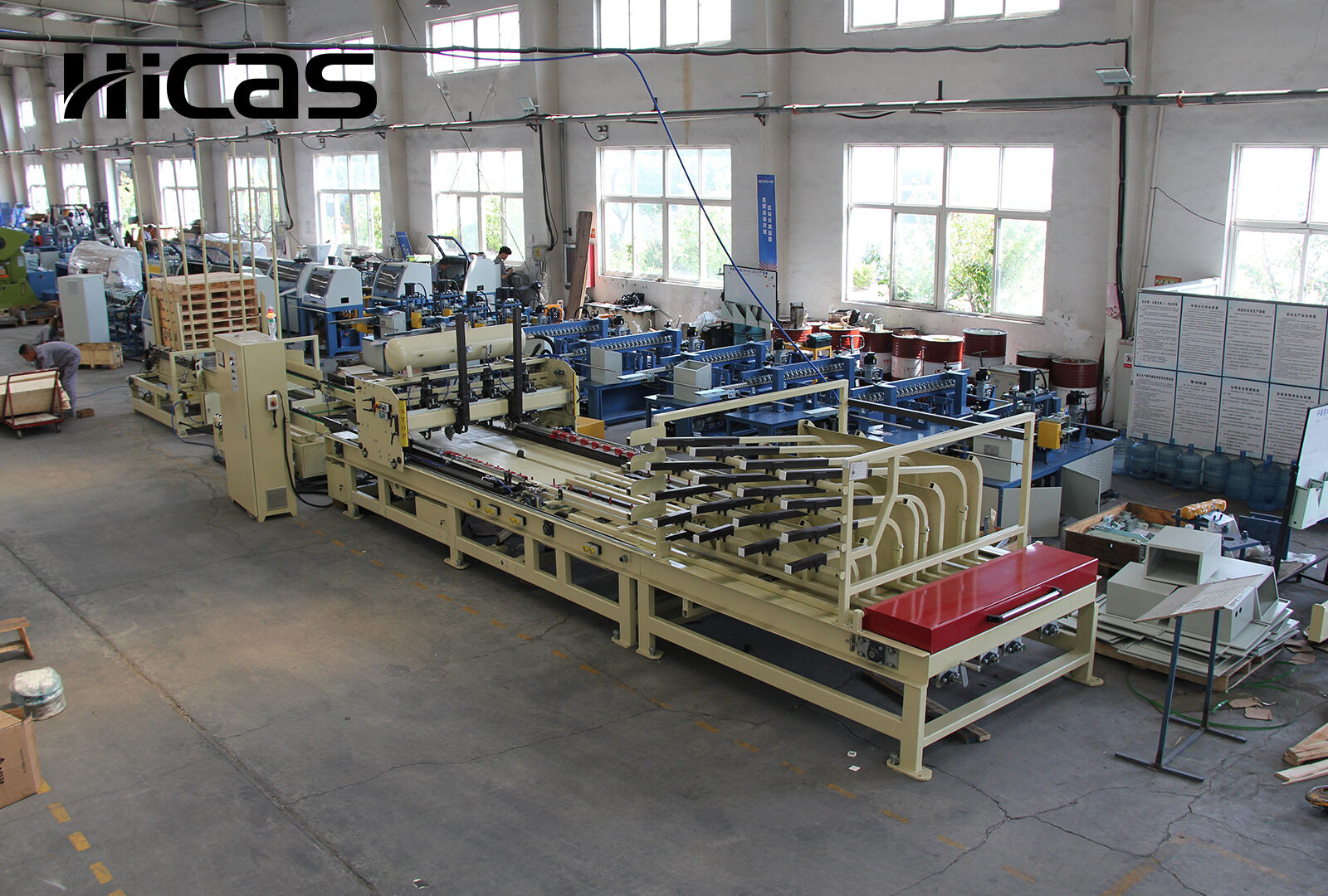
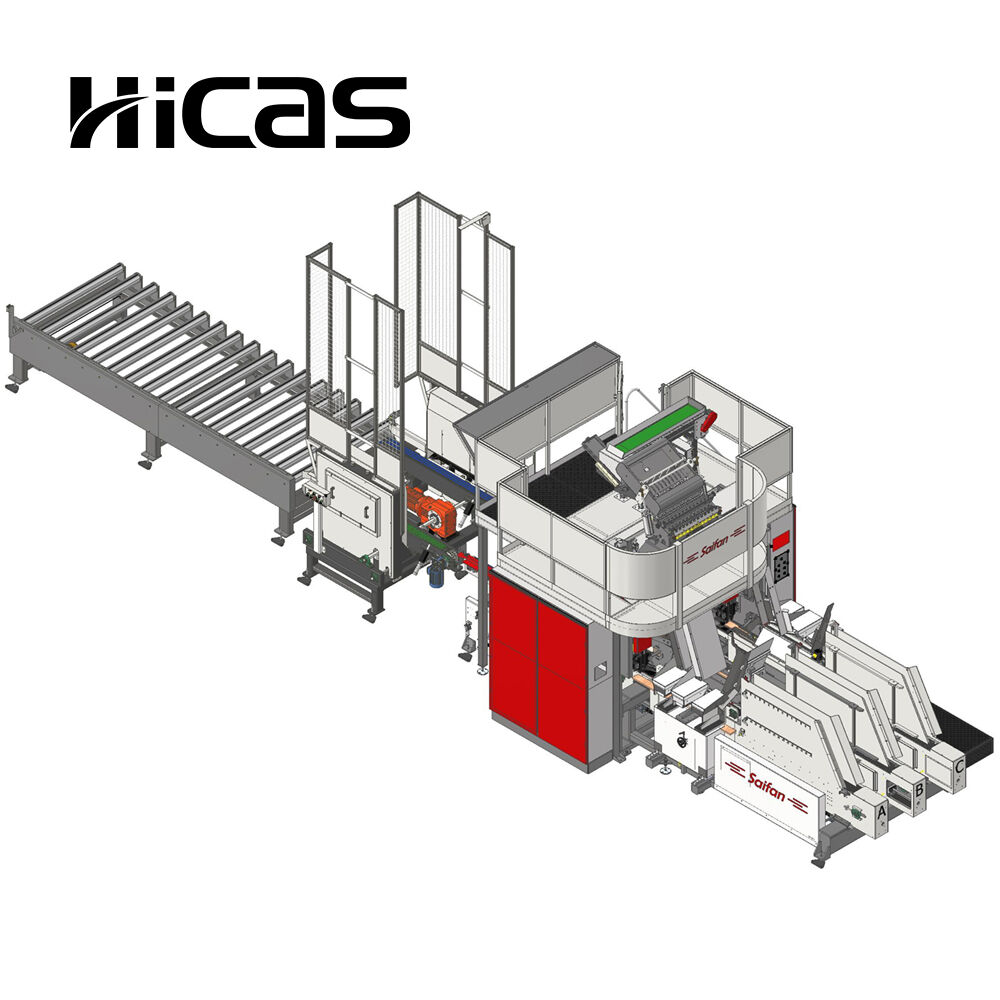
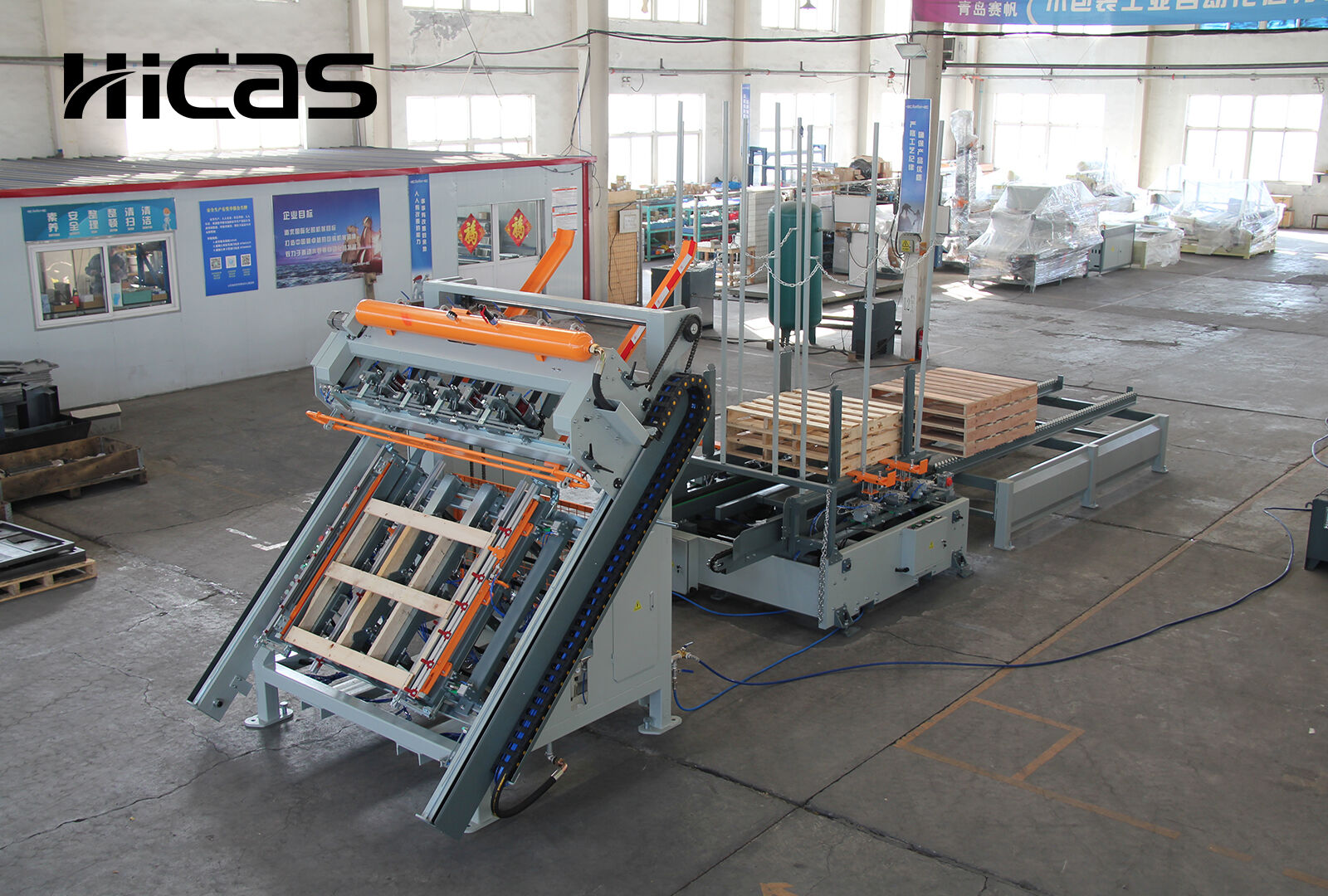
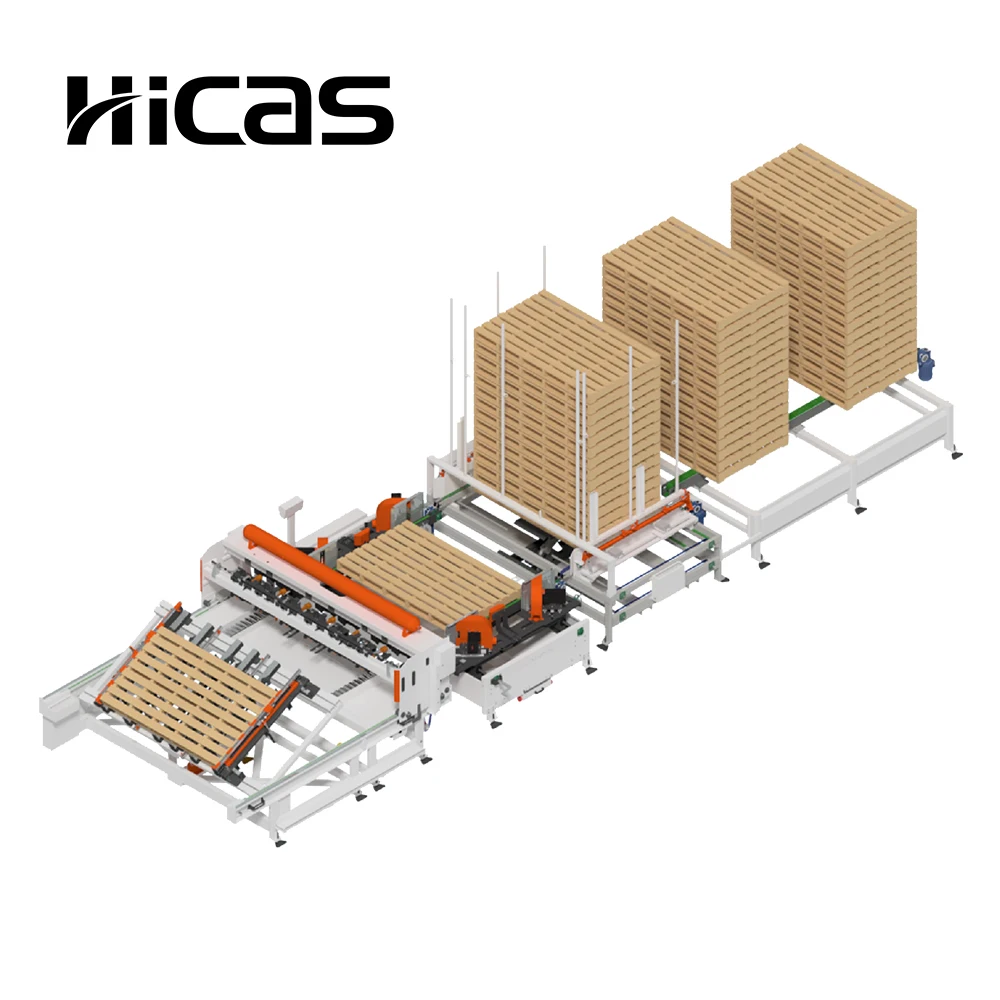
A wood pallet assembly line is an automated manufacturing system designed to streamline the production of wooden pallets used in logistics, warehousing, and transportation industries. This sophisticated production equipment integrates multiple processing stations that work in synchronized coordination to transform raw lumber into finished pallets efficiently. The wood pallet assembly line incorporates cutting stations, positioning devices, nailing mechanisms, and quality inspection systems that operate continuously to maximize output while maintaining consistent product standards. Modern assembly lines feature programmable logic controllers that enable operators to adjust specifications for different pallet dimensions and configurations, accommodating various industry requirements from standard sizes to custom designs. The technological features of a wood pallet assembly line include precision pneumatic nailing systems, automatic board feeding mechanisms, hydraulic pressing units, and computerized control panels that monitor production parameters in real-time. These systems can process various wood types including pine, oak, and hardwood, adapting to different material characteristics through adjustable settings. The applications of wood pallet assembly lines span across manufacturing facilities, dedicated pallet production companies, and recycling operations that refurbish used pallets. With production capacities ranging from 100 to 500 pallets per hour depending on the configuration, these assembly lines significantly reduce labor costs while improving workplace safety by minimizing manual handling of heavy materials and repetitive tasks.

New Product Releases

Investing in a wood pallet assembly line delivers substantial cost savings by reducing labor requirements by up to seventy percent compared to manual assembly methods. The automated system operates with minimal supervision, allowing your workforce to focus on quality control and maintenance rather than repetitive manual tasks. Production consistency represents another critical advantage, as the wood pallet assembly line maintains uniform nailing patterns, board spacing, and structural integrity across every unit produced, eliminating the variations inherent in handcrafted pallets. This consistency translates directly into fewer customer complaints and reduced product returns. The operational efficiency gains are immediately noticeable, with modern assembly lines producing pallets at speeds impossible to achieve through manual methods, enabling businesses to fulfill larger orders and respond quickly to market demand fluctuations. Energy efficiency has improved dramatically in contemporary designs, with optimized pneumatic systems and electric motors that consume less power while delivering superior performance. The wood pallet assembly line accommodates rapid changeovers between different pallet specifications, typically requiring only fifteen to thirty minutes to reconfigure for new dimensions or designs, maximizing productive uptime. Safety improvements protect your employees from common woodworking injuries, as the automated systems handle dangerous cutting and nailing operations within enclosed guards. Maintenance requirements remain manageable with accessible components and straightforward replacement procedures that minimize downtime. The return on investment typically occurs within eighteen to thirty-six months for medium to high-volume operations, making the wood pallet assembly line a financially sound decision. Quality tracking systems integrated into modern lines provide production data that helps optimize operations and demonstrate compliance with industry standards to customers and auditors.

Latest News

Automation Trends in Industrial Wood Packaging Equipment

26

Feb

Automation Trends in Industrial Wood Packaging Equipment

Robotic Palletizing and Assembly for Modern Wood Packaging Equipment Vision-Guided Robotic Systems for Precision Wooden Pallet Loading Wood packaging equipment now benefits from vision guided robotics that position materials with incredible precis...
View More
Key Advantages of Using High Speed Pallet Nailing Machines in Large Scale Production

27

Mar

Key Advantages of Using High Speed Pallet Nailing Machines in Large Scale Production

Boosting Production Efficiency with High-Speed Pallet Nailing Machines Eliminating Assembly Bottlenecks: From Manual Labor to Fully Synchronized Automation Switching from manual hammering to automated pallet nailing systems takes away those frustr...
View More
SF6060 Safety, Operation, Maintenance & Common Faults and Troubleshooting

13

May

SF6060 Safety, Operation, Maintenance & Common Faults and Troubleshooting

SF6060: Safety, Operation, Maintenance & Common Troubleshooting Guide Whether you’re a new operator or a seasoned maintenance technician, understanding the safety protocols, operational steps, and troubleshooting tips for the SF6060 is critic...
View More
Basic Operation and Maintenance of SF8010 Palletizing Machine

04

Jun

Basic Operation and Maintenance of SF8010 Palletizing Machine

This equipment is suitable for batch processing of wood and can be used for the preparation of wood materials in the early stage of the equipment, or for the drying and sorting of wood materials. It has high operating efficiency, simple operation, an...
View More

Get a Free Quote

Our representative will contact you soon.
Email
Mobile
Name
Company Name
Message
0/1000

wood pallet assembly line

Automated Precision Nailing Technology

Automated Precision Nailing Technology

The wood pallet assembly line employs advanced pneumatic nailing systems that deliver exceptional accuracy and consistency in fastener placement. These precision mechanisms position nails at exact locations with millimeter-level accuracy, ensuring structural integrity meets or exceeds industry load-bearing standards. The automated nailing stations adjust nail depth automatically based on wood density and moisture content, preventing board splitting and reducing material waste. Multiple nailing heads work simultaneously across different positions, dramatically accelerating assembly speed while maintaining perfect alignment. The system monitors nail supply continuously and alerts operators before depletion occurs, preventing production interruptions. Pressure sensors verify that each nail penetrates fully, triggering automatic rejection of defective units before they proceed to subsequent stations. This technology eliminates the fatigue-related errors common in manual nailing operations, where worker consistency decreases throughout shifts. The pneumatic system operates quietly compared to traditional methods, creating a more comfortable work environment. Nail consumption tracking provides valuable data for cost analysis and inventory management, helping optimize purchasing decisions and identify efficiency improvement opportunities.
Flexible Multi-Size Configuration Capability

Flexible Multi-Size Configuration Capability

Modern wood pallet assembly line systems offer remarkable versatility through quick-change tooling and programmable dimension controls. Operators can transition between standard pallet sizes and custom specifications through intuitive touchscreen interfaces that store dozens of preset configurations. The adjustable positioning guides accommodate pallet widths ranging from 800mm to 1200mm and lengths from 1000mm to 1600mm without requiring mechanical modifications. This flexibility enables manufacturers to serve diverse customer bases without investing in multiple dedicated production lines. The wood pallet assembly line memorizes successful configurations, allowing operators to recall proven settings instantly for repeat orders, eliminating setup errors and trial-and-error adjustments. Board spacing parameters adjust automatically when switching between configurations, maintaining optimal structural characteristics for each pallet type. The system accommodates varying board thicknesses and stringer dimensions, adapting to available lumber inventory and customer specifications. This configurability extends product lifecycle as market demands evolve, protecting your capital investment against obsolescence. Training requirements remain minimal because the standardized control interface operates consistently across different pallet configurations, reducing the learning curve for new employees and temporary workers during peak production periods.
Integrated Quality Control Systems

Integrated Quality Control Systems

The wood pallet assembly line incorporates sophisticated inspection technologies that monitor product quality throughout the manufacturing process rather than relying solely on final inspection. Optical sensors detect board misalignment, missing components, and dimensional deviations in real-time, triggering immediate corrections or automatic rejection before defective pallets advance to subsequent stations. Weight monitoring systems identify assemblies with missing fasteners or boards, catching errors that visual inspection might miss. The integrated quality control captures production data automatically, generating detailed reports that document compliance with customer specifications and industry standards. This documentation proves invaluable during audits and when pursuing quality certifications that enhance market competitiveness. Statistical process control algorithms analyze trends in production data, alerting supervisors to gradual degradations in performance before they result in defective products reaching customers. The wood pallet assembly line quality systems reduce inspection labor costs while improving defect detection rates compared to manual sampling methods. Traceability features link each pallet to specific production parameters, facilitating rapid root cause analysis when customer issues arise. These capabilities strengthen customer relationships by demonstrating commitment to quality and enabling swift resolution of concerns. The data collected supports continuous improvement initiatives, helping identify optimization opportunities that incrementally enhance efficiency and reduce waste over time.