Stringer Pallet Making Machine - Guide & Benefits

L
O
A
D
I
N
G

Get a Free Quote

Our representative will contact you soon.
Email
Mobile
Name
Company Name
Message
0/1000

stringer pallet making machine

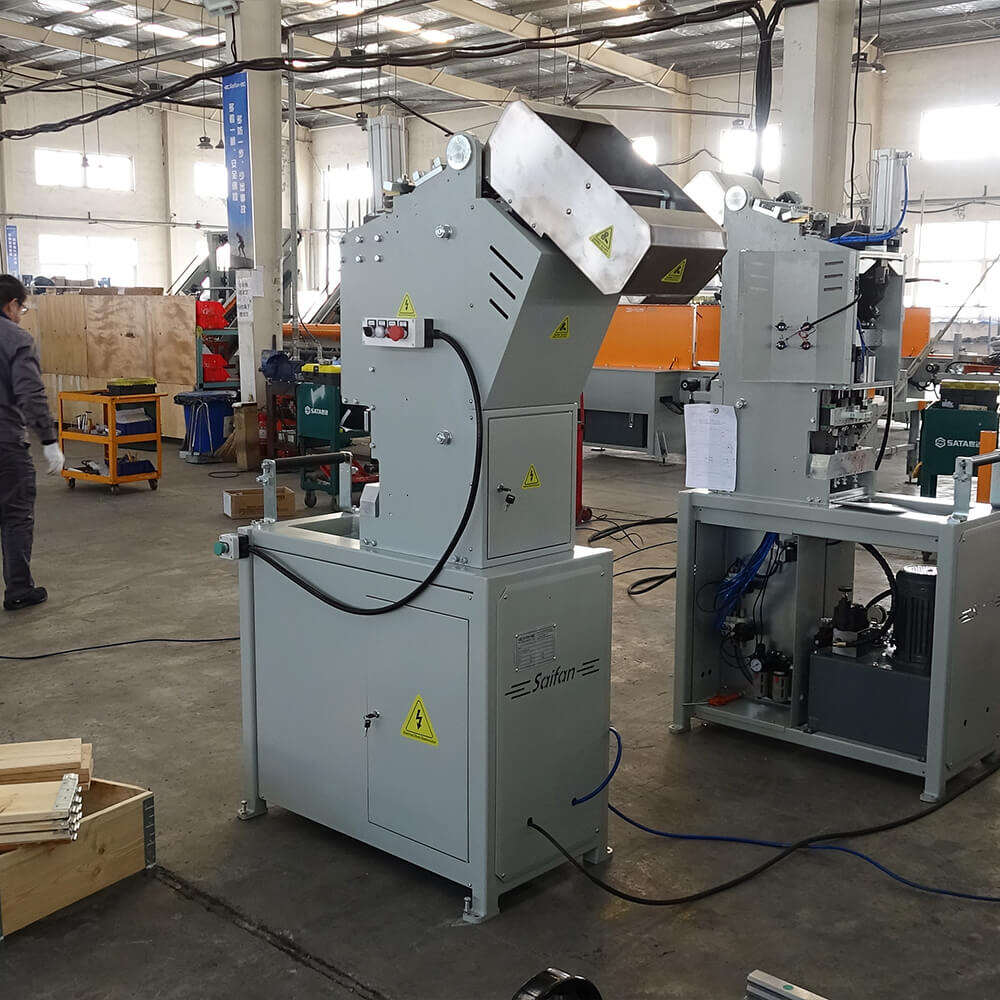
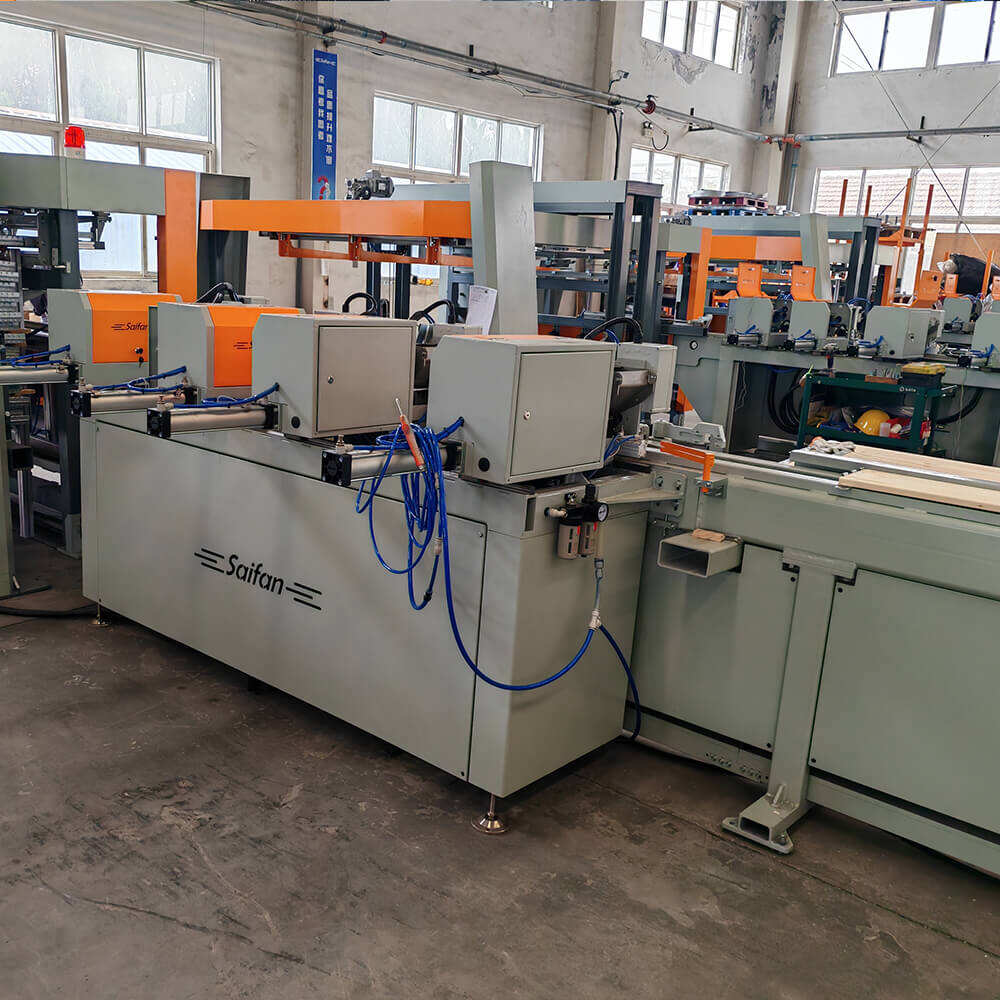
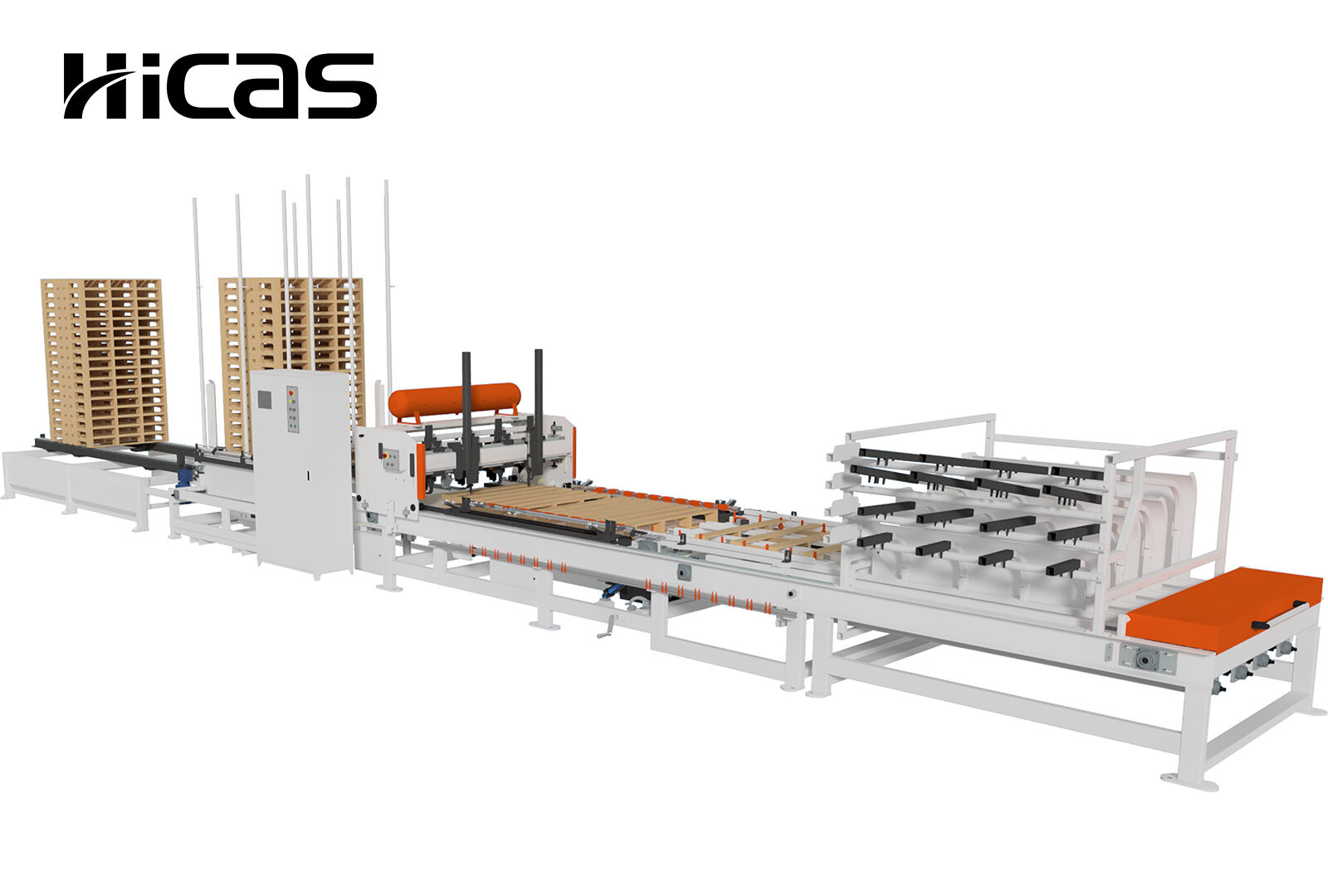
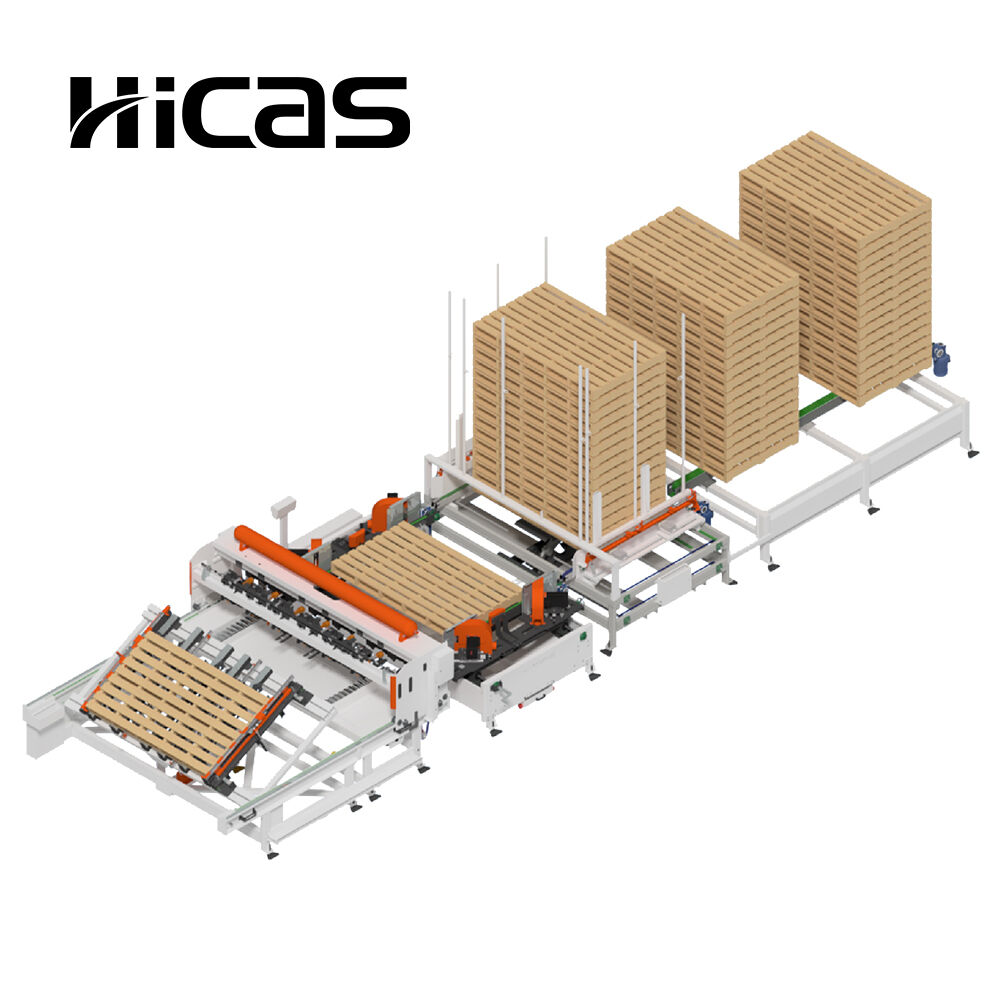
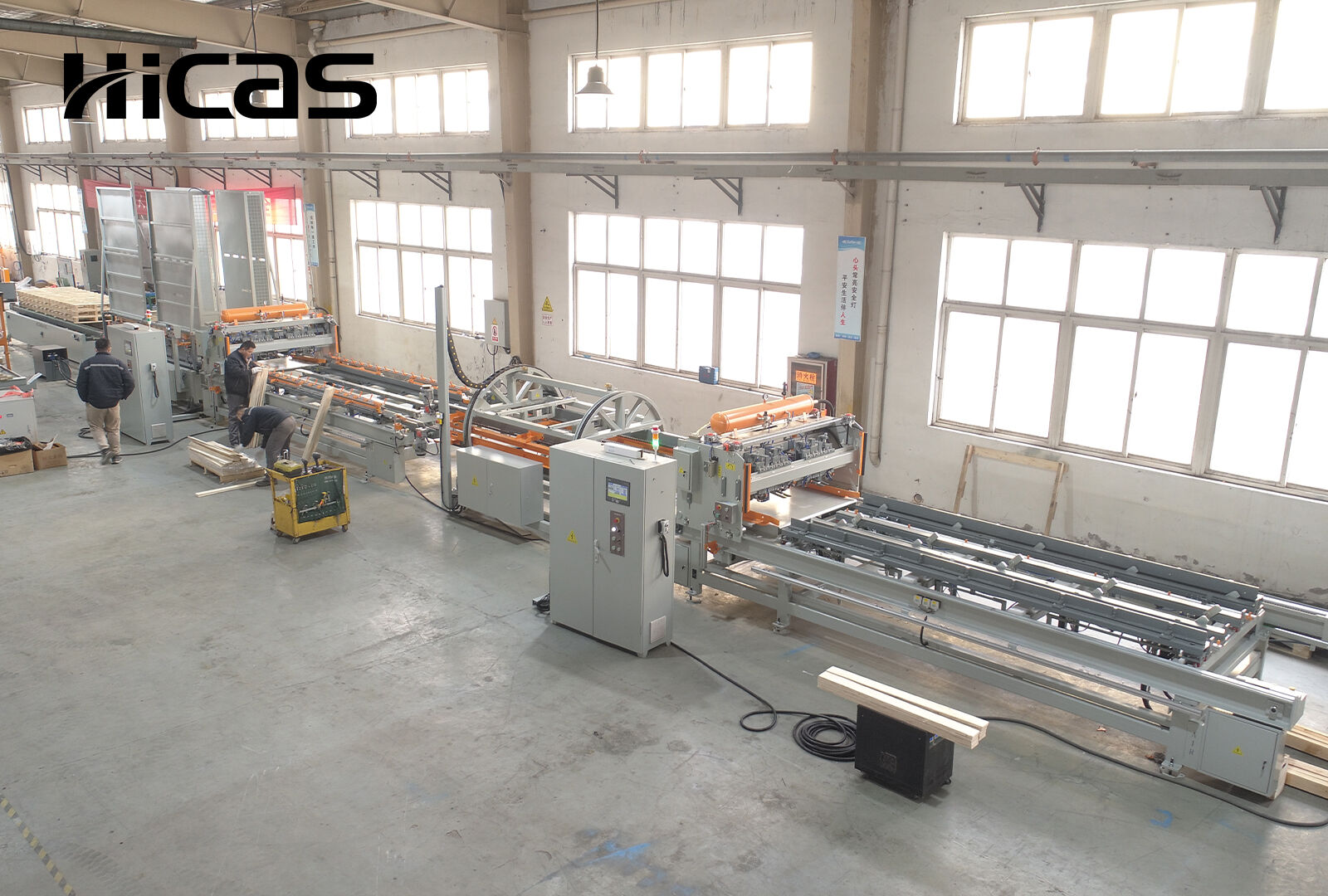
A stringer pallet making machine is an advanced industrial equipment designed specifically for manufacturing stringer-style wooden pallets with precision and efficiency. This specialized machinery automates the entire pallet production process, from cutting and positioning stringer boards to assembling deck boards and fastening components together. The stringer pallet making machine integrates cutting-edge technology with robust mechanical systems to deliver consistent, high-quality pallets that meet international standards. Its main functions include automated board feeding, precision cutting to exact specifications, accurate positioning of stringers and deck boards, and rapid nail or screw fastening. The technological features of this equipment encompass programmable logic controllers for customizable pallet dimensions, servo-driven systems for precise movement control, automatic nail guns or screw drivers for secure fastening, and safety sensors to protect operators. Advanced models incorporate touchscreen interfaces for easy operation and real-time monitoring of production metrics. Applications of the stringer pallet making machine span across logistics companies, warehousing facilities, manufacturing plants, distribution centers, and dedicated pallet production businesses. These machines are particularly valuable for operations requiring large volumes of standardized pallets or those needing flexibility to produce various pallet sizes. The stringer pallet making machine represents a significant advancement over manual pallet assembly, offering businesses a reliable solution for meeting growing pallet demands while maintaining quality consistency and reducing labor costs.

New Products

Investing in a stringer pallet making machine delivers immediate and long-term benefits that directly impact your bottom line. Production speed increases dramatically compared to manual assembly methods, enabling your facility to manufacture hundreds of pallets daily with minimal labor input. This automation reduces your dependency on skilled carpentry workers, lowering labor costs while eliminating human error that causes material waste. The machine ensures every pallet meets exact specifications, creating uniform products that stack properly, fit standard racking systems, and satisfy customer quality requirements consistently. Your business gains flexibility to adjust pallet dimensions quickly through programmable settings, allowing you to serve diverse customer needs without investing in multiple specialized tools. Material utilization improves significantly as the precision cutting system minimizes wood waste, reducing raw material expenses over time. The automated fastening system applies nails or screws with optimal force and placement, creating stronger pallets that withstand heavy loads and rough handling during shipping. Workplace safety improves substantially by removing workers from repetitive manual tasks that cause injuries, reducing compensation claims and downtime. The stringer pallet making machine operates reliably with minimal maintenance requirements, providing consistent performance that keeps your production schedule on track. Quick setup times between different pallet configurations maximize productive hours and enable rapid response to urgent orders. Return on investment typically occurs within 18 to 24 months for medium to high-volume operations, making this equipment a financially sound decision. Your competitive position strengthens through faster delivery times, better product consistency, and the capacity to handle larger contracts that manual operations cannot fulfill efficiently.

Latest News

What Is Roll Coating and How Does Roll Coating Equipment Work

18

Mar

What Is Roll Coating and How Does Roll Coating Equipment Work

What Is Roll Coating? Understanding the Core Process 1. Basic Principles of Roll Coating Technology Roll coating stands out as one of the most effective ways to apply coatings, basically spreading a consistent layer across whatever surface needs t...
View More
How Automated Wood Pallet Production Lines Transform Modern Manufacturing

27

Mar

How Automated Wood Pallet Production Lines Transform Modern Manufacturing

The Strategic Shift: Why Manufacturers Are Adopting Automated Wood Pallet Production Lines Labor Shortages, Safety Risks, and Rising Compliance Demands in Traditional Pallet Shops Traditional pallet manufacturing faces compounding pressures: Criti...
View More
Building a Complete Wood Pallet Manufacturing Line for Maximum Output

27

Mar

Building a Complete Wood Pallet Manufacturing Line for Maximum Output

Essential Wood Pallet Manufacturing Equipment and Automation Levels Core Machinery: Sawmills, Nailers, Stackers, and Conveyors Wood pallet production lines typically depend on about four main systems working together. Let's start at the beginning ...
View More
Why Integrated Coating Sanding and Painting Lines Are Critical for Modern Wood Factories

27

Mar

Why Integrated Coating Sanding and Painting Lines Are Critical for Modern Wood Factories

Boosting Throughput and Consistency with Fully Integrated Wood Coating Machines Bottleneck Elimination: How Fragmented Finishing Slows High-Mix Wood Production In wood manufacturing shops that handle lots of different products, broken up finishing...
View More

Get a Free Quote

Our representative will contact you soon.
Email
Mobile
Name
Company Name
Message
0/1000

stringer pallet making machine

Automated Production System for Maximum Efficiency

Automated Production System for Maximum Efficiency

The stringer pallet making machine features a fully integrated automated production system that transforms raw lumber into finished pallets with minimal human intervention. This comprehensive automation begins with the automatic board feeding mechanism that consistently supplies materials to the processing area, eliminating manual handling and reducing worker fatigue. The precision cutting module measures and cuts stringer boards and deck boards to exact specifications within millimeter accuracy, ensuring perfect component dimensions every time. Automated positioning systems place stringers and deck boards in predetermined configurations, maintaining consistent spacing and alignment that manual methods struggle to achieve. The integrated fastening unit drives nails or screws at precise locations with controlled force, creating secure connections that enhance pallet durability. Sophisticated sensors monitor each production stage, detecting material jams, misalignments, or component shortages before they cause quality issues. The programmable controller allows operators to store multiple pallet specifications and switch between designs rapidly through simple touchscreen commands. This automation reduces production time per pallet by 60 to 70 percent compared to manual assembly while simultaneously improving consistency across every unit produced, making your operation more competitive and profitable.
Versatile Design Configuration Capabilities

Versatile Design Configuration Capabilities

Modern stringer pallet making machine models provide exceptional versatility that adapts to diverse business requirements and changing market demands. The adjustable framework accommodates various pallet sizes ranging from small specialized dimensions to standard international formats including EUR pallets and GMA specifications. Quick-change tooling systems enable operators to modify deck board spacing, stringer placement, and overall pallet dimensions within minutes rather than hours required for traditional equipment reconfiguration. This flexibility proves invaluable when serving customers with unique pallet requirements or when diversifying your product offerings to capture new market segments. The machine handles different wood types including hardwoods, softwoods, and heat-treated lumber without requiring significant adjustments, providing material sourcing flexibility based on availability and cost considerations. Some advanced models offer dual-fastening capabilities, allowing you to choose between nail and screw assembly depending on pallet application requirements and customer preferences. The programmable memory stores dozens of pallet configurations, enabling seamless transitions between production runs for different clients without manual measurement or setup guesswork. This configuration versatility transforms your stringer pallet making machine into a multi-purpose production asset that maximizes equipment utilization rates and return on investment across diverse applications.
Robust Construction for Long-Term Reliability

Robust Construction for Long-Term Reliability

The stringer pallet making machine is engineered with industrial-grade components and heavy-duty construction that ensures dependable performance throughout years of continuous operation. The structural frame utilizes reinforced steel that withstands the constant vibrations and forces generated during high-speed pallet assembly without flexing or degrading over time. Critical moving parts incorporate hardened steel components and precision bearings that resist wear even under demanding production schedules, minimizing unexpected breakdowns that disrupt operations. Powerful pneumatic or hydraulic systems deliver consistent force for fastening operations regardless of wood density variations, ensuring reliable connections in every pallet produced. The electrical systems feature industrial-rated components with proper shielding against dust and moisture common in wood processing environments, preventing premature failures that plague equipment with inadequate protection. Manufacturer-designed maintenance access points facilitate quick inspection and servicing of key components, reducing downtime when routine maintenance becomes necessary. Quality manufacturers back their stringer pallet making machine products with comprehensive warranties and readily available replacement parts, protecting your investment and ensuring long-term operational continuity. This robust engineering translates into lower total cost of ownership through reduced repair expenses, fewer production interruptions, and extended equipment lifespan that delays capital replacement needs.