EPAL Pallet Machine Cost Guide and Benefits

L
O
A
D
I
N
G

Get a Free Quote

Our representative will contact you soon.
Email
Mobile
Name
Company Name
Message
0/1000

epal pallet machine cost

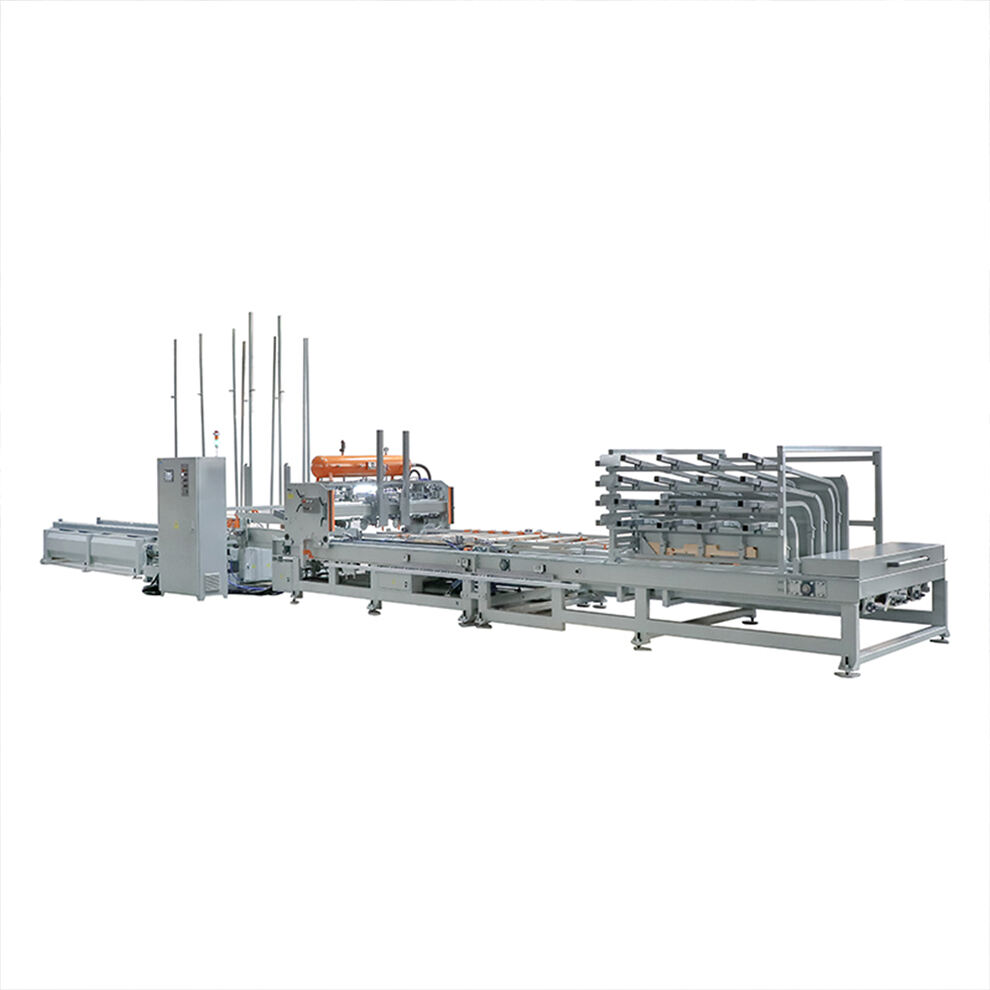
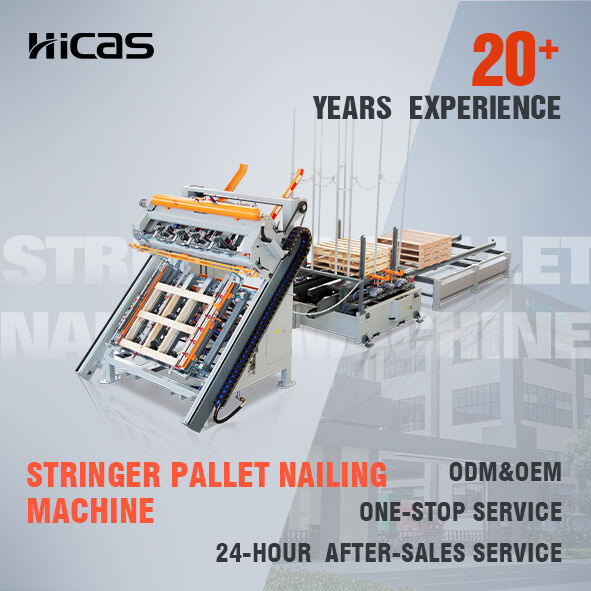
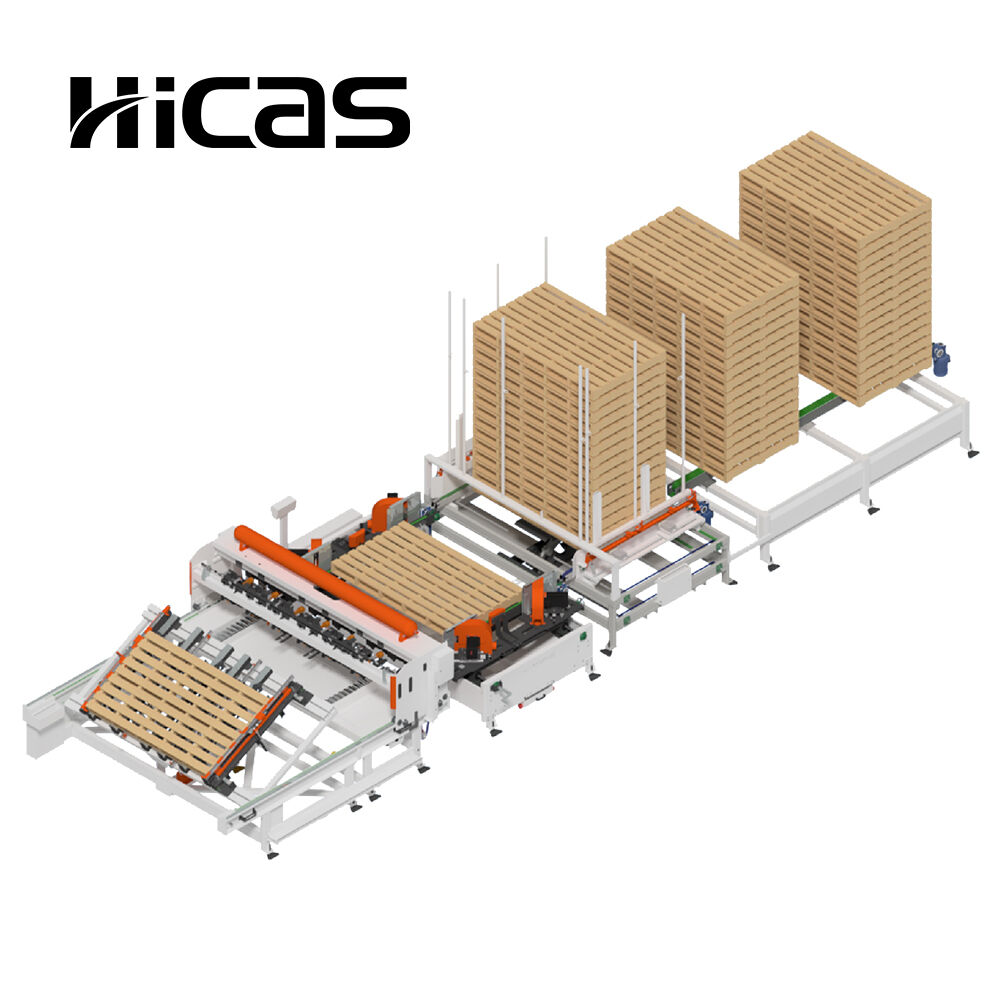
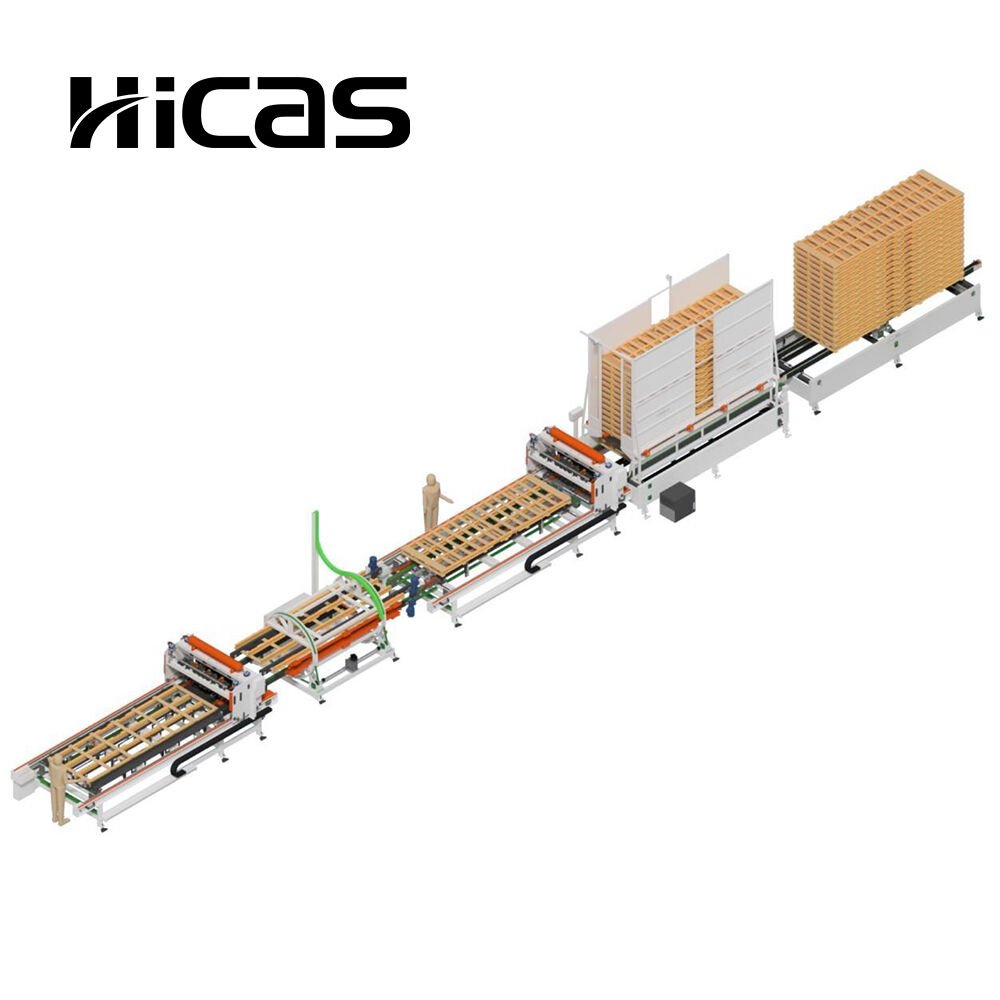
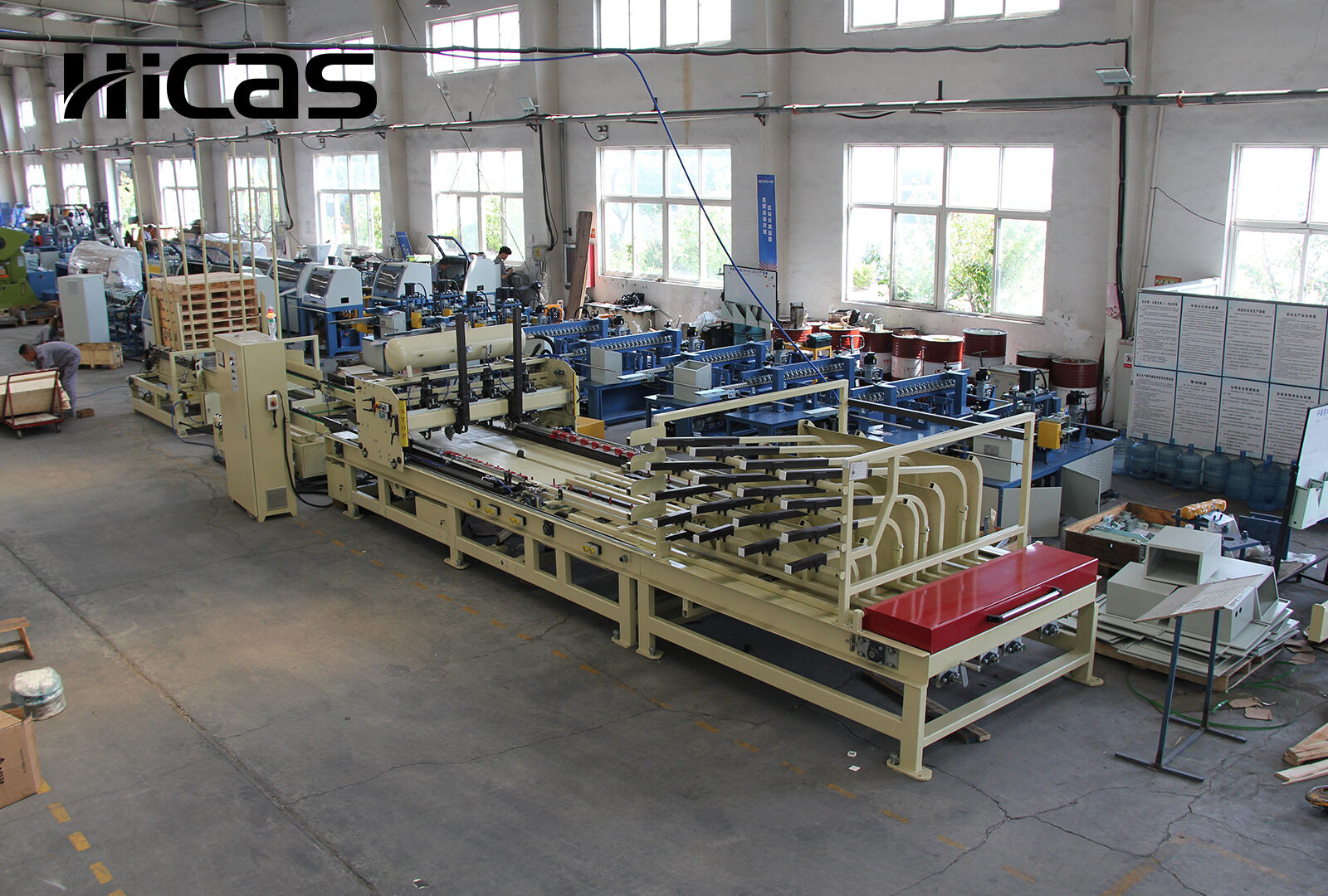
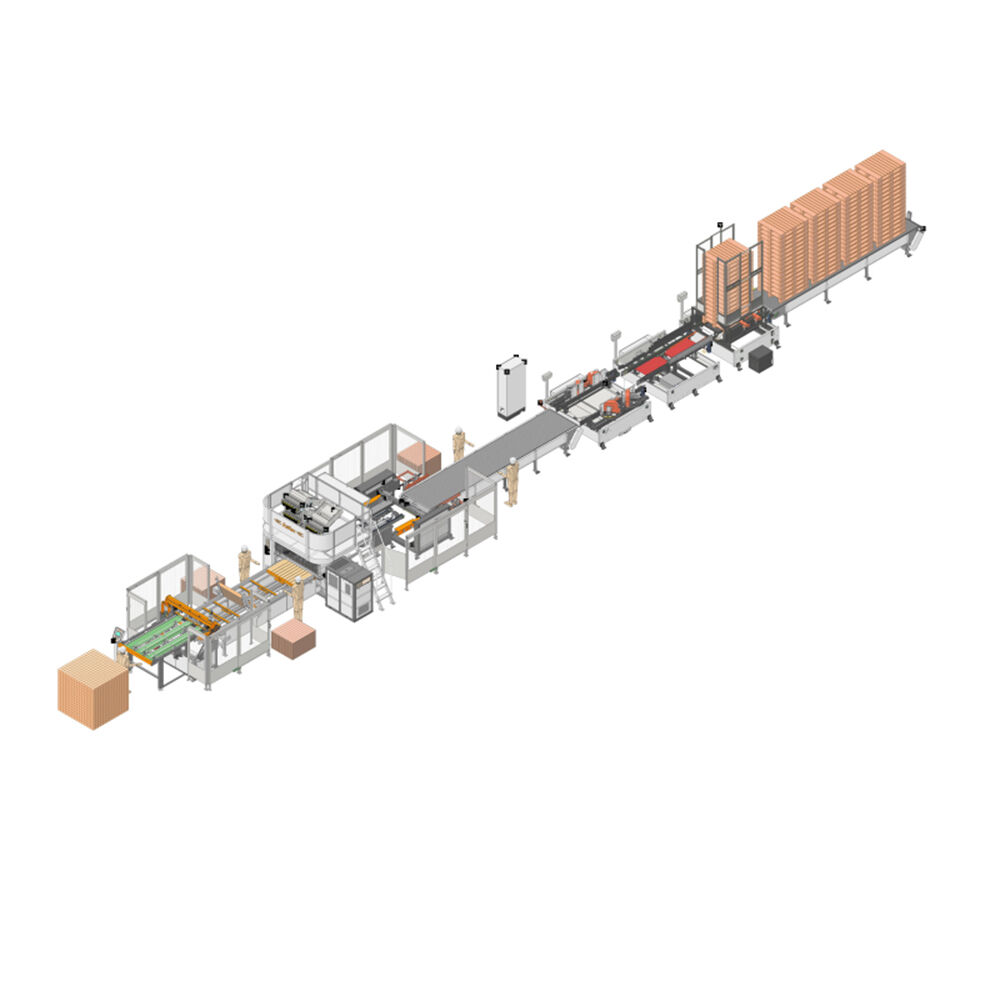
The epal pallet machine cost represents a significant investment consideration for businesses seeking to manufacture standardized European pallets efficiently. EPAL pallets are precision-engineered wooden platforms that meet strict quality standards established by the European Pallet Association, making specialized production machinery essential for compliance. When evaluating epal pallet machine cost, manufacturers must understand that these automated systems integrate multiple functions including wood cutting, nail driving, block placement, and final assembly processes. Advanced models feature computerized controls that ensure consistent dimensional accuracy and structural integrity across every unit produced. The technology incorporates pneumatic fastening systems, hydraulic pressing mechanisms, and automated material feeding stations that dramatically reduce manual labor requirements. These machines are specifically designed to produce pallets meeting EPAL specifications, including exact measurements of 800x1200mm and precise nail patterns required for certification. Applications span logistics companies, manufacturing facilities, warehousing operations, and dedicated pallet production enterprises serving international supply chains. The epal pallet machine cost typically ranges from moderate investments for semi-automated units to substantial expenditures for fully automated production lines capable of producing thousands of pallets daily. Understanding this cost structure helps businesses align their production capacity goals with budget constraints while ensuring compliance with international pallet standards that facilitate seamless global trade operations.

New Product Releases

Investing in equipment despite the epal pallet machine cost delivers substantial operational advantages that quickly translate into measurable returns. First, automated production dramatically increases output capacity compared to manual assembly methods, enabling businesses to meet growing demand without proportionally increasing workforce size. Modern machines can produce between 200 to 800 pallets per eight-hour shift depending on automation level, creating economies of scale that lower per-unit production costs significantly. Second, precision engineering ensures every pallet meets exact EPAL specifications, eliminating costly rejections and maintaining certification eligibility that commands premium market prices. This consistency reduces material waste since computerized systems optimize wood utilization and minimize cutting errors that plague manual operations. Third, the epal pallet machine cost includes safety features that protect workers from hazardous tasks like repetitive nail gun operation and heavy lifting, reducing workplace injury rates and associated insurance expenses. Fourth, these machines require minimal training for operators compared to skilled carpentry labor, addressing workforce shortage challenges while maintaining quality standards. The durability of industrial-grade components means properly maintained equipment operates reliably for decades, spreading the initial epal pallet machine cost across millions of produced pallets. Energy-efficient designs incorporate modern motor technology that reduces electricity consumption compared to older machinery. Finally, businesses gain competitive positioning through reliable delivery schedules and quality consistency that builds customer loyalty, while flexibility to adjust production volumes helps manage inventory costs effectively during demand fluctuations.

Latest News

Applications of Wide Belt Sanders in the Metalworking Industry

18

Mar

Applications of Wide Belt Sanders in the Metalworking Industry

Wide-belt sanding technology for metals utilizes continuous sanding belts to achieve precise surface finishes in a variety of industrial applications. These automated systems maintain stable material removal rates via electric conveyor belts and ad...
View More
Automatic Wood Cutting Systems for Pallet Manufacturing: Accuracy and Speed

28

Feb

Automatic Wood Cutting Systems for Pallet Manufacturing: Accuracy and Speed

Achieving Sub-3mm Crosscut Accuracy with Automatic Wood Cutting Systems Laser Calibration and Real-Time Blade Deflection Compensation Today's automatic wood cutting machines can hit under 1.5mm accuracy on crosscuts thanks to laser calibration ...
View More
The Role of Conveyor Automation in Wooden Pallet Production Lines

28

Feb

The Role of Conveyor Automation in Wooden Pallet Production Lines

Why Conveyor Automation Is Essential for Modern Wooden Pallet Production LinesConveyor automation gets rid of those pesky manual handling bottlenecks that cause roughly 18% of all delays when making wooden pallets. Traditional approaches just can&apo...
View More
SF9025 Stringer Pallet Nailing Machine Basic Operation Instructions

02

Jun

SF9025 Stringer Pallet Nailing Machine Basic Operation Instructions

SF9025 Basic Operation Instructions ①. Power and Air Supply Connection 1. Connect the Air Supply Connect the compressed air source. (Ensure the air is dry and the air supply is sufficient.) Adjust the pressure regulator to meet the required nail...
View More

Get a Free Quote

Our representative will contact you soon.
Email
Mobile
Name
Company Name
Message
0/1000

epal pallet machine cost

Precision Engineering for EPAL Certification Compliance

Precision Engineering for EPAL Certification Compliance

Understanding the epal pallet machine cost means recognizing the value of precision manufacturing capabilities built into these specialized systems. EPAL certification requires strict adherence to dimensional tolerances, nail placement patterns, and structural specifications that manual production struggles to maintain consistently. Advanced machines incorporate laser-guided positioning systems and computerized control panels that guarantee every pallet matches exact specifications down to millimeter accuracy. The automated nail driving mechanisms ensure proper penetration depth and spacing according to EPAL technical standards, while hydraulic pressing systems apply uniform pressure during assembly to create structural integrity. This precision eliminates the variability inherent in human craftsmanship, ensuring certification inspectors approve entire production batches without rejections. For businesses serving international markets where EPAL certification is mandatory, this reliability justifies the epal pallet machine cost by protecting market access and brand reputation. The machinery also maintains detailed production logs that support quality audits and traceability requirements increasingly demanded by logistics partners and regulatory authorities across global supply chains.
Scalable Production Capacity Matching Business Growth

Scalable Production Capacity Matching Business Growth

The epal pallet machine cost should be evaluated against scalability benefits that support business expansion without repeated capital investments. Entry-level semi-automated machines offer affordable starting points for smaller operations, producing 200-300 pallets daily with minimal operator involvement, making them ideal for regional suppliers or companies vertically integrating pallet production. Mid-range systems increase output to 400-600 pallets per shift through enhanced automation and faster cycle times, accommodating growing customer bases without facility expansion. High-capacity fully automated lines justify their higher epal pallet machine cost by producing 800 or more pallets daily with single-operator supervision, enabling businesses to serve national distribution networks or export markets profitably. Many manufacturers design modular systems allowing incremental capability additions as demand grows, protecting initial investments while providing upgrade paths. This scalability means businesses avoid the common trap of outgrowing equipment prematurely or over-investing in excess capacity that sits idle. The flexibility to adjust production schedules easily accommodates seasonal demand variations common in industries like agriculture and retail, optimizing equipment utilization rates that improve return on investment calculations for the epal pallet machine cost.
Long-Term Durability Reducing Total Ownership Expenses

Long-Term Durability Reducing Total Ownership Expenses

While the initial epal pallet machine cost requires careful budgeting, the total cost of ownership reveals substantial long-term savings through exceptional equipment durability and low maintenance requirements. Industrial-grade construction using hardened steel components and reinforced frames ensures these machines withstand the continuous mechanical stresses of high-volume production environments for 15-20 years or longer with proper care. Pneumatic and hydraulic systems utilize standard industrial components with readily available replacement parts, minimizing downtime and repair expenses compared to proprietary technologies. Simplified maintenance protocols allow in-house staff to perform routine servicing without specialized technician costs, while computerized diagnostic systems identify potential issues before they cause production interruptions. The epal pallet machine cost includes warranties and supplier support that protect against unexpected failures during critical production periods. Energy-efficient motors and optimized operating cycles reduce electricity consumption significantly compared to older equipment generations, lowering utility expenses that accumulate substantially over decades of operation. This durability means the per-pallet cost contribution from equipment depreciation becomes negligible across millions of units produced, making the epal pallet machine cost a strategic investment rather than a mere expense, especially when compared to ongoing labor costs and quality inconsistencies associated with manual production methods.