Automatic Wood Pallet Production Line Solutions

L
O
A
D
I
N
G

Get a Free Quote

Our representative will contact you soon.
Email
Mobile
Name
Company Name
Message
0/1000

automatic wood pallet production line

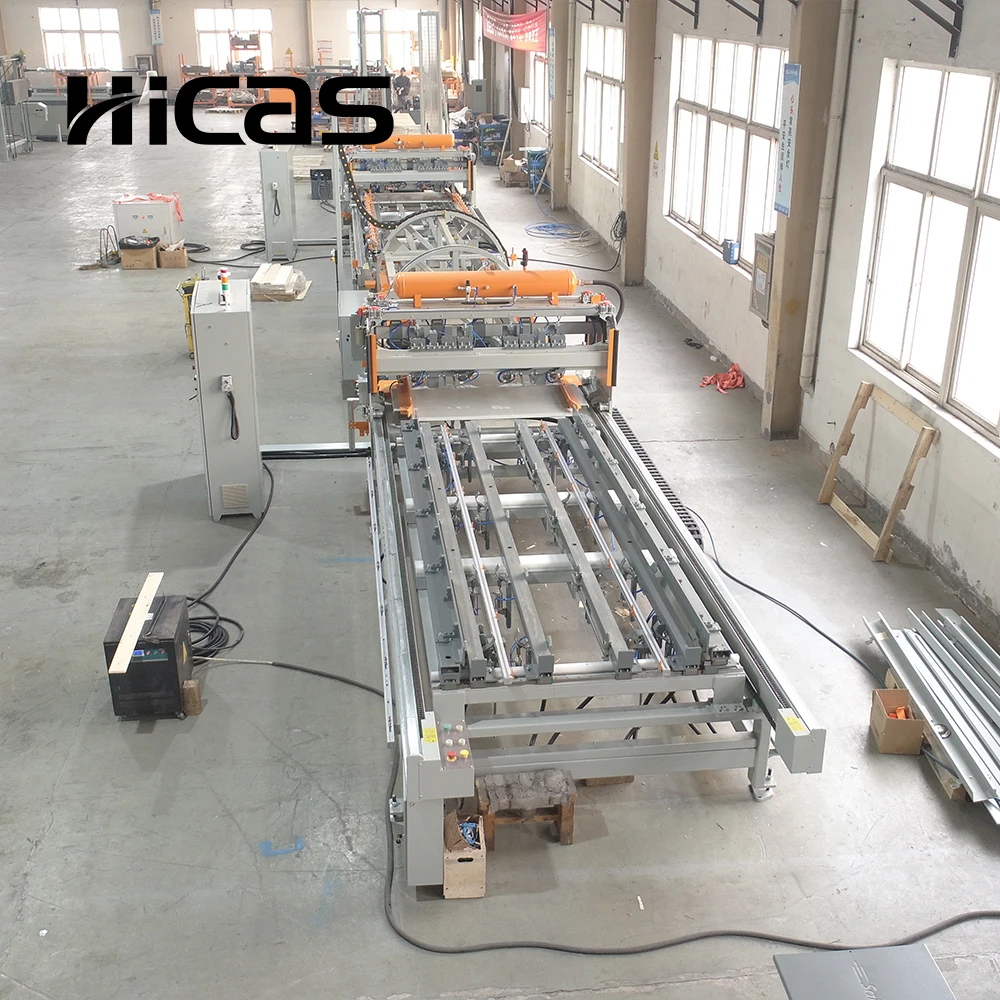
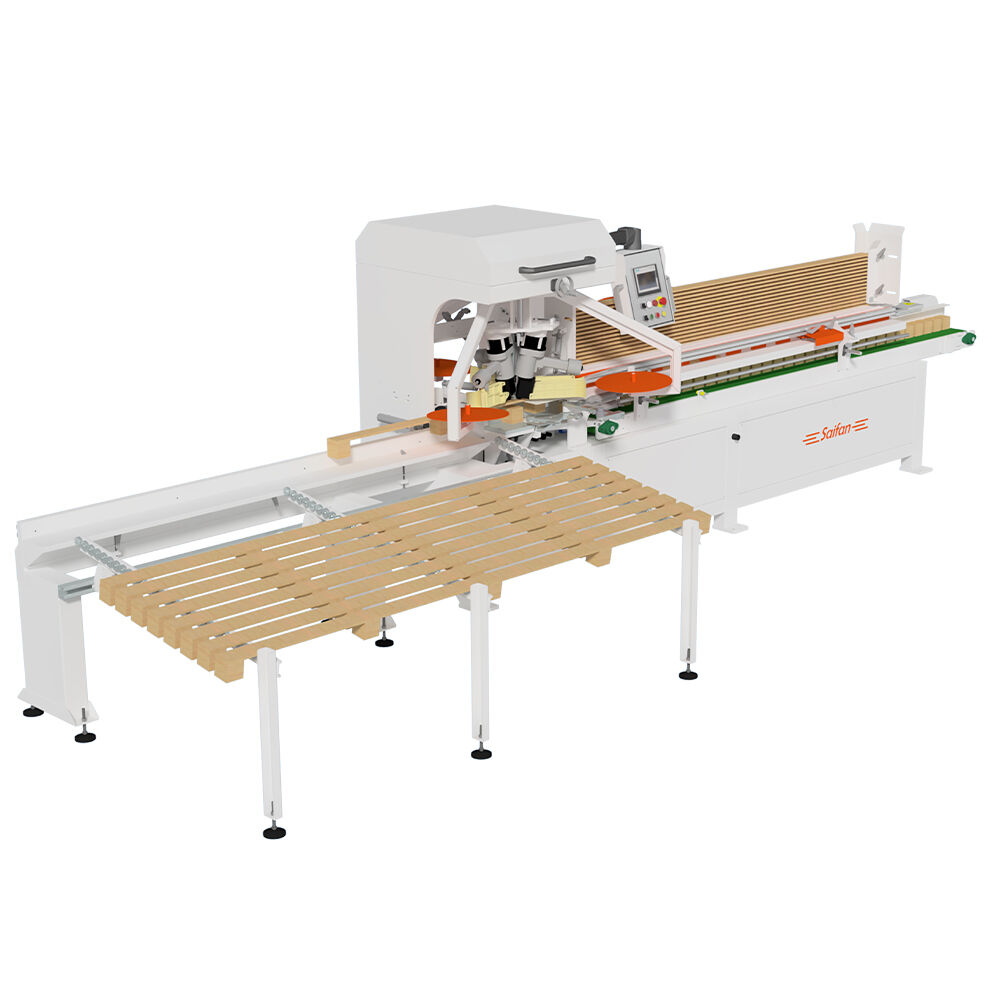
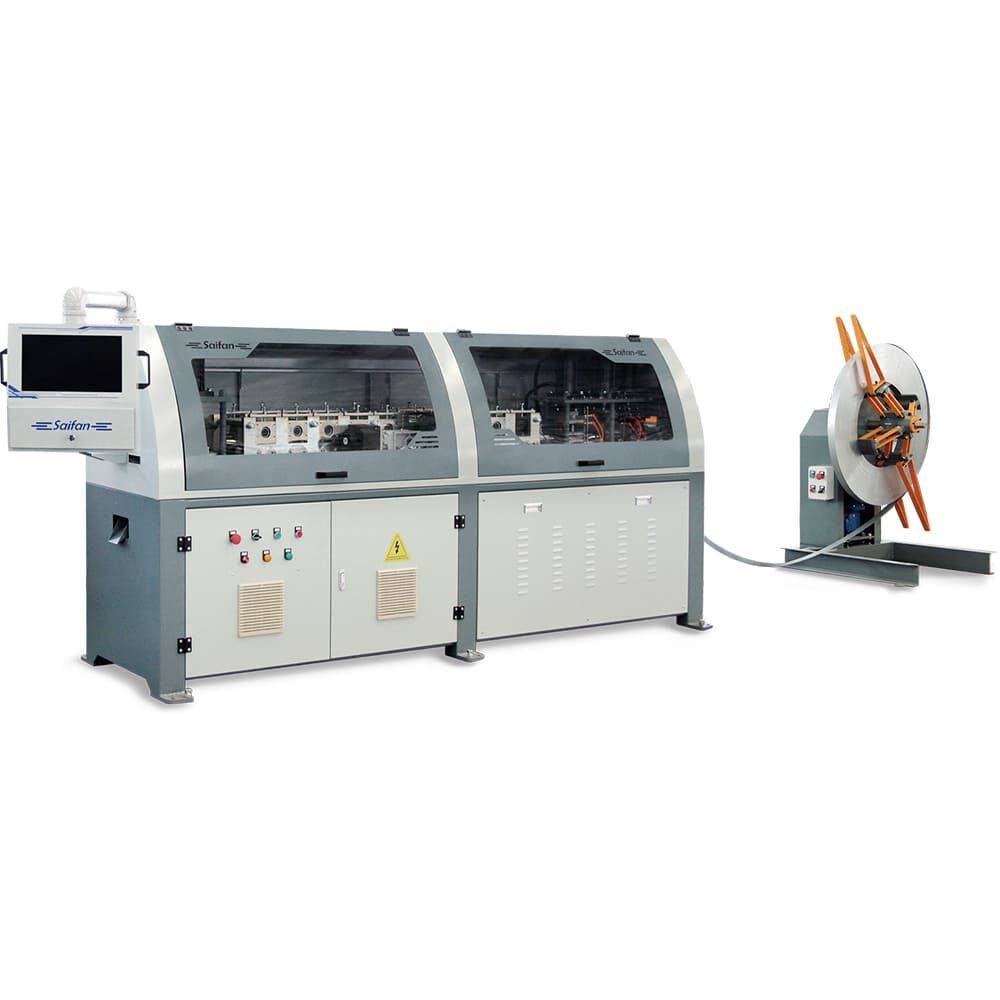
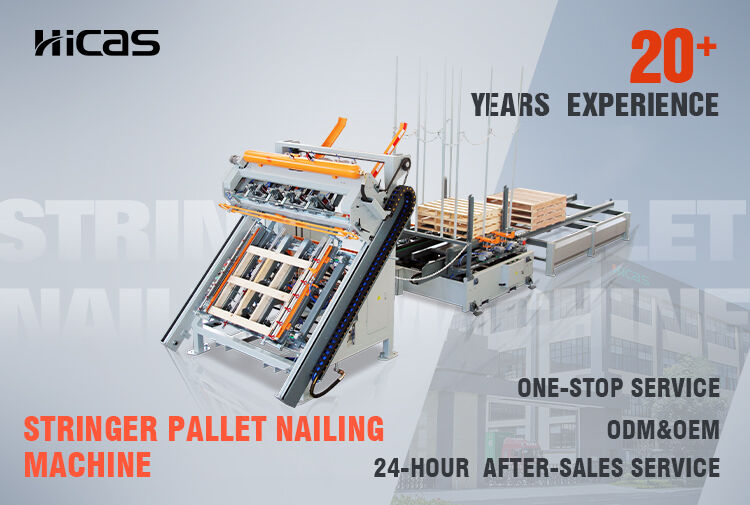
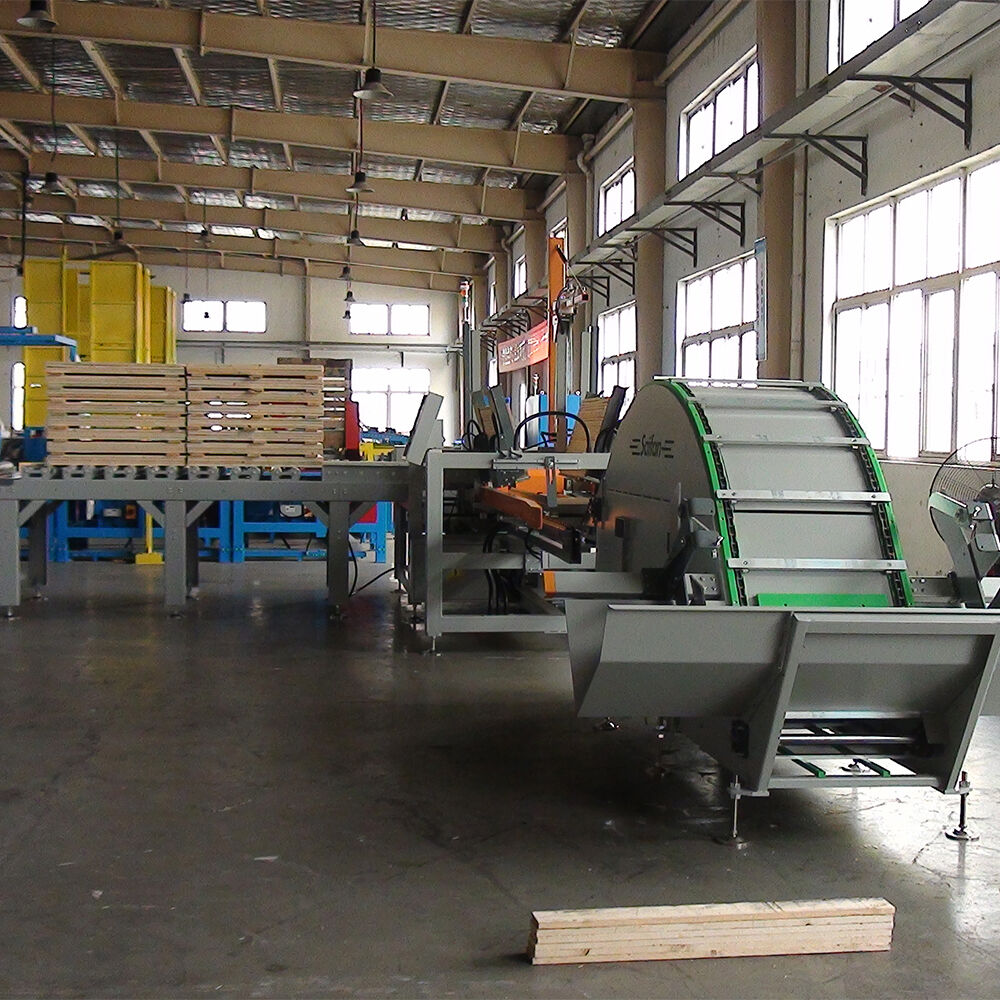
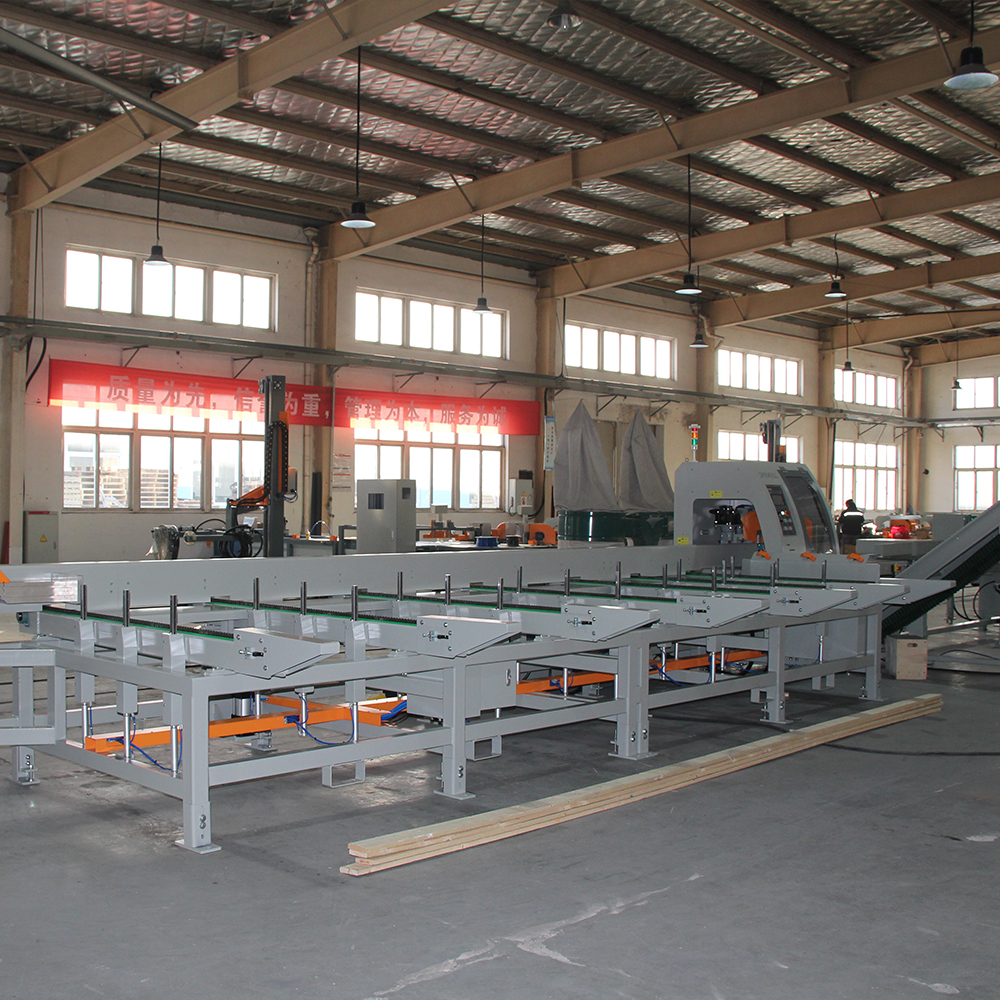
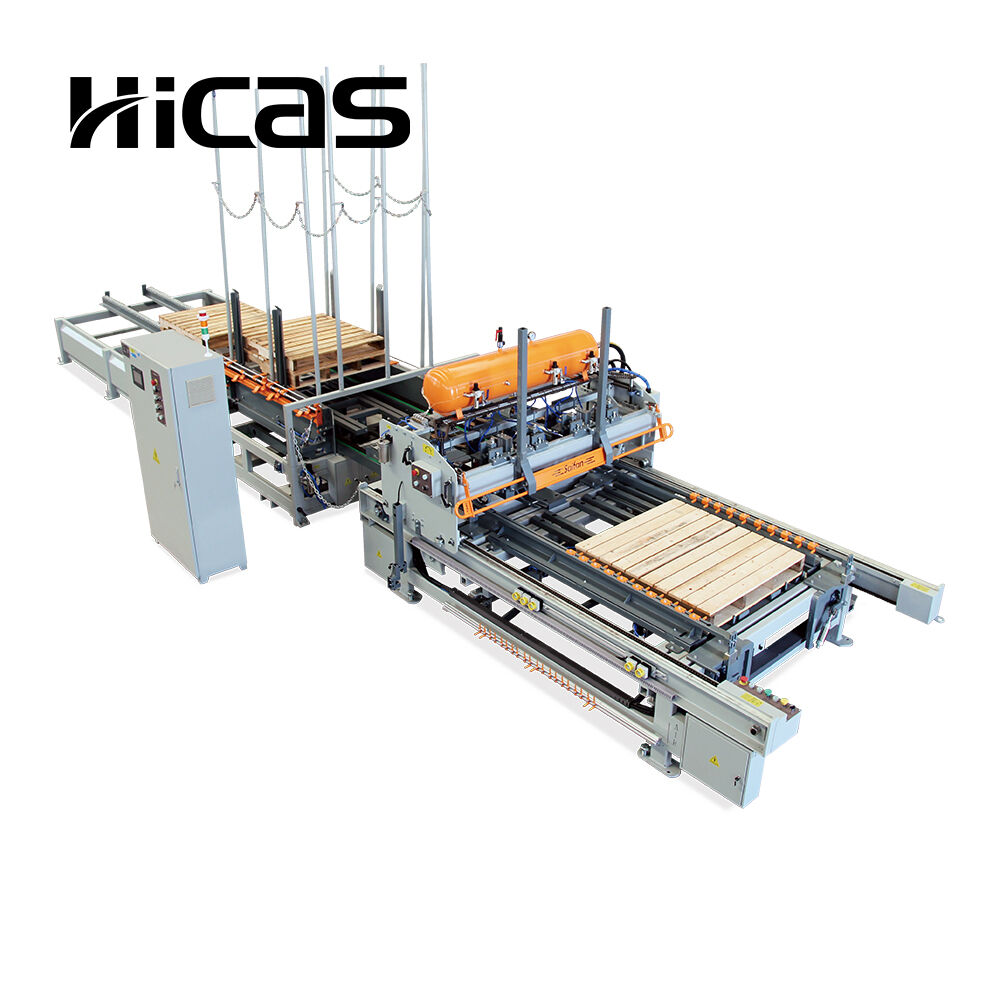
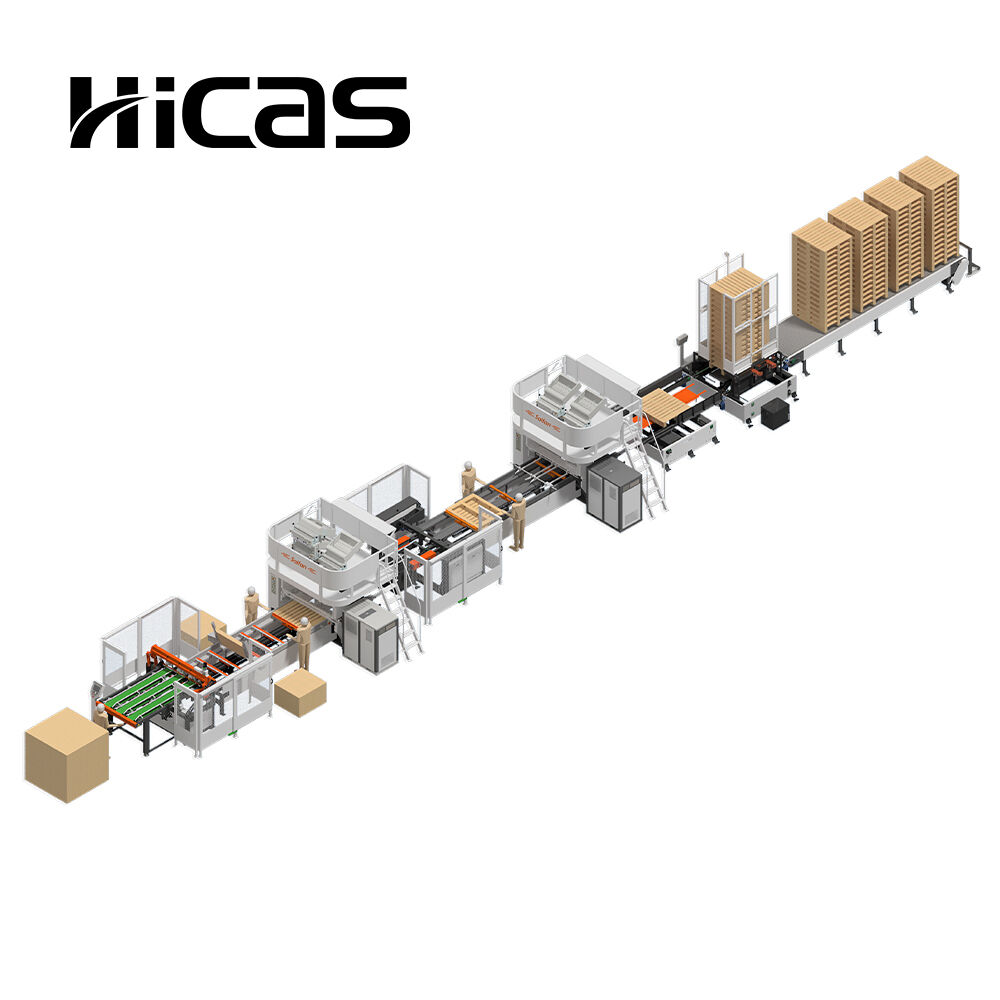
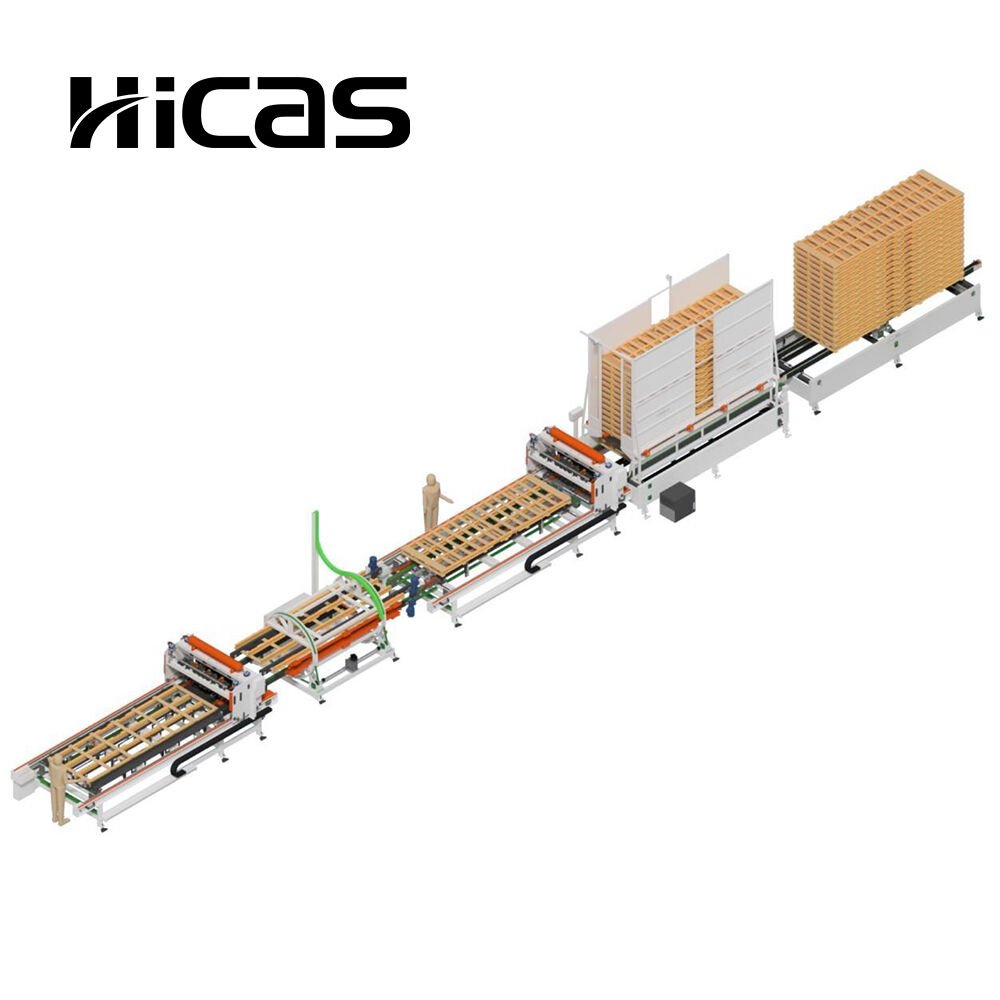
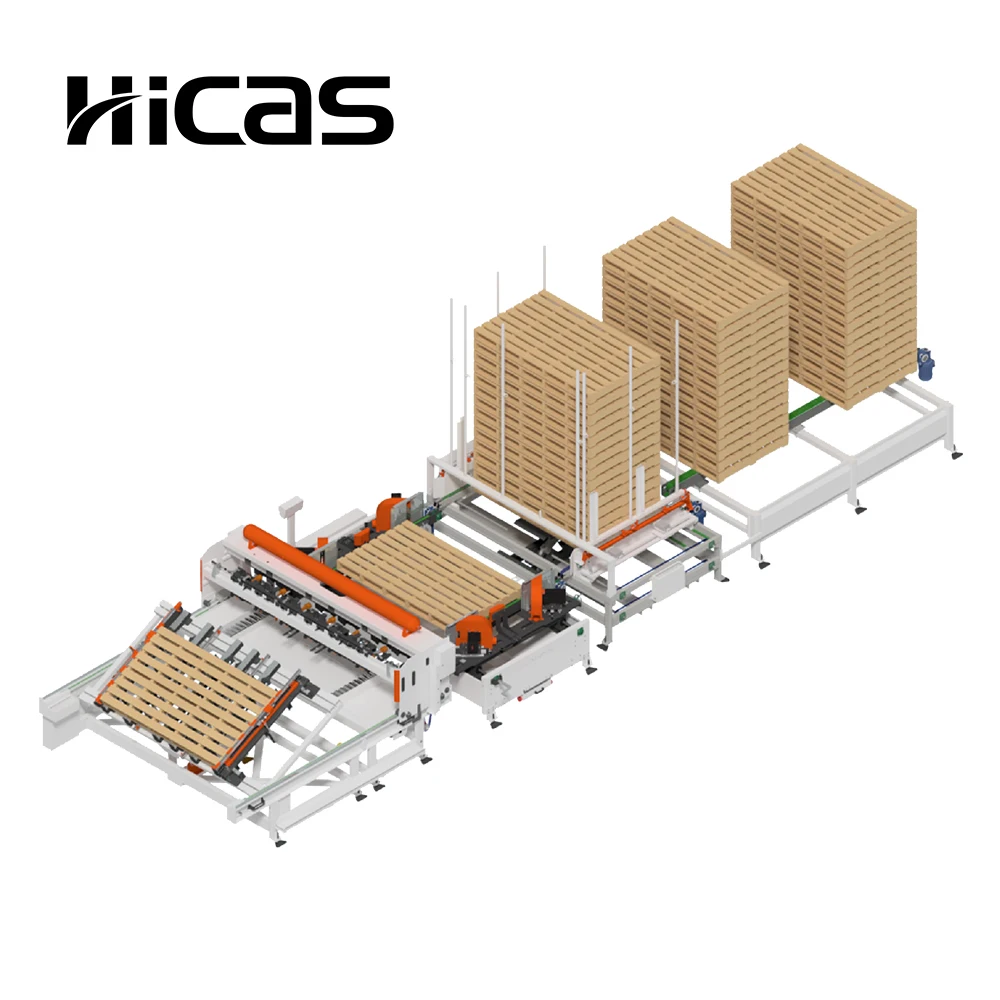
An automatic wood pallet production line is a comprehensive manufacturing system designed to streamline the entire process of producing wooden pallets with minimal human intervention. This advanced production solution integrates multiple stages of pallet fabrication, including wood feeding, cutting, notching, assembly, and stacking, into a single automated workflow. The automatic wood pallet production line utilizes precision machinery, computerized controls, and synchronized mechanisms to transform raw lumber into finished pallets efficiently. The system typically consists of several key components: automatic wood feeders that supply raw materials, high-speed saws for accurate cutting of deck boards and stringers, notching machines that create precise slots for assembly, automated nailing or screwing stations, and robotic stacking systems. Modern automatic wood pallet production lines incorporate advanced sensors and programmable logic controllers that monitor quality parameters throughout the manufacturing process. These systems can produce various pallet sizes and configurations by adjusting settings through user-friendly interfaces. The production capacity ranges from 300 to 1200 pallets per shift depending on the line configuration and pallet specifications. Industries relying heavily on logistics and material handling, including warehousing, shipping, manufacturing, and distribution centers, benefit significantly from implementing an automatic wood pallet production line. The technology addresses growing demand for standardized pallets while reducing labor costs and improving product consistency, making it an essential investment for pallet manufacturers seeking competitive advantages in today's fast-paced market.

Popular Products

Investing in an automatic wood pallet production line delivers substantial economic benefits by dramatically reducing labor requirements and operational costs. Traditional pallet manufacturing demands multiple workers handling various tasks, but automation allows a single operator to oversee the entire production process, cutting labor expenses by up to seventy percent. The system operates continuously with consistent speed and precision, eliminating human fatigue factors that affect productivity during extended shifts. Production efficiency increases significantly as the automatic wood pallet production line maintains steady output rates without breaks, achieving two to three times higher throughput compared to manual methods. Quality consistency represents another major advantage, as automated systems execute identical operations with repeatable accuracy, ensuring every pallet meets exact specifications. This consistency reduces rejection rates and enhances customer satisfaction while strengthening your market reputation. The automatic wood pallet production line offers remarkable flexibility, allowing quick changeovers between different pallet designs through programmable settings, enabling manufacturers to respond swiftly to diverse customer requirements without lengthy retooling. Safety improvements constitute a critical benefit, as automation removes workers from hazardous cutting and nailing operations, significantly reducing workplace accidents and associated costs. Material utilization improves through precise cutting that minimizes waste, directly impacting profitability by maximizing yield from each lumber input. The system provides detailed production data and analytics, enabling informed decision-making about operations optimization and resource allocation. Return on investment typically occurs within eighteen to thirty months depending on production volume, after which the automatic wood pallet production line continues generating substantial profit margins through reduced operating expenses and increased output capacity.

Latest News

What Is Roll Coating and How Does Roll Coating Equipment Work

18

Mar

What Is Roll Coating and How Does Roll Coating Equipment Work

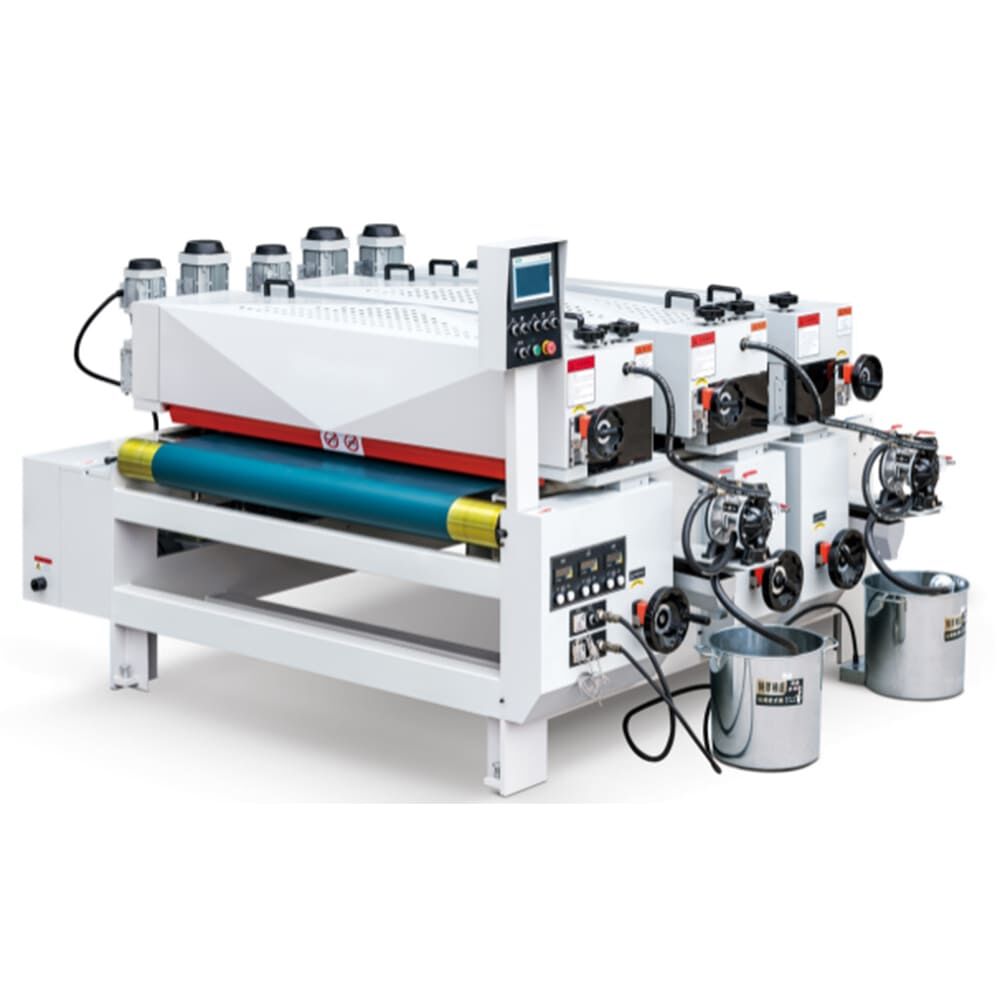
What Is Roll Coating? Understanding the Core Process 1. Basic Principles of Roll Coating Technology Roll coating stands out as one of the most effective ways to apply coatings, basically spreading a consistent layer across whatever surface needs t...
View More
Automatic Wood Cutting Systems for Pallet Manufacturing: Accuracy and Speed

28

Feb

Automatic Wood Cutting Systems for Pallet Manufacturing: Accuracy and Speed

Achieving Sub-3mm Crosscut Accuracy with Automatic Wood Cutting Systems Laser Calibration and Real-Time Blade Deflection Compensation Today's automatic wood cutting machines can hit under 1.5mm accuracy on crosscuts thanks to laser calibration ...
View More
Basic Operation and Maintenance of SF8010 Palletizing Machine

04

Jun

Basic Operation and Maintenance of SF8010 Palletizing Machine

This equipment is suitable for batch processing of wood and can be used for the preparation of wood materials in the early stage of the equipment, or for the drying and sorting of wood materials. It has high operating efficiency, simple operation, an...
View More
Common Faults and Troubleshooting Methods for the SF9026 Nail-Drilling Production Line

18

Jun

Common Faults and Troubleshooting Methods for the SF9026 Nail-Drilling Production Line

1.Position deviation of the nail placement A: The nail placement is not at the center of the crossbeam - adjust the position of the nail gun B: The nails are overall off-center - adjust the "probe offset" value in the nail placement parameters ...
View More

Get a Free Quote

Our representative will contact you soon.
Email
Mobile
Name
Company Name
Message
0/1000

automatic wood pallet production line

Advanced Integration and Synchronized Workflow

Advanced Integration and Synchronized Workflow

The automatic wood pallet production line features sophisticated integration of multiple manufacturing stages into one seamless operation. This comprehensive system synchronizes wood feeding mechanisms with cutting stations, notching equipment, assembly units, and final stacking systems through intelligent control architecture. Each component communicates continuously via industrial networks, ensuring perfect timing and coordination throughout production cycles. The integrated design eliminates bottlenecks common in traditional setups where separate machines operate independently, creating delays and requiring manual material transfer between stations. Sensors positioned strategically throughout the automatic wood pallet production line monitor material flow, detect potential issues before they cause disruptions, and automatically adjust operating parameters to maintain optimal performance. This integration extends to quality control systems that inspect dimensions, detect defects, and remove substandard products without stopping production. The synchronized workflow reduces idle time between operations, maximizes equipment utilization, and maintains consistent throughput regardless of pallet complexity. Operators benefit from centralized monitoring displays showing real-time status of all production stages, enabling quick responses to any anomalies while minimizing supervision requirements across the facility.
Precision Engineering for Superior Product Quality

Precision Engineering for Superior Product Quality

Precision engineering forms the foundation of every automatic wood pallet production line, ensuring dimensional accuracy and structural integrity in every finished product. High-precision servo motors drive cutting and positioning systems, achieving tolerances within one millimeter across all components. This accuracy proves essential for producing pallets that stack properly, fit standardized racking systems, and function reliably in automated material handling environments. Advanced cutting mechanisms utilize hardened blades and rigid frames that resist deflection under load, maintaining sharpness and alignment through extended production runs. The automatic wood pallet production line incorporates laser-guided positioning systems that locate wood pieces precisely before cutting or fastening operations, eliminating cumulative errors that compromise pallet geometry. Fastening stations apply nails or screws with controlled depth and alignment, preventing wood splitting while ensuring secure connections that withstand rigorous handling. Quality verification systems employ optical sensors and measurement devices that continuously check critical dimensions, immediately flagging any deviations from specifications. This precision-focused approach produces pallets with consistent deck spacing, uniform stringer positioning, and predictable load-bearing characteristics that meet or exceed international standards, enhancing customer confidence and reducing liability concerns.
Scalable Configuration and Future-Ready Technology

Scalable Configuration and Future-Ready Technology

The automatic wood pallet production line offers exceptional scalability, allowing manufacturers to configure systems matching current production requirements while preserving expansion capabilities for future growth. Modular design principles enable adding processing stations, increasing automation levels, or integrating new technologies without replacing existing equipment investments. Entry-level configurations provide essential automation for businesses transitioning from manual methods, while advanced setups incorporate robotic handling, artificial intelligence-based optimization, and predictive maintenance capabilities. This flexibility ensures the automatic wood pallet production line remains relevant as business demands evolve and market conditions change. Future-ready technology includes compatibility with Industry 4.0 standards, enabling connectivity with enterprise resource planning systems, remote monitoring capabilities, and data analytics platforms that drive continuous improvement initiatives. Manufacturers can implement phased upgrades, spreading capital investments over time while progressively enhancing productivity and capabilities. The system accommodates various wood species, moisture contents, and dimensional specifications through adjustable parameters rather than mechanical modifications, supporting diverse product portfolios without dedicated equipment for each variant. This adaptability protects investment value and positions manufacturers to capitalize on emerging opportunities in sustainable packaging and specialized pallet applications.