Stringer Pallet Machine Cost Guide & Benefits

L
O
A
D
I
N
G

Get a Free Quote

Our representative will contact you soon.
Email
Mobile
Name
Company Name
Message
0/1000

stringer pallet machine cost

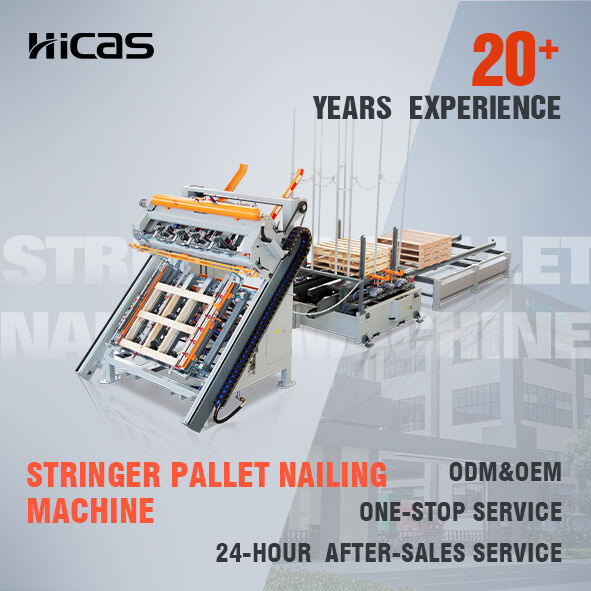
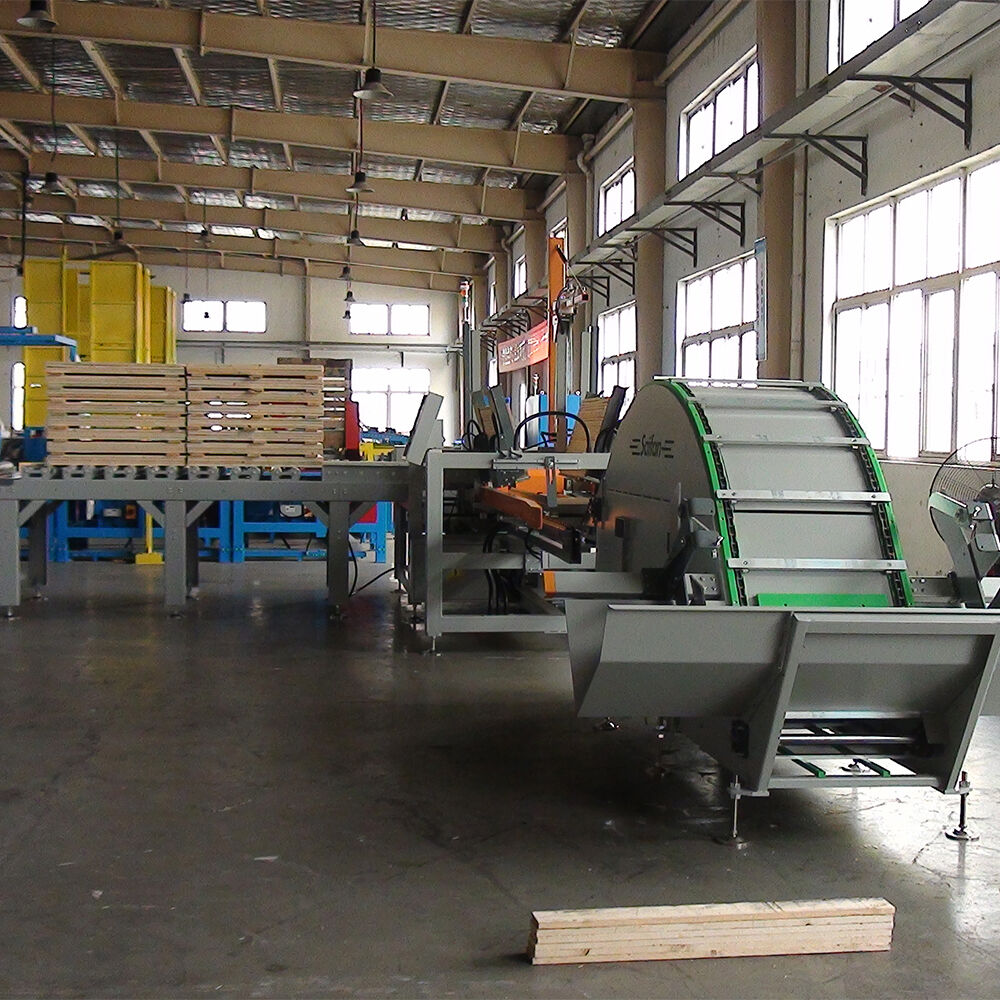
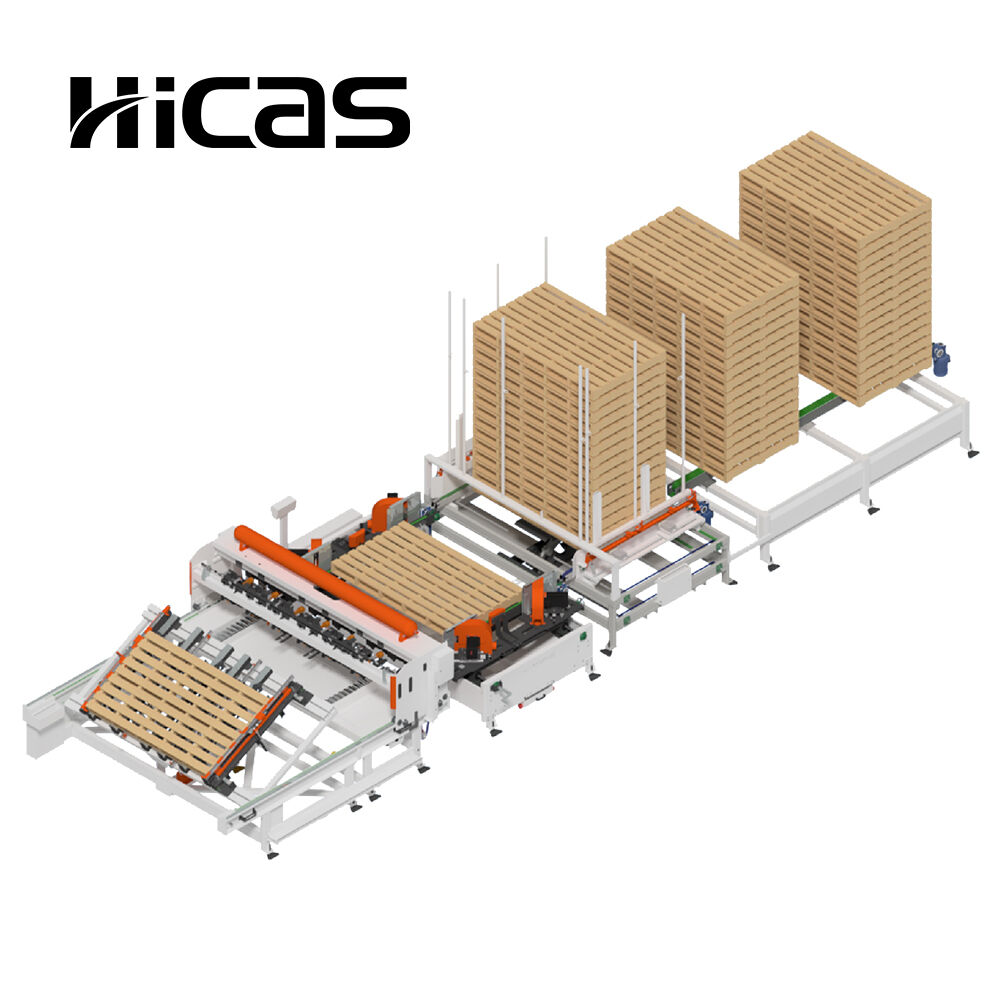
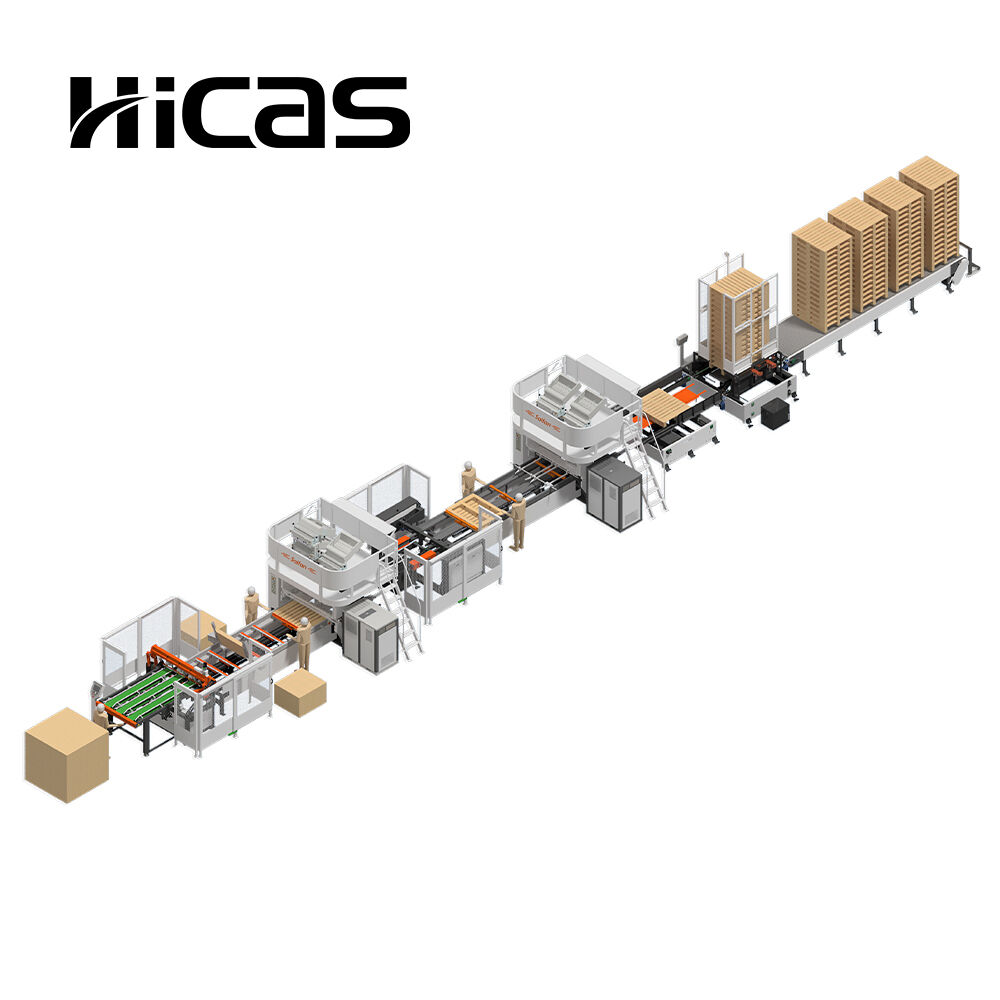
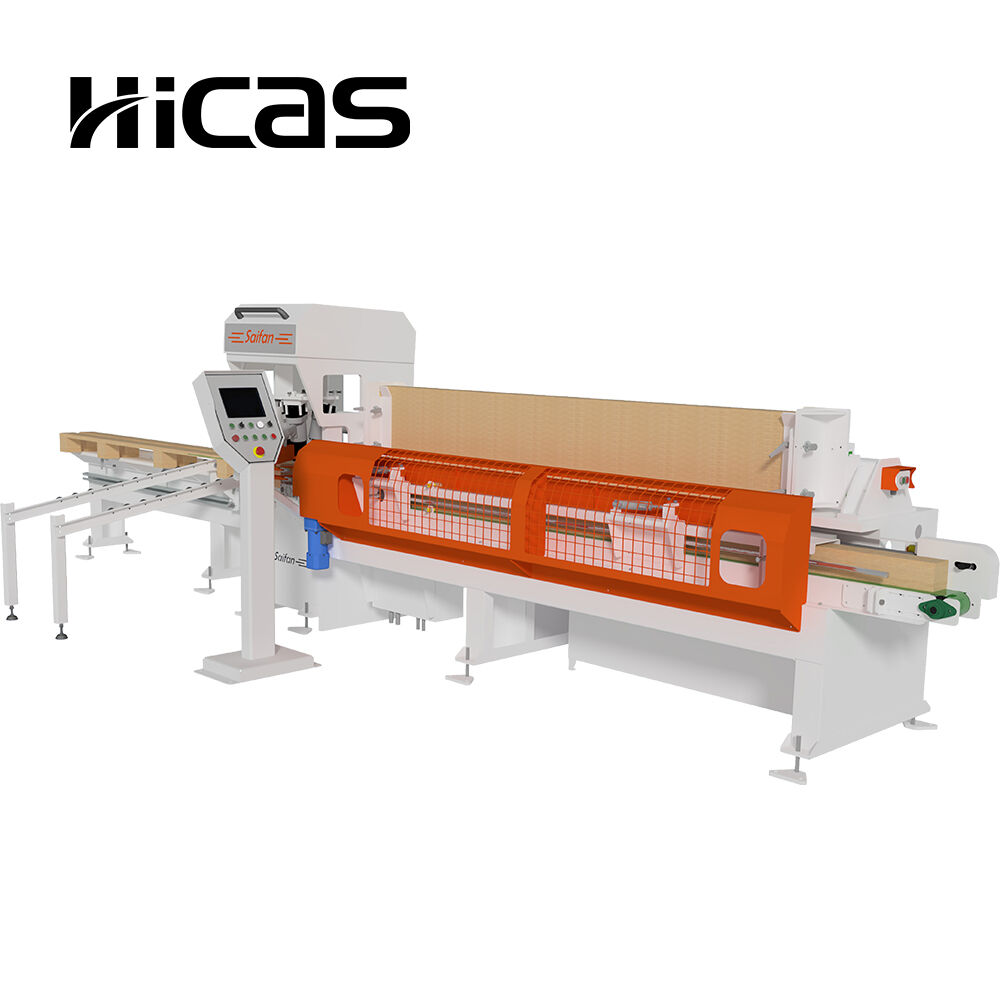
Understanding stringer pallet machine cost is essential for businesses seeking to optimize their pallet production operations. A stringer pallet machine is specialized equipment designed to manufacture wooden pallets using stringer boards as the primary structural support. These machines automate the assembly process, significantly reducing manual labor while increasing production efficiency. The stringer pallet machine cost typically ranges from $50,000 to $300,000, depending on automation level, production capacity, and technological sophistication. Basic semi-automatic models start at lower price points, while fully automated systems with advanced features command premium investments. The core functions include precise cutting of lumber, automated nail placement, board alignment, and quality control mechanisms. Technological features often encompass programmable logic controllers, hydraulic pressing systems, automatic feeding mechanisms, and digital measurement systems that ensure consistent pallet dimensions. These machines are widely applied in logistics, warehousing, manufacturing facilities, and dedicated pallet production plants. When evaluating stringer pallet machine cost, buyers should consider production volume requirements, operational space, maintenance expenses, and return on investment timelines. Modern machines offer energy-efficient operations and reduced waste generation, contributing to lower long-term operational costs. The initial stringer pallet machine cost represents a significant capital investment, yet the productivity gains and labor savings typically justify the expenditure within 18 to 36 months for medium to high-volume operations.

Popular Products

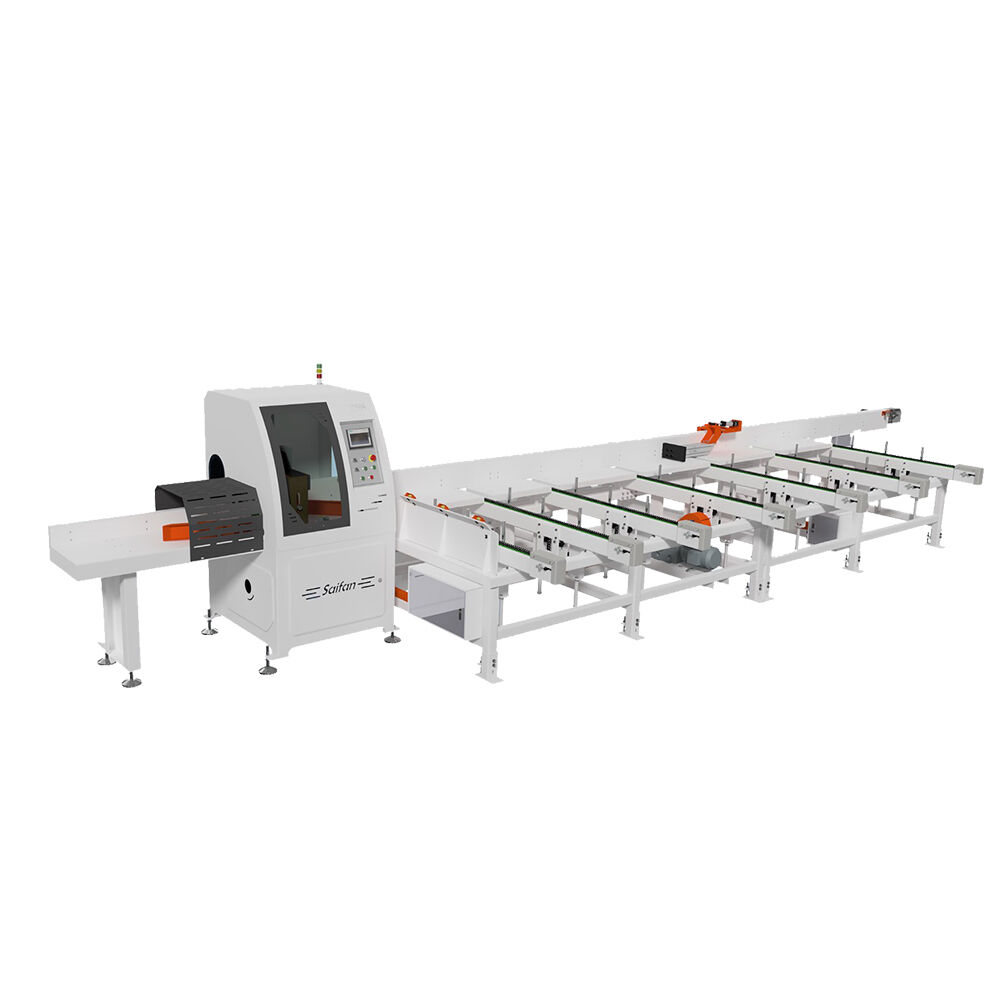
Investing in a stringer pallet machine delivers substantial operational benefits that directly impact your bottom line. First, these machines dramatically reduce production time, enabling manufacturers to produce 200 to 500 pallets per shift compared to 30 to 50 pallets with manual assembly. This efficiency translates to meeting larger orders and expanding business capacity without proportional increases in workforce. The consistency achieved through automated processes ensures every pallet meets exact specifications, reducing customer complaints and product returns. Labor cost savings represent another compelling advantage, as one operator can manage machine operations that would otherwise require five to eight manual workers. This workforce optimization allows businesses to redirect human resources to higher-value activities. When considering stringer pallet machine cost against long-term savings, most operations achieve payback within two to three years through combined labor reduction and increased throughput. Safety improvements also provide measurable value, as automation minimizes worker exposure to repetitive strain injuries and nail gun accidents common in manual pallet assembly. The machines accommodate various lumber sizes and pallet specifications, offering production flexibility that manual operations cannot match efficiently. Energy consumption remains reasonable, with modern systems incorporating power-saving features during idle periods. Maintenance requirements are straightforward, typically involving routine lubrication and periodic component inspection. The stringer pallet machine cost includes substantial value through reduced material waste, as precision cutting and placement optimize lumber utilization rates. Businesses serving industries with high pallet turnover, such as food distribution, retail logistics, and manufacturing supply chains, find these machines particularly advantageous for maintaining consistent quality and meeting demanding delivery schedules.

Tips And Tricks

Choosing Between Entry-Level and High-Speed Wooden Pallet Making Machines

26

Feb

Choosing Between Entry-Level and High-Speed Wooden Pallet Making Machines

Production Volume Requirements: Matching Output to Wooden Pallet Making Machine Capability Cycle Time, Pallets per Shift, and Scalability Thresholds The amount of pallets being produced on a regular basis really makes all the difference when decid...
View More
How Automated Painting Lines Enhance Efficiency in Furniture Production

27

Mar

How Automated Painting Lines Enhance Efficiency in Furniture Production

Accelerating Production Throughput with Automatic Painting Lines Robotic Spray Arms and Synchronized Conveyance Boost Cycle Speed Today's automated spray painting systems combine robotic arms with smart conveyor technology to boost furniture manuf...
View More
SF9025 Stringer Pallet Nailing Machine Basic Operation Instructions

02

Jun

SF9025 Stringer Pallet Nailing Machine Basic Operation Instructions

SF9025 Basic Operation Instructions ①. Power and Air Supply Connection 1. Connect the Air Supply Connect the compressed air source. (Ensure the air is dry and the air supply is sufficient.) Adjust the pressure regulator to meet the required nail...
View More
Basic Operation and Maintenance of SF8010 Palletizing Machine

04

Jun

Basic Operation and Maintenance of SF8010 Palletizing Machine

This equipment is suitable for batch processing of wood and can be used for the preparation of wood materials in the early stage of the equipment, or for the drying and sorting of wood materials. It has high operating efficiency, simple operation, an...
View More

Get a Free Quote

Our representative will contact you soon.
Email
Mobile
Name
Company Name
Message
0/1000

stringer pallet machine cost

Advanced Automation Reduces Operational Expenses

Advanced Automation Reduces Operational Expenses

The relationship between stringer pallet machine cost and operational savings becomes evident through advanced automation features that transform production economics. Modern machines integrate computerized control systems that manage multiple assembly stages simultaneously, from lumber positioning to nail driving and quality verification. This automation eliminates human error variables that cause material waste and production delays in manual operations. Operators simply load raw materials and monitor output, while the machine handles precise measurements, consistent nail placement, and uniform board spacing. The technology includes sensor systems that detect lumber defects and automatically reject substandard materials before assembly, preventing finished pallet failures. These capabilities ensure that despite the initial stringer pallet machine cost, businesses achieve superior product consistency that strengthens customer relationships and reduces warranty claims. The automation also enables lights-out production capabilities, where machines continue operating during breaks and shift changes, maximizing equipment utilization rates. Energy management systems automatically reduce power consumption during idle periods, contributing to lower utility expenses over the machine's operational lifespan.
Scalable Production Capacity Matches Business Growth

Scalable Production Capacity Matches Business Growth

Evaluating stringer pallet machine cost requires understanding how production scalability protects your investment as business demands evolve. These machines offer adjustable throughput settings that accommodate varying production volumes without requiring equipment replacement. Entry-level systems handle 150 to 250 pallets daily, suitable for regional distributors and medium manufacturers, while high-capacity models produce 400 to 600 units per shift for large-scale operations. This scalability means businesses can select machines matching current needs while retaining expansion capabilities through simple programming adjustments or minor component upgrades. The modular design of quality machines allows adding auxiliary equipment such as automatic stackers, sorting systems, and packaging units as production volumes increase. This flexibility ensures the stringer pallet machine cost represents a long-term investment rather than a temporary solution requiring replacement during growth phases. Production versatility extends to pallet dimensions and designs, with machines quickly switching between standard sizes like 48x40 inches and custom specifications through digital control adjustments. This adaptability serves businesses supplying diverse industries with varying pallet requirements, eliminating the need for multiple specialized machines and maximizing return on the initial capital investment.
Durable Construction Ensures Long-Term Value

Durable Construction Ensures Long-Term Value

The stringer pallet machine cost reflects robust engineering and durable construction that deliver decades of reliable service with proper maintenance. Manufacturers build these machines using heavy-duty steel frames, industrial-grade hydraulic components, and hardened metal parts designed to withstand continuous operation in demanding production environments. Critical components such as pressing cylinders, nail feeding mechanisms, and drive motors incorporate commercial-grade materials that resist wear even under high-volume usage patterns. This durability means businesses avoid frequent replacement costs and extended downtime periods that plague cheaper alternatives. Quality machines include accessible maintenance points that simplify routine servicing, reducing both labor hours and parts expenses over the equipment's lifespan. Comprehensive warranty coverage typically accompanies higher-end models, providing additional protection for the stringer pallet machine cost investment. The construction quality also contributes to consistent output precision, as rigid frames prevent alignment drift and maintain tight tolerances year after year. Corrosion-resistant finishes protect metal surfaces in humid production environments common in lumber processing facilities. When properly maintained, these machines commonly operate effectively for 15 to 25 years, spreading the initial stringer pallet machine cost across thousands of production cycles and delivering exceptional long-term value compared to manual assembly operations.