Pallet Production Line Systems and Solutions

L
O
A
D
I
N
G

Get a Free Quote

Our representative will contact you soon.
Email
Mobile
Name
Company Name
Message
0/1000

pallet production line

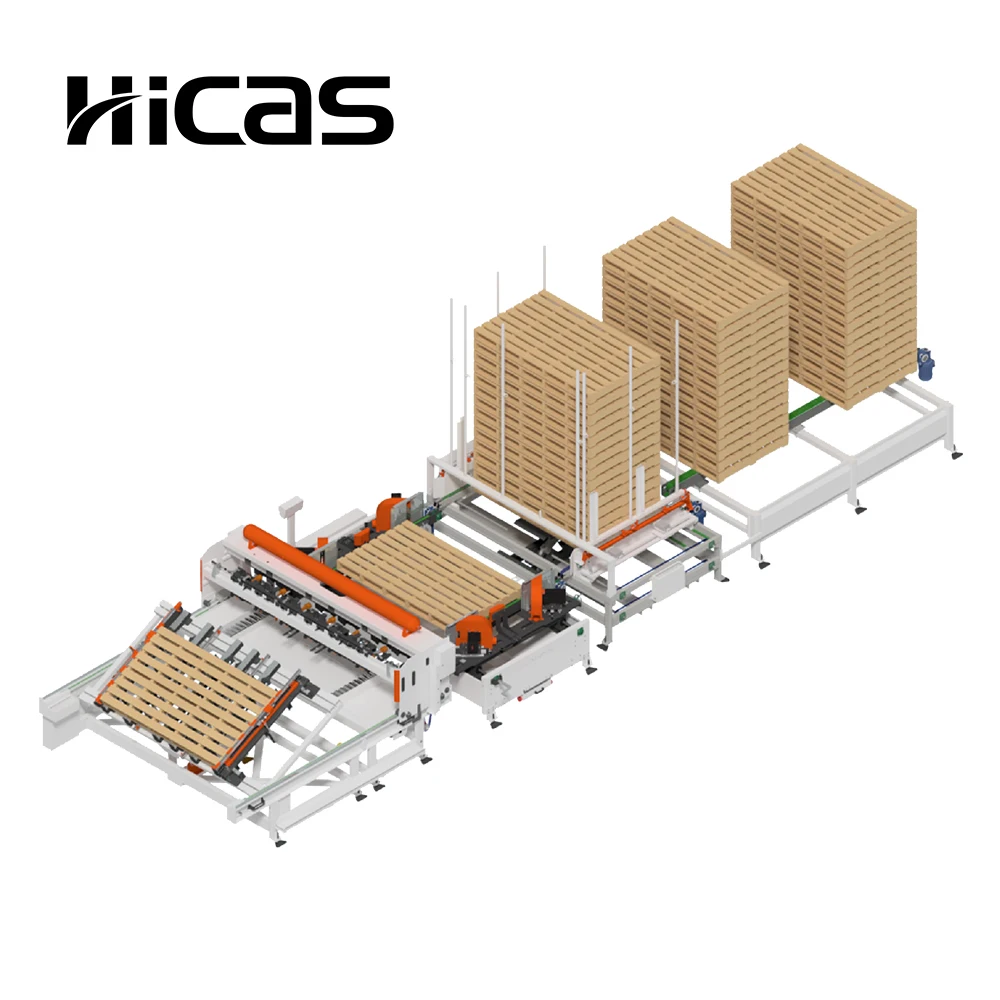
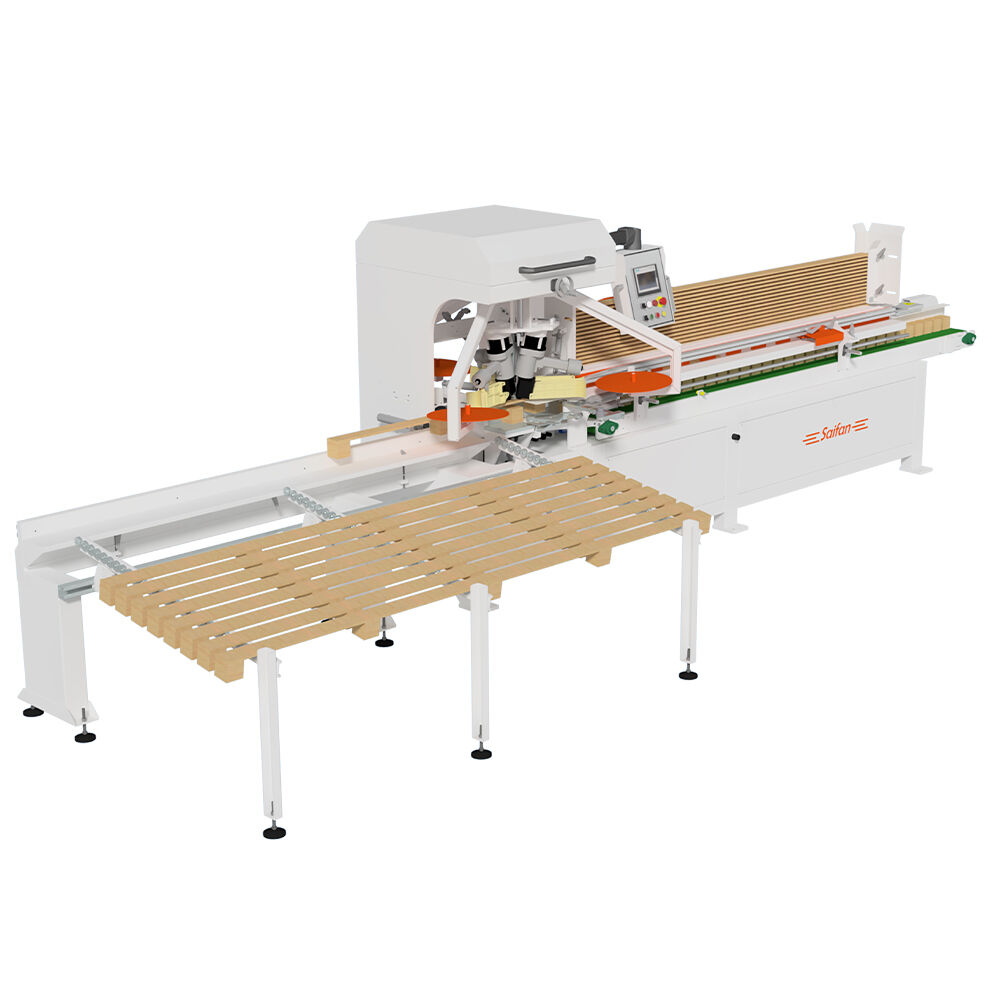
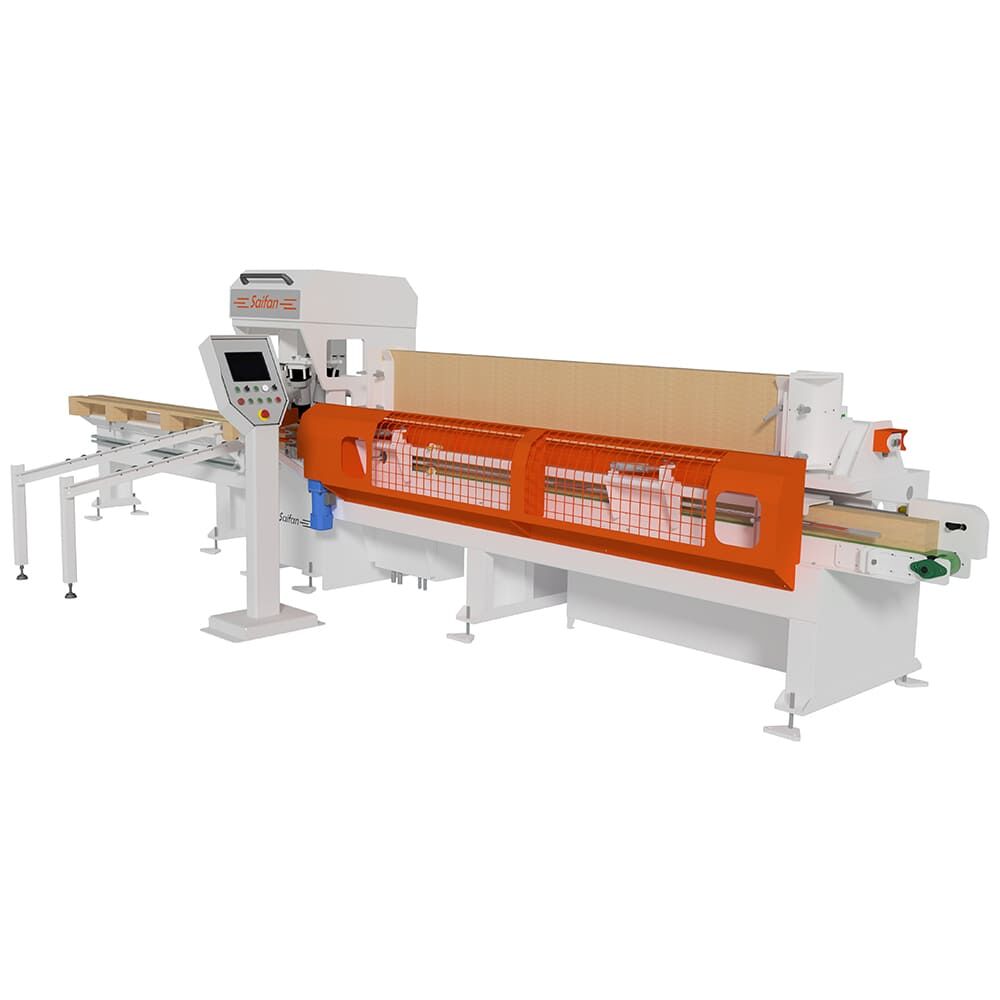
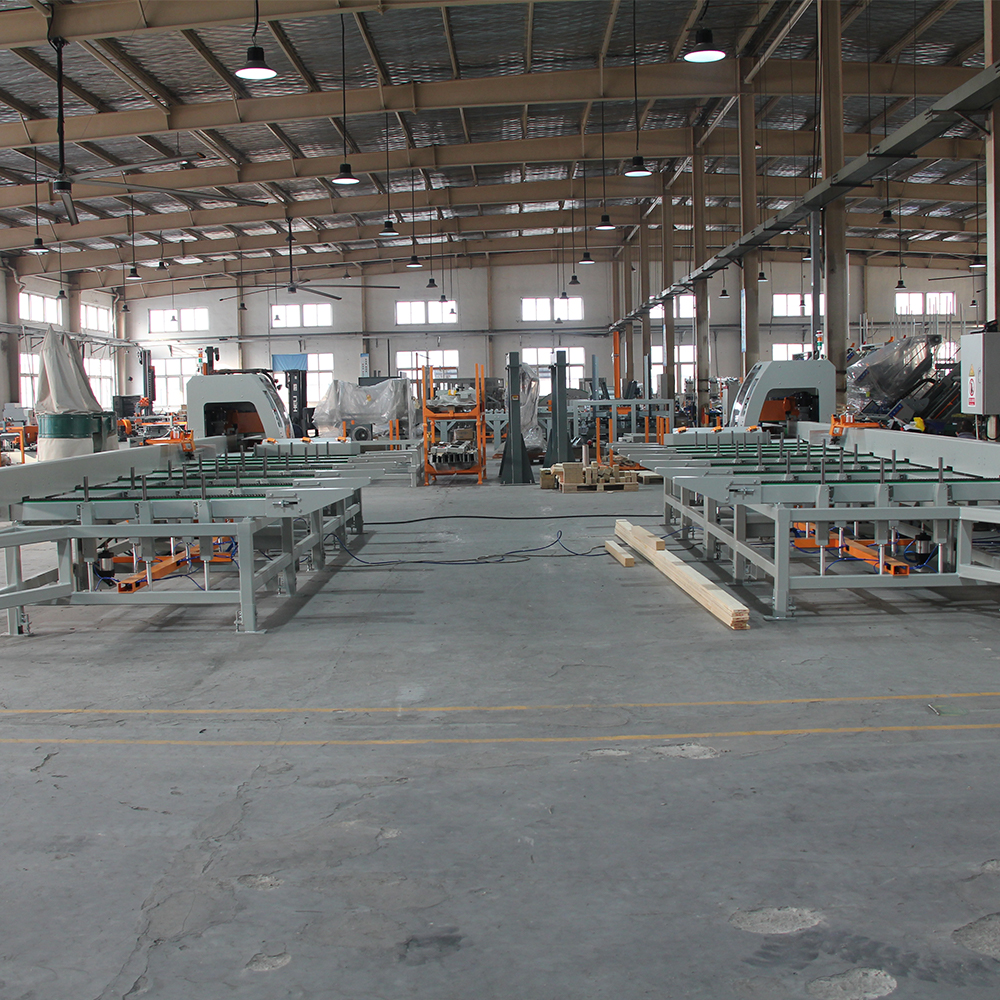
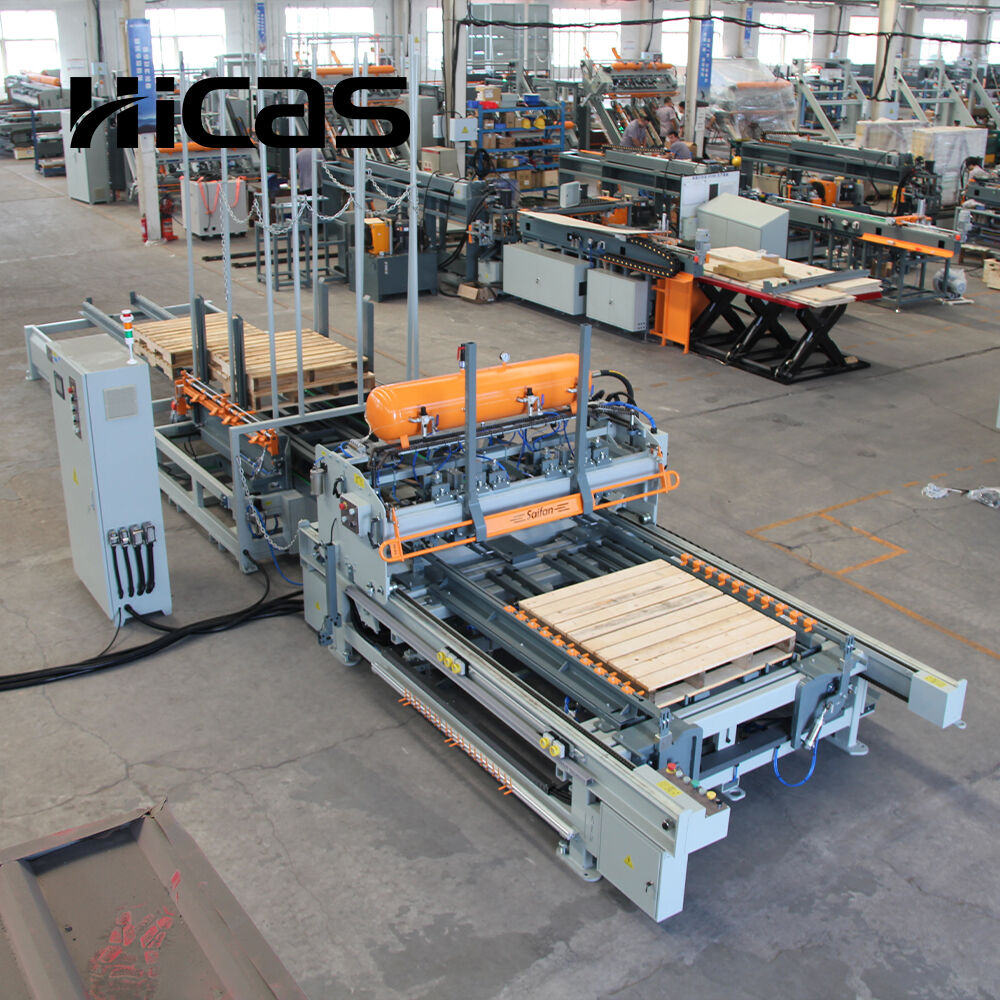
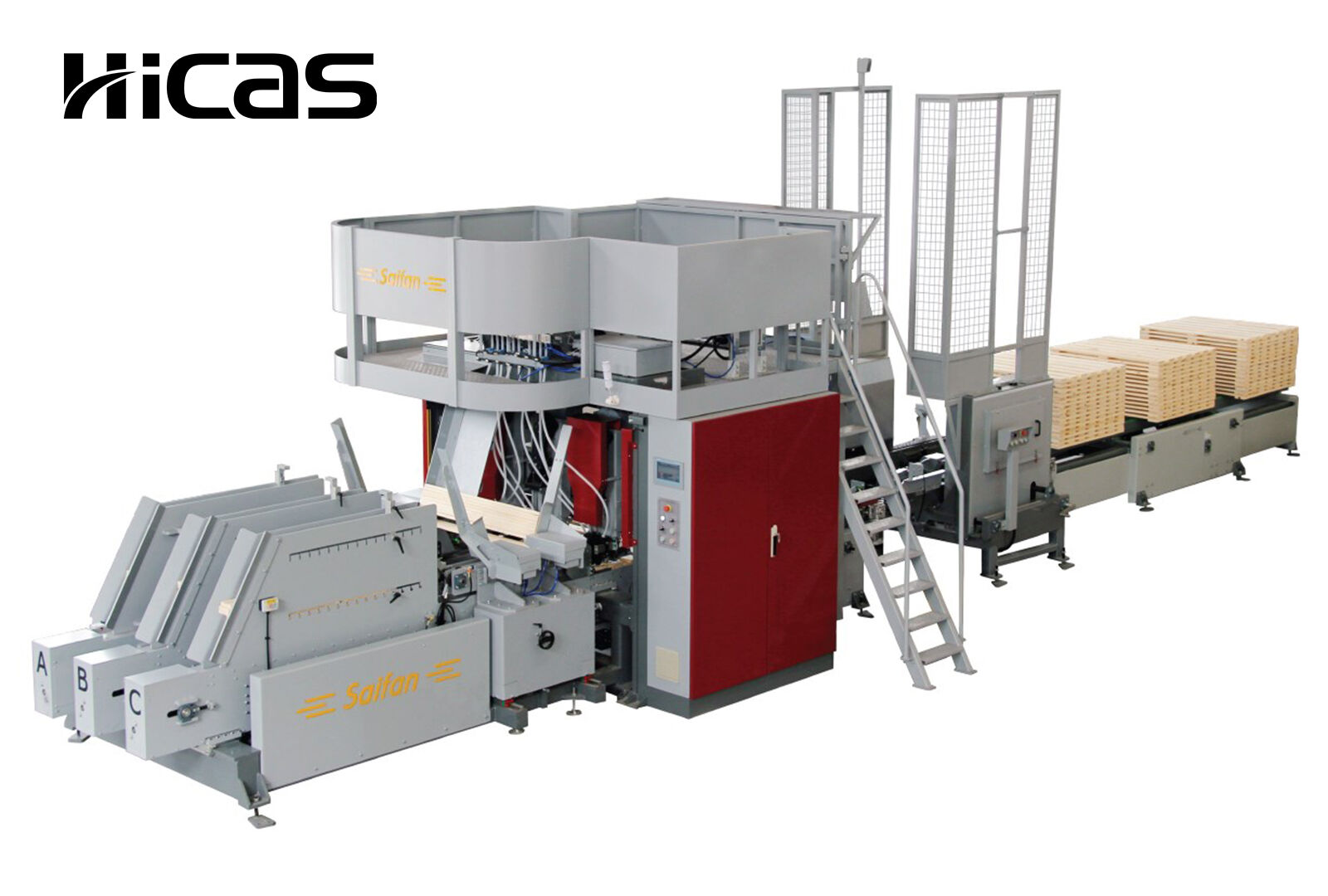
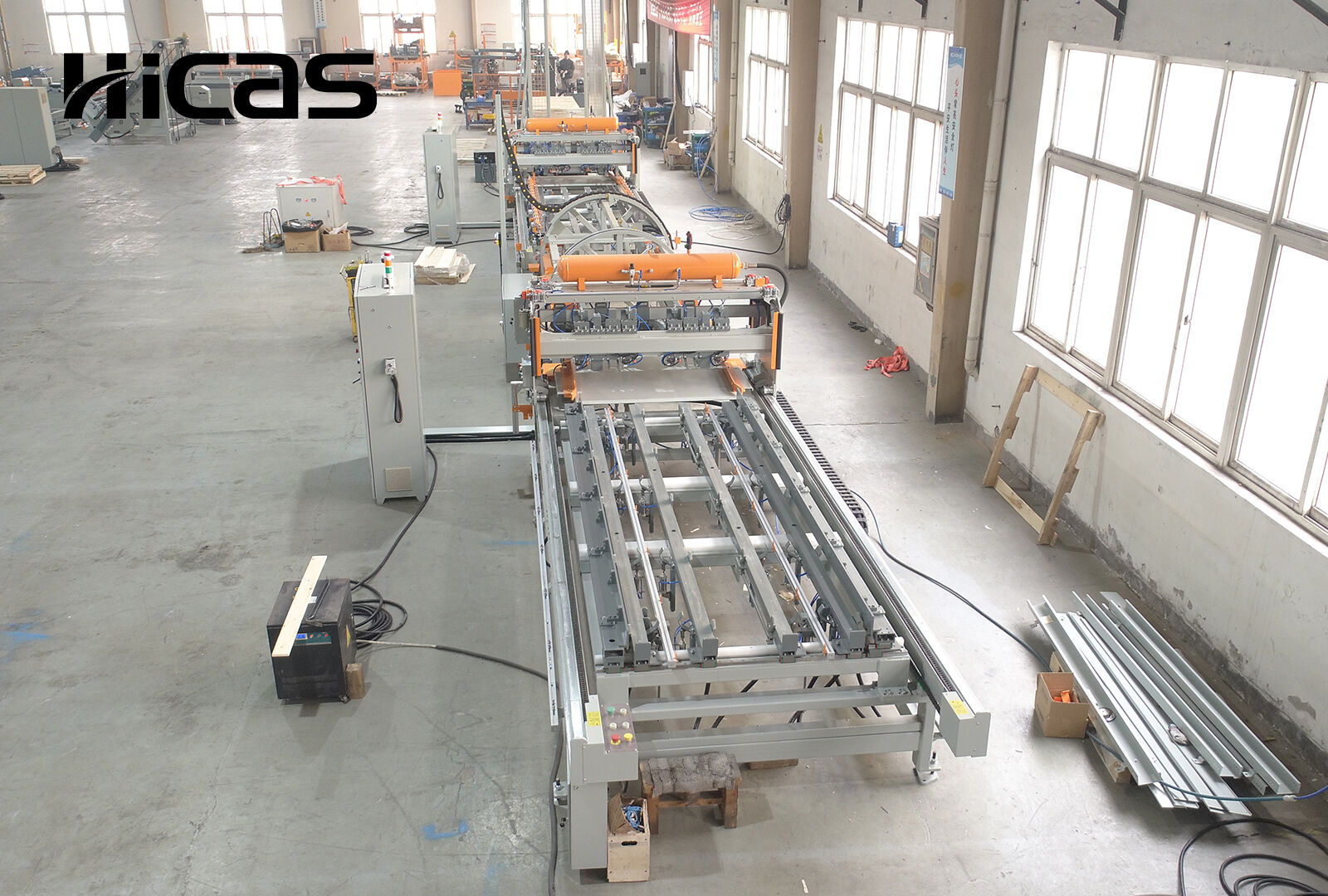
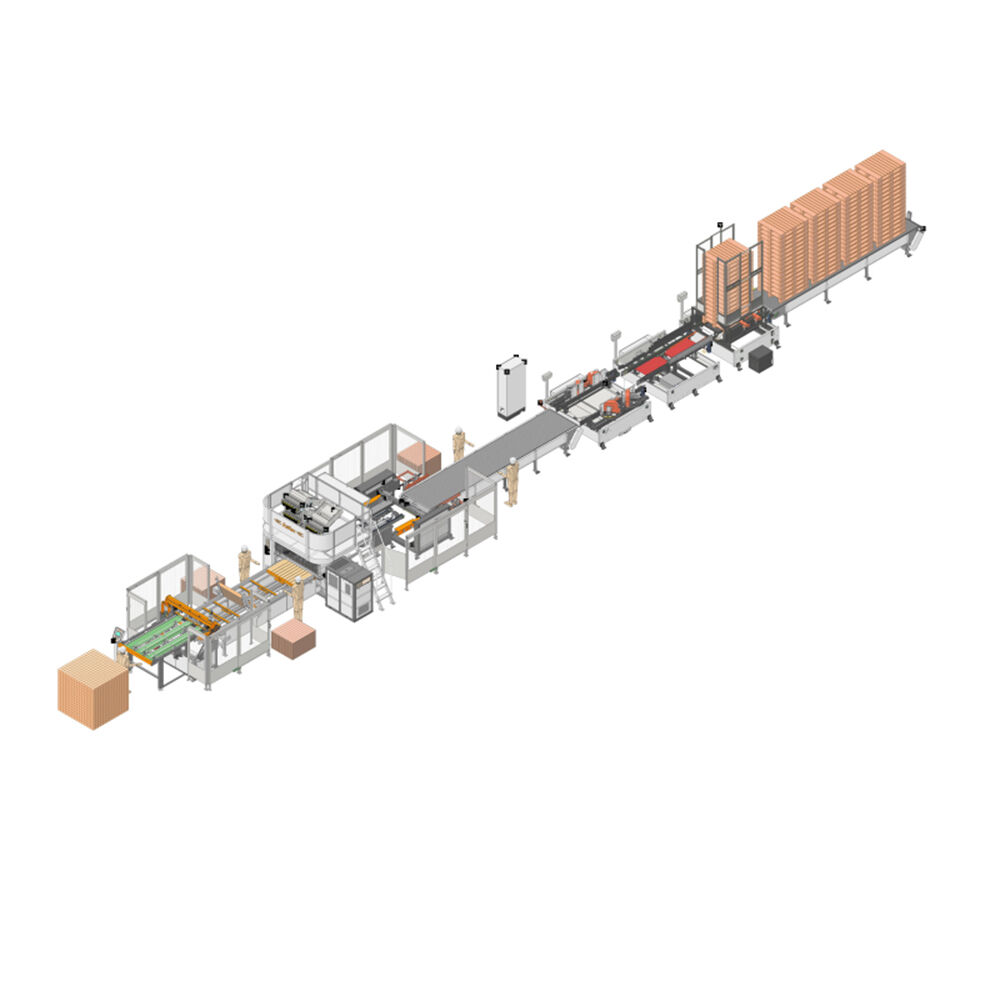
A pallet production line is an automated manufacturing system designed to produce wooden, plastic, or composite pallets efficiently and consistently. This integrated production solution combines multiple machines and processes to transform raw materials into finished pallets ready for industrial use. The pallet production line typically includes material feeding systems, cutting stations, assembly units, pressing equipment, and quality control mechanisms that work together seamlessly. Modern pallet production lines incorporate advanced automation technology, enabling manufacturers to produce high volumes of pallets with minimal manual intervention. The system handles various pallet sizes and specifications, from standard designs to customized configurations based on specific industry requirements. Key technological features include computerized control systems that monitor production parameters, automatic material handling equipment that reduces labor costs, and precision cutting tools that minimize material waste. The pallet production line can process different materials including hardwood, softwood, recycled plastic, and engineered wood products. Applications span across logistics, warehousing, manufacturing, retail distribution, and international shipping industries where pallets serve as essential material handling equipment. The production line ensures consistent quality standards, dimensional accuracy, and structural integrity of every pallet manufactured. With integrated safety features and user-friendly interfaces, operators can efficiently manage production schedules and adjust settings to meet changing market demands, making the pallet production line an indispensable asset for businesses focused on optimizing their pallet manufacturing operations.

Popular Products

Investing in a pallet production line delivers substantial cost savings by reducing labor expenses and minimizing material waste through precise cutting and automated assembly processes. The system increases production capacity significantly, allowing manufacturers to produce thousands of pallets daily compared to manual methods that limit output. Operational efficiency improves dramatically as the automated workflow eliminates bottlenecks and maintains consistent production speeds throughout shifts. The pallet production line ensures uniform quality across all units, reducing defects and customer complaints while building a reputation for reliability. Energy-efficient components and optimized processes lower utility costs, contributing to better profit margins and environmental sustainability. Manufacturers gain flexibility to quickly switch between different pallet specifications without extensive retooling, enabling them to serve diverse customer requirements and capture more market opportunities. The automated system reduces workplace injuries associated with manual pallet assembly, creating a safer work environment and lowering insurance costs. Real-time monitoring capabilities provide valuable production data that helps identify improvement areas and optimize resource allocation. Quick return on investment typically occurs within two to three years due to increased output and reduced operating costs. The pallet production line positions businesses competitively by enabling faster order fulfillment and the ability to handle large contracts that manual operations cannot accommodate. Scalability options allow manufacturers to expand capacity by adding modules as demand grows, protecting the initial investment while supporting business growth. Consistent quality and reliable delivery schedules help secure long-term contracts with major logistics companies and distribution centers that demand dependable pallet suppliers.

Latest News

Choosing Between Entry-Level and High-Speed Wooden Pallet Making Machines

26

Feb

Choosing Between Entry-Level and High-Speed Wooden Pallet Making Machines

Production Volume Requirements: Matching Output to Wooden Pallet Making Machine Capability Cycle Time, Pallets per Shift, and Scalability Thresholds The amount of pallets being produced on a regular basis really makes all the difference when decid...
View More
Automatic Wood Cutting Systems for Pallet Manufacturing: Accuracy and Speed

28

Feb

Automatic Wood Cutting Systems for Pallet Manufacturing: Accuracy and Speed

Achieving Sub-3mm Crosscut Accuracy with Automatic Wood Cutting Systems Laser Calibration and Real-Time Blade Deflection Compensation Today's automatic wood cutting machines can hit under 1.5mm accuracy on crosscuts thanks to laser calibration ...
View More
Key Advantages of Using High Speed Pallet Nailing Machines in Large Scale Production

27

Mar

Key Advantages of Using High Speed Pallet Nailing Machines in Large Scale Production

Boosting Production Efficiency with High-Speed Pallet Nailing Machines Eliminating Assembly Bottlenecks: From Manual Labor to Fully Synchronized Automation Switching from manual hammering to automated pallet nailing systems takes away those frustr...
View More
SF 7013S Automatic Double-Head Slotting Machine - Basic Operation and Equipment Maintenance and Lubrication

18

Jun

SF 7013S Automatic Double-Head Slotting Machine - Basic Operation and Equipment Maintenance and Lubrication

I. Operating Precautions 1. Ensure that the equipment is connected to the ground wire. 2. Personal belongings can cause serious injuries. Before starting the machine, place watches, bracelets, etc. properly, fasten the cuffs, tie up long hair, r...
View More

Get a Free Quote

Our representative will contact you soon.
Email
Mobile
Name
Company Name
Message
0/1000

pallet production line

Automated Precision Manufacturing

Automated Precision Manufacturing

The pallet production line incorporates sophisticated automation technology that ensures every pallet meets exact specifications with minimal human intervention. Advanced sensors and computerized control systems monitor each production stage, automatically adjusting parameters to maintain quality standards. Precision cutting equipment accurately dimensions lumber or plastic materials, eliminating variations that compromise pallet strength and stackability. Automated assembly stations position components correctly and apply optimal pressure during fastening, ensuring structural integrity that withstands heavy loads and repeated use. The system detects defects instantly through integrated quality inspection mechanisms, removing substandard units before they reach customers. This precision manufacturing approach reduces material waste significantly, as accurate cutting minimizes offcuts and scrap. Operators can program multiple pallet designs into the system, switching between specifications efficiently without manual reconfiguration. The consistent dimensional accuracy produced by the pallet production line ensures pallets fit perfectly with automated material handling equipment, preventing operational disruptions in customer facilities. This reliability builds customer confidence and generates repeat business, while the reduced defect rate lowers warranty claims and replacement costs, directly improving profitability and market reputation.
High-Volume Production Capacity

High-Volume Production Capacity

A properly configured pallet production line dramatically increases manufacturing throughput, enabling businesses to meet growing market demand and secure large-scale contracts. The continuous operation capability allows production to run multiple shifts with minimal downtime, maximizing equipment utilization and revenue generation. Automated material feeding systems maintain steady workflow by continuously supplying components to assembly stations without manual handling delays. The synchronized operation of cutting, assembly, and finishing stations eliminates waiting periods between production stages, creating a smooth production flow that optimizes cycle times. This high-volume capacity proves especially valuable during peak seasons when demand surges and customers need rapid order fulfillment. Manufacturers can stockpile inventory during slower periods, ensuring consistent supply availability that strengthens customer relationships. The pallet production line handles both standard and custom orders efficiently, allowing businesses to serve diverse market segments simultaneously. Increased production volume spreads fixed costs across more units, reducing per-unit manufacturing costs and improving competitive pricing capabilities. The ability to produce thousands of pallets daily positions manufacturers as reliable suppliers for large logistics operations, distribution networks, and manufacturing facilities that require consistent pallet supply for their material handling operations.
Versatile Material Processing

Versatile Material Processing

The pallet production line demonstrates exceptional versatility by processing various materials including traditional hardwoods, softwoods, recycled plastics, and engineered composite materials to meet diverse application requirements. This material flexibility allows manufacturers to respond to changing market preferences, environmental regulations, and customer specifications without investing in separate production systems. The system accommodates different material thicknesses, densities, and structural properties through adjustable processing parameters that operators can modify via intuitive control interfaces. Manufacturers can produce eco-friendly pallets from recycled materials to meet sustainability goals while maintaining structural performance standards. The ability to work with composite materials enables production of lightweight pallets that reduce shipping costs while providing adequate load capacity. Different material options address specific industry needs, such as plastic pallets for pharmaceutical applications requiring hygiene standards or heat-treated wooden pallets for international shipping compliance. The pallet production line processes materials efficiently regardless of type, maintaining consistent quality standards across different pallet categories. This versatility expands market opportunities by enabling manufacturers to serve industries with specialized requirements, from food processing facilities needing sanitary pallets to export operations requiring ISPM-15 certified products, creating multiple revenue streams from a single production investment.