EPAL Pallet Making Machine - Automated Production

L
O
A
D
I
N
G

Get a Free Quote

Our representative will contact you soon.
Email
Mobile
Name
Company Name
Message
0/1000

epal pallet making machine

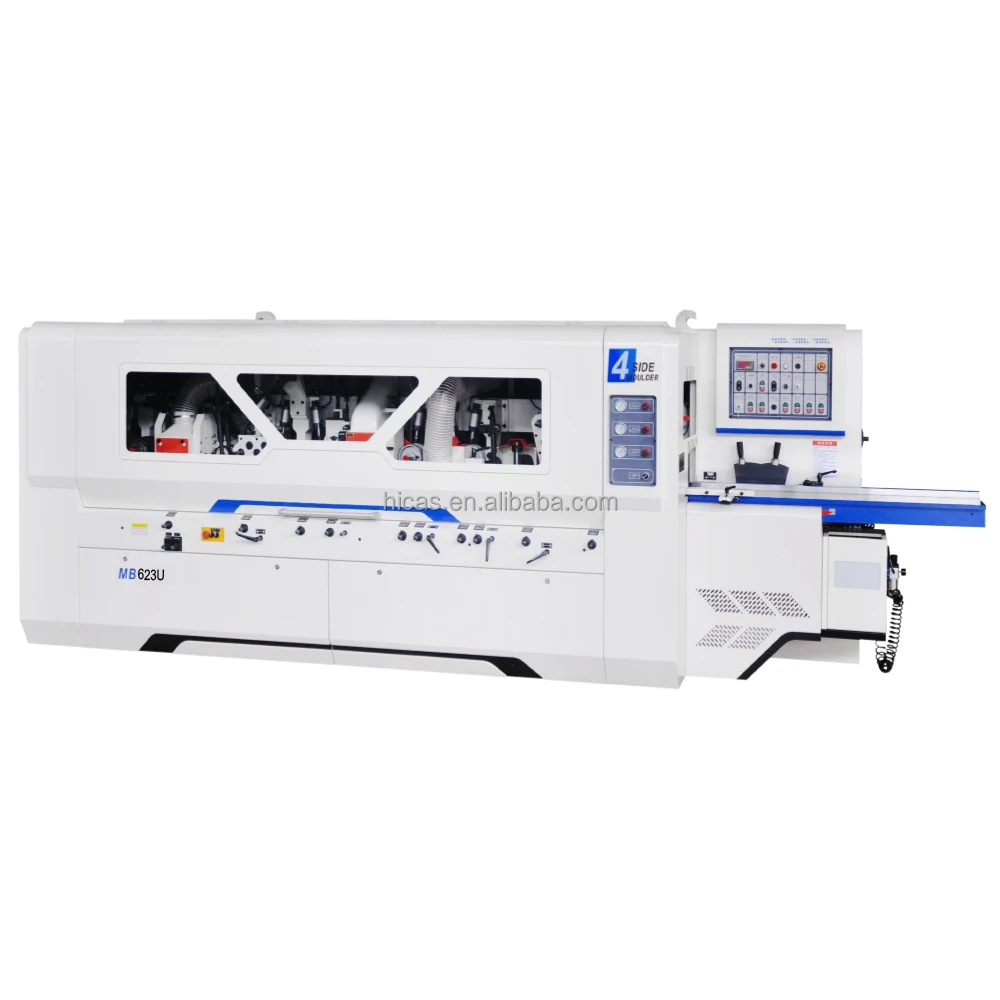
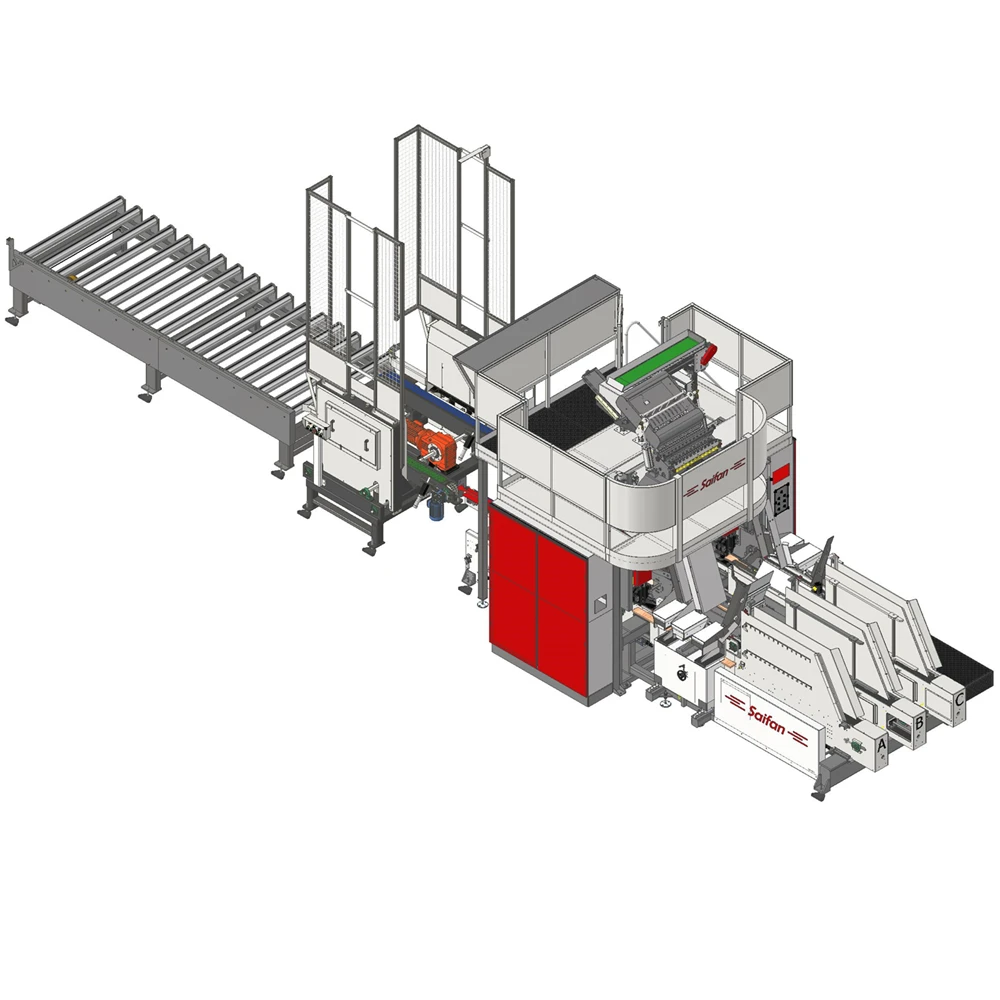
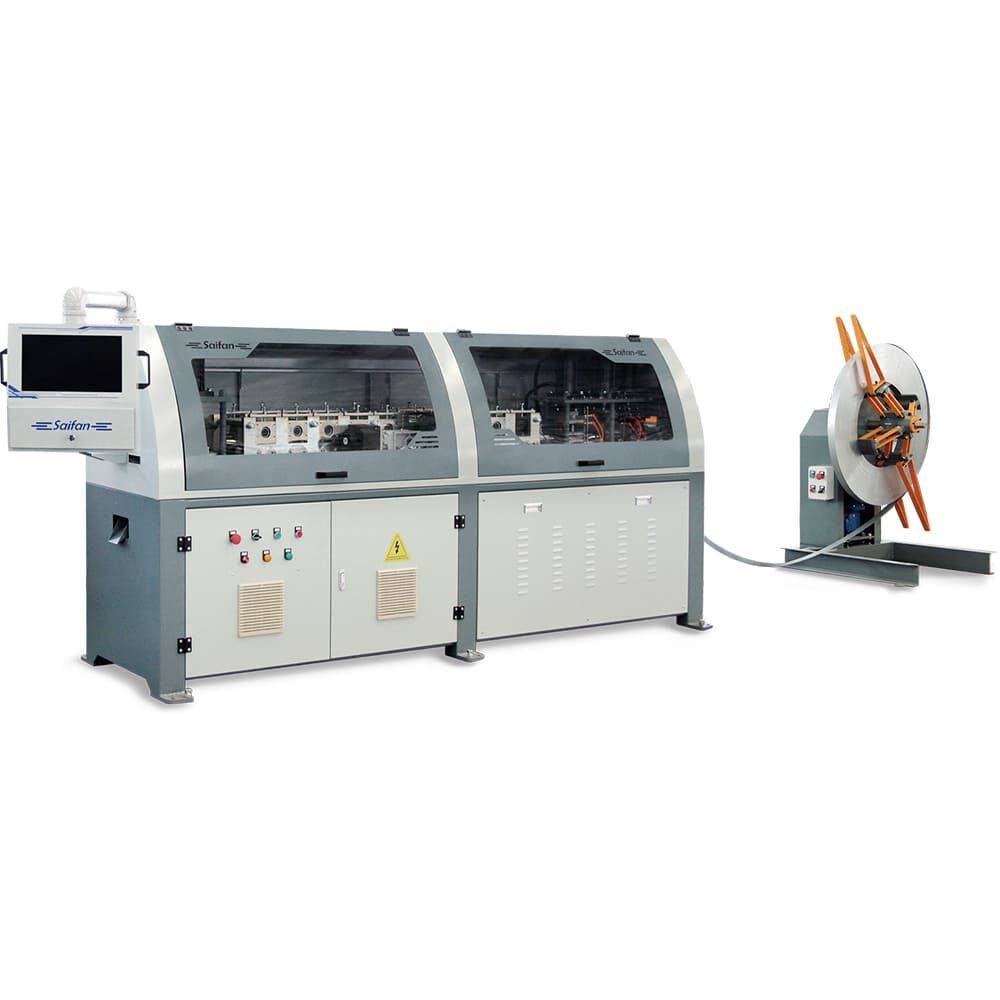
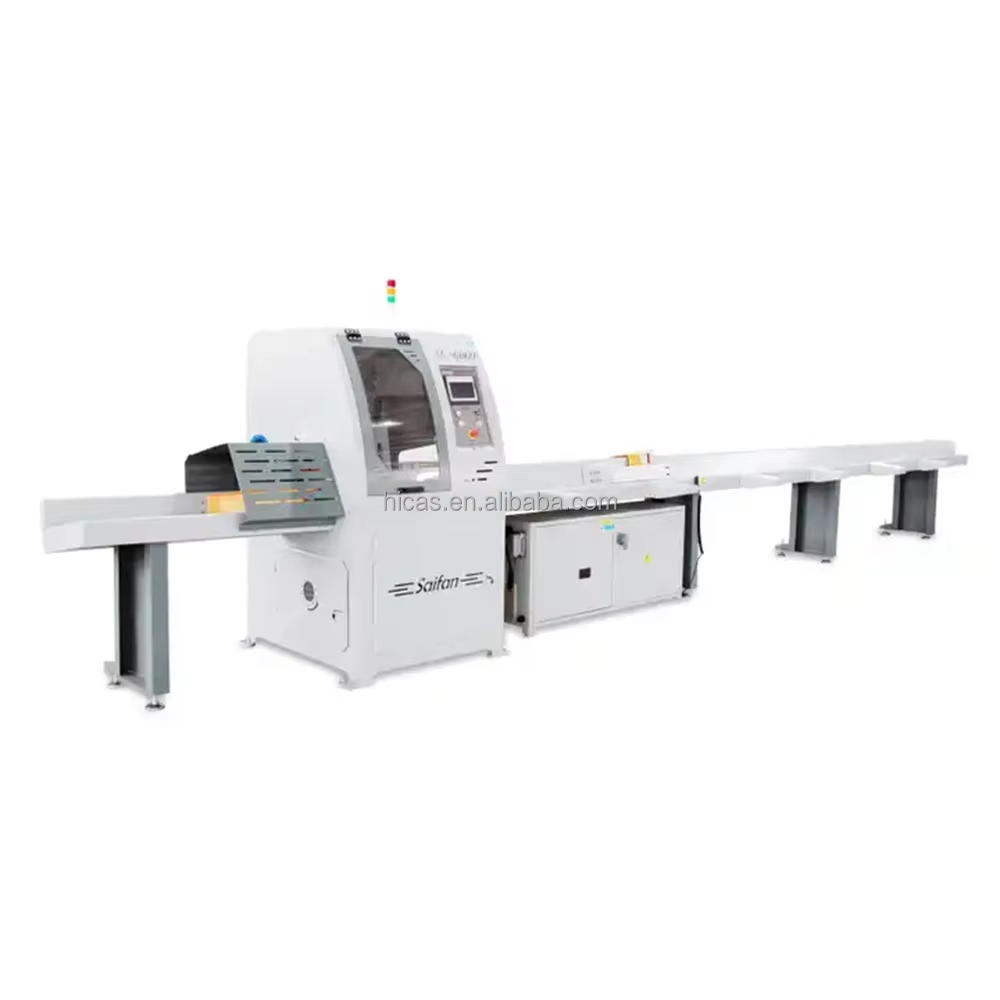
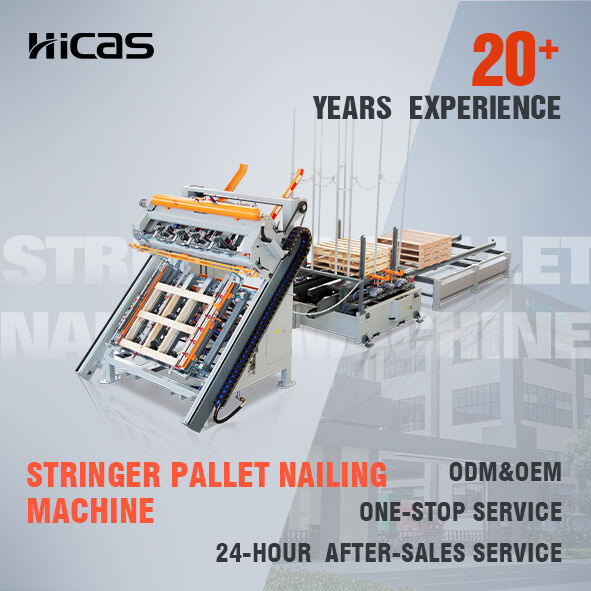
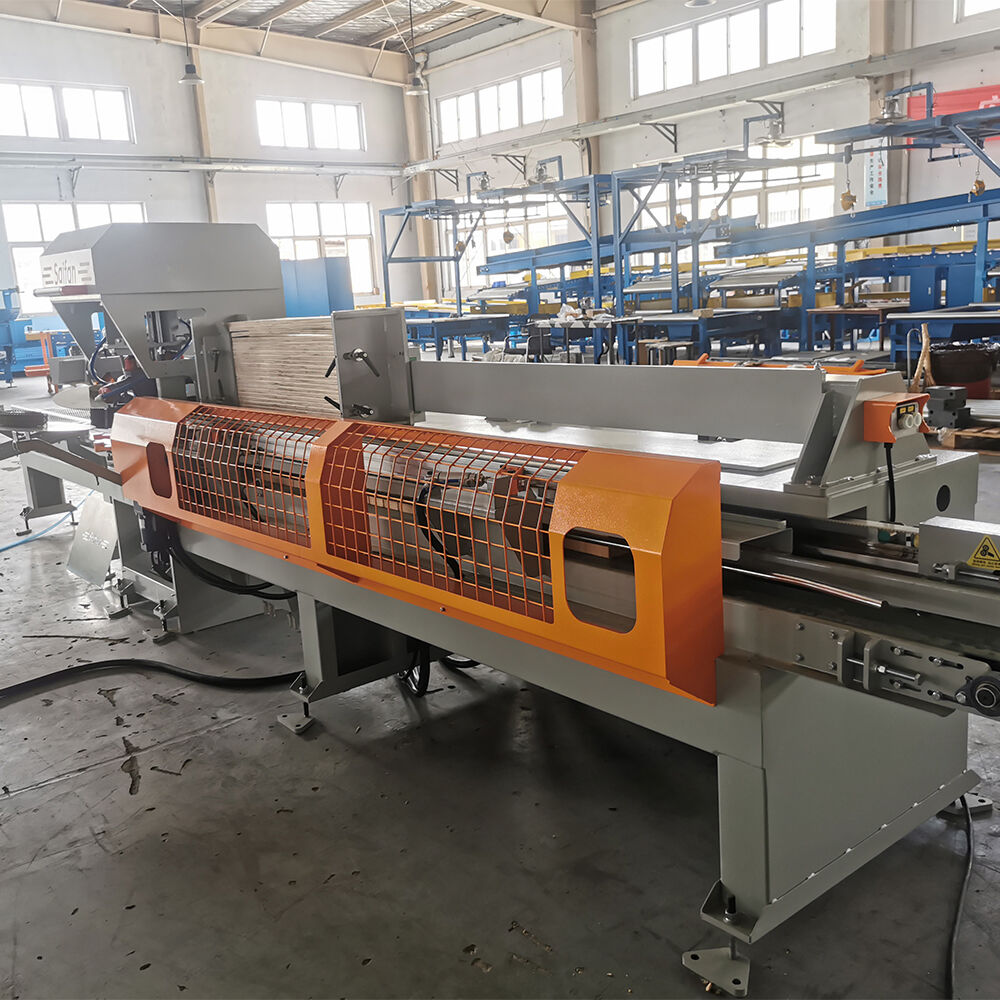
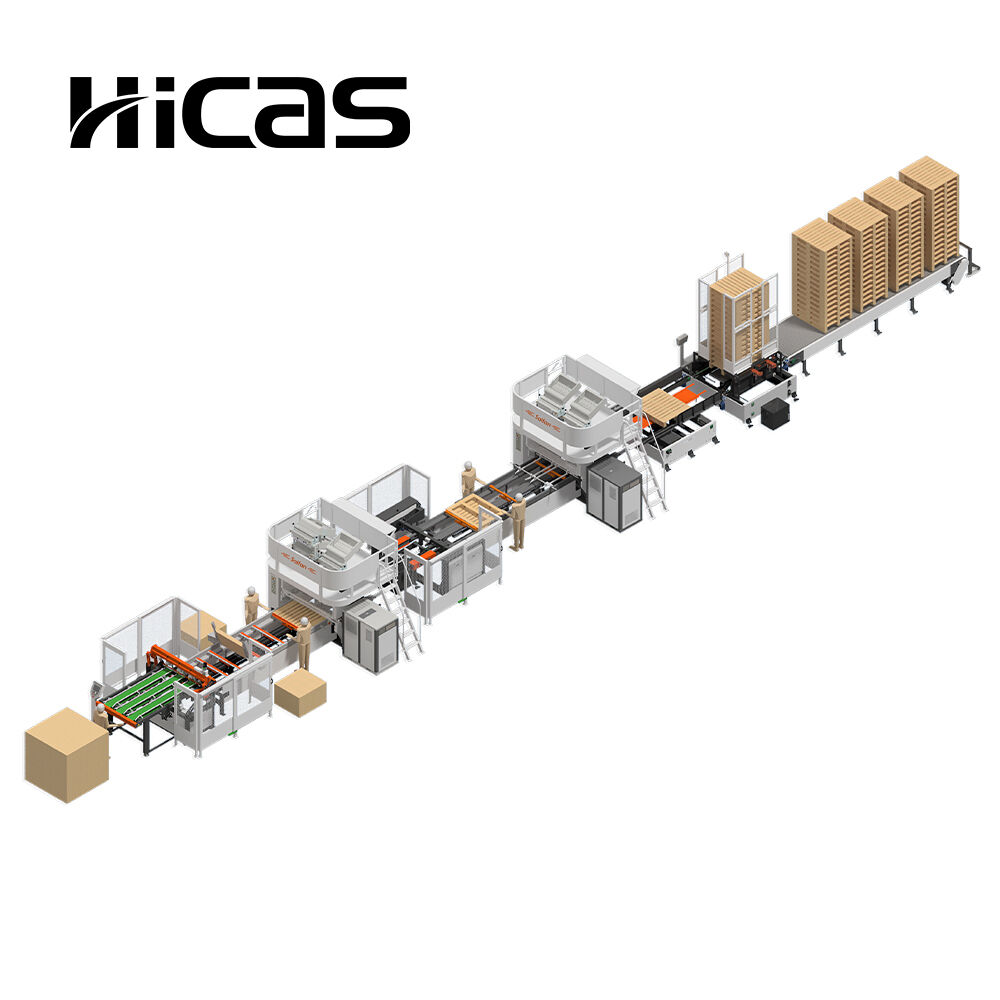
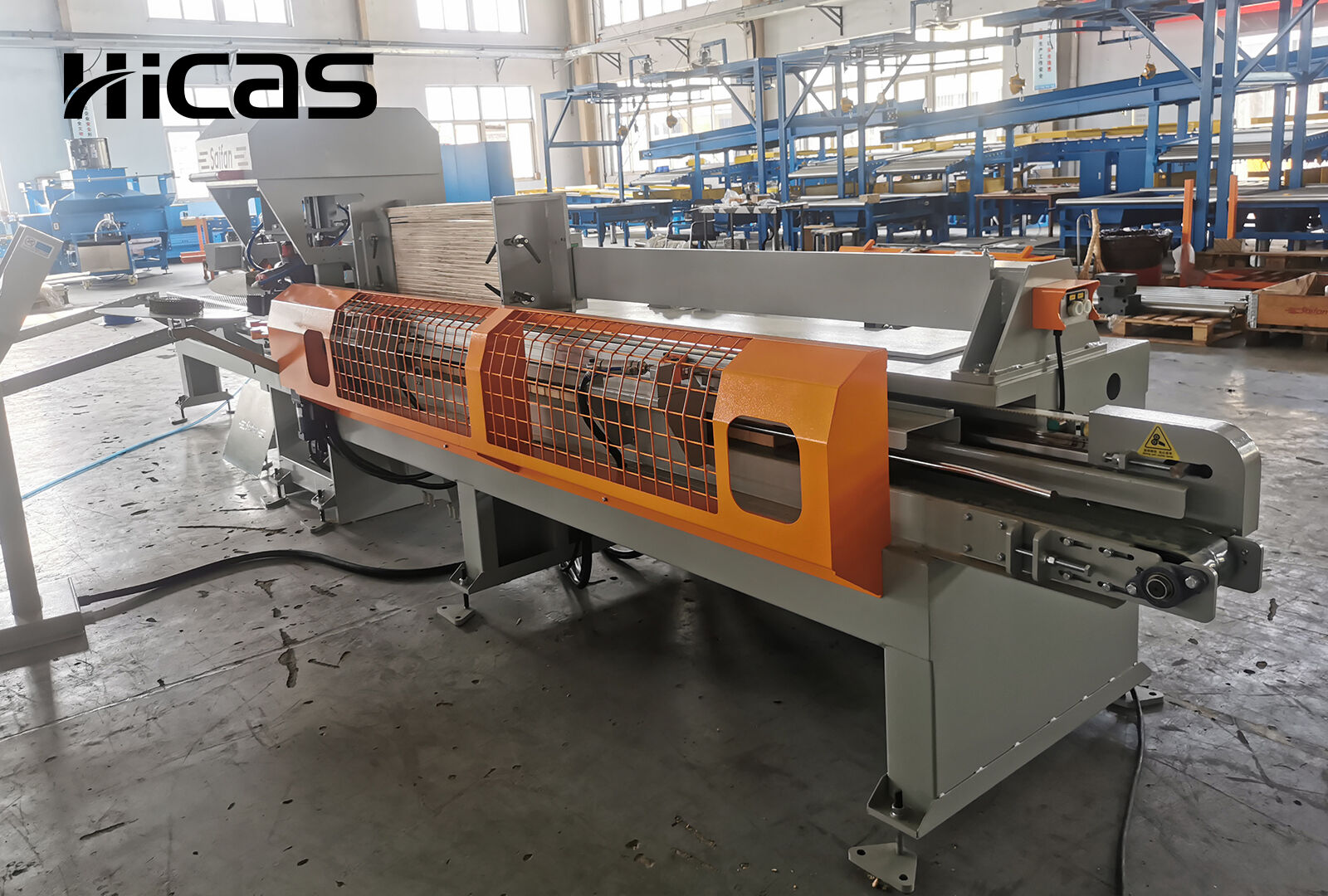
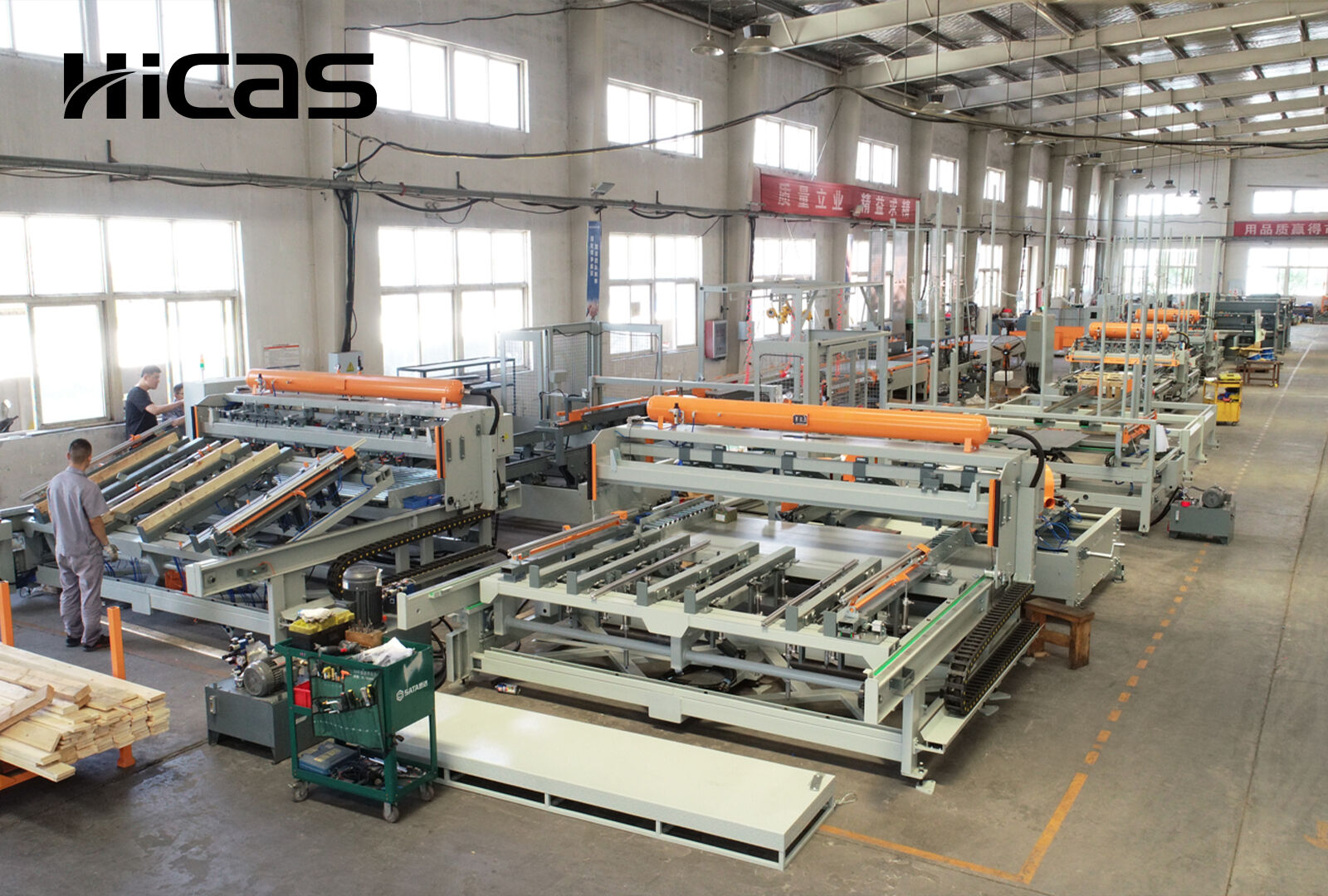
An epal pallet making machine is a specialized industrial equipment designed to manufacture standardized EPAL pallets that comply with European Pallet Association specifications. This advanced machinery automates the entire production process, from cutting timber components to assembling finished pallets with precise dimensions and quality standards. The epal pallet making machine integrates multiple functions including wood feeding systems, automated cutting units, nail driving mechanisms, and quality control sensors to ensure consistent output. Modern machines feature programmable logic controllers that allow operators to adjust production parameters according to specific EPAL requirements. The technology incorporates hydraulic pressing systems that guarantee proper component alignment and structural integrity. These machines can process various wood types including hardwood and softwood, accommodating different thickness requirements while maintaining EPAL certification standards. The equipment typically includes safety features such as emergency stop buttons, protective guards, and automated fault detection systems. Production capacity varies depending on model specifications, with high-end epal pallet making machine units capable of producing 150-300 pallets per eight-hour shift. The machinery supports both semi-automated and fully automated operations, making it suitable for manufacturers of different scales. Applications span logistics companies, warehousing facilities, manufacturing plants, and dedicated pallet production enterprises that require EPAL-certified pallets for international shipping and material handling operations.

New Product Releases

Investing in an epal pallet making machine delivers substantial cost savings by reducing labor expenses and minimizing material waste through precise cutting and assembly processes. The equipment pays for itself quickly as automated production significantly lowers per-unit manufacturing costs compared to manual pallet construction methods. Operational efficiency improves dramatically because the machine maintains consistent production speeds without fatigue or quality degradation throughout extended shifts. Your business gains competitive advantages by producing EPAL-certified pallets that meet strict European standards, opening access to international markets that require certified pallets for cross-border shipping. The machinery ensures uniform quality across every pallet produced, eliminating variations common in manual production and reducing rejection rates from quality inspections. Production flexibility allows you to adjust output volumes based on demand fluctuations without hiring or training additional workers. Maintenance requirements remain minimal due to robust construction and durable components designed for industrial environments. The epal pallet making machine operates with user-friendly controls that require minimal training, enabling your existing staff to manage production effectively. Energy efficiency features reduce operating costs while supporting environmental sustainability goals. Quick changeover capabilities let you switch between different EPAL specifications without lengthy downtime or complicated adjustments. Safety improvements protect workers by automating dangerous tasks like nail driving and heavy lifting. The consistent quality output strengthens your reputation with customers who depend on reliable pallet performance. Long-term reliability ensures continuous production capacity that supports business growth and contract fulfillment commitments without unexpected equipment failures disrupting operations.

Latest News

Automation Trends in Industrial Wood Packaging Equipment

26

Feb

Automation Trends in Industrial Wood Packaging Equipment

Robotic Palletizing and Assembly for Modern Wood Packaging Equipment Vision-Guided Robotic Systems for Precision Wooden Pallet Loading Wood packaging equipment now benefits from vision guided robotics that position materials with incredible precis...
View More
SF6060 Safety, Operation, Maintenance & Common Faults and Troubleshooting

13

May

SF6060 Safety, Operation, Maintenance & Common Faults and Troubleshooting

SF6060: Safety, Operation, Maintenance & Common Troubleshooting Guide Whether you’re a new operator or a seasoned maintenance technician, understanding the safety protocols, operational steps, and troubleshooting tips for the SF6060 is critic...
View More
SF9025 Stringer Pallet Nailing Machine Basic Operation Instructions

02

Jun

SF9025 Stringer Pallet Nailing Machine Basic Operation Instructions

SF9025 Basic Operation Instructions ①. Power and Air Supply Connection 1. Connect the Air Supply Connect the compressed air source. (Ensure the air is dry and the air supply is sufficient.) Adjust the pressure regulator to meet the required nail...
View More
The basic operation of the SF9020 slab connection machine equipment

04

Jun

The basic operation of the SF9020 slab connection machine equipment

I. Operating Precautions This is a high-performance and advanced equipment. Before operating it, you must carefully read the equipment manual to operate and maintain it properly in various working environments, ensuring maximum safety. Ensure that th...
View More

Get a Free Quote

Our representative will contact you soon.
Email
Mobile
Name
Company Name
Message
0/1000

epal pallet making machine

Advanced Automated Assembly System

Advanced Automated Assembly System

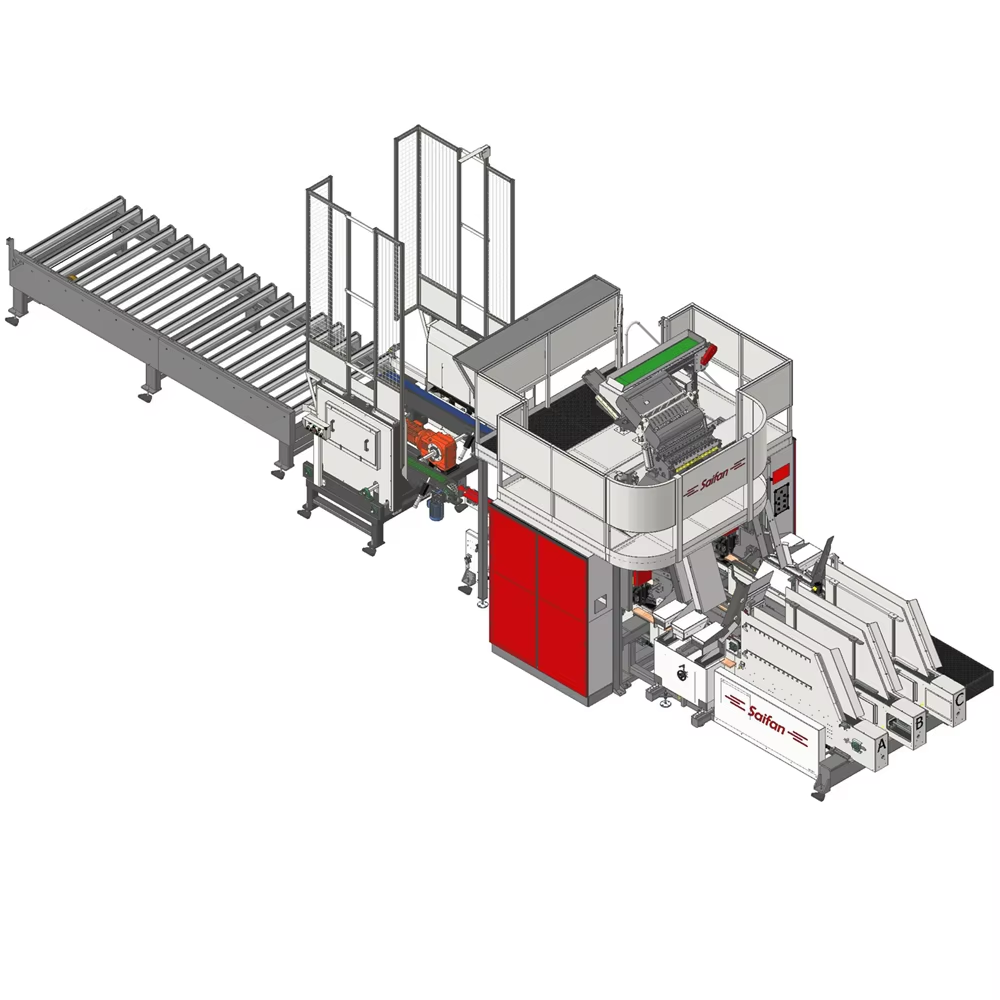
The epal pallet making machine incorporates a sophisticated automated assembly system that revolutionizes pallet production efficiency and accuracy. This comprehensive system synchronizes multiple operations simultaneously, coordinating wood feeding, positioning, nailing, and quality verification in one continuous workflow. Precision sensors detect component placement with millimeter accuracy, ensuring every deck board, stringer, and block aligns perfectly according to EPAL specifications before permanent fastening occurs. The automated nail driving mechanism delivers consistent penetration depth and placement, creating structural connections that meet load-bearing requirements for heavy-duty applications. Hydraulic pressing units apply calibrated pressure during assembly, guaranteeing tight joints and eliminating gaps that could compromise pallet integrity. The system memory stores multiple EPAL configurations, allowing rapid switching between different pallet types without manual recalibration. This automation eliminates human error factors that typically cause dimensional variations and structural weaknesses in manually assembled pallets. Operators monitor the entire process through intuitive touchscreen interfaces displaying real-time production metrics and immediately alerting to any deviations from quality parameters, enabling quick corrections before defects accumulate.
High-Efficiency Production Capacity

High-Efficiency Production Capacity

Production capacity stands as a defining advantage of the epal pallet making machine, delivering output volumes that transform business economics and market competitiveness. Modern machines achieve remarkable production rates between 150 to 300 completed EPAL pallets during standard eight-hour shifts, depending on configuration and model specifications. This high-volume capability results from optimized cycle times that minimize intervals between pallet completions while maintaining exacting quality standards. The continuous operation design eliminates traditional bottlenecks associated with manual production methods, where worker fatigue and coordination delays slow output significantly. Energy-efficient motors and hydraulic systems sustain peak performance throughout extended production runs without overheating or power consumption spikes that increase operating costs. Quick material loading systems reduce downtime between production batches, maximizing productive hours and improving return on investment. The machinery handles various wood dimensions and grades without extensive adjustments, accommodating supply chain variations that might otherwise interrupt manufacturing schedules. Businesses scaling operations benefit from predictable production capacity that supports accurate delivery commitments and contract negotiations. This reliable output capability enables manufacturers to accept larger orders confidently and compete effectively for high-volume contracts that smaller competitors cannot fulfill consistently.
Quality Consistency and EPAL Certification Compliance

Quality Consistency and EPAL Certification Compliance

Quality consistency represents perhaps the most critical value proposition of the epal pallet making machine, directly impacting customer satisfaction and regulatory compliance. The equipment maintains unwavering adherence to EPAL dimensional tolerances, structural requirements, and material specifications across every unit produced, ensuring certification compliance without batch-to-batch variations. Integrated measurement systems continuously verify critical dimensions including length, width, height, and component spacing throughout assembly, automatically rejecting any pallets that fall outside acceptable tolerance ranges. This precision manufacturing guarantees that finished pallets meet international shipping standards and perform reliably under specified load conditions. Consistent nail placement and penetration depth prevent structural failures that occur when fasteners miss target areas or achieve insufficient holding strength. The controlled assembly environment eliminates environmental variables like temperature and humidity fluctuations that affect manual production quality. Automated processes ensure identical construction methods for each pallet, creating uniformity that customers depend on for automated handling systems and standardized storage configurations. Documentation capabilities track production parameters for every batch, providing traceability that satisfies quality audits and certification renewals. This quality assurance reduces customer complaints, minimizes warranty claims, and strengthens brand reputation in competitive markets where reliability differentiates premium suppliers from budget alternatives.