36 Inch Wide Belt Sander - Industrial Sanding

L
O
A
D
I
N
G

Get a Free Quote

Our representative will contact you soon.
Email
Mobile
Name
Company Name
Message
0/1000

36 inch wide belt sander

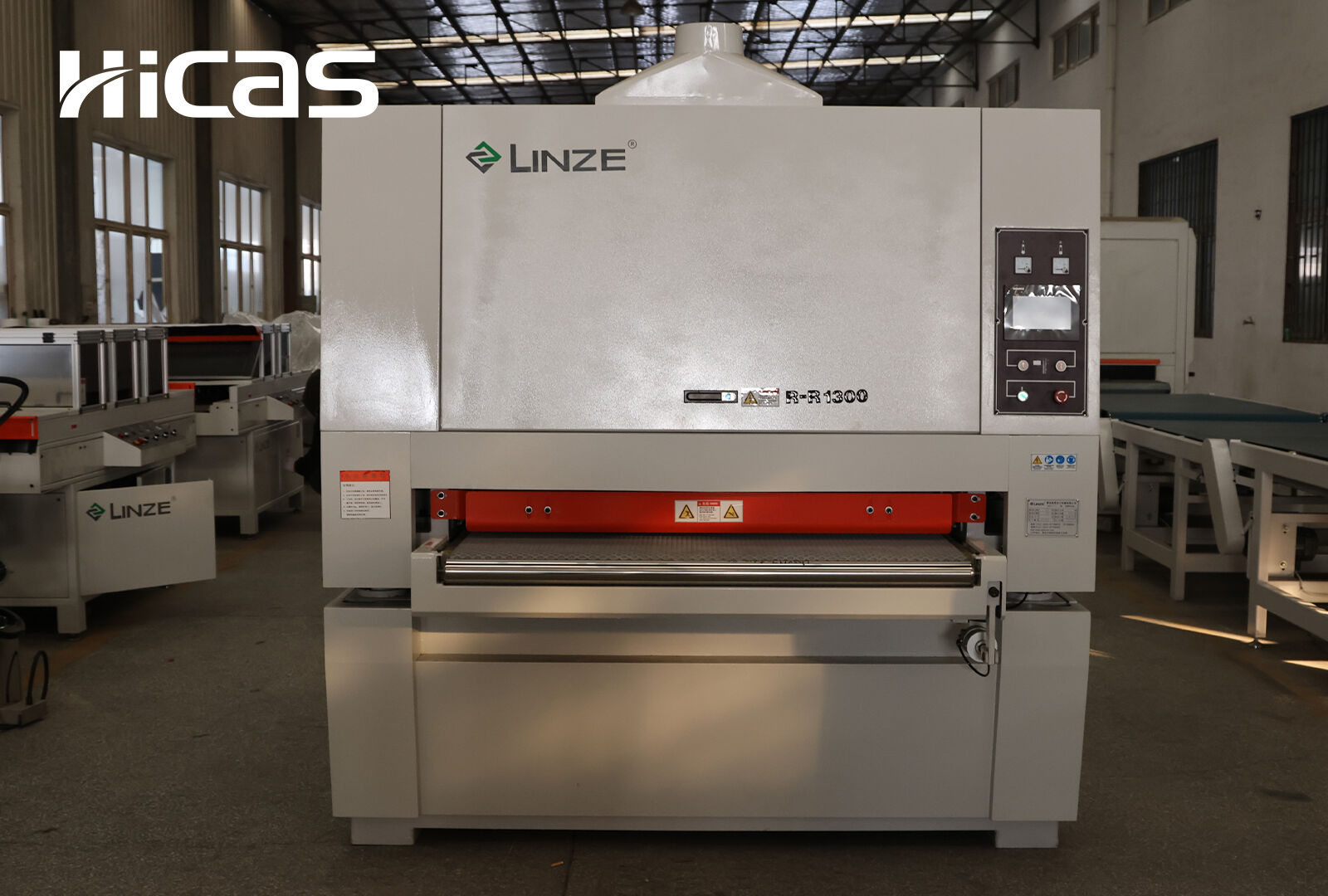
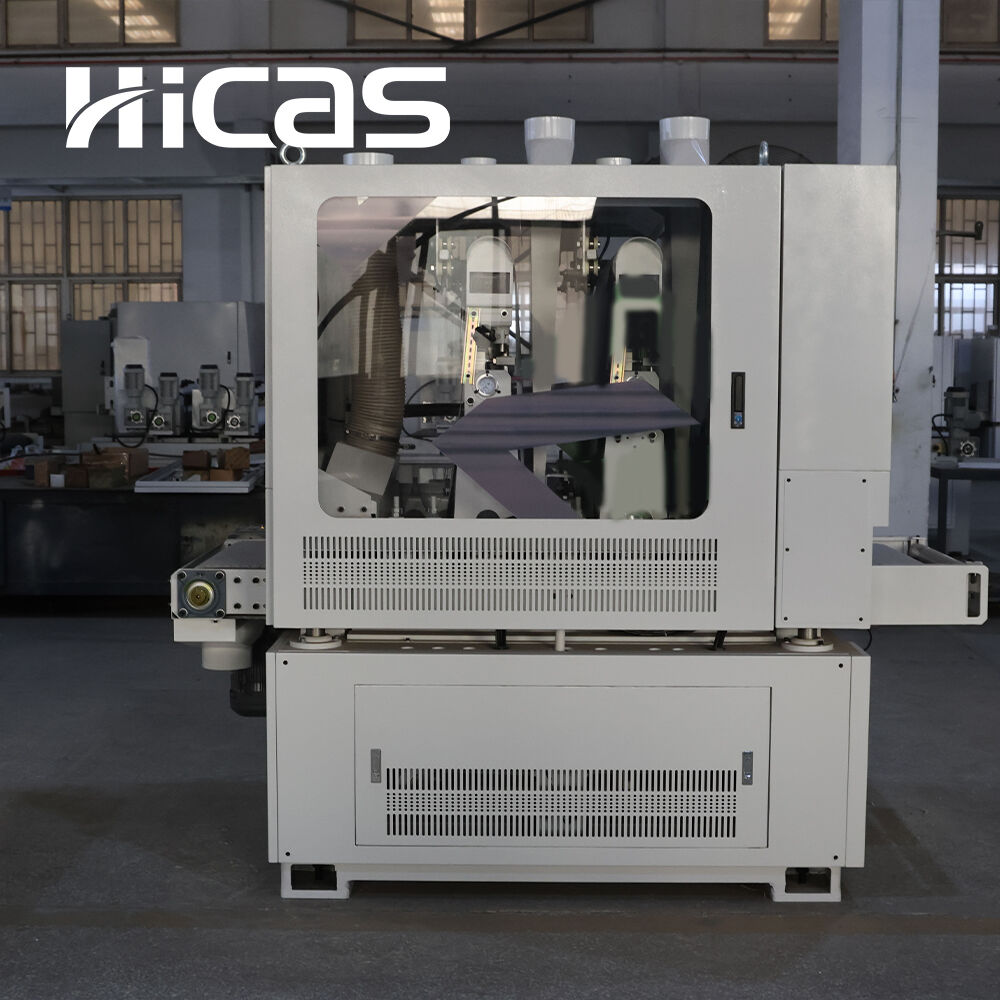
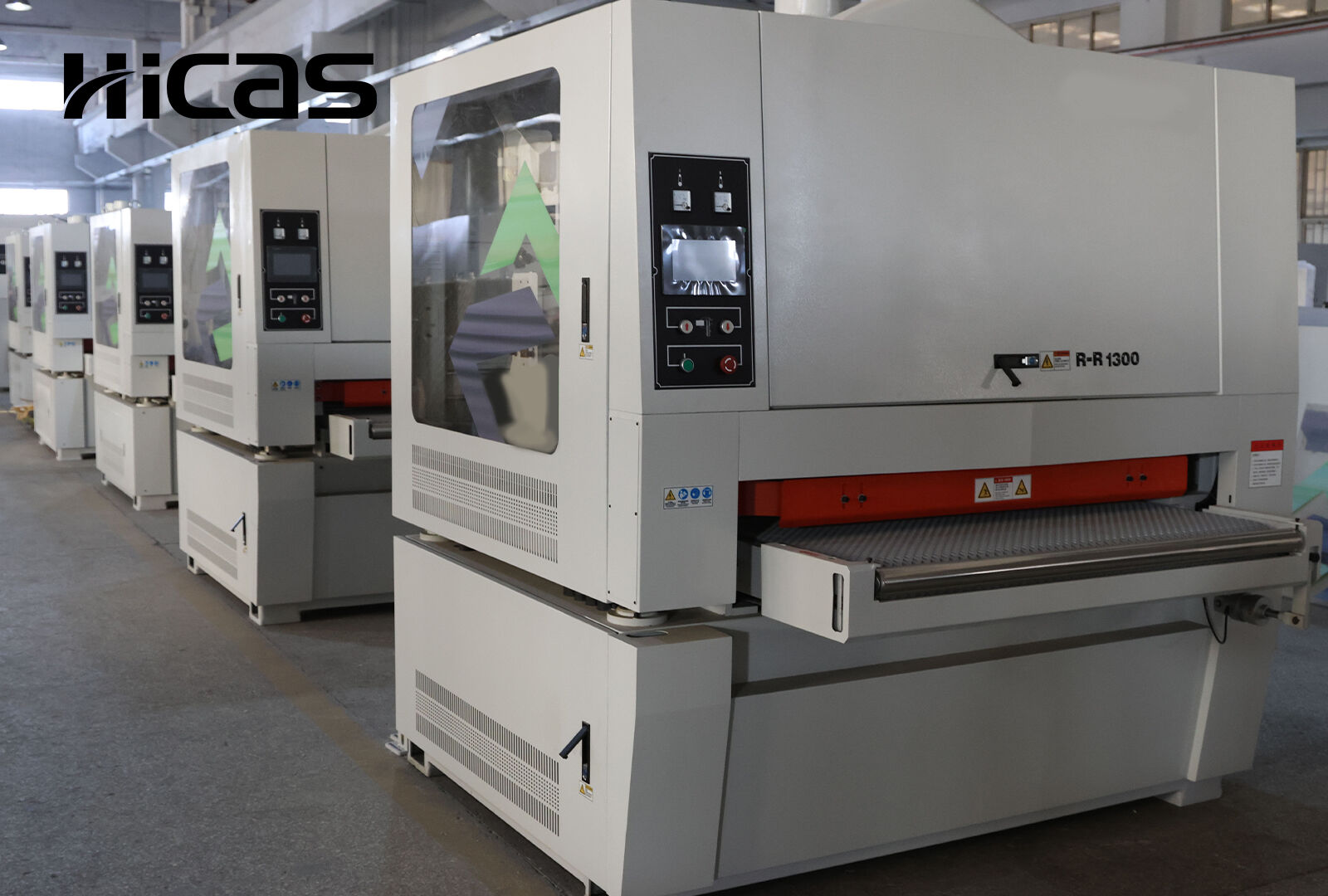
The 36 inch wide belt sander is a powerful industrial sanding machine designed to handle large-scale surface finishing operations with exceptional efficiency. This robust equipment features a continuous abrasive belt that measures 36 inches in width, making it ideal for processing wide panels, boards, and components in a single pass. The machine operates by moving an abrasive belt over a flat platen or contact drum, allowing operators to achieve consistent material removal and superior surface quality across expansive work surfaces. Equipped with variable speed controls, the 36 inch wide belt sander enables users to adjust belt speeds according to material type and desired finish requirements. The technological features include precision tracking systems that maintain proper belt alignment, heavy-duty construction for stability during operation, and adjustable pressure settings to control sanding intensity. Modern units incorporate dust collection systems that capture debris at the source, maintaining clean working environments and protecting operator health. This equipment finds extensive applications in woodworking shops, furniture manufacturing facilities, cabinet production plants, and industrial fabrication centers. The 36 inch wide belt sander excels at dimensioning lumber, smoothing veneered panels, removing mill marks, preparing surfaces for finishing, and achieving uniform thickness across large workpieces. Its capacity to handle materials ranging from softwoods to hardwoods, composite panels, and even certain non-ferrous metals makes it an indispensable tool for operations requiring consistent, high-quality surface preparation across wide materials.

New Products

Investing in a 36 inch wide belt sander delivers significant operational advantages that directly impact your production efficiency and bottom line. The primary benefit lies in dramatically reduced processing time, as the wide belt covers substantial surface area in each pass, eliminating the need for multiple runs that narrower sanders require. This time savings translates directly into increased throughput, allowing you to complete more projects daily while reducing labor costs per unit. The consistent pressure distribution across the full 36-inch width ensures uniform material removal, preventing the uneven surfaces and dips that often occur with handheld or smaller sanders. This consistency means less rework, fewer rejected pieces, and higher customer satisfaction with finished products. The machine's adjustable settings provide remarkable versatility, letting you switch between aggressive stock removal and fine finishing operations without changing equipment. You can confidently process different materials throughout your workday, from pine to oak to plywood, simply by adjusting speed and pressure controls. The built-in dust collection capability creates a healthier workplace by removing harmful particulates before they become airborne, reducing respiratory risks for your team and keeping machinery running cleaner for longer periods. Maintenance requirements remain manageable, with straightforward belt changes and accessible components that minimize downtime. The durability of a quality 36 inch wide belt sander means years of reliable service, making it a sound capital investment rather than a recurring expense. For shops handling doors, tabletops, wide shelving, or panel goods, this equipment becomes indispensable, enabling you to accept larger projects that competitors with smaller equipment cannot efficiently manage. The professional results achieved consistently enhance your reputation and justify premium pricing for your finished products.

Tips And Tricks

Automation Trends in Industrial Wood Packaging Equipment

26

Feb

Automation Trends in Industrial Wood Packaging Equipment

Robotic Palletizing and Assembly for Modern Wood Packaging Equipment Vision-Guided Robotic Systems for Precision Wooden Pallet Loading Wood packaging equipment now benefits from vision guided robotics that position materials with incredible precis...
View More
SF6060 Safety, Operation, Maintenance & Common Faults and Troubleshooting

13

May

SF6060 Safety, Operation, Maintenance & Common Faults and Troubleshooting

SF6060: Safety, Operation, Maintenance & Common Troubleshooting Guide Whether you’re a new operator or a seasoned maintenance technician, understanding the safety protocols, operational steps, and troubleshooting tips for the SF6060 is critic...
View More
The basic operation of the SF9020 slab connection machine equipment

04

Jun

The basic operation of the SF9020 slab connection machine equipment

I. Operating Precautions This is a high-performance and advanced equipment. Before operating it, you must carefully read the equipment manual to operate and maintain it properly in various working environments, ensuring maximum safety. Ensure that th...
View More
SF 7013S Automatic Double-Head Slotting Machine - Basic Operation and Equipment Maintenance and Lubrication

18

Jun

SF 7013S Automatic Double-Head Slotting Machine - Basic Operation and Equipment Maintenance and Lubrication

I. Operating Precautions 1. Ensure that the equipment is connected to the ground wire. 2. Personal belongings can cause serious injuries. Before starting the machine, place watches, bracelets, etc. properly, fasten the cuffs, tie up long hair, r...
View More

Get a Free Quote

Our representative will contact you soon.
Email
Mobile
Name
Company Name
Message
0/1000

36 inch wide belt sander

Superior Width Capacity for Maximum Productivity

Superior Width Capacity for Maximum Productivity

The defining feature of the 36 inch wide belt sander is its exceptional width capacity that fundamentally changes how you approach large surface finishing tasks. Unlike standard sanders limited to 24 or 18-inch widths, this machine accommodates full-width panels, cabinet doors, and tabletops without requiring multiple passes or repositioning. This capability eliminates the visible seam lines and slight height variations that often occur when overlapping passes are necessary with narrower equipment. For production environments, this means each workpiece moves through the sanding process faster, reducing bottlenecks and increasing daily output volume. The wide format also reduces operator fatigue since workers spend less time manipulating heavy panels and can maintain better control throughout the sanding process. When processing materials like plywood sheets, solid wood glue-ups, or wide dimension lumber, the time savings become exponential. A single pass replaces what would require two or three passes on narrower machines, cutting your sanding time by half or more. This efficiency gain allows smaller shops to compete with larger operations while giving established facilities the capacity to take on additional work without proportional increases in labor costs or equipment footprint.
Precision Engineering for Consistent Surface Quality

Precision Engineering for Consistent Surface Quality

The 36 inch wide belt sander incorporates advanced engineering features that guarantee consistent results across every square inch of your workpiece surface. Precision-machined platens provide perfectly flat reference surfaces that prevent waviness or dishing, ensuring uniform thickness from edge to edge. Sophisticated belt tracking systems automatically maintain proper alignment even during extended operation, preventing belt drift that would create uneven sanding patterns or damage the abrasive. The rigid frame construction absorbs vibration and resists flexing under load, maintaining dimensional accuracy that directly translates to superior finished surfaces. Adjustable pressure systems allow you to fine-tune sanding intensity based on material hardness and desired outcomes, giving you complete control over stock removal rates. Digital readouts on premium models display belt speed and pressure settings, enabling operators to replicate successful parameters for consistent results across production runs. The combination of these precision elements means you can confidently sand veneered surfaces without breakthrough, dimension solid lumber to exact specifications, and prepare surfaces that require minimal additional finishing. This reliability reduces material waste from over-sanding or mistakes, protects your investment in premium woods and materials, and ensures that every piece leaving your shop meets exacting quality standards that distinguish your work in competitive markets.
Versatile Performance Across Diverse Applications

Versatile Performance Across Diverse Applications

The adaptability of a quality 36 inch wide belt sander extends its value far beyond basic surface smoothing, making it a versatile workhorse for numerous applications across different industries. In woodworking environments, it excels at calibrating thickness on glued-up panels, removing planer marks from wide boards, and creating glass-smooth surfaces ready for staining or clear finishing. The same machine transitions effortlessly to aggressive stock removal when dimensioning rough lumber or flattening reclaimed wood with uneven surfaces. Cabinet manufacturers rely on these sanders for consistent finishing of door panels, maintaining tight tolerances essential for proper fitting and professional appearance. Beyond wood applications, the 36 inch wide belt sander proves valuable for working with composite materials, including MDF, particleboard, and engineered panels that require specialized abrasives and controlled speeds. Some industrial models accommodate non-ferrous metals like aluminum or brass, expanding usefulness into metal fabrication shops. The variable speed controls enable operators to match belt speed to material characteristics, preventing burning on resinous woods or loading on soft materials. Quick belt changes facilitate switching between grit levels, allowing progression from coarse to fine grits without workflow interruption. This versatility means your investment serves multiple purposes, eliminating the need for separate dedicated machines and maximizing your return on capital expenditure while maintaining flexibility to adapt as project requirements evolve.