48x40 Pallet Making Machine - Automated Solutions

L
O
A
D
I
N
G

Get a Free Quote

Our representative will contact you soon.
Email
Mobile
Name
Company Name
Message
0/1000

48x40 pallet making machine

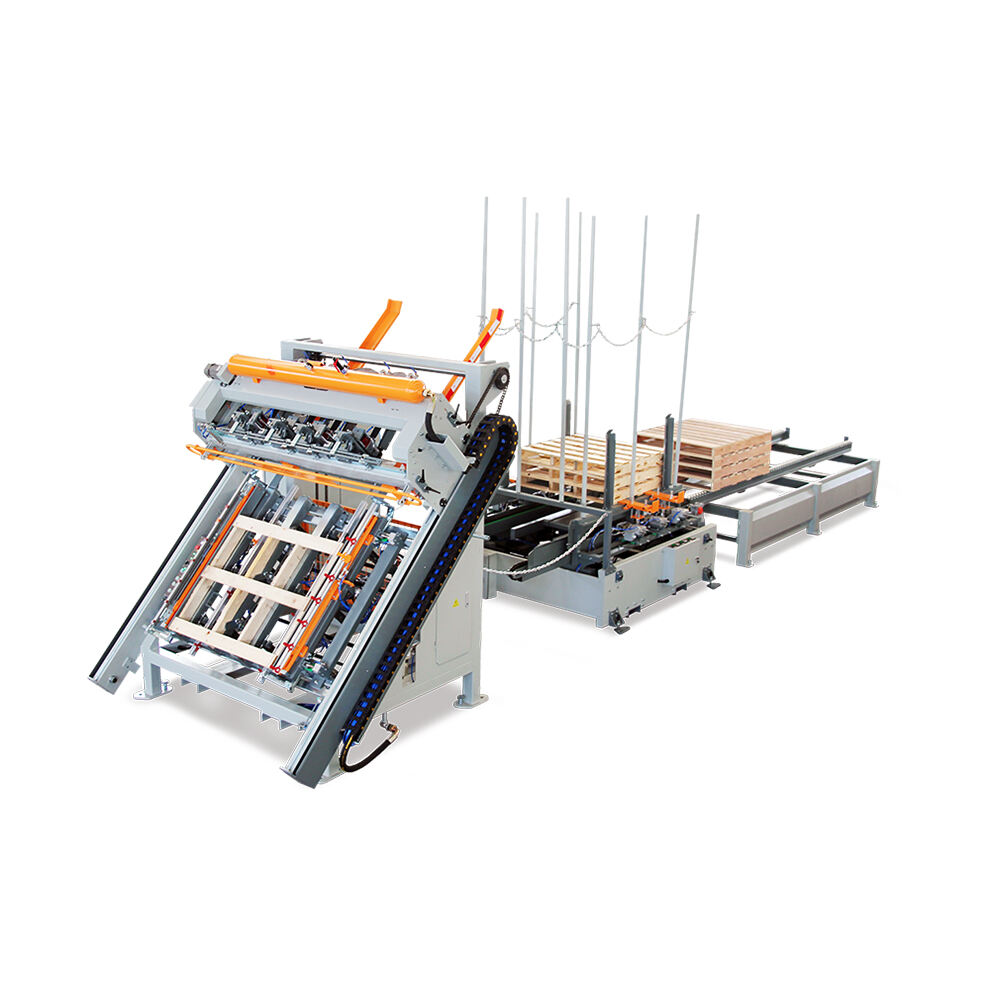
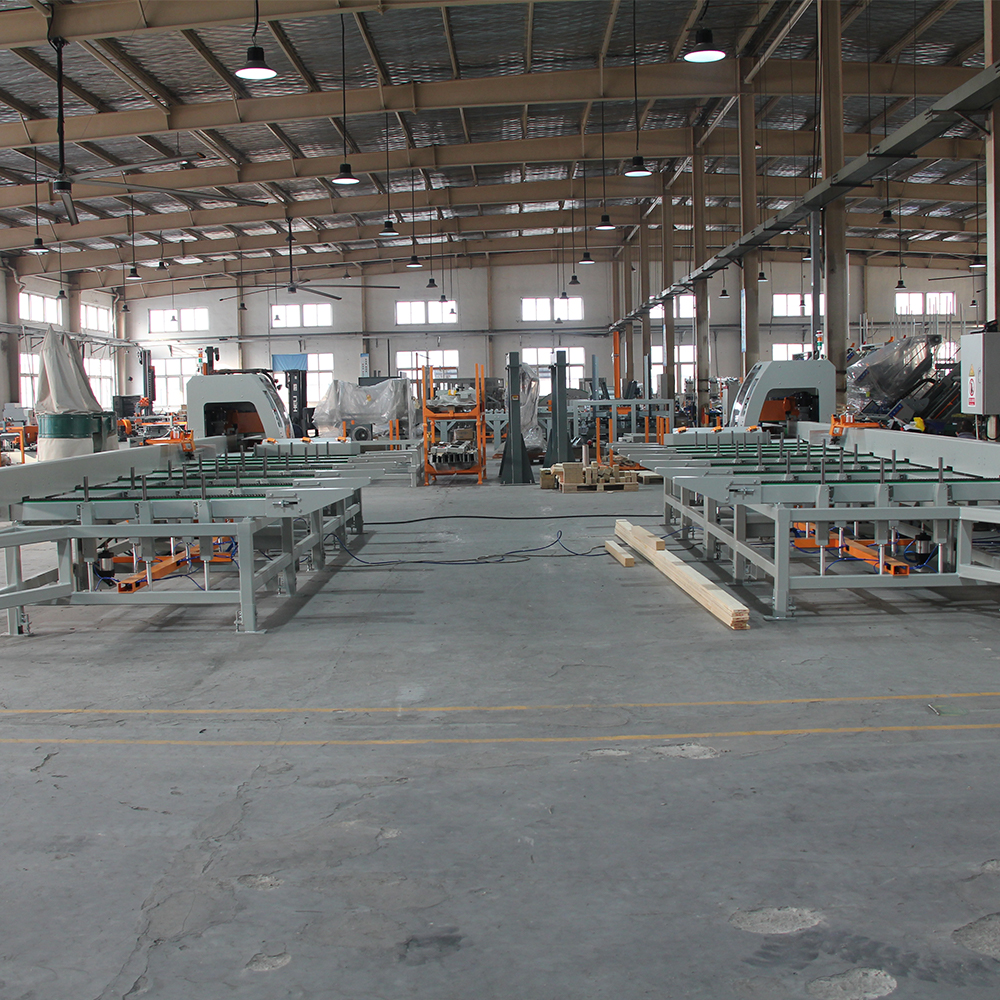
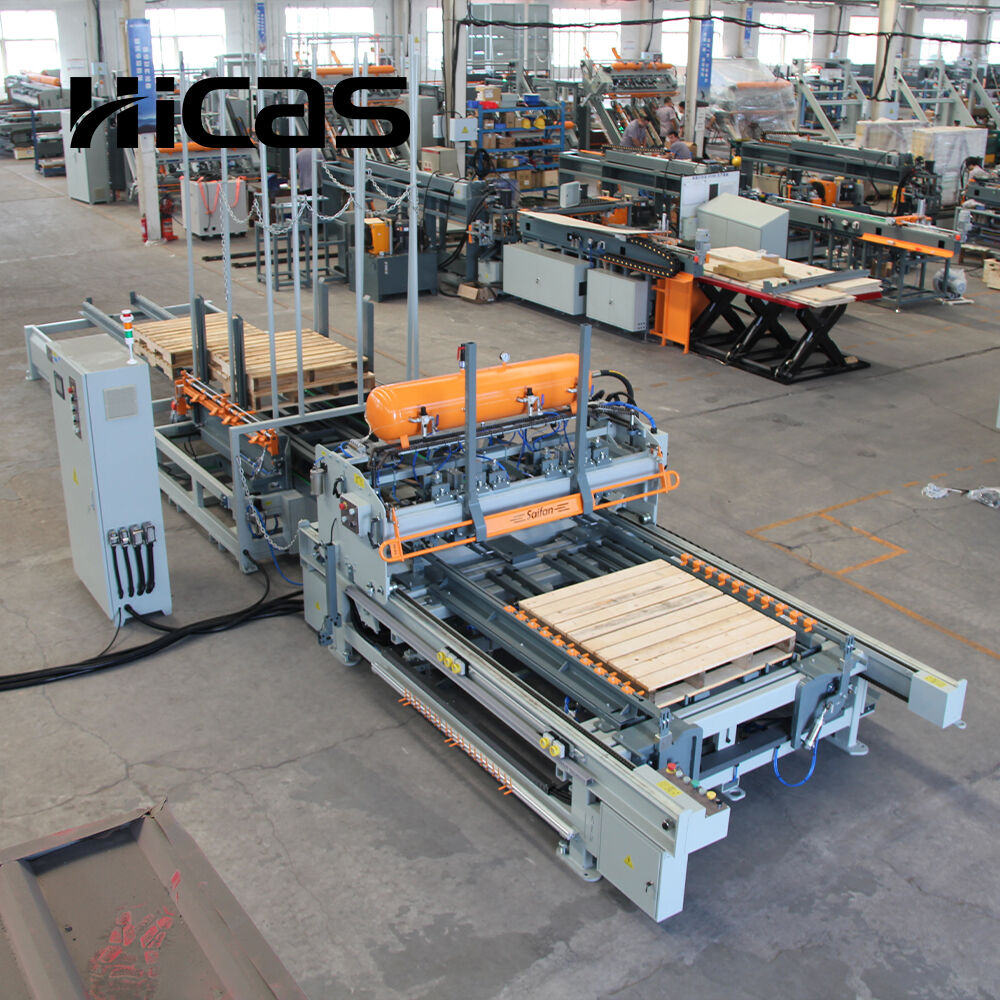
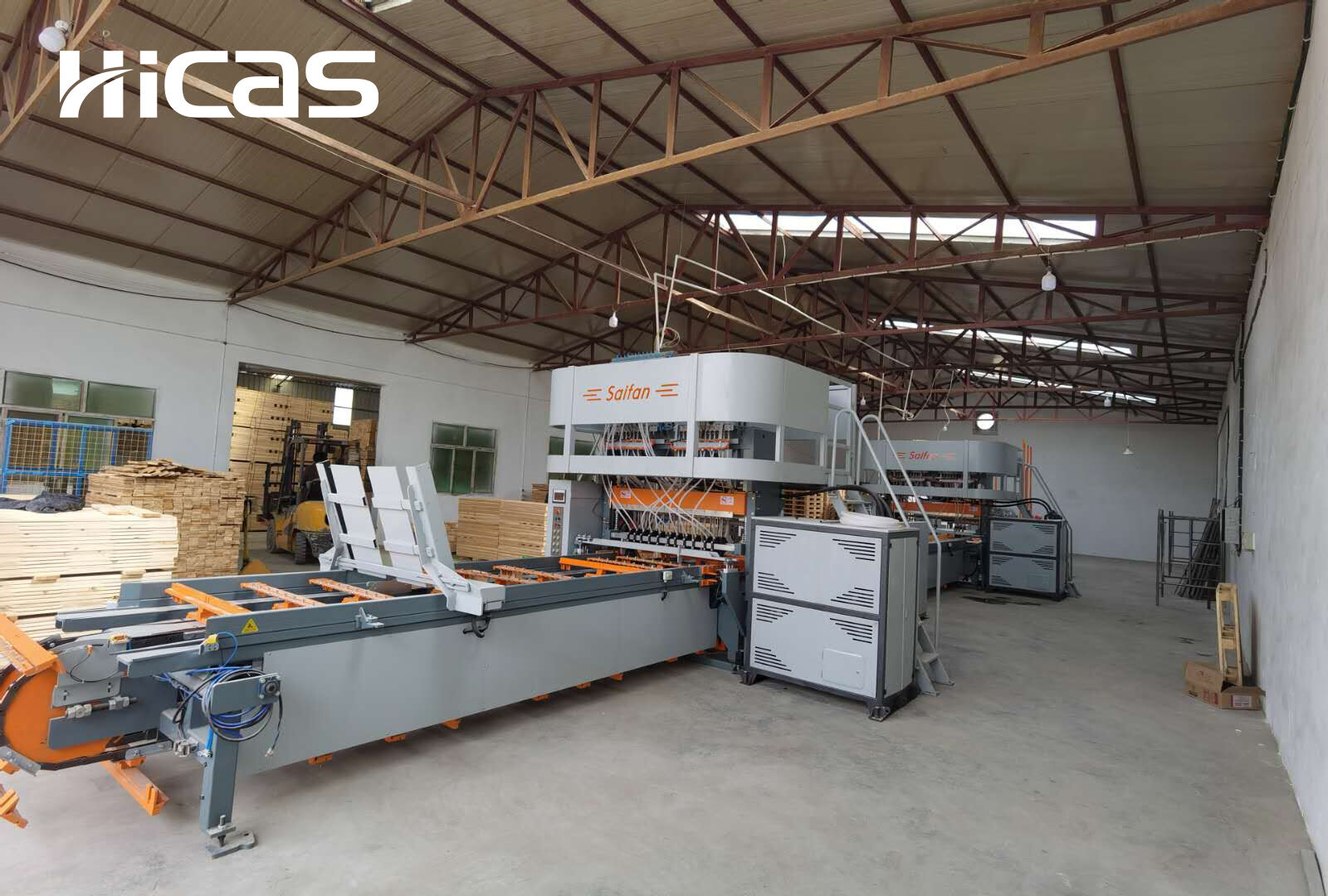
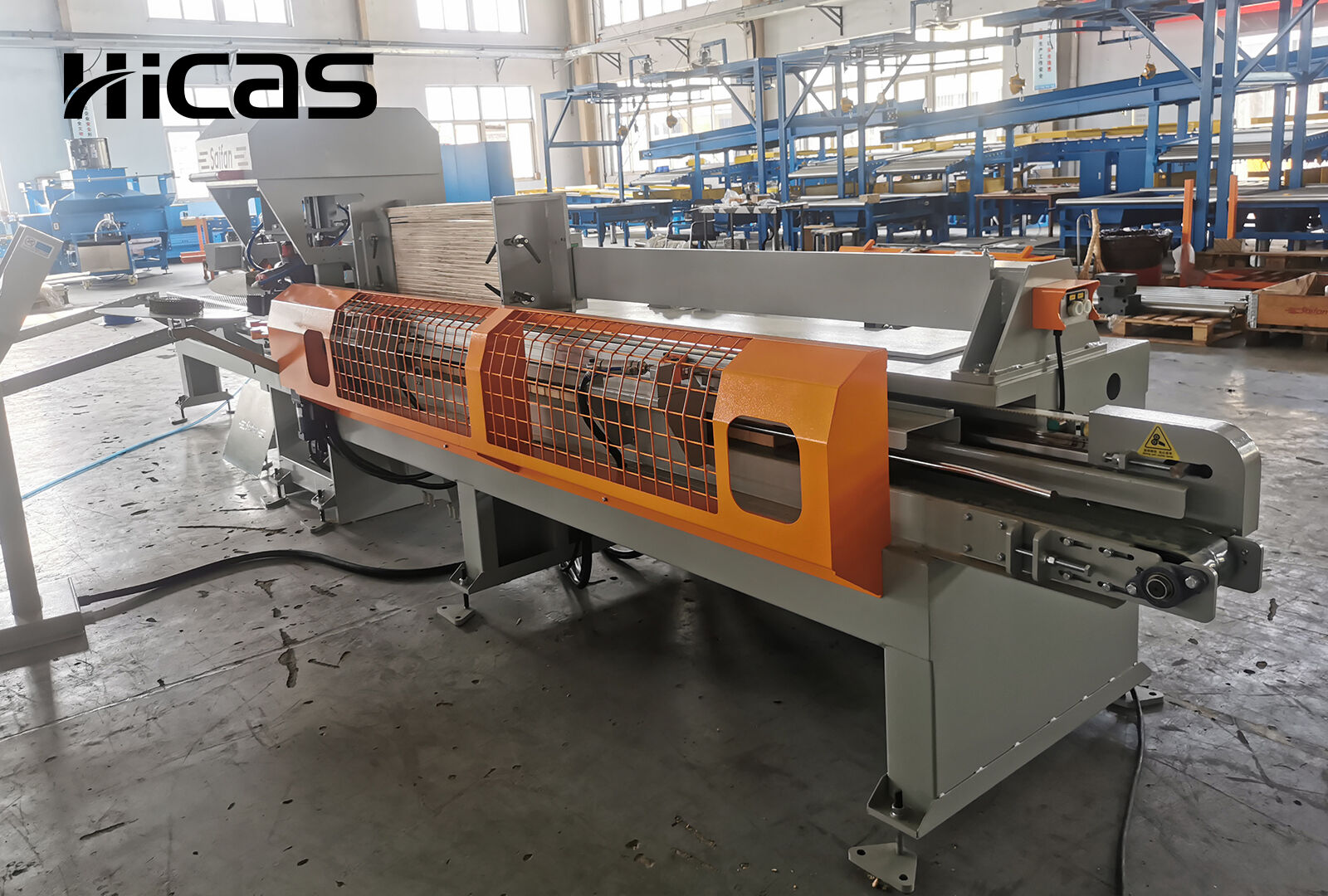
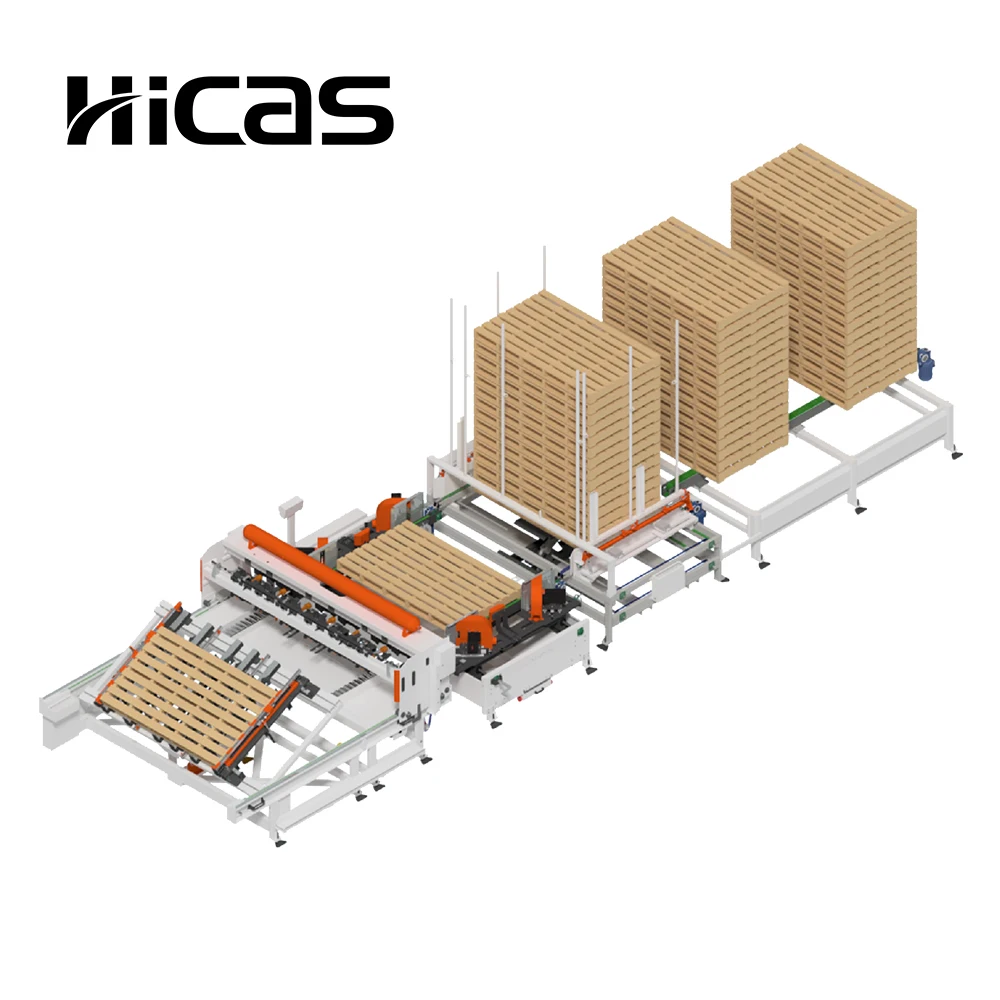
The 48x40 pallet making machine is a specialized industrial equipment designed to manufacture wooden pallets with standardized dimensions of 48 inches by 40 inches, which represents the most commonly used pallet size in North American logistics and warehousing operations. This automated machinery streamlines the entire pallet production process by integrating cutting, assembly, and fastening operations into a unified production line. The machine features advanced control systems that ensure precise dimensional accuracy and consistent quality across every unit produced. Technological features include programmable logic controllers for automated operation sequences, pneumatic or hydraulic nail guns for secure fastening, and adjustable conveyor systems that accommodate varying production speeds. Many models incorporate servo motor technology for enhanced precision and energy efficiency during the manufacturing process. The 48x40 pallet making machine typically handles various wood materials including hardwood, softwood, and recycled timber, making it versatile for different production requirements. Main functions encompass board cutting to exact specifications, automatic positioning of deck boards and stringers, simultaneous nailing operations, and finished pallet discharge systems. Applications span across pallet manufacturing facilities, lumber processing plants, and logistics companies seeking to produce their own standardized shipping platforms. The machine significantly reduces labor requirements while maximizing output consistency and production speed, making it an essential investment for businesses involved in material handling and supply chain operations.

Popular Products

Investing in a 48x40 pallet making machine delivers substantial operational benefits that directly impact your bottom line. The automated production process reduces labor costs by up to seventy percent compared to manual pallet assembly methods, allowing your workforce to focus on quality control and other value-added activities. Production speed increases dramatically, with modern machines capable of producing between 200 and 400 pallets per eight-hour shift depending on configuration and material preparation. This output level ensures you meet growing demand without compromising quality standards. The machine provides exceptional consistency in pallet dimensions, which is critical for automated warehousing systems and standardized shipping containers. Every pallet produced meets exact specifications, eliminating size variations that cause loading problems and transportation inefficiencies. Material waste decreases significantly through precise cutting algorithms that optimize wood usage and minimize offcuts. This efficiency translates to lower raw material costs and reduced disposal expenses. The 48x40 pallet making machine adapts easily to different wood types and quality grades, giving you flexibility to source materials based on availability and price fluctuations in the lumber market. Maintenance requirements remain minimal with proper operation, and most components are designed for long service life under industrial conditions. The machine suits various business scales, from medium-sized operations producing pallets for internal use to large manufacturing facilities supplying the commercial market. Safety features protect operators from moving parts and fastening equipment, creating a secure working environment that reduces workplace accidents. The return on investment typically occurs within eighteen to thirty months through labor savings and increased production capacity, making this equipment a financially sound decision for businesses committed to efficient pallet production.

Tips And Tricks

Choosing Between Entry-Level and High-Speed Wooden Pallet Making Machines

26

Feb

Choosing Between Entry-Level and High-Speed Wooden Pallet Making Machines

Production Volume Requirements: Matching Output to Wooden Pallet Making Machine Capability Cycle Time, Pallets per Shift, and Scalability Thresholds The amount of pallets being produced on a regular basis really makes all the difference when decid...
View More
How Automated Wood Pallet Production Lines Transform Modern Manufacturing

27

Mar

How Automated Wood Pallet Production Lines Transform Modern Manufacturing

The Strategic Shift: Why Manufacturers Are Adopting Automated Wood Pallet Production Lines Labor Shortages, Safety Risks, and Rising Compliance Demands in Traditional Pallet Shops Traditional pallet manufacturing faces compounding pressures: Criti...
View More
Why Integrated Coating Sanding and Painting Lines Are Critical for Modern Wood Factories

27

Mar

Why Integrated Coating Sanding and Painting Lines Are Critical for Modern Wood Factories

Boosting Throughput and Consistency with Fully Integrated Wood Coating Machines Bottleneck Elimination: How Fragmented Finishing Slows High-Mix Wood Production In wood manufacturing shops that handle lots of different products, broken up finishing...
View More
SF 7013S Automatic Double-Head Slotting Machine - Basic Operation and Equipment Maintenance and Lubrication

18

Jun

SF 7013S Automatic Double-Head Slotting Machine - Basic Operation and Equipment Maintenance and Lubrication

I. Operating Precautions 1. Ensure that the equipment is connected to the ground wire. 2. Personal belongings can cause serious injuries. Before starting the machine, place watches, bracelets, etc. properly, fasten the cuffs, tie up long hair, r...
View More

Get a Free Quote

Our representative will contact you soon.
Email
Mobile
Name
Company Name
Message
0/1000

48x40 pallet making machine

Automated Production Efficiency

Automated Production Efficiency

The 48x40 pallet making machine revolutionizes production workflows through comprehensive automation that eliminates bottlenecks and human error. The integrated system coordinates multiple operations simultaneously, including board feeding, alignment verification, fastening sequences, and finished product discharge. Sensors monitor each production stage and automatically adjust parameters to maintain optimal performance regardless of minor variations in wood dimensions or density. This intelligent operation ensures consistent cycle times and predictable output rates that facilitate accurate production planning and customer delivery commitments. The automation reduces physical strain on operators who previously performed repetitive manual assembly tasks, improving workplace satisfaction and reducing injury-related downtime. Programmable settings allow quick changeovers when producing pallets with different specifications or using alternative materials, maximizing machine utilization across diverse production requirements. The control interface provides real-time production data including unit count, cycle time, and operational status, enabling supervisors to monitor efficiency and identify improvement opportunities. This automation capability transforms pallet manufacturing from a labor-intensive process into a streamlined operation that competes effectively in cost-sensitive markets while maintaining the quality standards that customers demand for their logistics operations.
Precision Engineering for Standard Compliance

Precision Engineering for Standard Compliance

Dimensional accuracy stands as a critical requirement in pallet manufacturing, and the 48x40 pallet making machine delivers exceptional precision that ensures every unit meets industry standards. Advanced positioning systems utilize servo motors and guided rails to place each deck board and stringer with millimeter-level accuracy, creating pallets with uniform dimensions that perform reliably in automated handling equipment. This precision eliminates the dimensional variations common in manually assembled pallets that cause jamming in conveyor systems, improper stacking, and inefficient space utilization in shipping containers. The machine maintains consistent spacing between deck boards, which affects pallet strength, weight capacity, and forklift entry angles. Fastening systems drive nails or staples at predetermined locations with controlled depth, ensuring structural integrity without damaging wood fibers or creating protrusions that might snag goods or injure handlers. Quality control features include automatic rejection of components outside specified tolerances, preventing defective materials from entering the assembly process. The engineering precision extends to the frame construction, which resists deflection and vibration that could compromise accuracy during high-speed operation. This attention to dimensional control means your pallets meet warehouse specifications, pass quality inspections, and provide reliable performance throughout their service life, protecting your reputation and reducing customer complaints about substandard shipping platforms.
Versatile Material Handling Capability

Versatile Material Handling Capability

The 48x40 pallet making machine demonstrates remarkable versatility in processing different wood materials, accommodating the varying supply conditions and cost considerations that affect lumber procurement. The equipment handles hardwoods like oak and maple for premium-grade pallets requiring maximum durability, as well as softwoods including pine and spruce for standard applications where cost efficiency takes priority. Recycled and reclaimed lumber processing capability allows environmentally conscious operations to incorporate sustainable materials while reducing raw material expenses. Adjustable feeding mechanisms accommodate boards of varying thicknesses and widths within standard ranges, eliminating the need for perfectly uniform input materials that increase procurement costs. The fastening system adapts nail or staple length based on material hardness and thickness, ensuring secure connections regardless of wood type. This flexibility proves invaluable when lumber market conditions create supply shortages or price fluctuations for preferred species, allowing production to continue using available alternatives without equipment modifications or performance compromises. The machine processes both kiln-dried and air-dried lumber, though operators should maintain consistent moisture content within batches for optimal results. Material versatility extends operational resilience, enabling your facility to maintain steady production schedules despite external supply chain disruptions while capitalizing on favorable purchasing opportunities when specific lumber grades become available at competitive prices.