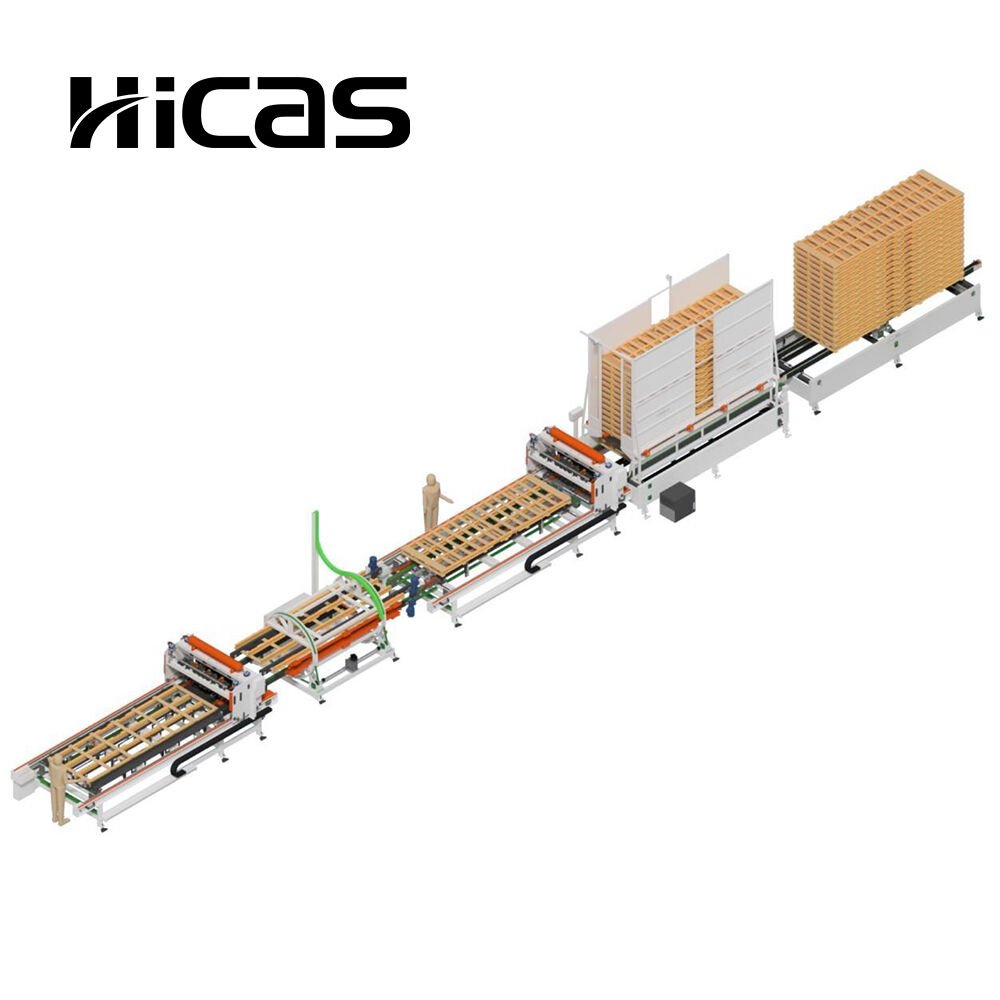
Automatic EPAL Pallet Production Line Solutions

L
O
A
D
I
N
G

Get a Free Quote

Our representative will contact you soon.
Email
Mobile
Name
Company Name
Message
0/1000

automatic epal pallet production line

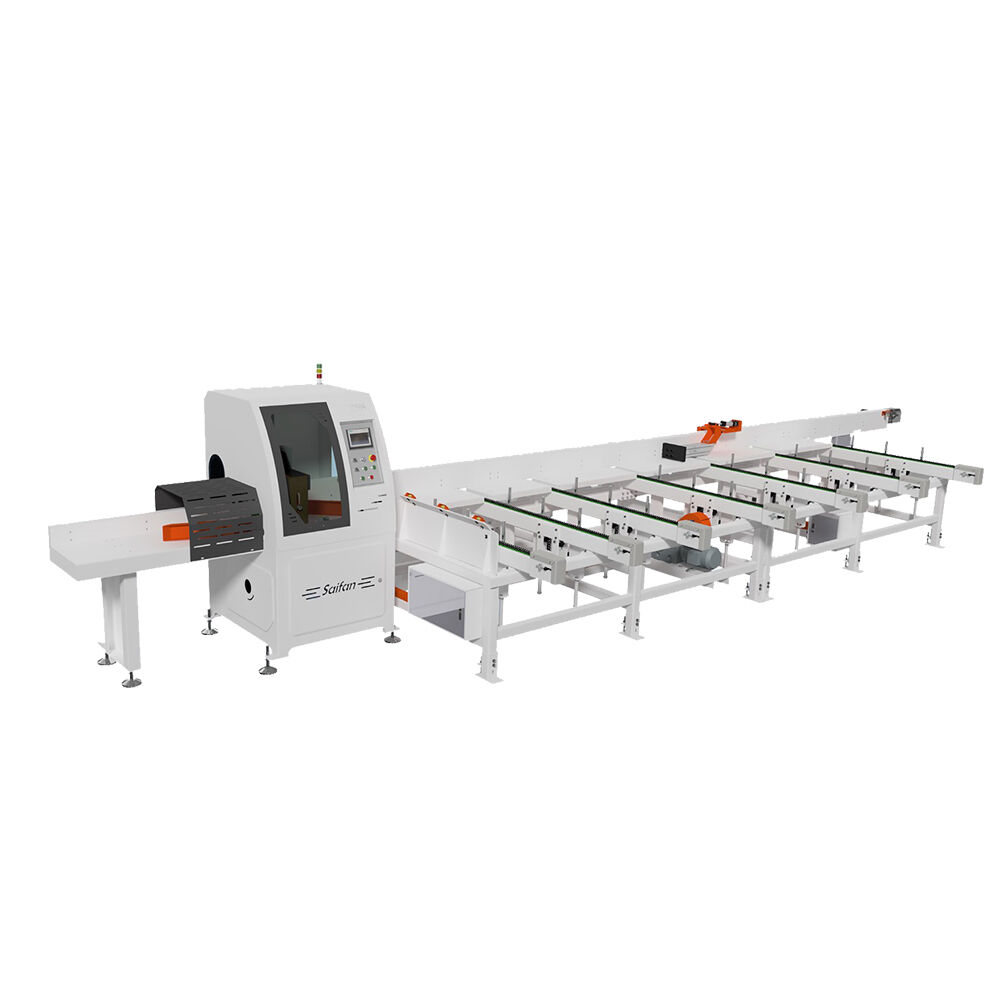
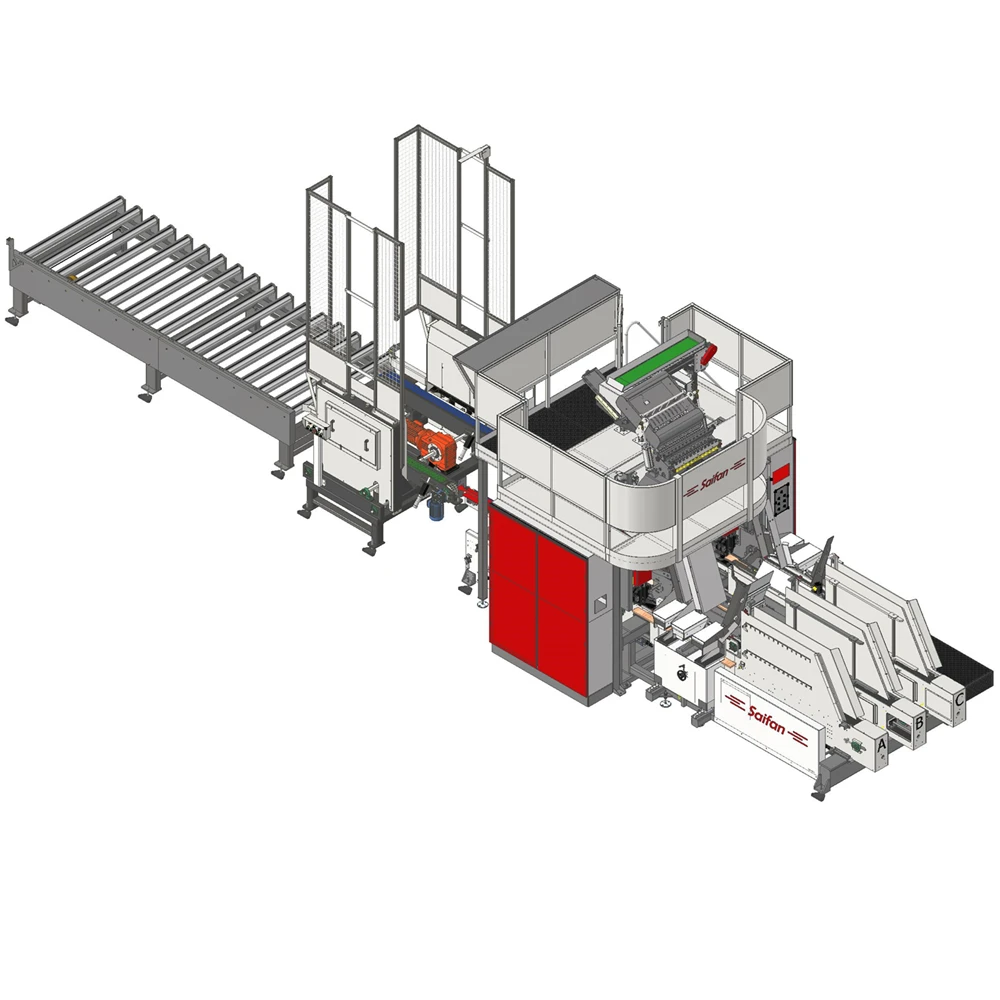
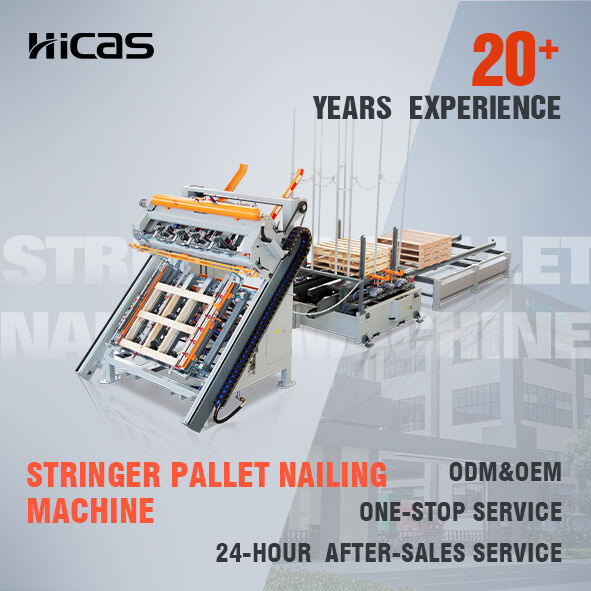
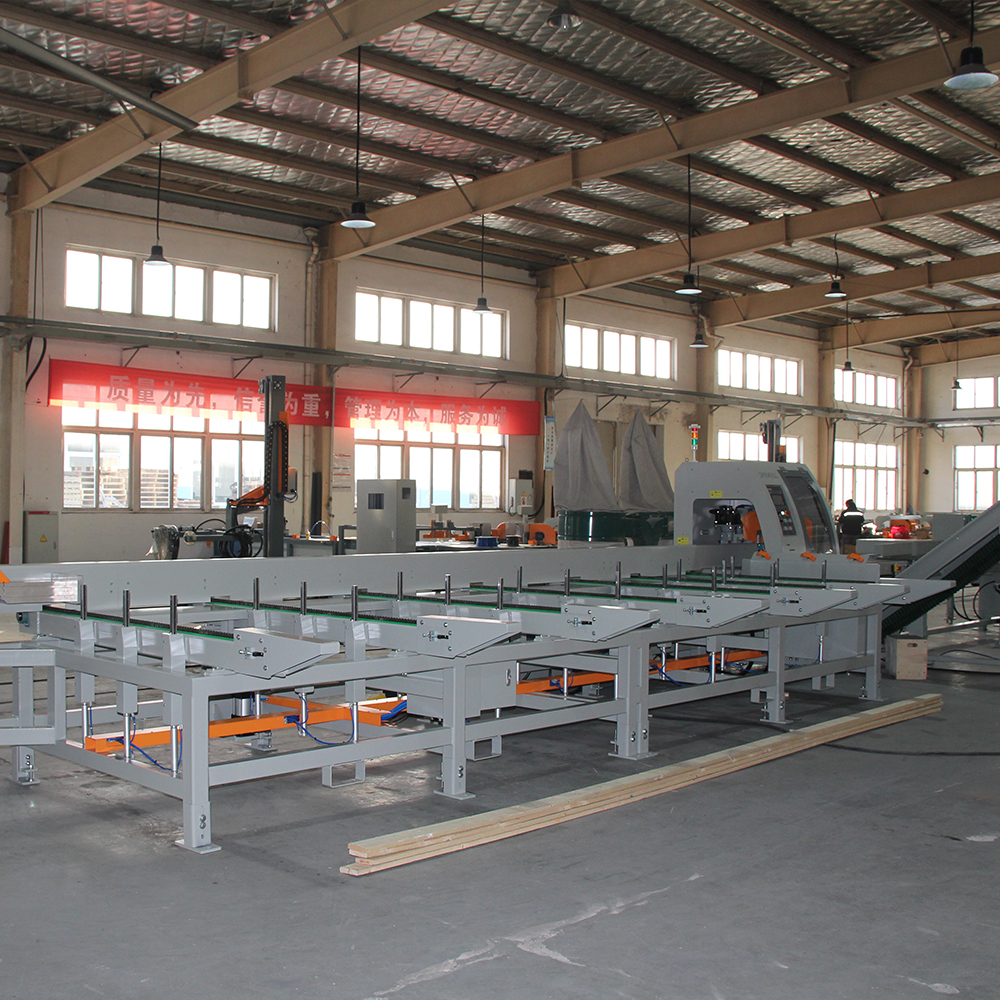
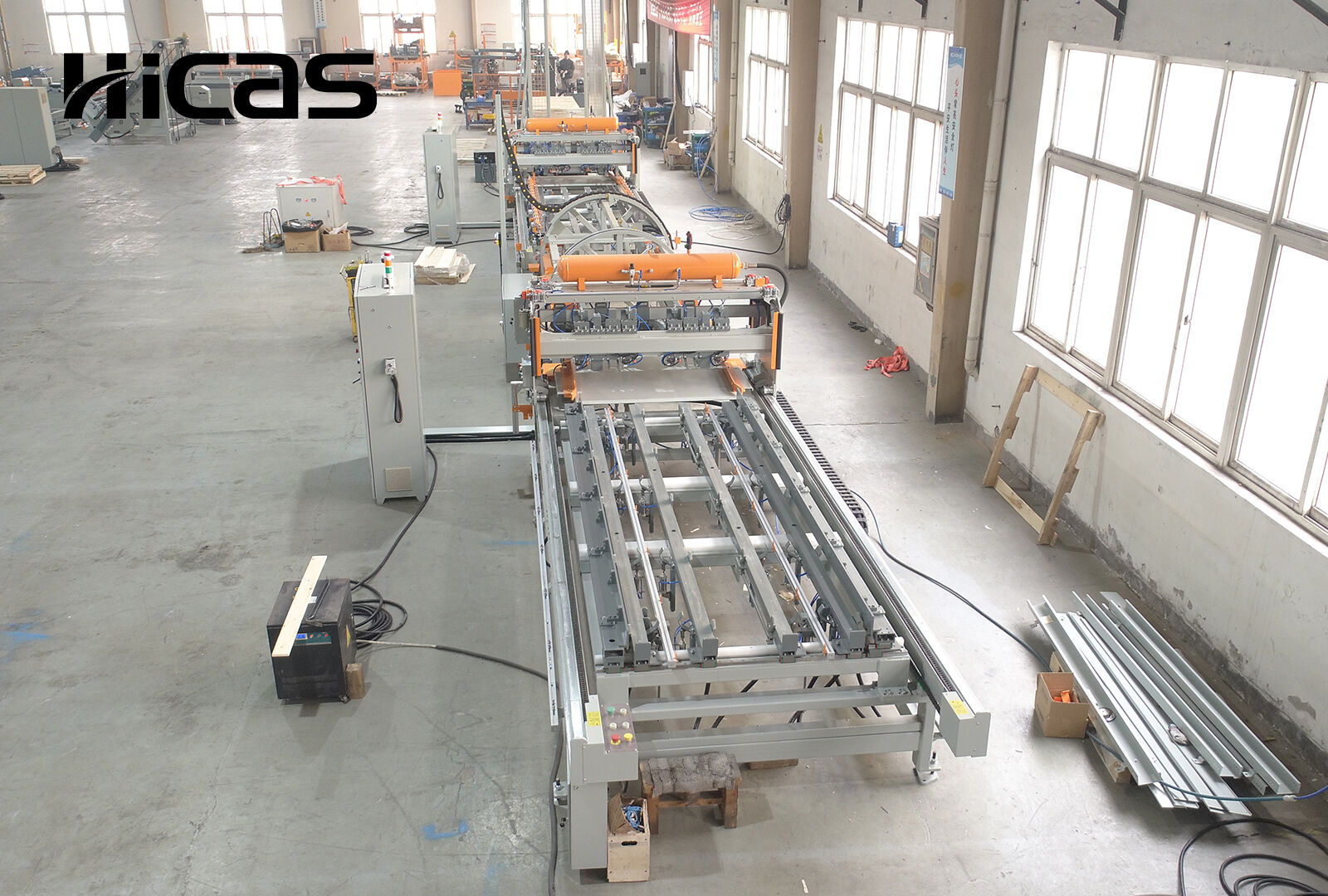
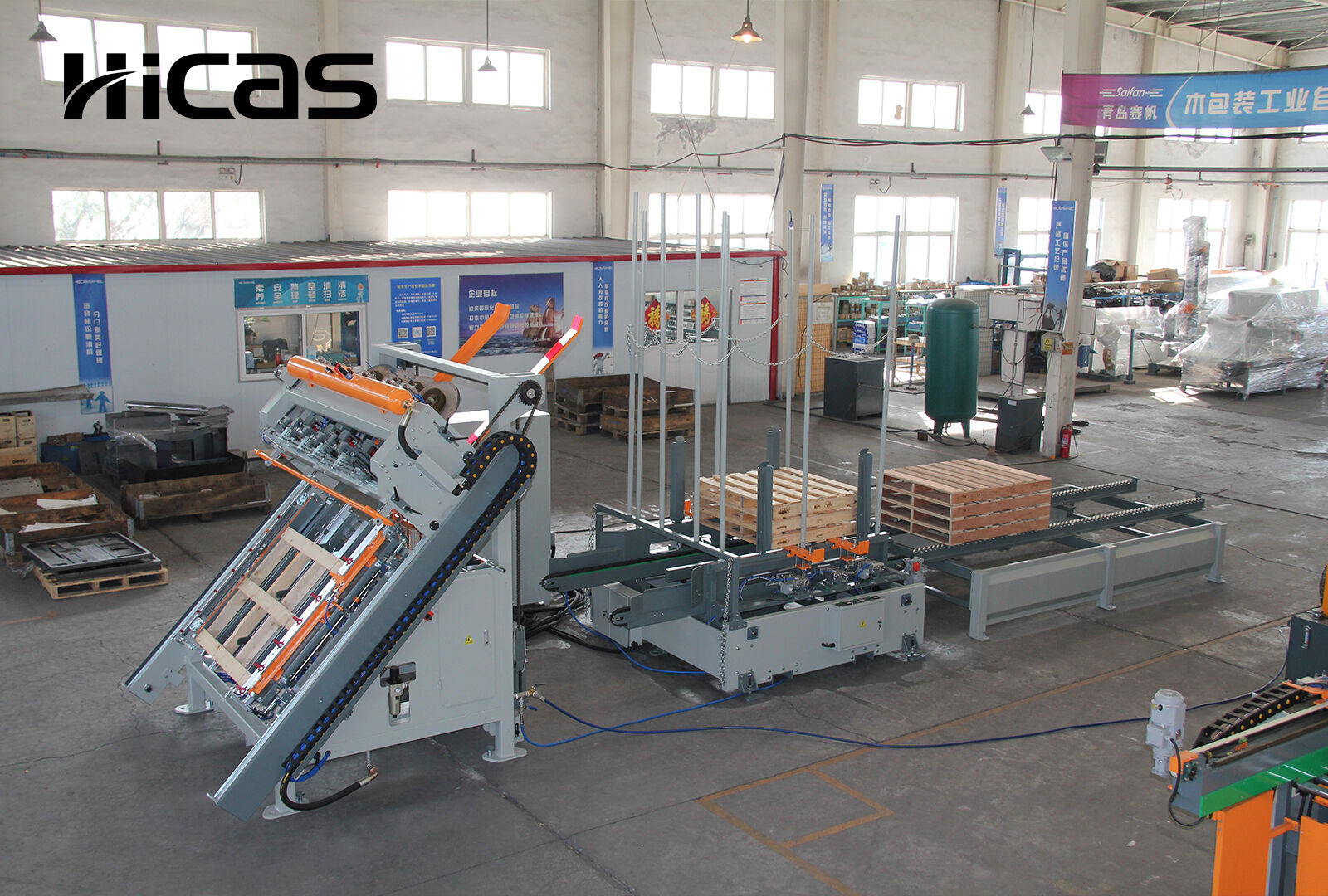
The automatic epal pallet production line represents a sophisticated manufacturing system designed to produce standardized EPAL pallets with minimal human intervention. This advanced production line integrates cutting-edge machinery that handles every stage of pallet manufacturing, from raw material processing to final product assembly. The automatic epal pallet production line incorporates precision sawing equipment, automated nailing stations, robotic material handling systems, and quality control sensors that work in seamless coordination. These production lines are engineered to manufacture pallets that meet strict EPAL certification standards, ensuring dimensional accuracy, load-bearing capacity, and structural integrity. The system processes timber blocks and boards through automated feeding mechanisms, cutting them to exact specifications before assembling components into finished pallets. Modern automatic epal pallet production line configurations feature programmable logic controllers that manage production parameters, monitor equipment performance, and maintain consistent output quality. The technology enables manufacturers to produce between 80 and 150 pallets per hour depending on configuration and specifications. These production lines find extensive applications in logistics companies, warehousing facilities, manufacturing plants, and pallet rental businesses that require high-volume production capabilities. The automatic epal pallet production line serves industries including food and beverage distribution, pharmaceutical logistics, automotive parts transportation, and retail supply chains where standardized pallet dimensions are essential for efficient material handling and international shipping compliance.

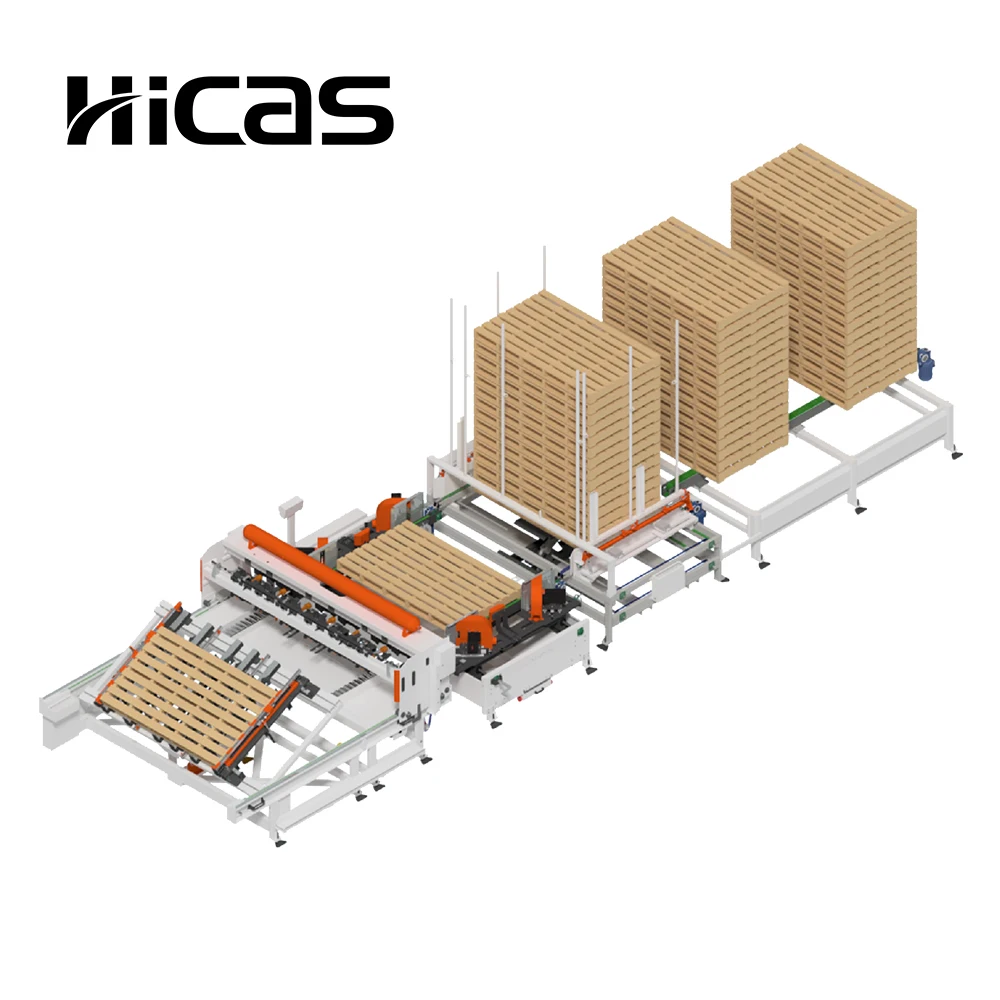
New Product Releases

Investing in an automatic epal pallet production line delivers substantial operational and financial benefits that directly impact your bottom line. The automated system dramatically reduces labor costs by replacing multiple manual workers with streamlined machinery, typically requiring only two to three operators to oversee the entire production process. This automation eliminates human error in measurements and assembly, resulting in consistent pallet quality that meets certification requirements every time. Your production speed increases significantly compared to manual or semi-automated methods, allowing you to fulfill larger orders faster and respond quickly to market demand fluctuations. The automatic epal pallet production line maximizes material utilization through precision cutting that minimizes wood waste, translating into lower raw material expenses and improved profit margins. Energy-efficient motors and optimized workflow design reduce operational costs while maintaining high output levels throughout extended production shifts. The system's modular design allows you to scale production capacity by adding stations or upgrading components as your business grows, protecting your initial investment. Maintenance requirements are straightforward with accessible components and diagnostic systems that identify issues before they cause downtime. The automatic epal pallet production line enables you to maintain competitive pricing while improving product quality, helping you secure contracts with logistics providers and distribution centers that demand certified EPAL pallets. Your business gains flexibility to accommodate custom orders and specification changes through programmable settings, opening new market opportunities. The reliable production consistency builds customer confidence and reduces rejection rates, strengthening your reputation in the pallet manufacturing industry and creating long-term client relationships based on dependable quality and timely delivery.

Latest News

Applications of Wide Belt Sanders in the Metalworking Industry

18

Mar

Applications of Wide Belt Sanders in the Metalworking Industry

Wide-belt sanding technology for metals utilizes continuous sanding belts to achieve precise surface finishes in a variety of industrial applications. These automated systems maintain stable material removal rates via electric conveyor belts and ad...
View More
Choosing Between Entry-Level and High-Speed Wooden Pallet Making Machines

26

Feb

Choosing Between Entry-Level and High-Speed Wooden Pallet Making Machines

Production Volume Requirements: Matching Output to Wooden Pallet Making Machine Capability Cycle Time, Pallets per Shift, and Scalability Thresholds The amount of pallets being produced on a regular basis really makes all the difference when decid...
View More
SF9025 Stringer Pallet Nailing Machine Basic Operation Instructions

02

Jun

SF9025 Stringer Pallet Nailing Machine Basic Operation Instructions

SF9025 Basic Operation Instructions ①. Power and Air Supply Connection 1. Connect the Air Supply Connect the compressed air source. (Ensure the air is dry and the air supply is sufficient.) Adjust the pressure regulator to meet the required nail...
View More
Common Faults and Troubleshooting Methods for the SF9026 Nail-Drilling Production Line

18

Jun

Common Faults and Troubleshooting Methods for the SF9026 Nail-Drilling Production Line

1.Position deviation of the nail placement A: The nail placement is not at the center of the crossbeam - adjust the position of the nail gun B: The nails are overall off-center - adjust the "probe offset" value in the nail placement parameters ...
View More

Get a Free Quote

Our representative will contact you soon.
Email
Mobile
Name
Company Name
Message
0/1000

automatic epal pallet production line

Precision Engineering for EPAL Certification Compliance

Precision Engineering for EPAL Certification Compliance

The automatic epal pallet production line incorporates advanced measurement and control systems that guarantee every pallet meets stringent EPAL certification standards. High-precision sensors monitor dimensional accuracy throughout the manufacturing process, ensuring board lengths, block positions, and nail placements conform exactly to specifications. The production line utilizes servo-driven positioning systems that achieve tolerances within millimeters, eliminating the variations common in manual production methods. Automated quality inspection stations verify load-bearing structures and identify defects before pallets leave the line, reducing rejection rates and protecting your certification status. This precision engineering eliminates costly production errors and ensures your pallets gain acceptance across European markets where EPAL certification is mandatory. The system's ability to maintain consistent quality across thousands of units per day gives you confidence when bidding on large contracts with major logistics providers. Built-in documentation systems record production parameters for each batch, providing traceability that supports certification audits and customer quality requirements. This technological sophistication transforms quality control from a challenging manual task into an automated assurance process that protects your business reputation and market access.
Intelligent Material Handling and Workflow Optimization

Intelligent Material Handling and Workflow Optimization

The automatic epal pallet production line features sophisticated material handling systems that orchestrate the movement of timber components through each production stage with remarkable efficiency. Automated conveyors transport cut boards and blocks between stations using precise timing that eliminates bottlenecks and maintains continuous production flow. Robotic pick-and-place systems position components with consistent accuracy, enabling the nailing stations to work at optimal speeds without manual intervention. The intelligent control system coordinates multiple machines simultaneously, adjusting feed rates and cycle times to balance workload across all stations. This optimization reduces idle time and maximizes equipment utilization, dramatically increasing your production output per shift. The material handling design minimizes physical strain on operators who previously moved heavy timber components manually, creating a safer work environment while improving productivity. Automated stacking systems organize finished pallets for easy removal and shipping preparation, streamlining your warehouse operations. The seamless workflow integration means raw materials enter one end of the line and certified pallets emerge from the other with minimal human touch points, reducing labor costs while accelerating production cycles that directly enhance your manufacturing capacity and profitability.
Adaptive Production Technology for Market Flexibility

Adaptive Production Technology for Market Flexibility

The automatic epal pallet production line provides exceptional operational flexibility through programmable controls that adapt quickly to different specifications and production requirements. Digital interfaces allow operators to switch between pallet configurations by selecting pre-programmed recipes that automatically adjust cutting dimensions, nailing patterns, and assembly sequences. This adaptability enables you to manufacture standard EPAL pallets alongside custom variations for specific clients without lengthy changeover procedures or retooling delays. The system stores multiple production profiles, allowing rapid transitions between orders that keep your facility responsive to diverse customer needs. Quick-change tooling systems facilitate maintenance and component replacement, minimizing downtime and maintaining production schedules. The modular architecture allows incremental capacity expansion by adding processing stations or upgrading individual components as your business grows, protecting your capital investment while supporting scalable growth. Remote monitoring capabilities enable technical support teams to diagnose issues and optimize performance without on-site visits, reducing maintenance costs and recovery time. This technological flexibility positions your business to capture market opportunities across different customer segments, from standard logistics applications to specialized industries requiring modified pallet designs, giving you competitive advantages in a dynamic marketplace where adaptability drives business success.