Automatic Paint Machine: Precision Coating Systems

L
O
A
D
I
N
G

Get a Free Quote

Our representative will contact you soon.
Email
Mobile
Name
Company Name
Message
0/1000

automatic paint machine

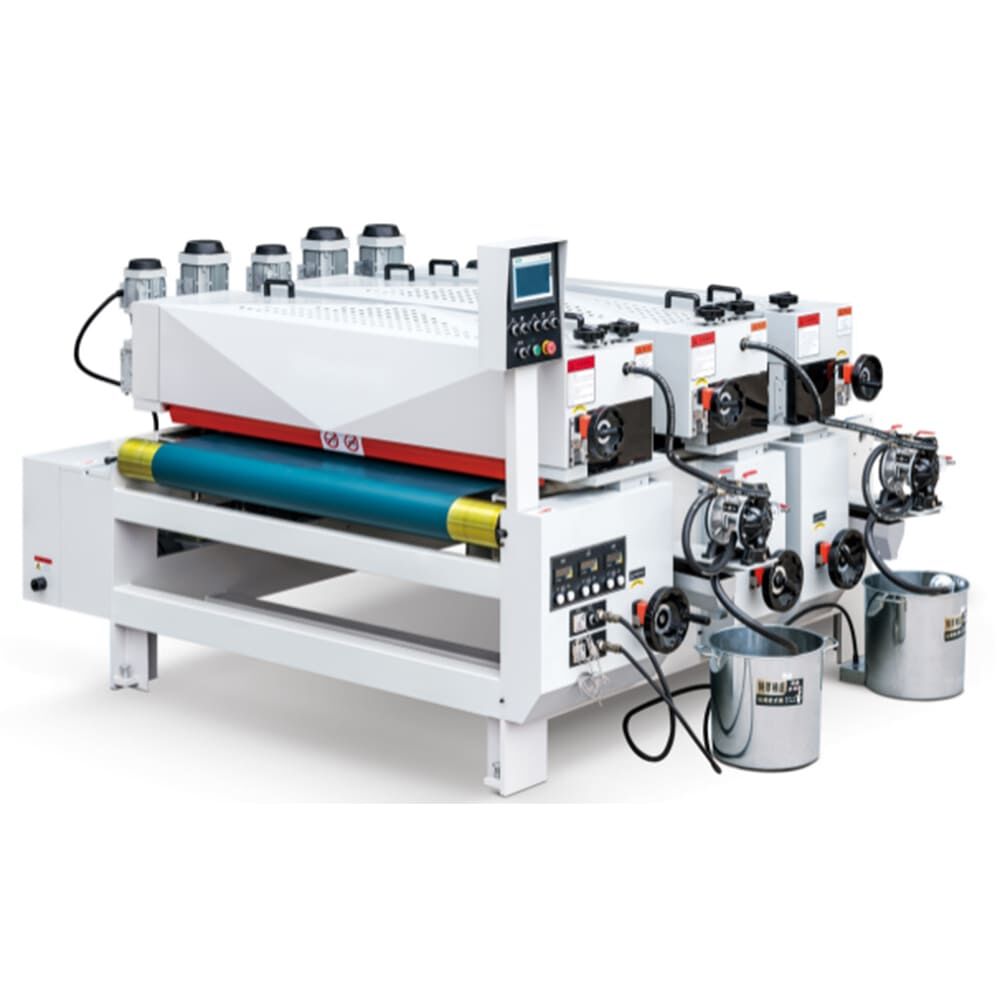
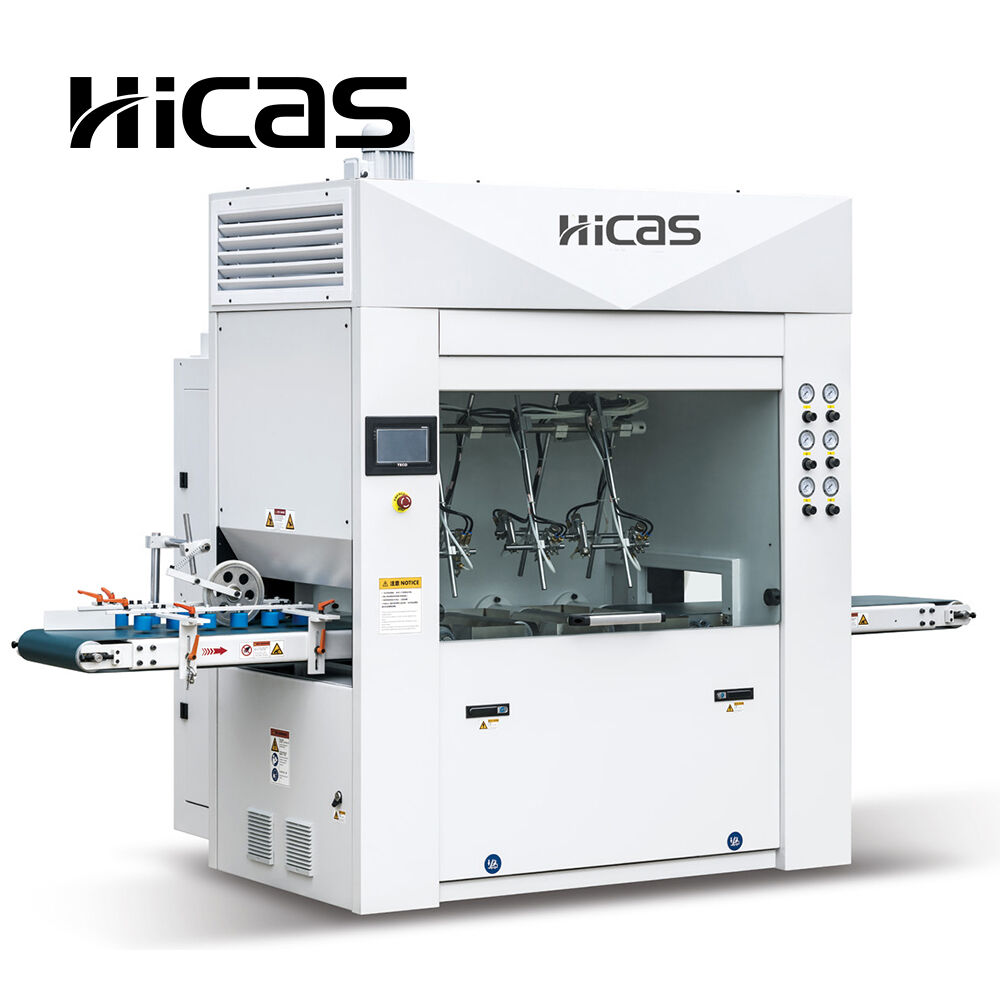
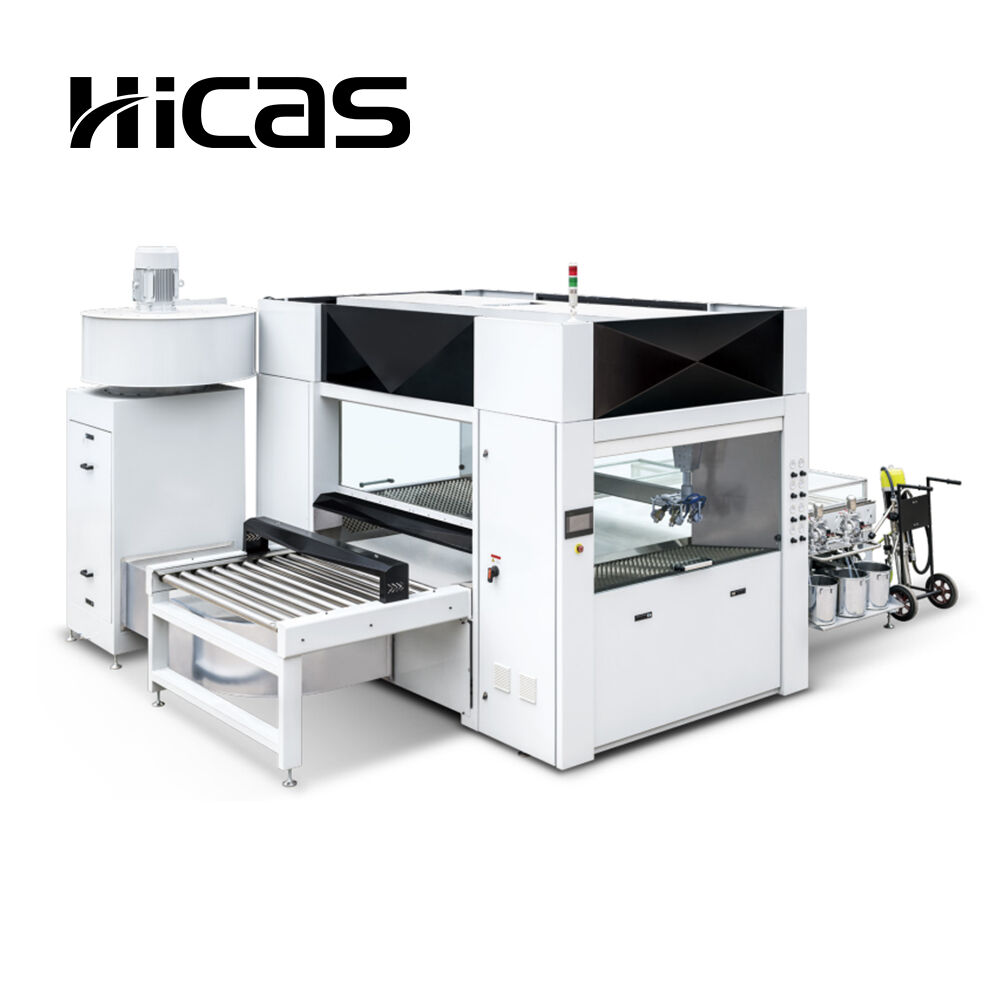
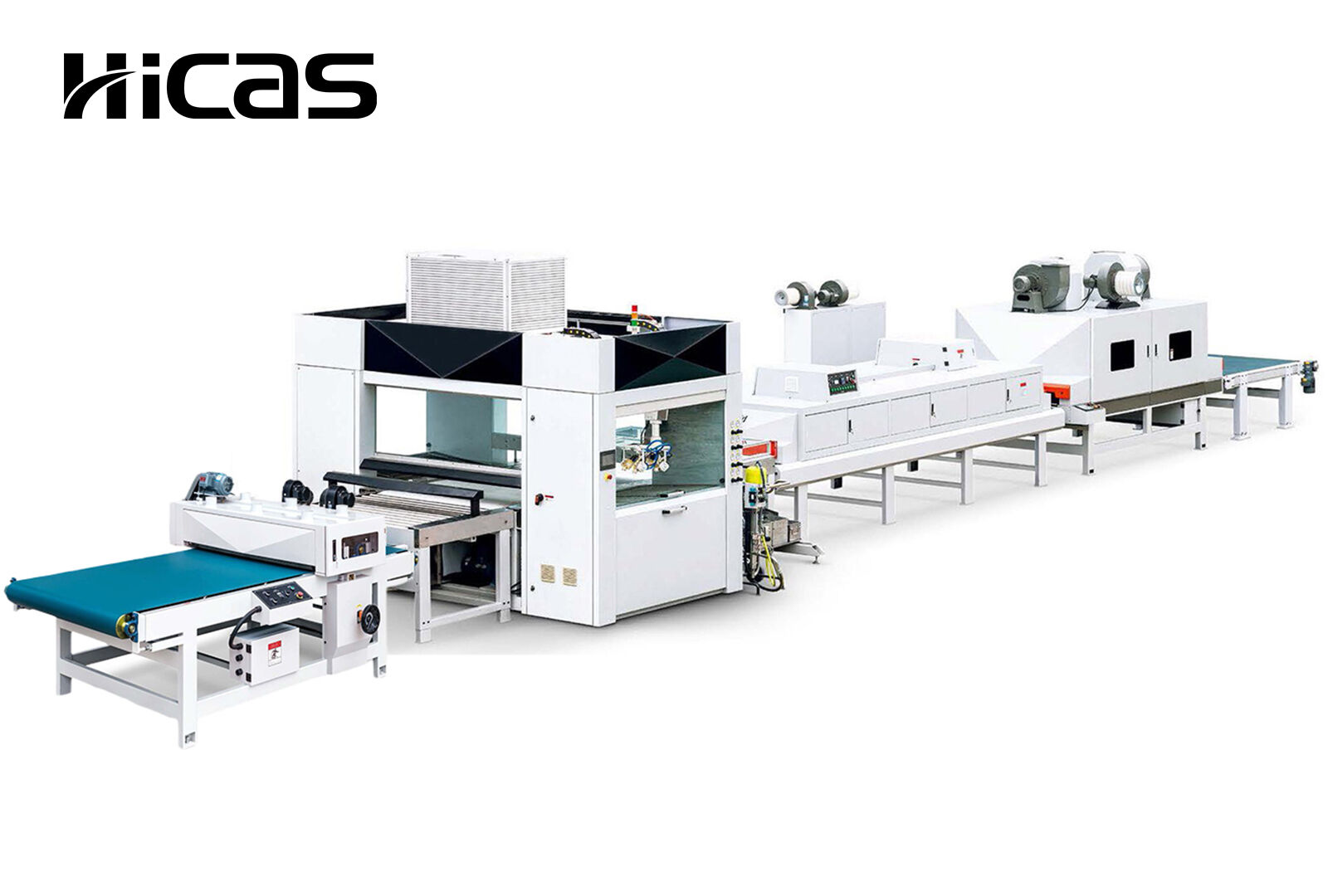
An automatic paint machine is an advanced industrial coating system designed to apply paint, lacquer, or other finishes to surfaces with minimal human intervention. This sophisticated equipment integrates cutting-edge technology to deliver consistent, high-quality coating results across various manufacturing environments. The automatic paint machine operates through programmable controls that manage spray patterns, paint flow rates, and application speeds with precision. These machines typically feature robotic arms or conveyor-based systems that position items for optimal coverage while atomizing nozzles distribute coating materials evenly. Modern automatic paint machine models incorporate sensors and monitoring systems that adjust parameters in real-time, ensuring uniform thickness and finish quality. The technology supports multiple application methods including electrostatic spraying, airless spraying, and HVLP systems, making it adaptable to different coating requirements. Industries ranging from automotive manufacturing to furniture production rely on the automatic paint machine for finishing operations. These systems handle both small-component batch processing and large-scale continuous production lines. The automatic paint machine significantly reduces material waste through precise delivery mechanisms and recirculation systems that capture overspray. Environmental controls within enclosed spray booths maintain optimal temperature and humidity levels for superior adhesion and curing. With customizable programming options, operators can store multiple coating recipes for different products, enabling quick changeovers between production runs. The automatic paint machine represents a critical investment for manufacturers seeking to elevate production standards while maintaining competitive operational costs.

New Product Releases

Investing in an automatic paint machine delivers transformative benefits that directly impact your bottom line and product quality. First, these systems dramatically increase production efficiency by coating components up to ten times faster than manual methods, allowing you to fulfill larger orders and reduce lead times. The consistency achieved by an automatic paint machine eliminates the variation inherent in hand painting, ensuring every product meets identical quality standards that strengthen your brand reputation. Labor cost reduction represents another significant advantage, as one operator can supervise multiple automatic paint machine units simultaneously, reallocating skilled workers to higher-value tasks. Material savings prove substantial because precision application technology minimizes overspray and waste, with some systems recovering up to ninety percent of unused paint for reuse. Your workers benefit from improved safety conditions since the automatic paint machine isolates them from harmful fumes and reduces repetitive strain injuries associated with manual spraying. Environmental compliance becomes easier as enclosed systems capture volatile organic compounds and reduce emissions to meet increasingly strict regulations. The automatic paint machine adapts seamlessly to diverse production needs, handling everything from intricate small parts to large panels with equal proficiency. Maintenance requirements remain manageable with modular designs that allow quick component replacement without extended downtime. Return on investment typically occurs within eighteen to thirty-six months for medium to high-volume manufacturers. Quality control improves dramatically as digital monitoring tracks every application parameter, creating documentation for compliance audits and customer verification. The flexibility to switch between coating types and colors quickly positions your operation to respond rapidly to market demands and custom orders, providing competitive advantages that manual processes cannot match.

Latest News

What Is Roll Coating and How Does Roll Coating Equipment Work

18

Mar

What Is Roll Coating and How Does Roll Coating Equipment Work

What Is Roll Coating? Understanding the Core Process 1. Basic Principles of Roll Coating Technology Roll coating stands out as one of the most effective ways to apply coatings, basically spreading a consistent layer across whatever surface needs t...
View More
How Pallet Stacking Systems Improve Warehouse Efficiency in Pallet Factories

28

Feb

How Pallet Stacking Systems Improve Warehouse Efficiency in Pallet Factories

Maximizing Vertical Space with Pallet Stacking Systems Overcoming Floor-Based Storage Limitations Through Height-Optimized Racking Most warehouses end up wasting around two thirds of their total space when they rely on traditional floor storage metho...
View More
How Automated Wood Pallet Production Lines Transform Modern Manufacturing

27

Mar

How Automated Wood Pallet Production Lines Transform Modern Manufacturing

The Strategic Shift: Why Manufacturers Are Adopting Automated Wood Pallet Production Lines Labor Shortages, Safety Risks, and Rising Compliance Demands in Traditional Pallet Shops Traditional pallet manufacturing faces compounding pressures: Criti...
View More
SF6060 Safety, Operation, Maintenance & Common Faults and Troubleshooting

13

May

SF6060 Safety, Operation, Maintenance & Common Faults and Troubleshooting

SF6060: Safety, Operation, Maintenance & Common Troubleshooting Guide Whether you’re a new operator or a seasoned maintenance technician, understanding the safety protocols, operational steps, and troubleshooting tips for the SF6060 is critic...
View More

Get a Free Quote

Our representative will contact you soon.
Email
Mobile
Name
Company Name
Message
0/1000

automatic paint machine

Precision Application Technology

Precision Application Technology

The automatic paint machine employs sophisticated precision application technology that fundamentally transforms coating quality and consistency. Advanced atomization systems break coating materials into uniform micron-sized particles that adhere smoothly to surfaces, eliminating runs, sags, and uneven coverage that compromise appearance and durability. Programmable logic controllers govern every aspect of the spraying process, from fluid pressure and air volume to traverse speed and trigger timing, maintaining exact parameters throughout production runs. This precision ensures that coating thickness remains within specifications across entire product surfaces, preventing thin spots that lead to corrosion or aesthetic defects while avoiding excessive buildup that wastes materials and extends drying times. Electrostatic charging capabilities available in many automatic paint machine models create attraction between paint particles and grounded workpieces, achieving transfer efficiencies exceeding eighty-five percent compared to sixty percent or less with conventional methods. The result is superior finish quality with reduced environmental impact and material costs. Multi-axis robotic systems enable the automatic paint machine to reach complex geometries and internal surfaces that manual operators struggle to coat uniformly, expanding the range of products you can finish effectively. Real-time feedback sensors detect variations in spray patterns or flow rates and automatically adjust settings to maintain optimal performance, preventing defects before they occur rather than requiring costly rework after discovery.
Enhanced Production Flexibility

Enhanced Production Flexibility

Modern automatic paint machine systems deliver exceptional production flexibility that allows manufacturers to adapt quickly to changing market demands and diverse product portfolios. Quick-change tooling and programmable recipe storage enable operators to transition between different coating formulations, colors, and application patterns in minutes rather than hours, minimizing downtime during product changeovers. This capability proves invaluable for businesses serving multiple market segments or offering customized finishing options to customers. The automatic paint machine accommodates varying part sizes and geometries through adjustable fixturing systems and programmable motion paths, eliminating the need for dedicated equipment for each product variant. Modular construction allows you to scale capacity by adding spray stations or robotic units as production volumes grow, protecting your initial investment while supporting business expansion. Integration capabilities with upstream and downstream processes create seamless production flows where the automatic paint machine communicates with material handling systems, curing ovens, and quality inspection equipment. This connectivity enables lights-out manufacturing scenarios where coating operations continue during off-shifts with minimal supervision. The flexibility extends to coating materials as well, with systems capable of handling water-based, solvent-based, powder, and specialty coatings without extensive reconfiguration. Manufacturers serving industries with stringent quality requirements benefit from the automatic paint machine's ability to maintain detailed production records and traceability data automatically, satisfying automotive, aerospace, and medical device regulations without additional documentation burden.

Long-Term Cost Efficiency

Long-Term Cost Efficiency

The automatic paint machine delivers compelling long-term cost efficiency that extends far beyond initial purchase considerations, fundamentally improving manufacturing economics. Reduced material consumption represents the most immediate savings, as precision application and overspray recovery systems can decrease coating usage by thirty to fifty percent compared to manual methods, with savings compounding significantly over years of operation. Labor optimization provides ongoing financial benefits since automated systems require fewer operators while eliminating the premium wages needed to attract and retain skilled manual painters in tight labor markets. Energy efficiency features including optimized air handling, LED curing systems, and heat recovery mechanisms lower utility costs while supporting corporate sustainability initiatives. The automatic paint machine minimizes quality-related expenses by preventing defects rather than detecting them after completion, eliminating rework costs, material waste, and potential customer returns that damage profitability and reputation. Predictive maintenance capabilities monitor component wear and performance degradation, scheduling service during planned downtime rather than responding to unexpected failures that halt production and require expensive emergency repairs. Extended equipment lifespan results from precision-engineered components and reduced operator variability that causes premature wear in manual systems. Insurance premiums often decrease when manufacturers implement automatic paint machine technology because enclosed systems and reduced human exposure lower workplace injury risks and fire hazards. Production capacity increases without proportional facility expansion since automated systems utilize vertical space efficiently and operate continuously without fatigue-related productivity decline.