Spray Painting Machine Factory - Quality Equipment

L
O
A
D
I
N
G

Get a Free Quote

Our representative will contact you soon.
Email
Mobile
Name
Company Name
Message
0/1000

spray painting machine factory

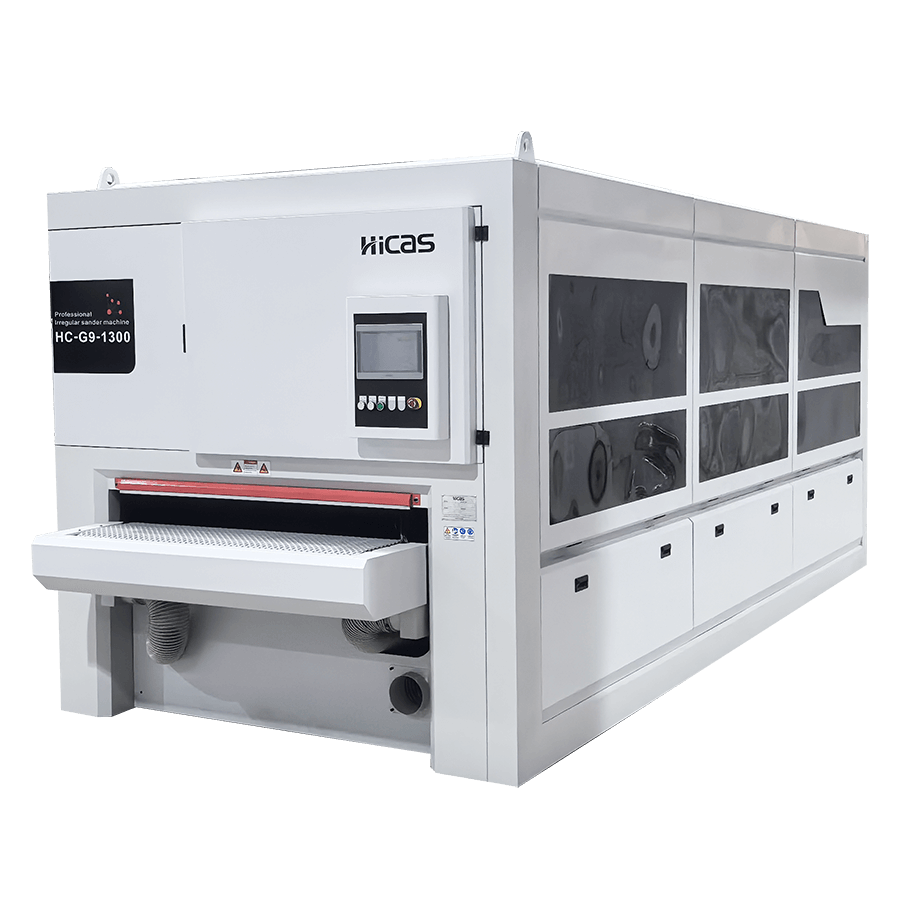
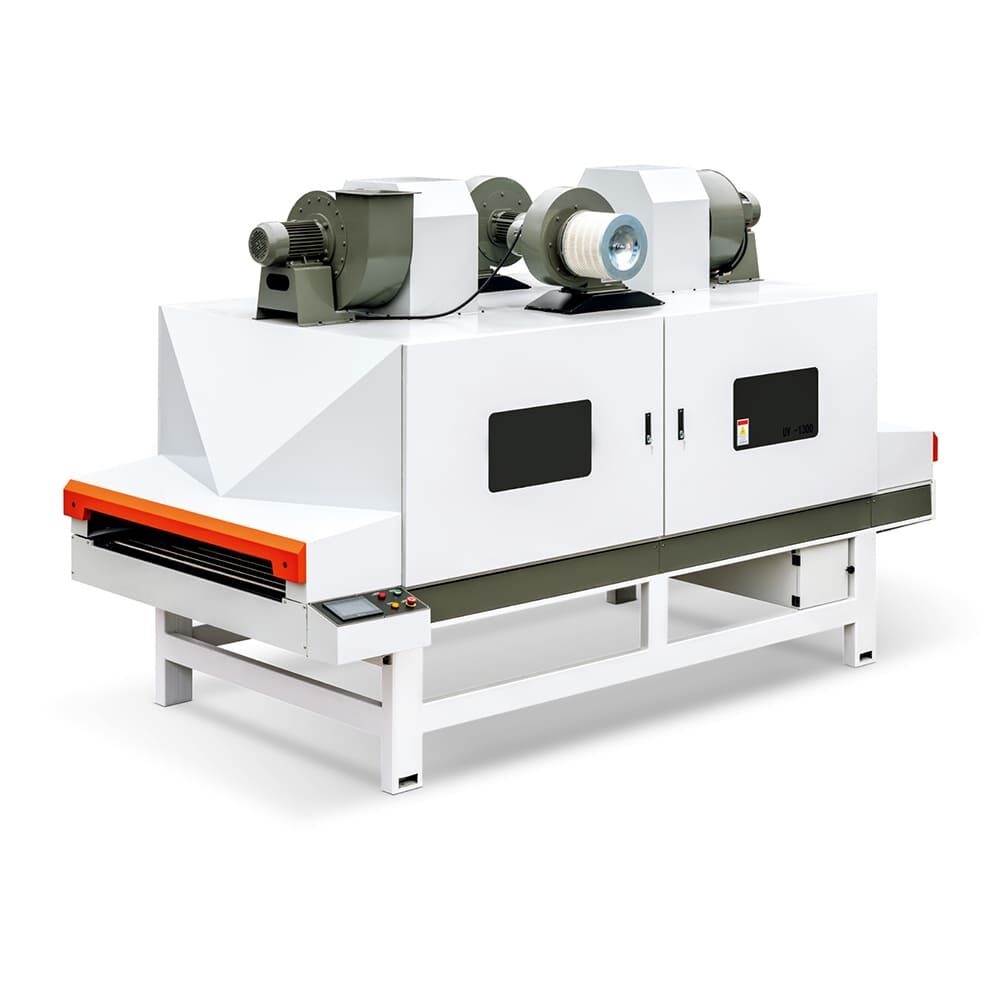
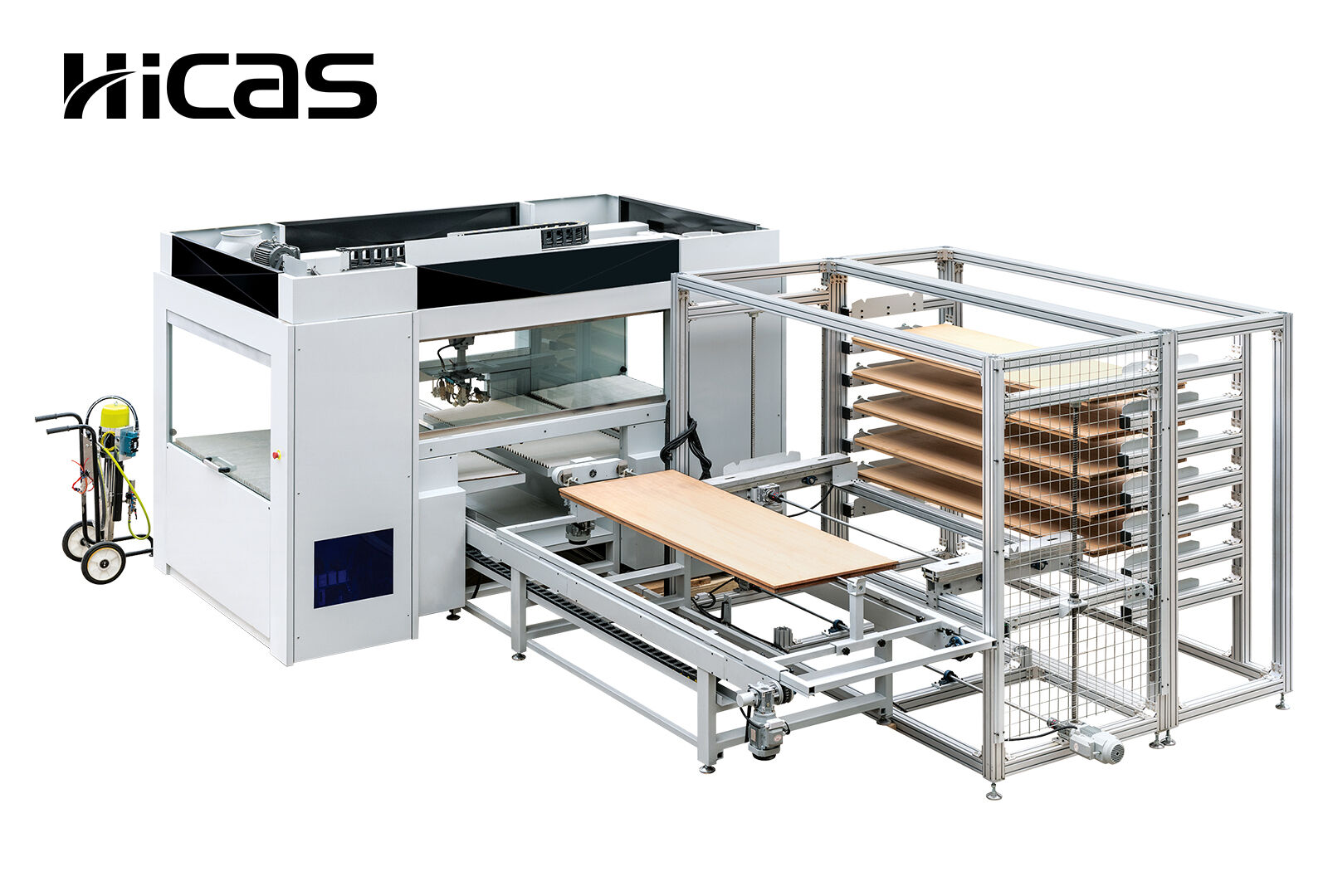
A spray painting machine factory specializes in manufacturing automated equipment designed to apply coatings, paints, and finishes to various surfaces with precision and efficiency. These facilities produce machines that revolutionize traditional painting methods by integrating advanced robotics, electrostatic technology, and computerized control systems. Modern spray painting machine factory operations focus on creating equipment suitable for automotive, furniture, metal fabrication, aerospace, and consumer goods industries. The primary function of equipment from a spray painting machine factory involves atomizing liquid coatings and distributing them evenly across target surfaces while minimizing waste and environmental impact. Technological features include programmable spray patterns, adjustable pressure controls, automated color-changing systems, and real-time monitoring capabilities. These machines incorporate powder coating systems, liquid paint applicators, and hybrid solutions that adapt to different production requirements. A professional spray painting machine factory ensures each unit meets international quality standards and safety regulations. The application scope extends from small-component finishing to large-scale industrial coating operations. Equipment produced handles water-based paints, solvent-based coatings, UV-curable finishes, and specialized protective layers. Advanced spray painting machine factory products feature energy-efficient designs, reduced volatile organic compound emissions, and integration capabilities with existing production lines, making them essential for manufacturers seeking consistent finishing quality and operational excellence.

Popular Products

Choosing equipment from a reputable spray painting machine factory delivers substantial cost savings through reduced paint consumption and labor expenses. Automated systems eliminate human error, ensuring uniform coating thickness and consistent finish quality across all products. Businesses benefit from significantly faster production cycles compared to manual painting methods, increasing output capacity without compromising quality standards. Equipment from a professional spray painting machine factory operates with enhanced worker safety by minimizing direct exposure to hazardous chemicals and fumes through enclosed application chambers and efficient ventilation systems. The precision engineering reduces material waste by up to seventy percent, directly improving profit margins and supporting environmental sustainability goals. Operational flexibility allows manufacturers to switch between different coating types and colors quickly, accommodating diverse product lines without extensive downtime. Machines feature user-friendly interfaces that reduce training time and enable operators to manage complex painting schedules efficiently. A quality spray painting machine factory provides equipment with durable construction that withstands continuous industrial use, minimizing maintenance requirements and unexpected breakdowns. The technology ensures better adhesion and longer-lasting finishes, reducing customer complaints and warranty claims. Businesses gain competitive advantages through improved product appearance and consistency that meets demanding market expectations. Investment in equipment from an established spray painting machine factory delivers measurable returns through enhanced productivity, superior quality control, reduced environmental footprint, and lower operational costs. The scalability of these systems allows companies to expand production capacity incrementally, matching business growth without requiring complete facility overhauls or substantial capital reinvestment.

Tips And Tricks

Choosing Between Entry-Level and High-Speed Wooden Pallet Making Machines

26

Feb

Choosing Between Entry-Level and High-Speed Wooden Pallet Making Machines

Production Volume Requirements: Matching Output to Wooden Pallet Making Machine Capability Cycle Time, Pallets per Shift, and Scalability Thresholds The amount of pallets being produced on a regular basis really makes all the difference when decid...
View More
How Pallet Stacking Systems Improve Warehouse Efficiency in Pallet Factories

28

Feb

How Pallet Stacking Systems Improve Warehouse Efficiency in Pallet Factories

Maximizing Vertical Space with Pallet Stacking Systems Overcoming Floor-Based Storage Limitations Through Height-Optimized Racking Most warehouses end up wasting around two thirds of their total space when they rely on traditional floor storage metho...
View More
How Automated Painting Lines Enhance Efficiency in Furniture Production

27

Mar

How Automated Painting Lines Enhance Efficiency in Furniture Production

Accelerating Production Throughput with Automatic Painting Lines Robotic Spray Arms and Synchronized Conveyance Boost Cycle Speed Today's automated spray painting systems combine robotic arms with smart conveyor technology to boost furniture manuf...
View More
SF9025 Stringer Pallet Nailing Machine Basic Operation Instructions

02

Jun

SF9025 Stringer Pallet Nailing Machine Basic Operation Instructions

SF9025 Basic Operation Instructions ①. Power and Air Supply Connection 1. Connect the Air Supply Connect the compressed air source. (Ensure the air is dry and the air supply is sufficient.) Adjust the pressure regulator to meet the required nail...
View More

Get a Free Quote

Our representative will contact you soon.
Email
Mobile
Name
Company Name
Message
0/1000

spray painting machine factory

Advanced Automation Technology Integration

Advanced Automation Technology Integration

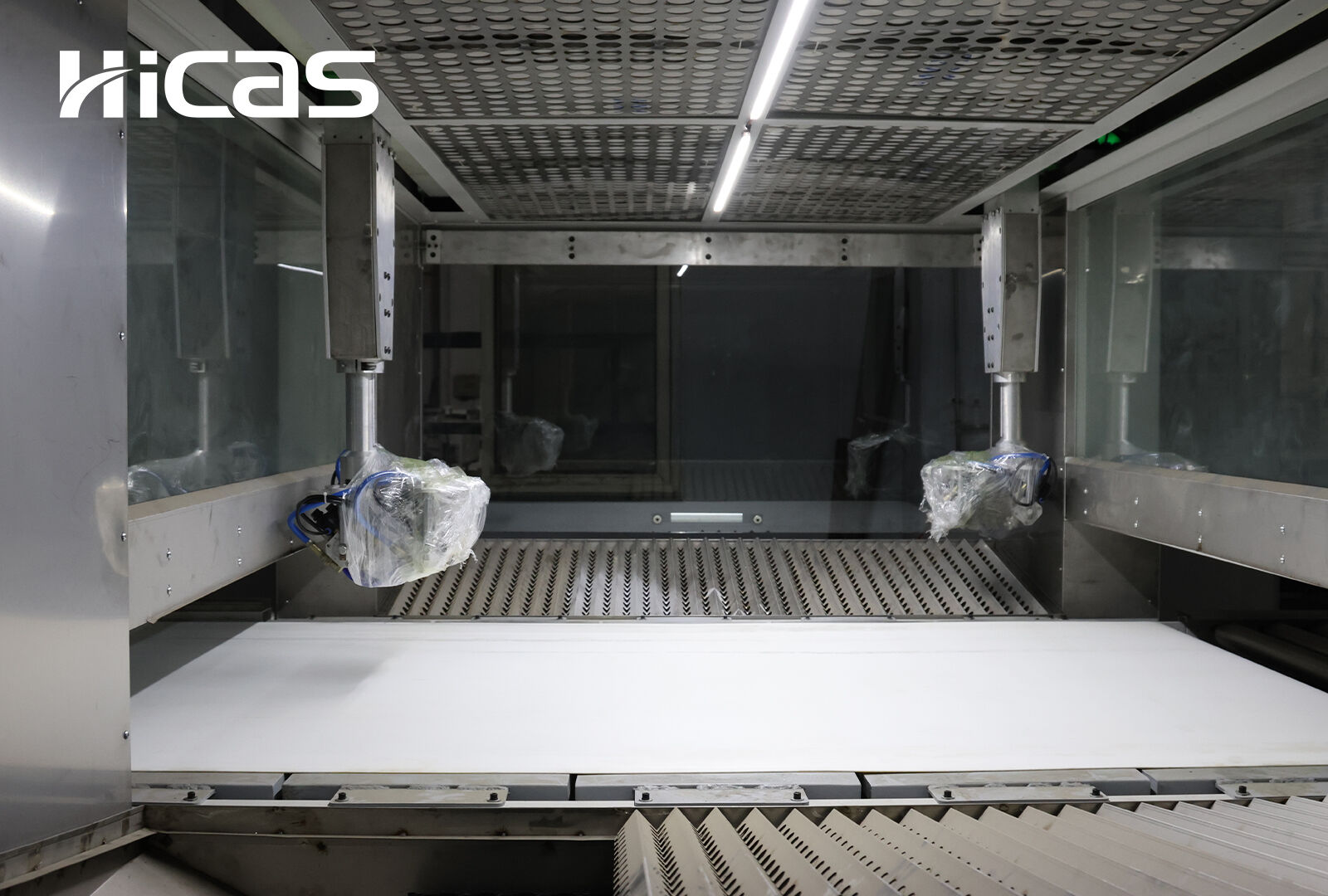
Equipment manufactured by a leading spray painting machine factory incorporates cutting-edge automation that transforms coating operations from labor-intensive processes into streamlined production systems. Robotic arms with six-axis movement capabilities ensure comprehensive coverage of complex geometries, reaching areas impossible for manual application. Programmable logic controllers enable operators to store multiple coating recipes, automatically adjusting spray parameters including pressure, flow rate, atomization level, and application speed for different products. Vision systems with artificial intelligence detect surface irregularities and adjust coating distribution in real-time, preventing defects before they occur. The integration of Industry 4.0 connectivity allows remote monitoring, predictive maintenance alerts, and production data analytics that optimize operational efficiency. Automated material handling systems coordinate workpiece movement through multi-stage finishing processes without manual intervention. This technological sophistication from a professional spray painting machine factory reduces cycle times by forty to sixty percent while achieving coating uniformity that manual methods cannot replicate. The systems adapt to production volume fluctuations seamlessly, maintaining consistent quality whether processing ten units or ten thousand daily.
Environmental Compliance and Sustainability

Environmental Compliance and Sustainability

Modern spray painting machine factory equipment prioritizes environmental responsibility through innovations that dramatically reduce ecological impact while maintaining superior finishing results. Electrostatic application technology increases transfer efficiency to over ninety percent, meaning nearly all coating material adheres to target surfaces rather than becoming airborne waste. Closed-loop solvent recovery systems capture and recycle overspray, minimizing hazardous waste disposal requirements and reducing raw material purchases. Advanced filtration technologies remove particulates and volatile organic compounds from exhaust air, ensuring emissions remain well below regulatory thresholds in all jurisdictions. Equipment designs accommodate water-based and low-VOC coatings that meet increasingly stringent environmental regulations without sacrificing performance characteristics. Energy-efficient components including variable-frequency drives and LED curing systems reduce power consumption by thirty to fifty percent compared to conventional equipment. A responsible spray painting machine factory engineers products that help manufacturers achieve sustainability certifications and corporate environmental goals. The reduced chemical exposure protects worker health while lower emissions benefit surrounding communities. These environmental advantages translate into long-term cost savings through reduced compliance expenses, lower disposal fees, and improved corporate reputation among environmentally conscious consumers and business partners.
Customization and Application Versatility

Customization and Application Versatility

A specialized spray painting machine factory designs equipment with remarkable adaptability to accommodate diverse coating requirements across multiple industries and product categories. Modular construction allows manufacturers to configure systems precisely matching their specific production needs, from compact units for small workshops to expansive automated lines for high-volume facilities. Interchangeable spray heads, nozzle configurations, and application modules enable quick changeovers between powder coating, liquid paint, and specialty finishes without extensive reconfiguration. The equipment handles substrates ranging from delicate plastics and composites to heavy steel components, automatically adjusting parameters to prevent damage while ensuring optimal adhesion. Temperature and humidity controls create ideal application environments regardless of external conditions, maintaining consistent results year-round. A versatile spray painting machine factory produces solutions for decorative finishes, protective coatings, functional layers, and multi-layer systems with primer, base coat, and clear coat applications. Programming flexibility allows operators to create custom spray patterns for unique product geometries, intricate details, and specific aesthetic requirements. This adaptability protects equipment investment by accommodating future product changes and market demands without requiring new machinery purchases, providing long-term value and operational flexibility.