CNC Spray Painting Machine - Automated Coating

L
O
A
D
I
N
G

Get a Free Quote

Our representative will contact you soon.
Email
Mobile
Name
Company Name
Message
0/1000

cnc spray painting machine

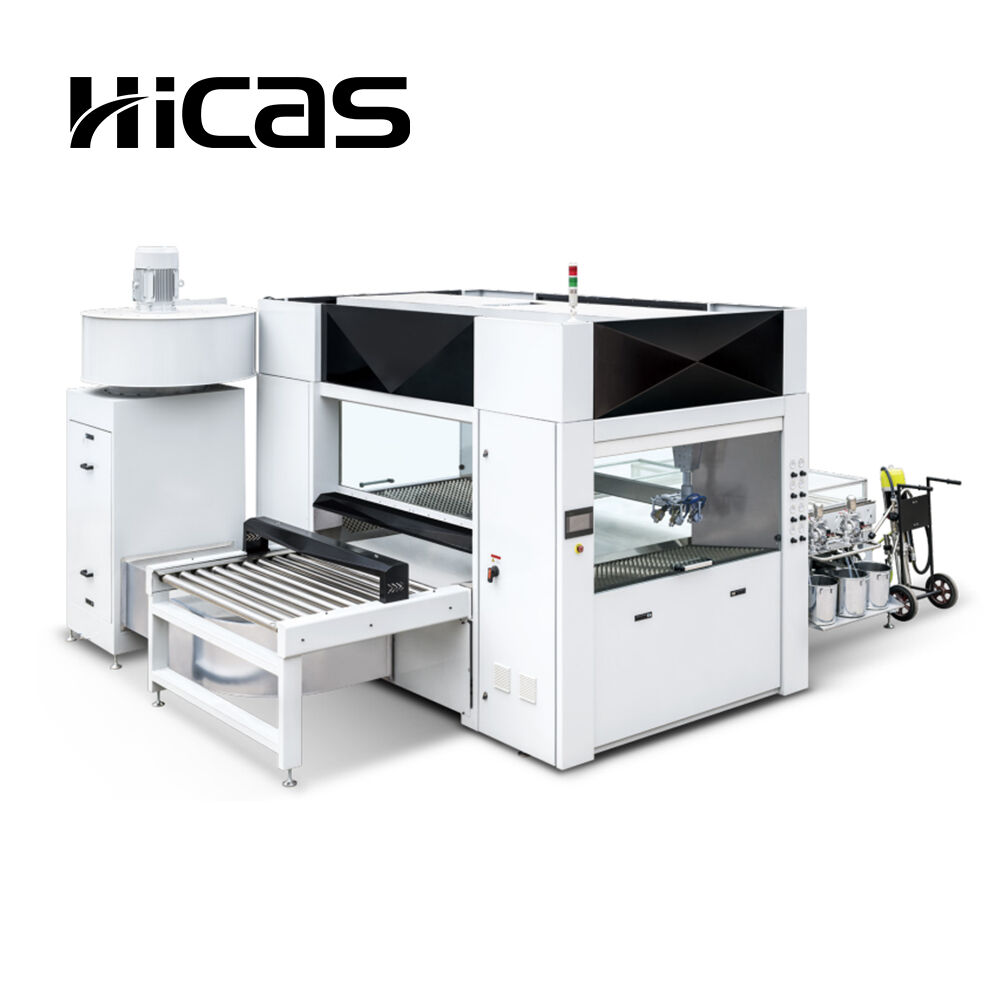
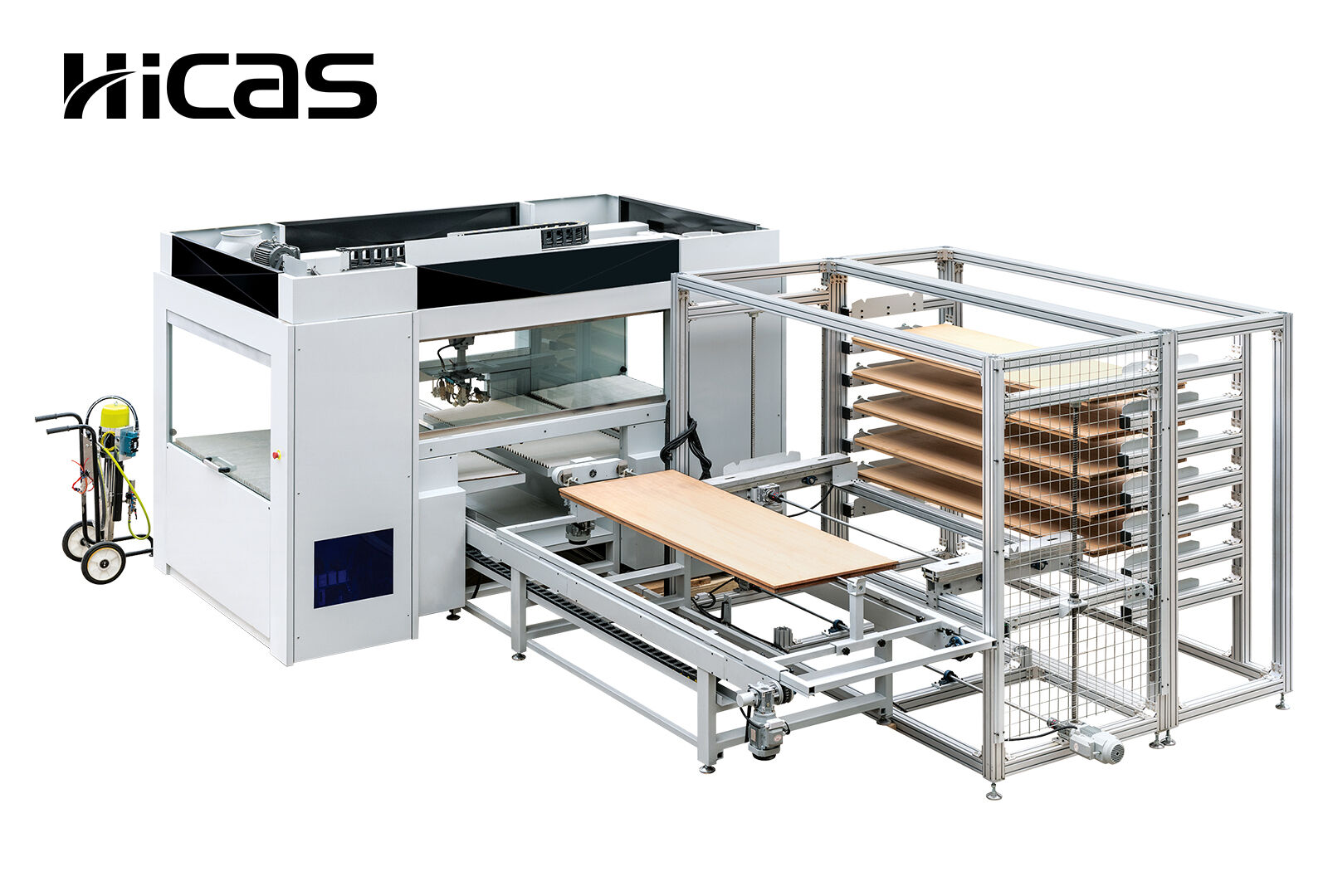
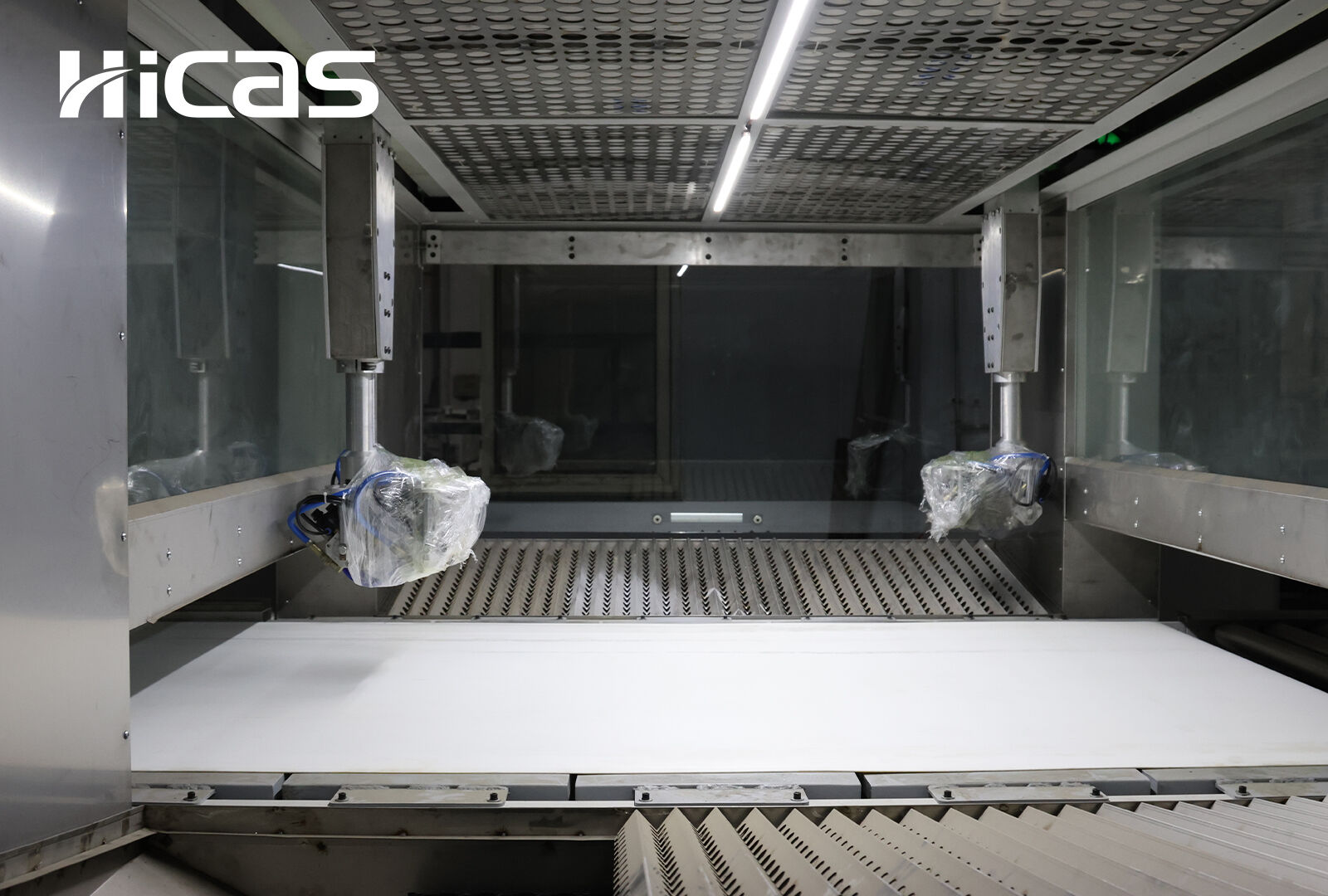
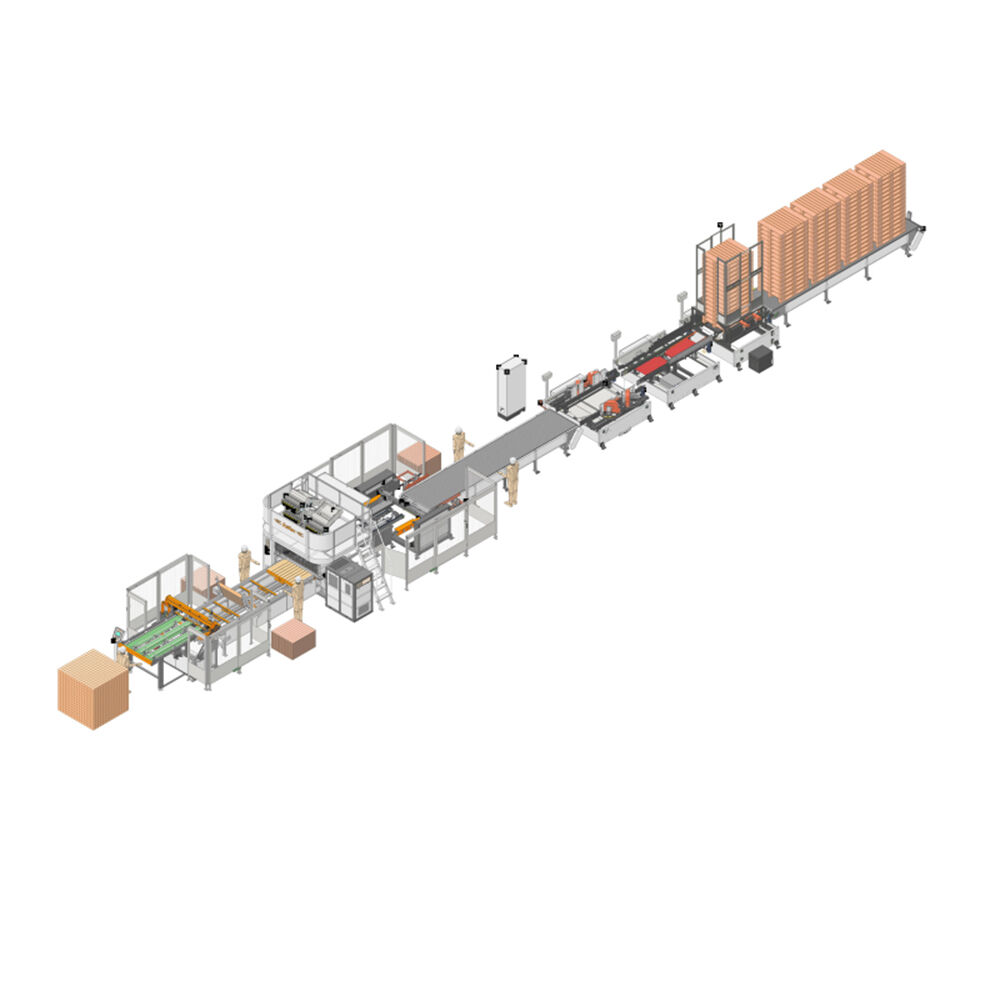
A CNC spray painting machine is an advanced automated finishing system that combines computer numerical control technology with precision spray application to deliver consistent, high-quality coating results. This intelligent equipment utilizes programmable robotic arms or multi-axis systems to apply paint, powder coatings, or other finishing materials across complex surfaces with exceptional accuracy. The CNC spray painting machine operates through digitally controlled parameters that regulate spray patterns, pressure, distance, and movement speed, ensuring uniform coverage while minimizing material waste. These sophisticated systems integrate sensors and feedback mechanisms to maintain optimal application conditions throughout the production cycle. Modern CNC spray painting machines feature user-friendly interfaces that allow operators to store multiple coating programs, making them ideal for businesses handling diverse product lines. The technology excels at coating intricate geometries, large panels, and three-dimensional objects that would be challenging or time-consuming with manual methods. Industries ranging from automotive manufacturing to furniture production rely on these machines to achieve professional-grade finishes while reducing labor costs and improving workplace safety. By automating the painting process, these systems eliminate human exposure to harmful fumes and reduce the physical strain associated with manual spraying. The CNC spray painting machine represents a significant advancement in industrial finishing, offering scalability for both small workshops and large manufacturing facilities seeking to enhance their coating operations with precision engineering and consistent output quality.

New Products

The primary advantage of a CNC spray painting machine lies in its ability to deliver perfectly consistent finishes across every product, eliminating the quality variations inherent in manual painting processes. This consistency translates directly into reduced rejection rates and lower costs associated with rework or defective products. The automated nature of the system dramatically increases production speed, allowing businesses to complete more jobs in less time without compromising quality standards. Material efficiency stands as another compelling benefit, as the precise control mechanisms optimize paint usage and minimize overspray, reducing coating material costs by up to forty percent compared to traditional methods. Labor savings prove substantial since one operator can oversee multiple machines or handle other value-added tasks while the CNC spray painting machine operates autonomously. The programmable features enable quick changeovers between different products or colors, significantly reducing downtime and enhancing operational flexibility. Safety improvements cannot be overstated, as workers no longer need to spend extended periods exposed to potentially hazardous paint fumes or in uncomfortable spraying positions. The digital control system ensures repeatable results, making it easier to meet strict quality standards and regulatory requirements across different production runs. Environmental benefits emerge from reduced waste generation and more efficient use of coating materials, helping companies meet sustainability goals while lowering disposal costs. The technology adapts well to various production scales, from custom job shops requiring frequent program changes to high-volume manufacturers seeking maximum throughput. Return on investment typically occurs within months as the cumulative savings from material efficiency, reduced labor, and improved quality offset the initial equipment cost, making the CNC spray painting machine a financially sound decision for forward-thinking businesses.

Practical Tips

Applications of Wide Belt Sanders in the Metalworking Industry

18

Mar

Applications of Wide Belt Sanders in the Metalworking Industry

Wide-belt sanding technology for metals utilizes continuous sanding belts to achieve precise surface finishes in a variety of industrial applications. These automated systems maintain stable material removal rates via electric conveyor belts and ad...
View More
How Automated Painting Lines Enhance Efficiency in Furniture Production

27

Mar

How Automated Painting Lines Enhance Efficiency in Furniture Production

Accelerating Production Throughput with Automatic Painting Lines Robotic Spray Arms and Synchronized Conveyance Boost Cycle Speed Today's automated spray painting systems combine robotic arms with smart conveyor technology to boost furniture manuf...
View More
SF9025 Stringer Pallet Nailing Machine Basic Operation Instructions

02

Jun

SF9025 Stringer Pallet Nailing Machine Basic Operation Instructions

SF9025 Basic Operation Instructions ①. Power and Air Supply Connection 1. Connect the Air Supply Connect the compressed air source. (Ensure the air is dry and the air supply is sufficient.) Adjust the pressure regulator to meet the required nail...
View More
Common Faults and Troubleshooting Methods for the SF9026 Nail-Drilling Production Line

18

Jun

Common Faults and Troubleshooting Methods for the SF9026 Nail-Drilling Production Line

1.Position deviation of the nail placement A: The nail placement is not at the center of the crossbeam - adjust the position of the nail gun B: The nails are overall off-center - adjust the "probe offset" value in the nail placement parameters ...
View More

Get a Free Quote

Our representative will contact you soon.
Email
Mobile
Name
Company Name
Message
0/1000

cnc spray painting machine

Precision Programming and Digital Control

Precision Programming and Digital Control

The CNC spray painting machine leverages sophisticated programming capabilities that give manufacturers unprecedented control over every aspect of the coating process. Operators can create detailed spray paths that follow exact product contours, adjusting parameters such as spray angle, nozzle distance, flow rate, and travel speed at different points along the application route. This digital precision ensures that every surface receives the optimal amount of coating material, whether working with flat panels, curved surfaces, or complex three-dimensional shapes. The system stores unlimited coating programs in its memory, allowing instant recall of proven parameters for repeat jobs without time-consuming setup adjustments. Advanced models incorporate teach-pendant programming or CAD file imports, enabling even complex coating patterns to be programmed quickly and accurately. The closed-loop feedback systems continuously monitor application conditions and make real-time micro-adjustments to maintain perfect consistency despite variations in ambient conditions. This technological sophistication transforms coating from an art dependent on operator skill into a repeatable science that delivers identical results regardless of shift changes or personnel turnover, providing manufacturers with the quality assurance and production predictability essential for competitive operations.
Exceptional Versatility Across Materials and Industries

Exceptional Versatility Across Materials and Industries

The adaptability of a CNC spray painting machine extends across an impressive range of coating materials and industrial applications, making it a versatile solution for diverse manufacturing environments. These systems handle solvent-based paints, water-based coatings, UV-curable finishes, powder coatings with appropriate equipment modifications, and specialized materials including protective coatings and texture applications. The automotive sector utilizes these machines for painting vehicle components, body panels, and trim pieces with the flawless finishes consumers expect. Furniture manufacturers achieve consistent wood stains and protective topcoats across production runs, while metal fabricators apply corrosion-resistant coatings to structural components and consumer products. Aerospace applications demand the exacting standards that CNC spray painting machines deliver for aircraft components where coating integrity impacts safety and performance. Electronics manufacturers use adapted systems for applying conformal coatings to circuit boards, demonstrating the technology's precision at miniature scales. The machines accommodate substrates ranging from metals and plastics to wood, composites, and glass, adjusting spray characteristics to suit different material absorption rates and surface preparations. This versatility eliminates the need for multiple specialized coating systems, consolidating equipment investments while maintaining the capability to serve varied customer requirements and explore new market opportunities.
Enhanced Safety and Environmental Compliance

Enhanced Safety and Environmental Compliance

Modern CNC spray painting machines prioritize operator safety and environmental responsibility through integrated engineering features that address the health hazards and ecological concerns associated with traditional coating operations. Enclosed spray booths with advanced ventilation systems capture overspray and fumes at the source, preventing worker exposure to volatile organic compounds and particulate matter that pose respiratory and neurological health risks. The automated application process eliminates the need for personnel to work directly in the spray environment, dramatically reducing occupational exposure to harmful chemicals. Precise material application minimizes waste generation, decreasing the volume of hazardous materials requiring proper disposal and reducing the environmental footprint of coating operations. Many systems incorporate solvent recovery technology that captures and recycles evaporated compounds, further reducing emissions and material costs. The consistent application parameters ensure optimal coating thickness, preventing the excessive buildup that can lead to longer curing times and increased energy consumption. Digital documentation features provide complete traceability of coating parameters and material usage, simplifying compliance reporting for environmental regulations and quality management systems. These safety and environmental advantages protect workforce health, reduce liability exposure, lower compliance costs, and support corporate sustainability initiatives, delivering value that extends far beyond the immediate production benefits.