Automatic Spray Painting Production Line Solutions

L
O
A
D
I
N
G

Get a Free Quote

Our representative will contact you soon.
Email
Mobile
Name
Company Name
Message
0/1000

automatic spray painting production line

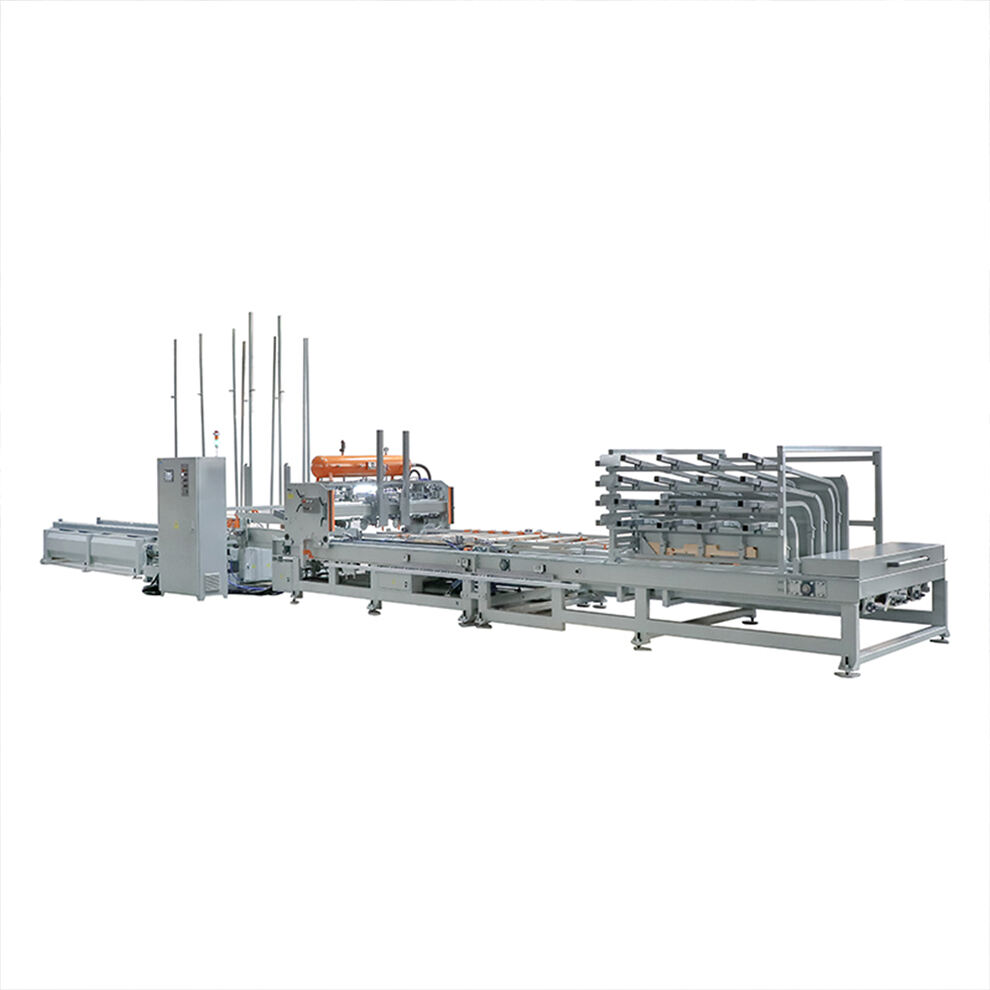
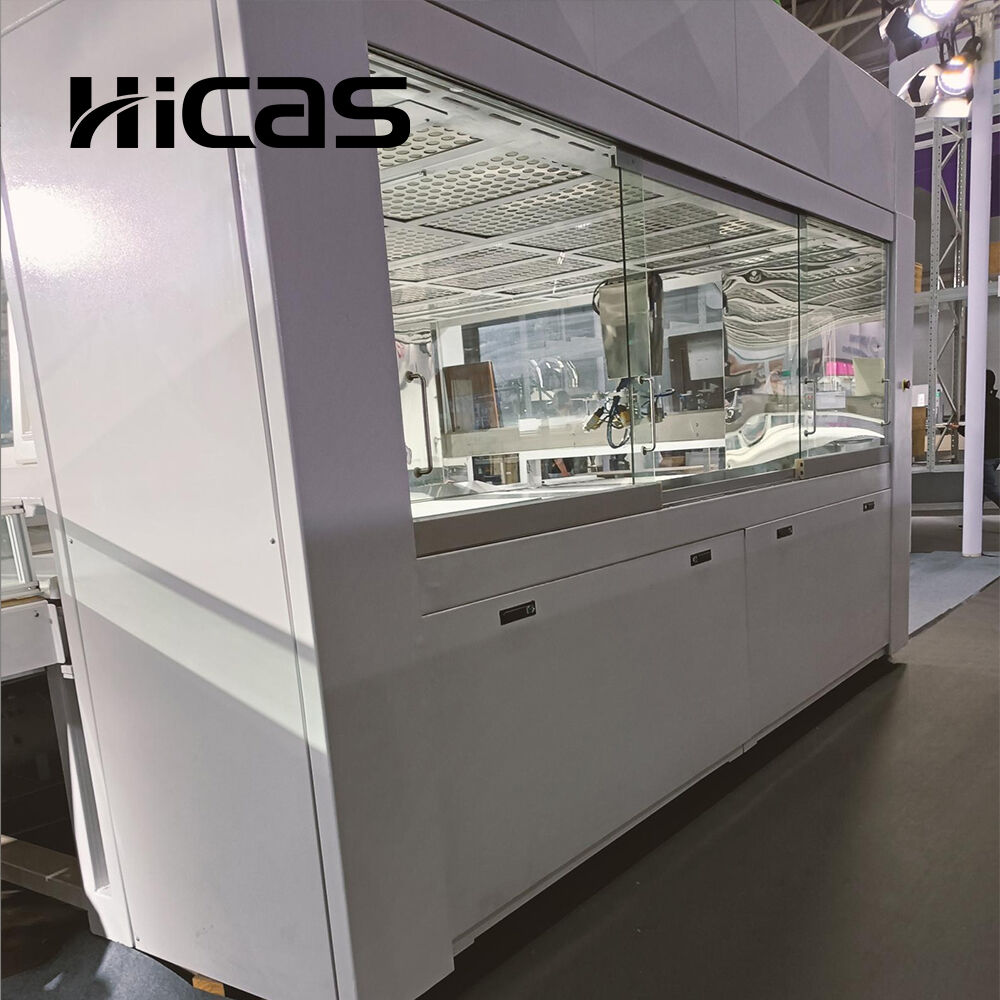
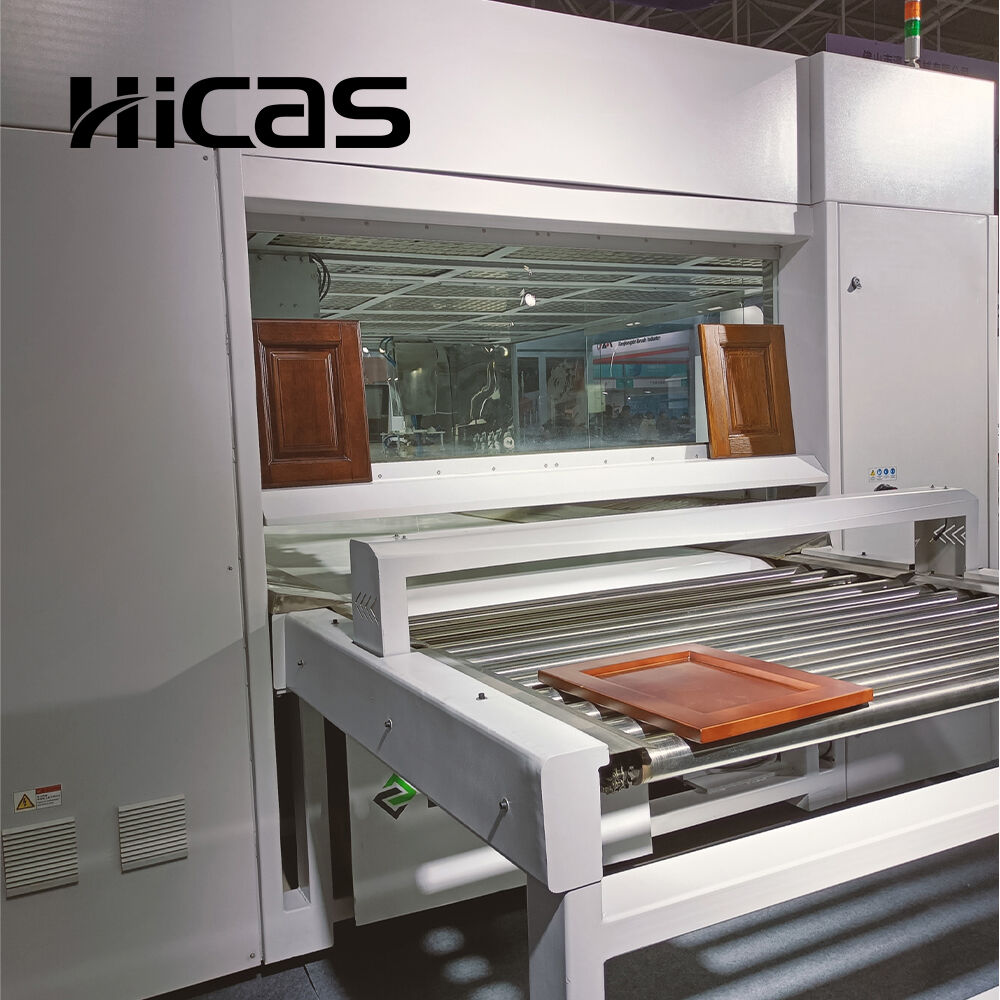
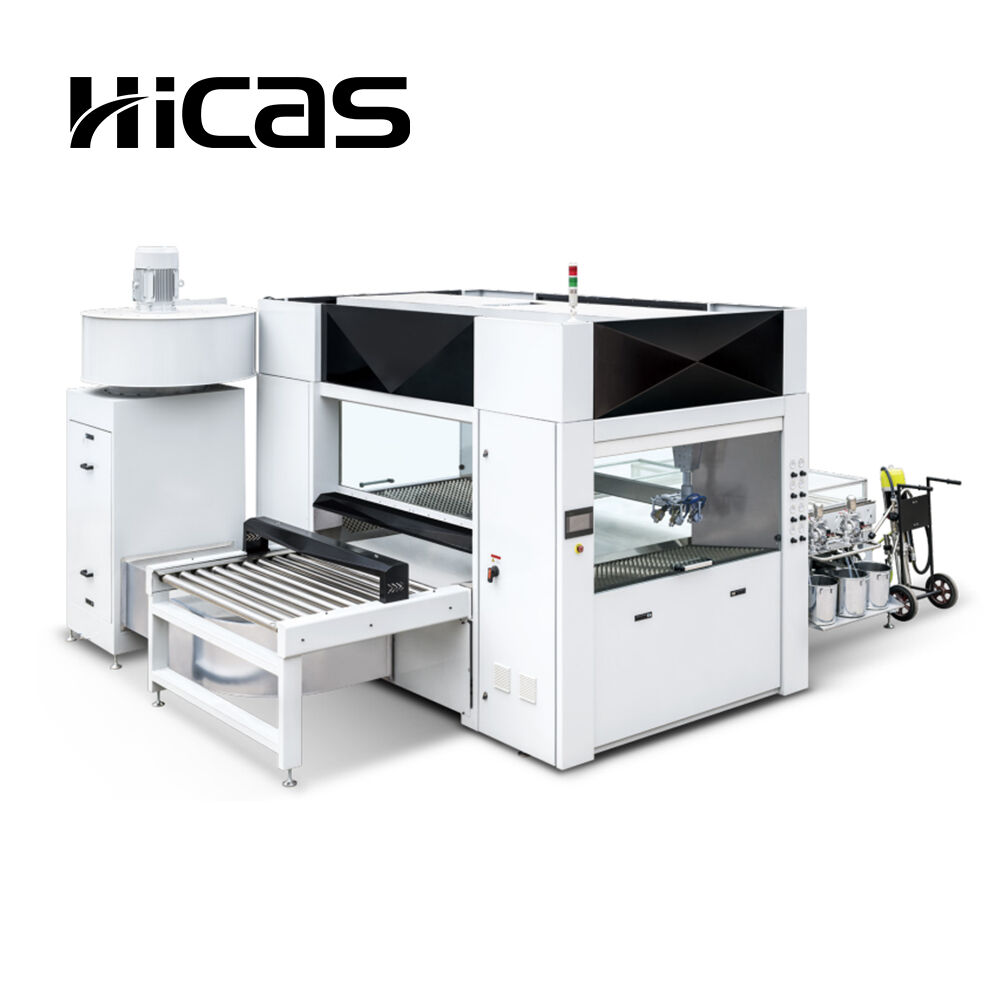
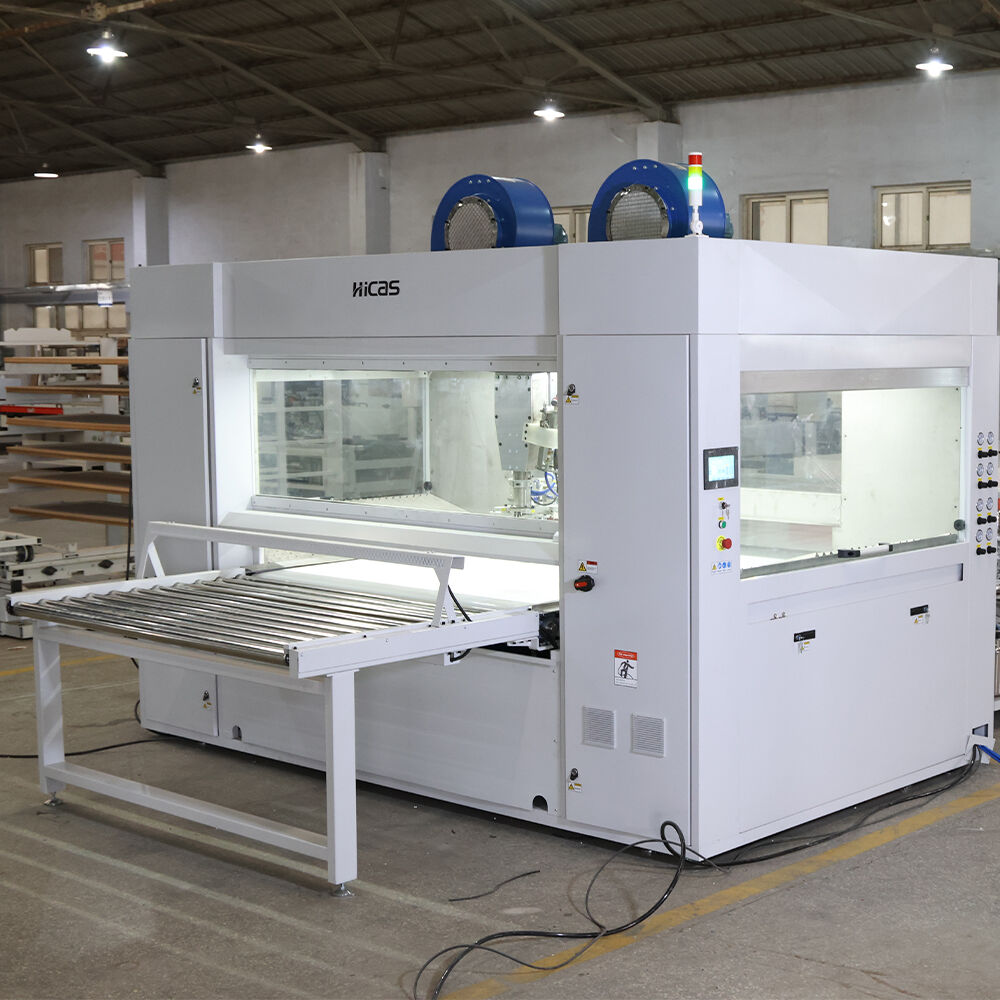
An automatic spray painting production line is a sophisticated industrial system designed to apply paint or coating to products with minimal human intervention. This advanced manufacturing solution integrates conveyor systems, robotic spray guns, drying ovens, and control units to deliver consistent, high-quality finishes across large production volumes. The automatic spray painting production line operates through a series of coordinated stages including surface preparation, primer application, base coat spraying, top coat application, and curing processes. Modern systems feature programmable logic controllers that enable precise parameter adjustments for different products and coating requirements. The technology employs electrostatic spray techniques, airless spraying methods, or HVLP systems depending on application needs. Key components include automated material handling equipment, enclosed spray booths with ventilation systems, infrared or convection drying chambers, and quality inspection stations. These production lines find extensive use in automotive manufacturing, furniture production, electronics assembly, metal fabrication, and appliance industries. The automatic spray painting production line can process various materials including metals, plastics, wood, and composite materials with uniform coating thickness and minimal overspray. Integration with factory management systems allows real-time monitoring of production metrics, paint consumption, and equipment performance. This comprehensive automation solution addresses the growing demand for consistent surface finishing quality while reducing labor costs and environmental impact through efficient paint utilization and emission control systems.

New Products

Investing in an automatic spray painting production line delivers substantial cost savings through reduced labor requirements and minimized paint waste. Traditional manual painting operations require skilled workers and result in inconsistent quality, whereas automated systems maintain uniform coating thickness and appearance across every product. The precision of robotic applicators reduces paint consumption by up to forty percent compared to manual methods, directly lowering material costs while improving environmental compliance. Production speed increases significantly as the automatic spray painting production line operates continuously without fatigue or breaks, enabling manufacturers to meet tight deadlines and scale output according to demand. Quality consistency represents another major benefit, as automated systems eliminate human error and deliver identical finishes on every item, reducing rework rates and customer complaints. The enclosed spray environment protects workers from harmful fumes and overspray exposure, creating safer workplace conditions and reducing health-related expenses. Energy efficiency improves through optimized curing cycles and heat recovery systems that lower utility bills. Flexibility stands as a key advantage, with programmable settings allowing quick changeovers between different products, colors, and coating specifications without extensive downtime. The automatic spray painting production line also provides detailed production data and traceability, helping manufacturers identify process improvements and maintain quality certifications. Return on investment typically occurs within two to three years through combined savings in labor, materials, energy, and quality costs. Small to medium manufacturers benefit from modular systems that can start compact and expand as business grows, while large operations gain from fully integrated lines that handle thousands of units daily with minimal supervision.

Tips And Tricks

Choosing Between Entry-Level and High-Speed Wooden Pallet Making Machines

26

Feb

Choosing Between Entry-Level and High-Speed Wooden Pallet Making Machines

Production Volume Requirements: Matching Output to Wooden Pallet Making Machine Capability Cycle Time, Pallets per Shift, and Scalability Thresholds The amount of pallets being produced on a regular basis really makes all the difference when decid...
View More
How Pallet Stacking Systems Improve Warehouse Efficiency in Pallet Factories

28

Feb

How Pallet Stacking Systems Improve Warehouse Efficiency in Pallet Factories

Maximizing Vertical Space with Pallet Stacking Systems Overcoming Floor-Based Storage Limitations Through Height-Optimized Racking Most warehouses end up wasting around two thirds of their total space when they rely on traditional floor storage metho...
View More
The Role of Conveyor Automation in Wooden Pallet Production Lines

28

Feb

The Role of Conveyor Automation in Wooden Pallet Production Lines

Why Conveyor Automation Is Essential for Modern Wooden Pallet Production LinesConveyor automation gets rid of those pesky manual handling bottlenecks that cause roughly 18% of all delays when making wooden pallets. Traditional approaches just can&apo...
View More
The basic operation of the SF9020 slab connection machine equipment

04

Jun

The basic operation of the SF9020 slab connection machine equipment

I. Operating Precautions This is a high-performance and advanced equipment. Before operating it, you must carefully read the equipment manual to operate and maintain it properly in various working environments, ensuring maximum safety. Ensure that th...
View More

Get a Free Quote

Our representative will contact you soon.
Email
Mobile
Name
Company Name
Message
0/1000

automatic spray painting production line

Advanced Robotic Precision Technology

Advanced Robotic Precision Technology

The automatic spray painting production line incorporates state-of-the-art robotic arms equipped with intelligent motion control systems that deliver unmatched coating precision. These robots follow programmed paths with repeatability accuracy within 0.1 millimeters, ensuring every product receives identical coverage regardless of complex geometries or intricate surface details. Multi-axis articulation allows the spray guns to reach difficult angles and recessed areas that manual operators struggle to coat uniformly. Vision systems integrated with the robots detect product positioning and automatically adjust spray patterns to compensate for variations, maintaining consistent film thickness across the entire surface. The technology supports multiple coating techniques including electrostatic charging for improved transfer efficiency and reduced overspray. Programmable recipe management stores hundreds of different spray parameters, enabling instant switching between products without manual recalibration. This robotic precision eliminates common defects such as runs, sags, orange peel texture, and thin spots that plague manual operations. Manufacturers achieve superior finish quality that enhances product appearance and durability while meeting stringent industry standards for coating performance and environmental regulations.
Intelligent Environmental Control Systems

Intelligent Environmental Control Systems

Modern automatic spray painting production line installations feature sophisticated environmental management technologies that optimize coating conditions while minimizing ecological impact. Climate-controlled spray booths maintain precise temperature and humidity levels that directly affect paint flow characteristics, drying times, and final finish quality. Advanced filtration systems capture overspray particles and volatile organic compounds before they enter the atmosphere, ensuring compliance with increasingly strict environmental regulations. The automatic spray painting production line incorporates paint recirculation systems that collect and reuse overspray, transforming waste into usable material and dramatically reducing disposal costs. Energy recovery units capture heat from curing ovens and redirect it to preheat incoming products or workspace areas, cutting energy consumption by up to thirty percent. Real-time monitoring sensors detect air quality parameters and automatically adjust ventilation rates to maintain optimal conditions while avoiding unnecessary energy expenditure. Water-based coating compatibility allows manufacturers to transition away from solvent-based paints, further reducing emissions and workplace hazards. These integrated environmental controls not only protect the planet but also create more stable production conditions that improve coating quality and reduce defect rates.
Seamless Production Integration Capability

Seamless Production Integration Capability

The automatic spray painting production line excels in its ability to integrate smoothly with existing manufacturing operations and enterprise management systems. Modern installations communicate via industrial protocols such as OPC-UA, enabling real-time data exchange with ERP systems, quality management software, and supply chain platforms. This connectivity provides complete production visibility, allowing managers to monitor coating operations remotely, track material consumption accurately, and schedule maintenance proactively before breakdowns occur. The automatic spray painting production line accepts product information directly from upstream processes, automatically adjusting spray parameters based on item specifications without manual intervention. Barcode or RFID tracking follows each product through the coating process, creating detailed traceability records that support quality certifications and customer audits. Modular design philosophy means the system can expand incrementally as production volumes grow, protecting initial investments while accommodating future needs. Pre-treatment stations, additional spray booths, extended curing ovens, or downstream assembly equipment integrate seamlessly with the core line. Standardized interfaces simplify connections to various product types and manufacturing workflows, making the automatic spray painting production line adaptable to diverse industries from automotive components to consumer electronics and architectural products.