Roller Coating Production Line Solutions

L
O
A
D
I
N
G

Get a Free Quote

Our representative will contact you soon.
Email
Mobile
Name
Company Name
Message
0/1000

roller coating production line

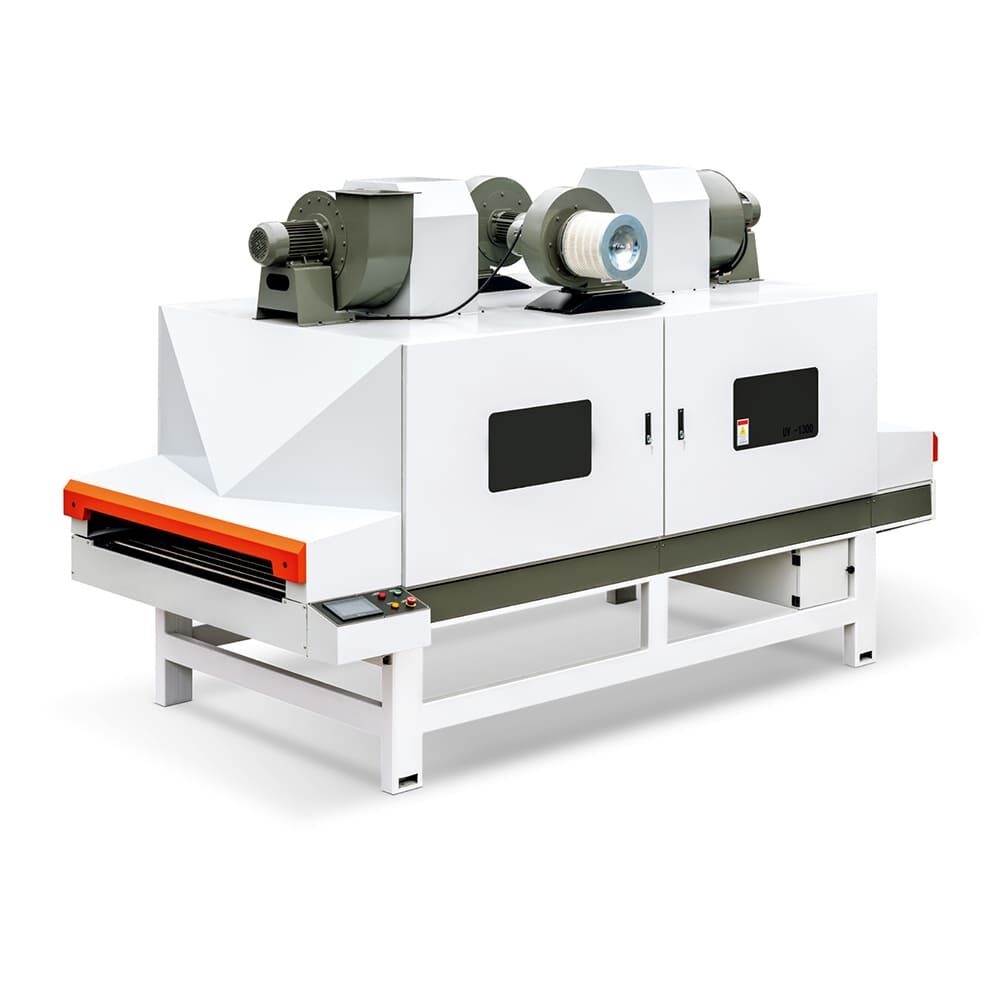
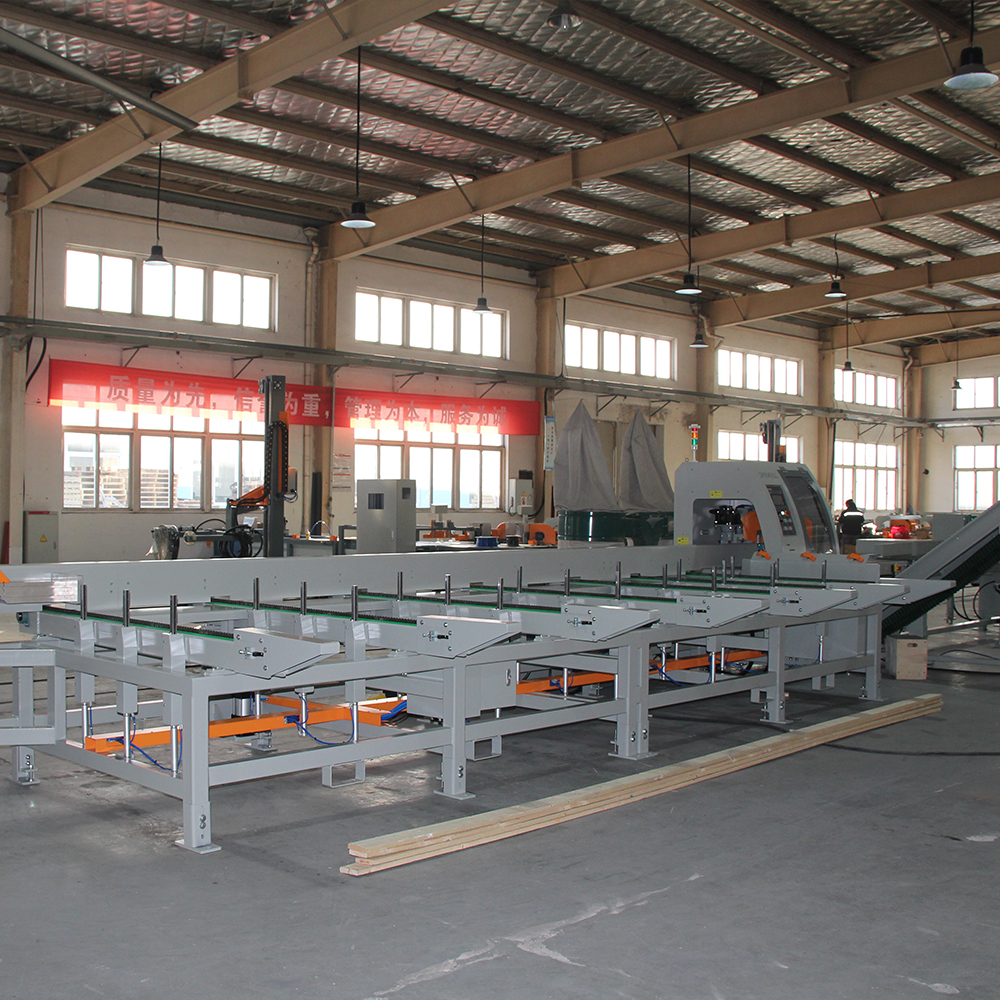
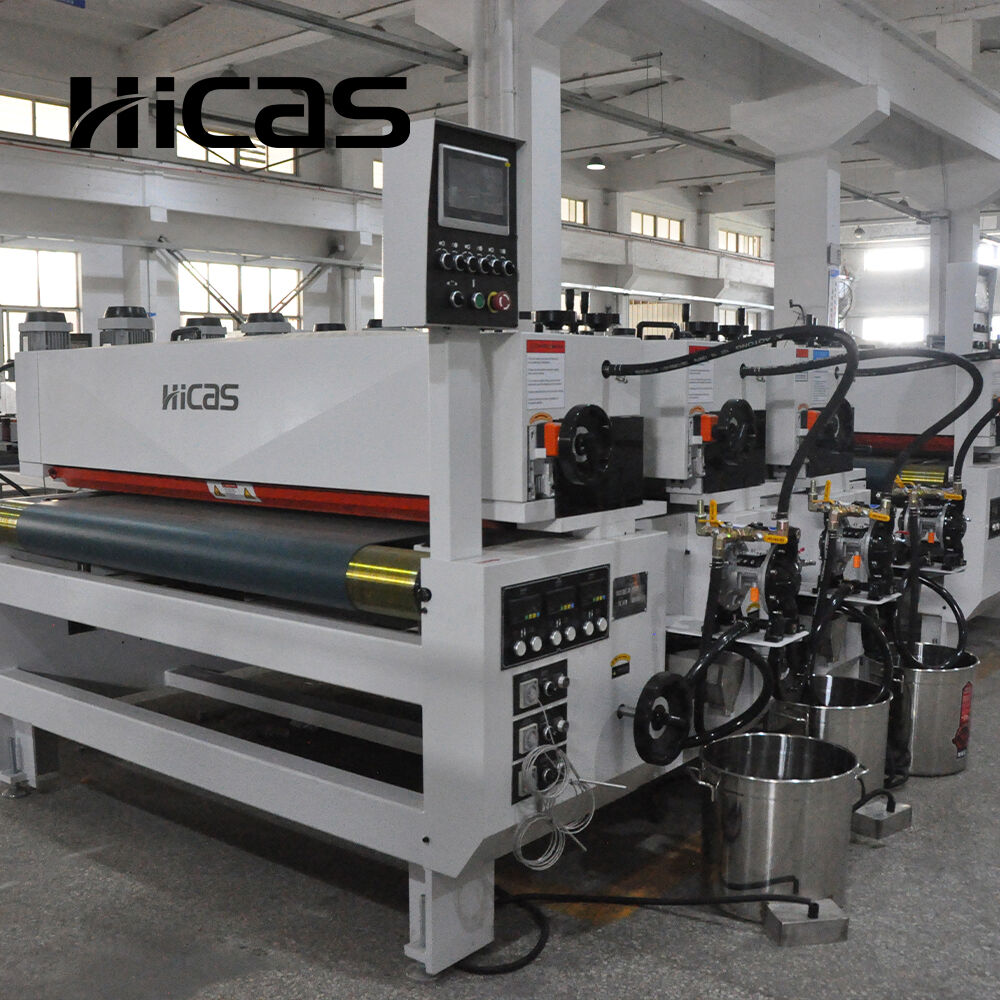
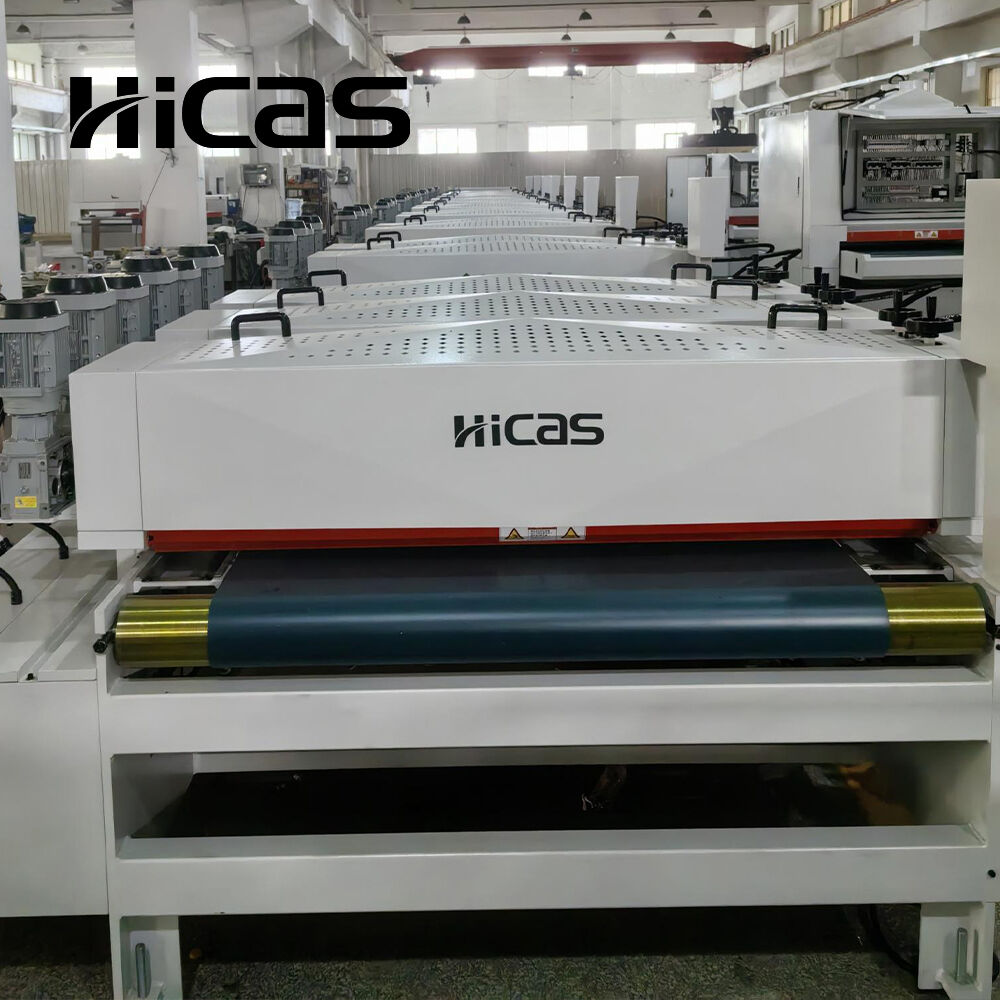
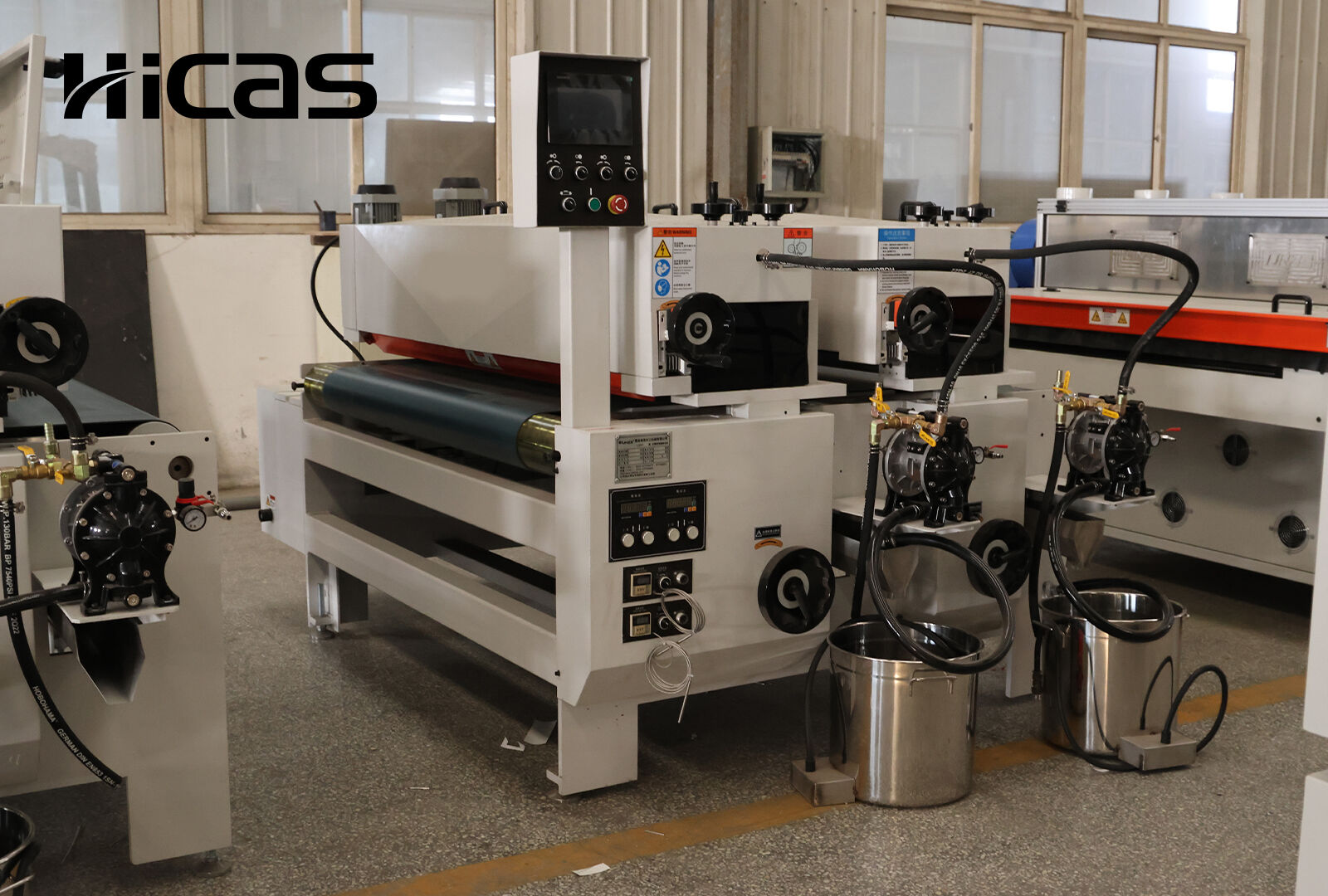
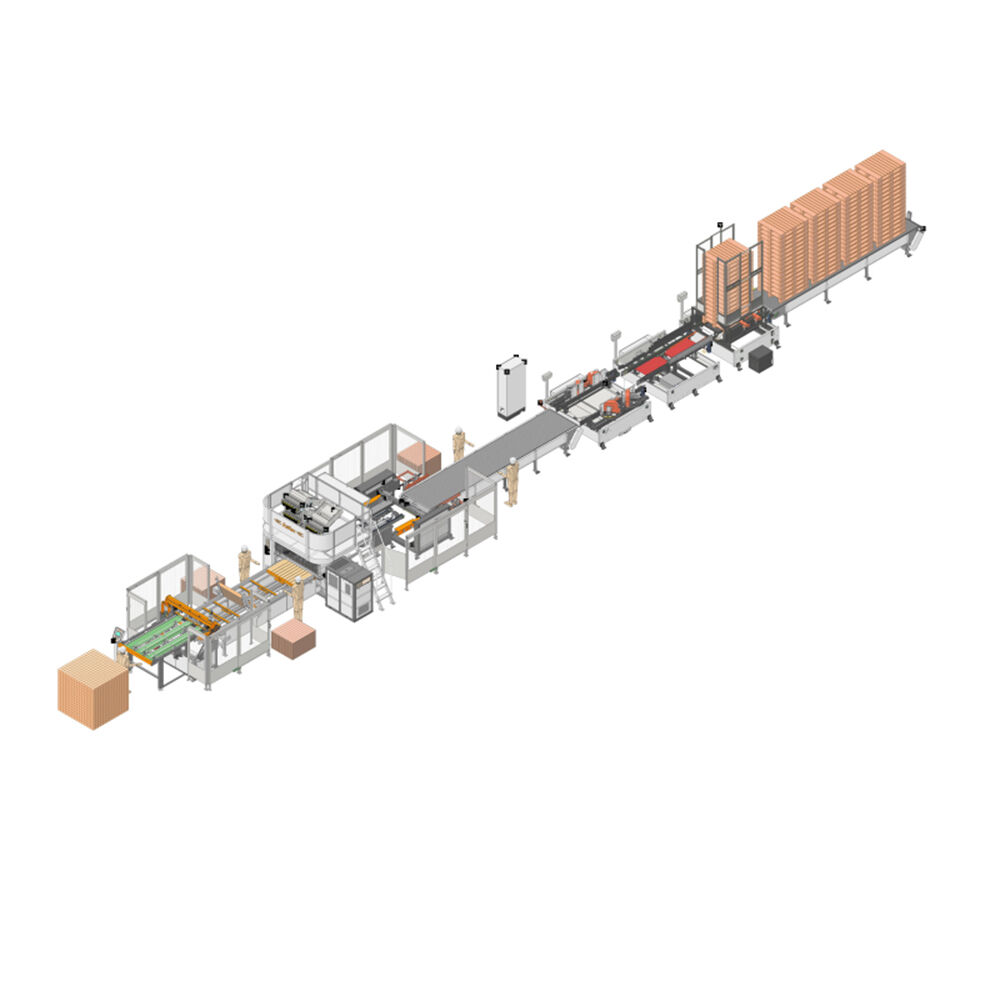
A roller coating production line is an advanced industrial system designed to apply uniform coatings onto flat or profiled materials such as metal sheets, wood panels, plastics, and other substrates. This automated manufacturing solution utilizes precision rollers to transfer paint, lacquer, or protective coatings evenly across material surfaces, ensuring consistent thickness and superior finish quality. The roller coating production line integrates multiple stages including material feeding, surface preparation, coating application, curing or drying, and final product handling. Modern systems incorporate computerized controls that enable operators to adjust coating parameters such as speed, viscosity, and application rate in real-time. These production lines excel at high-volume manufacturing environments where consistent quality and efficiency are paramount. Industries utilizing this technology include building materials, automotive components, household appliances, furniture manufacturing, and decorative panels. The roller coating production line significantly reduces material waste compared to traditional spray methods while delivering exceptional surface coverage. Advanced sensor technology monitors coating thickness continuously, ensuring quality standards are maintained throughout production runs. This manufacturing approach supports various coating types including primers, topcoats, protective finishes, and specialty formulations. The modular design of contemporary systems allows manufacturers to customize configurations based on specific production requirements, substrate dimensions, and coating specifications, making the roller coating production line a versatile solution for diverse industrial applications.

New Products

Investing in a roller coating production line delivers substantial operational and financial benefits that directly impact your bottom line. First, this system achieves exceptional material efficiency by minimizing coating waste through precise application control, reducing raw material costs by up to forty percent compared to conventional spray methods. The automated process ensures consistent coating thickness across every product, eliminating quality variations and reducing rejection rates significantly. Your production speed increases dramatically as the roller coating production line operates continuously at high speeds, enabling you to fulfill larger orders and shorten lead times. Labor costs decrease substantially because automated systems require fewer operators while maintaining superior output quality and volume. The enclosed coating process captures overspray and volatile organic compounds more effectively, helping your facility meet environmental regulations while creating a safer workplace. Energy consumption remains lower than alternative coating methods since the efficient transfer process requires less material heating and shorter curing times. Maintenance requirements stay minimal due to robust construction and fewer moving parts compared to complex spray systems. The roller coating production line adapts easily to different substrate materials and dimensions through adjustable roller configurations and programmable controls. This flexibility allows you to diversify your product offerings without major equipment investments. Quick changeover capabilities between coating formulations minimize downtime and maximize production efficiency. The consistent, high-quality finish enhances your product's market appeal and customer satisfaction, strengthening your competitive position. Return on investment typically occurs within two to three years through combined savings in materials, labor, energy, and reduced waste disposal costs, making the roller coating production line a financially sound decision for manufacturers seeking sustainable growth.

Latest News

Choosing Between Entry-Level and High-Speed Wooden Pallet Making Machines

26

Feb

Choosing Between Entry-Level and High-Speed Wooden Pallet Making Machines

Production Volume Requirements: Matching Output to Wooden Pallet Making Machine Capability Cycle Time, Pallets per Shift, and Scalability Thresholds The amount of pallets being produced on a regular basis really makes all the difference when decid...
View More
Automatic Wood Cutting Systems for Pallet Manufacturing: Accuracy and Speed

28

Feb

Automatic Wood Cutting Systems for Pallet Manufacturing: Accuracy and Speed

Achieving Sub-3mm Crosscut Accuracy with Automatic Wood Cutting Systems Laser Calibration and Real-Time Blade Deflection Compensation Today's automatic wood cutting machines can hit under 1.5mm accuracy on crosscuts thanks to laser calibration ...
View More
How Automated Painting Lines Enhance Efficiency in Furniture Production

27

Mar

How Automated Painting Lines Enhance Efficiency in Furniture Production

Accelerating Production Throughput with Automatic Painting Lines Robotic Spray Arms and Synchronized Conveyance Boost Cycle Speed Today's automated spray painting systems combine robotic arms with smart conveyor technology to boost furniture manuf...
View More
Common Faults and Troubleshooting Methods for the SF9026 Nail-Drilling Production Line

18

Jun

Common Faults and Troubleshooting Methods for the SF9026 Nail-Drilling Production Line

1.Position deviation of the nail placement A: The nail placement is not at the center of the crossbeam - adjust the position of the nail gun B: The nails are overall off-center - adjust the "probe offset" value in the nail placement parameters ...
View More

Get a Free Quote

Our representative will contact you soon.
Email
Mobile
Name
Company Name
Message
0/1000

roller coating production line

Precision Coating Control Technology

Precision Coating Control Technology

The roller coating production line incorporates sophisticated control systems that deliver unmatched precision in coating application. Advanced servo motors regulate roller speed and pressure with microscopic accuracy, ensuring uniform film thickness across the entire substrate surface regardless of material variations. Digital monitoring systems continuously measure coating weight and viscosity, automatically adjusting parameters to maintain optimal application conditions. This precision technology eliminates common defects such as streaking, orange peel, and uneven coverage that plague manual or less advanced coating methods. Operators can program multiple coating profiles into the system memory, enabling rapid switching between different product specifications without manual recalibration. The closed-loop feedback mechanism detects and corrects deviations instantly, maintaining consistent quality throughout extended production runs. This level of control proves especially valuable when working with expensive specialty coatings where waste directly impacts profitability. The precision capabilities of the roller coating production line also enable ultra-thin coating applications that reduce material costs while meeting performance specifications, providing a significant competitive advantage in cost-sensitive markets.
Versatile Multi-Substrate Capability

Versatile Multi-Substrate Capability

Modern roller coating production line systems demonstrate remarkable versatility in handling diverse substrate materials and coating formulations. The adjustable roller configuration accommodates materials ranging from thin flexible films to rigid panels up to fifty millimeters thick, with widths extending beyond three meters in industrial models. Quick-change roller systems enable manufacturers to switch between different surface textures and coating types within minutes rather than hours required by alternative technologies. The production line processes various materials including galvanized steel, aluminum, wood composites, medium-density fiberboard, plastics, and engineered materials without requiring extensive reconfiguration. Temperature-controlled rollers maintain optimal coating viscosity for different formulation types including water-based, solvent-based, UV-curable, and powder coatings. This multi-substrate capability allows manufacturers to serve multiple market segments with a single investment, maximizing equipment utilization and return on capital. The roller coating production line supports both decorative and functional coatings, from aesthetic finishes for architectural panels to protective barriers for industrial components. This flexibility proves invaluable for manufacturers seeking to adapt quickly to changing market demands and customer requirements without major capital expenditures.
Integrated Environmental Protection

Integrated Environmental Protection

Environmental responsibility and regulatory compliance are built into the roller coating production line design through integrated pollution prevention features. The enclosed coating chamber captures volatile organic compounds and coating overspray with efficiency rates exceeding ninety-five percent, far superior to open spray booth systems. Advanced filtration systems recover excess coating material for reuse, minimizing hazardous waste generation and disposal costs. The precise application method itself reduces overall coating consumption, decreasing the environmental footprint of your manufacturing operation. Energy-efficient curing systems utilize infrared or ultraviolet technology that consumes substantially less power than traditional convection ovens while achieving faster cure times. Solvent recovery systems can be integrated into the roller coating production line to reclaim and purify solvents for reuse, further reducing environmental impact and operating costs. The sealed design protects workers from exposure to coating fumes and chemicals, improving workplace safety and reducing health-related liabilities. Noise levels remain significantly lower than spray systems, creating a more comfortable production environment. These environmental features help manufacturers meet increasingly stringent regulations while demonstrating corporate social responsibility to customers and stakeholders who prioritize sustainability in their supply chain decisions.