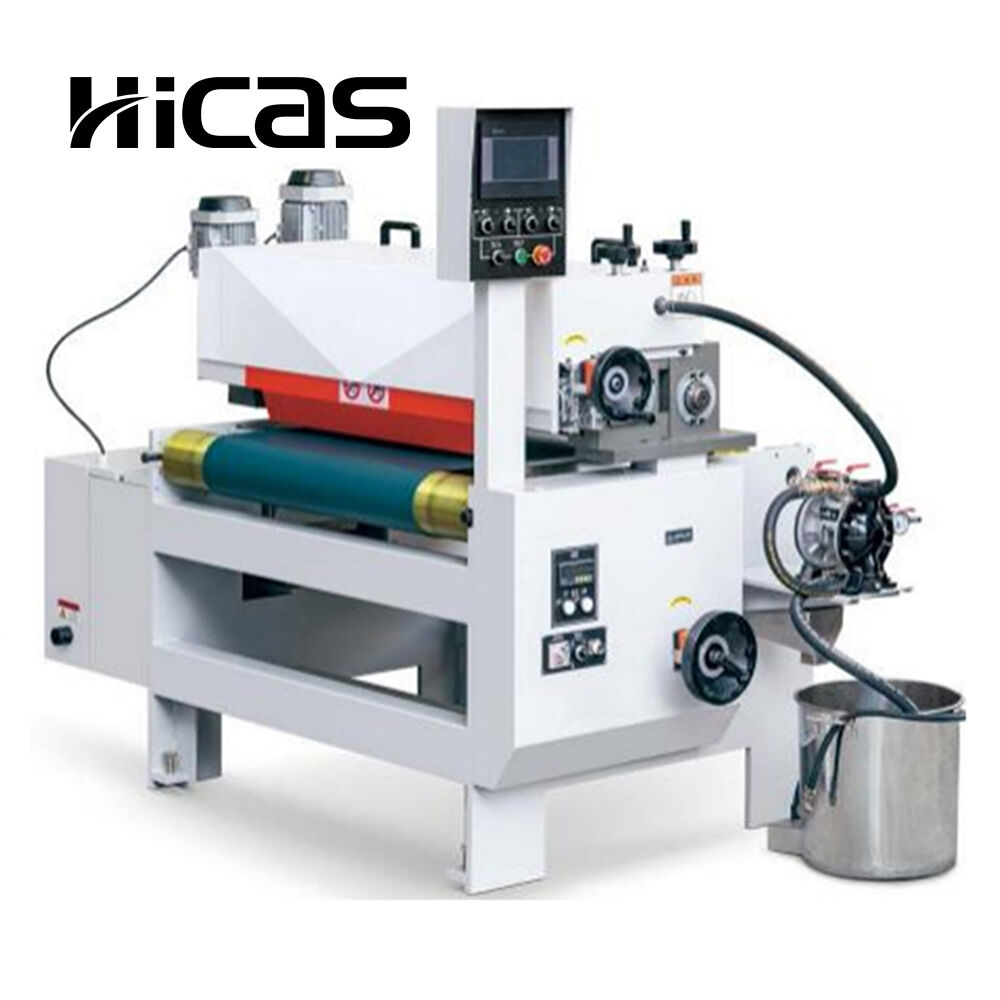
Industrial Roller Coater - Precision Coating

L
O
A
D
I
N
G

Get a Free Quote

Our representative will contact you soon.
Email
Mobile
Name
Company Name
Message
0/1000

industrial roller coater

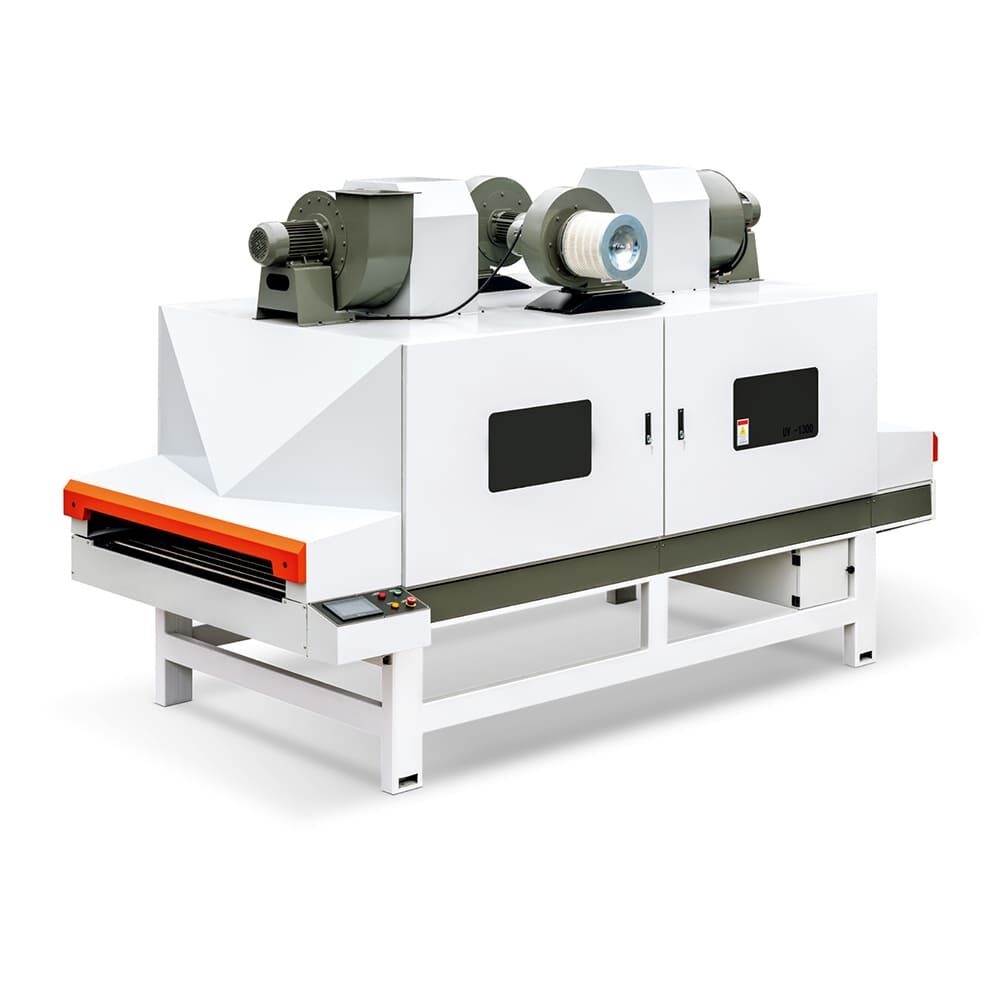
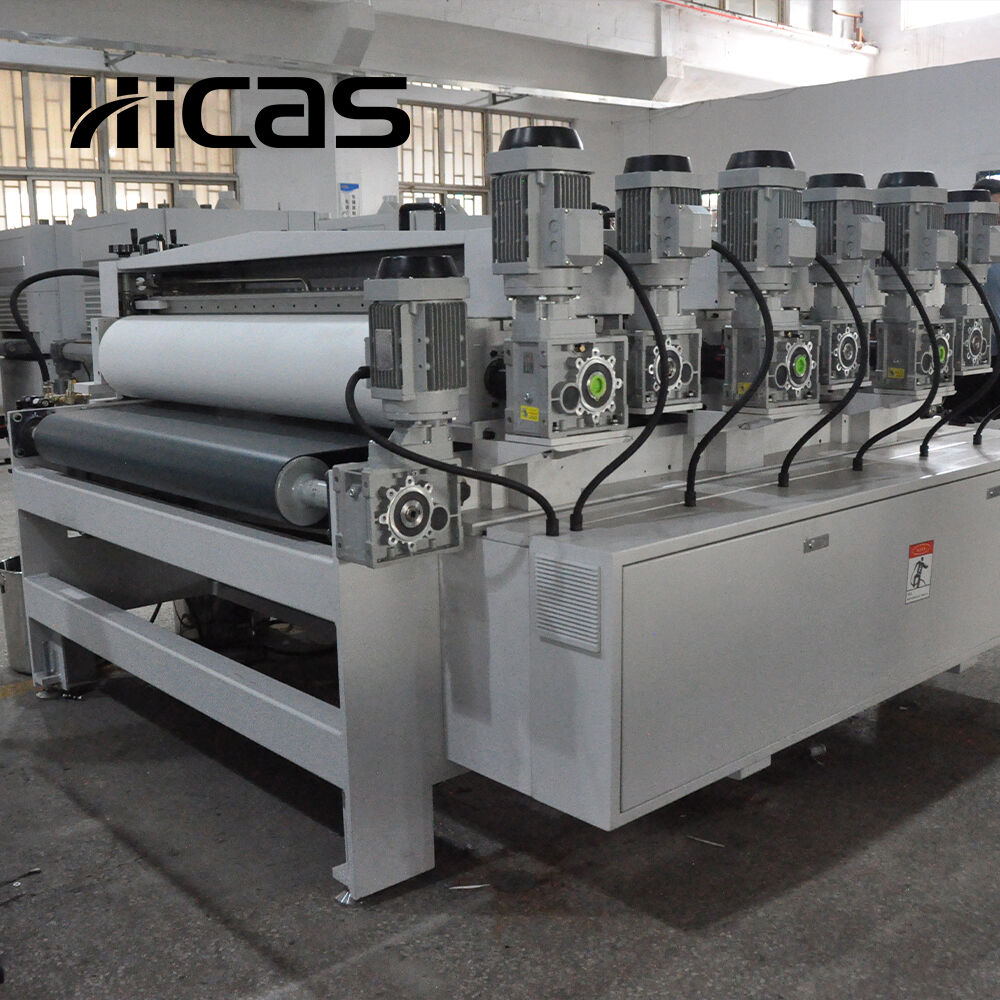
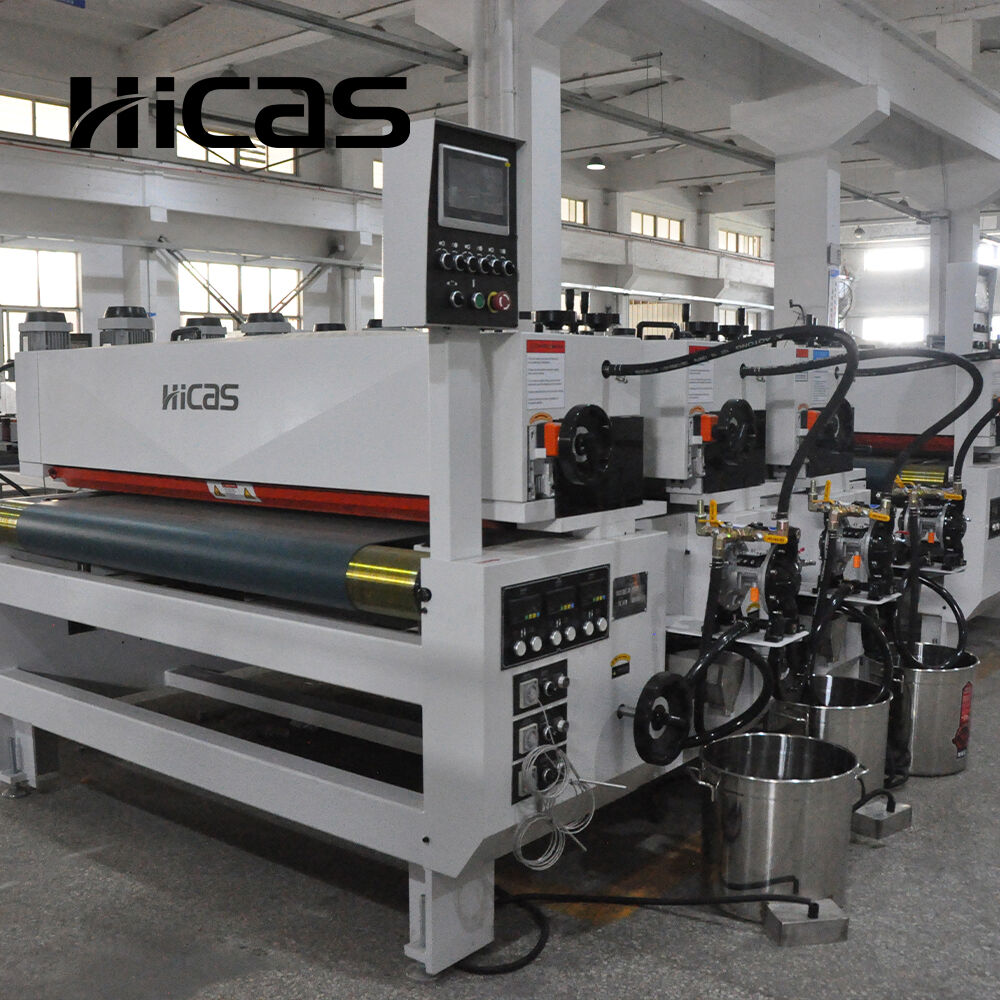
An industrial roller coater is a sophisticated coating application system designed to apply uniform layers of paint, adhesive, or other liquid materials onto flat surfaces with exceptional precision and consistency. This advanced equipment utilizes a series of precisely engineered rollers that transfer coating materials from a reservoir onto substrates as they pass through the machine at controlled speeds. The industrial roller coater operates through a metering system that regulates the exact amount of material applied, ensuring consistent film thickness across the entire surface area. These machines are engineered to handle high-volume production requirements while maintaining superior quality standards throughout continuous operation. The technology features adjustable roller configurations, precise gap controls, and temperature management systems that accommodate various coating viscosities and material characteristics. Modern industrial roller coater systems integrate automated controls that allow operators to fine-tune application parameters including roller speed, pressure settings, and material flow rates. The equipment design facilitates easy maintenance access and quick material changeovers, minimizing downtime during production transitions. Applications span multiple industries including furniture manufacturing, metal fabrication, wood processing, textile treatment, and automotive component production. The industrial roller coater delivers exceptional coating uniformity that surpasses traditional spray methods while significantly reducing material waste and environmental emissions. This coating technology proves particularly valuable for flat panel processing, continuous web materials, and large-format substrates requiring consistent surface treatment across extended production runs.

New Product Releases

The industrial roller coater delivers substantial cost savings by maximizing material transfer efficiency, typically achieving 90-98 percent utilization rates compared to 40-60 percent with conventional spray systems. This efficiency translates directly into reduced material purchases and lower disposal costs for unused coatings. Operational consistency represents another significant advantage, as the roller application method eliminates common issues like overspray, drips, and uneven coverage that plague manual application techniques. Your production quality improves dramatically because each substrate receives identical coating thickness, ensuring uniform appearance and performance characteristics across every finished piece. The system reduces labor requirements substantially since one operator can monitor automated coating operations that would otherwise require multiple workers using hand application methods. Environmental benefits extend beyond material savings, as the enclosed application process minimizes volatile organic compound emissions and eliminates airborne particulates associated with spray booths. Energy consumption decreases compared to spray systems because industrial roller coater equipment requires no high-pressure pumps or extensive ventilation infrastructure. Maintenance demands remain minimal due to simple mechanical design with fewer components subject to wear or clogging. Production speed increases significantly as continuous feeding systems process materials faster than batch-oriented coating methods. The industrial roller coater adapts easily to various substrate types and coating formulations through simple roller changes and parameter adjustments. Quality control becomes more predictable because consistent application eliminates variables that cause defects in manual processes. Your facility footprint requirements decrease since compact industrial roller coater designs occupy less floor space than comparable spray booth installations, allowing better utilization of manufacturing areas while delivering superior coating results across diverse production applications.

Tips And Tricks

Choosing Between Entry-Level and High-Speed Wooden Pallet Making Machines

26

Feb

Choosing Between Entry-Level and High-Speed Wooden Pallet Making Machines

Production Volume Requirements: Matching Output to Wooden Pallet Making Machine Capability Cycle Time, Pallets per Shift, and Scalability Thresholds The amount of pallets being produced on a regular basis really makes all the difference when decid...
View More
How to Start a Wooden Pallet Factory with an Automatic Pallet Making Machine

28

Feb

How to Start a Wooden Pallet Factory with an Automatic Pallet Making Machine

Why an Automatic Pallet Making Machine Is the Strategic Core of Your FactoryKey capabilities: High-precision nailing, automated assembly, and consistent surface finishingWhen factories bring in automatic pallet making machines, they're basically...
View More
How Automated Painting Lines Enhance Efficiency in Furniture Production

27

Mar

How Automated Painting Lines Enhance Efficiency in Furniture Production

Accelerating Production Throughput with Automatic Painting Lines Robotic Spray Arms and Synchronized Conveyance Boost Cycle Speed Today's automated spray painting systems combine robotic arms with smart conveyor technology to boost furniture manuf...
View More
Common Faults and Troubleshooting Methods for the SF9026 Nail-Drilling Production Line

18

Jun

Common Faults and Troubleshooting Methods for the SF9026 Nail-Drilling Production Line

1.Position deviation of the nail placement A: The nail placement is not at the center of the crossbeam - adjust the position of the nail gun B: The nails are overall off-center - adjust the "probe offset" value in the nail placement parameters ...
View More

Get a Free Quote

Our representative will contact you soon.
Email
Mobile
Name
Company Name
Message
0/1000

industrial roller coater

Precision Metering Technology for Superior Coating Control

Precision Metering Technology for Superior Coating Control

The industrial roller coater incorporates advanced metering systems that deliver unmatched precision in controlling coating thickness across substrate surfaces. This technology employs precisely machined rollers with micrometer-level gap adjustments that determine exact material transfer rates. The metering mechanism ensures that coating weight remains consistent within tight tolerances, eliminating the thickness variations common in spray or brush applications. Adjustable doctor blades or reverse-roll configurations remove excess material before substrate contact, preventing buildup and ensuring smooth finishes. This precision control allows manufacturers to minimize coating usage while meeting exact specification requirements for protective properties, appearance standards, and performance characteristics. The system accommodates coating viscosities ranging from water-thin solutions to heavy-bodied adhesives through roller surface modifications and speed adjustments. Temperature control features maintain optimal material flow properties throughout extended production runs. Digital monitoring displays provide real-time feedback on coating parameters, enabling immediate adjustments when conditions change. This metering precision directly impacts product quality consistency and reduces reject rates by eliminating under-coated or over-coated pieces that fail quality inspections, ultimately improving profitability through better material utilization and higher first-pass yields.
Versatile Application Capability Across Multiple Industries

Versatile Application Capability Across Multiple Industries

The industrial roller coater demonstrates remarkable versatility in handling diverse coating materials and substrate types across manufacturing sectors. Furniture manufacturers utilize these systems to apply stains, sealers, and topcoats onto wood panels, achieving consistent color depth and protective film formation. Metal fabricators rely on industrial roller coater equipment to apply primers, corrosion inhibitors, and decorative finishes onto steel and aluminum components destined for architectural and automotive applications. Textile producers employ roller coating technology to apply waterproofing compounds, flame retardants, and decorative patterns onto fabric materials. Electronics manufacturers use precision roller coaters to apply solder masks, adhesives, and protective coatings onto circuit board assemblies. The equipment handles water-based, solvent-based, UV-curable, and high-solids coating formulations equally well through appropriate roller material selection and system configuration. Substrate compatibility extends from delicate papers and films to rigid panels and continuous metal coils. Quick-change roller cartridges enable rapid transitions between different coating types or colors, supporting flexible manufacturing schedules. This application versatility makes the industrial roller coater an invaluable investment for operations requiring multiple coating processes or anticipating future product line expansions that demand different surface treatment capabilities.
Automated Operation Enhancing Productivity and Safety

Automated Operation Enhancing Productivity and Safety

Modern industrial roller coater systems feature comprehensive automation that transforms coating operations from labor-intensive manual processes into efficient, operator-supervised production lines. Programmable logic controllers store multiple recipe parameters including roller speeds, gap settings, material flow rates, and drying temperatures, enabling one-touch changeovers between different products. Automated feeding mechanisms present substrates to coating rollers at precisely controlled intervals, maintaining consistent production throughput without manual handling. Integrated sensors monitor coating weight, detect substrate positioning, and verify proper material levels, automatically adjusting system parameters to maintain optimal conditions. Touch-screen interfaces simplify operation by providing intuitive controls and real-time production data visualization. Safety interlocks prevent equipment operation when access panels open or emergency stops activate, protecting workers from moving components and chemical exposure. Automated cleaning cycles flush coating materials from roller surfaces during changeovers, reducing manual cleaning time and chemical exposure risks. Remote diagnostic capabilities allow technical support personnel to troubleshoot issues without on-site visits, minimizing downtime. The industrial roller coater automation reduces training requirements since standardized procedures replace specialized manual skills. Production data logging provides quality traceability and process documentation supporting certification requirements. This automation investment delivers rapid return through increased output capacity, reduced labor costs, improved workplace safety, and enhanced production consistency that elevates overall manufacturing competitiveness.