Wide Belt Sander Price Guide & Value Analysis

L
O
A
D
I
N
G

Get a Free Quote

Our representative will contact you soon.
Email
Mobile
Name
Company Name
Message
0/1000

wide belt sander price

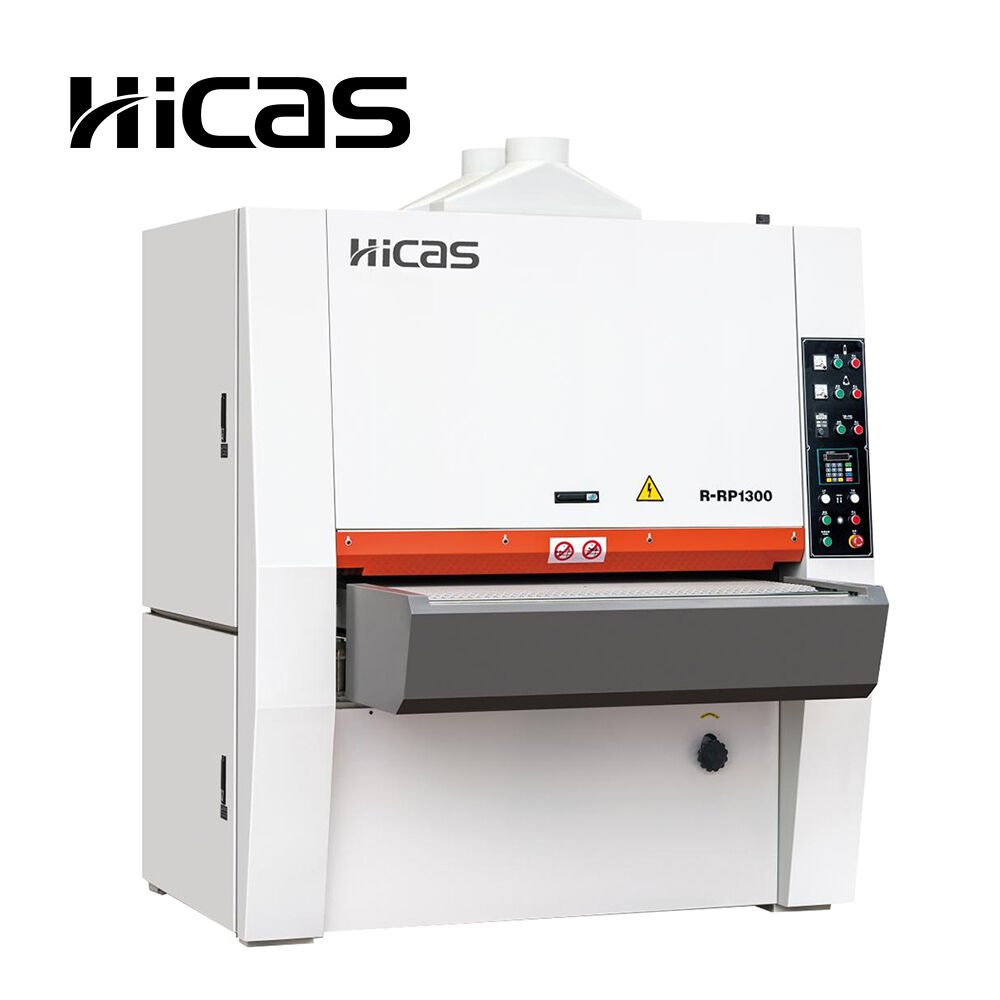
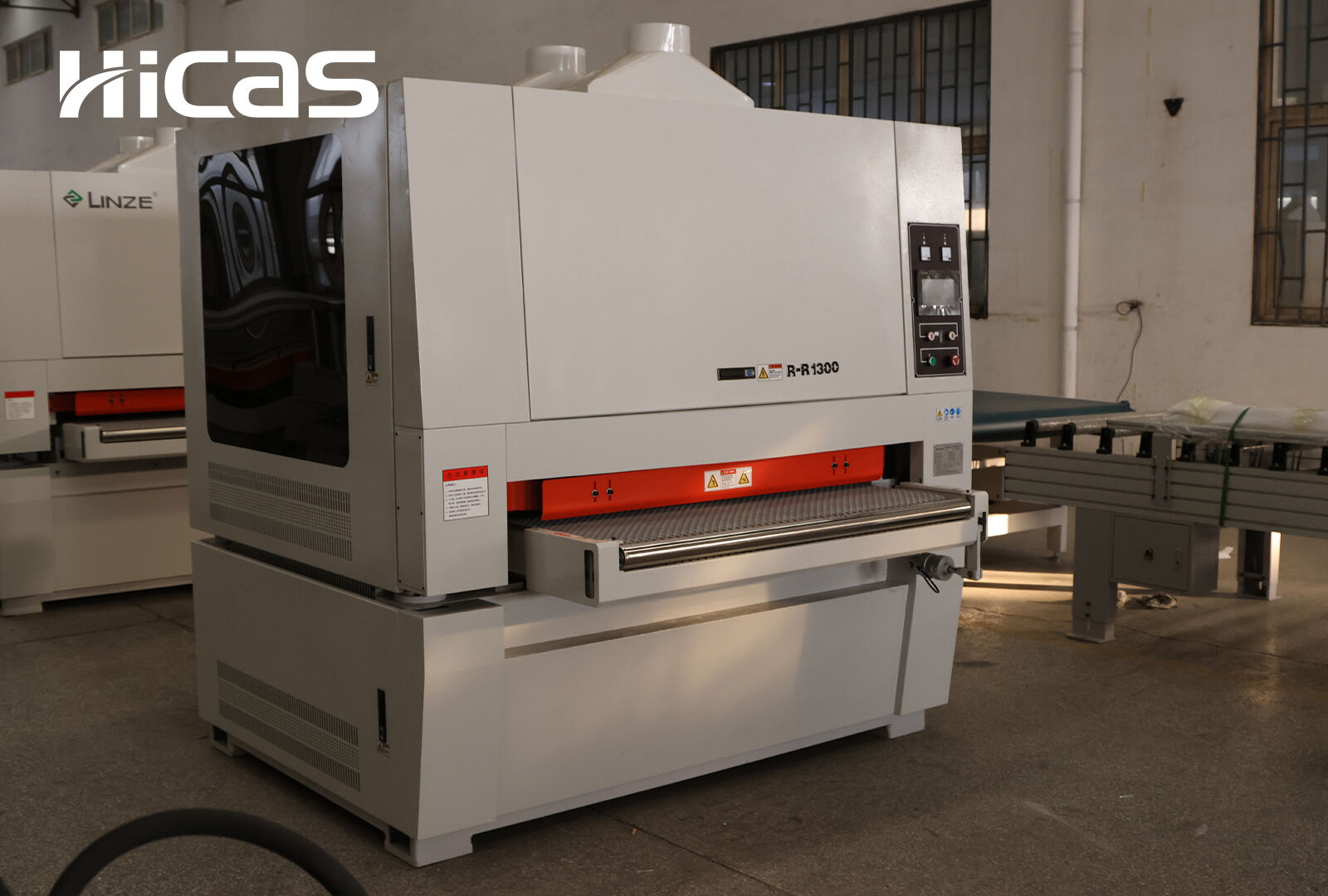
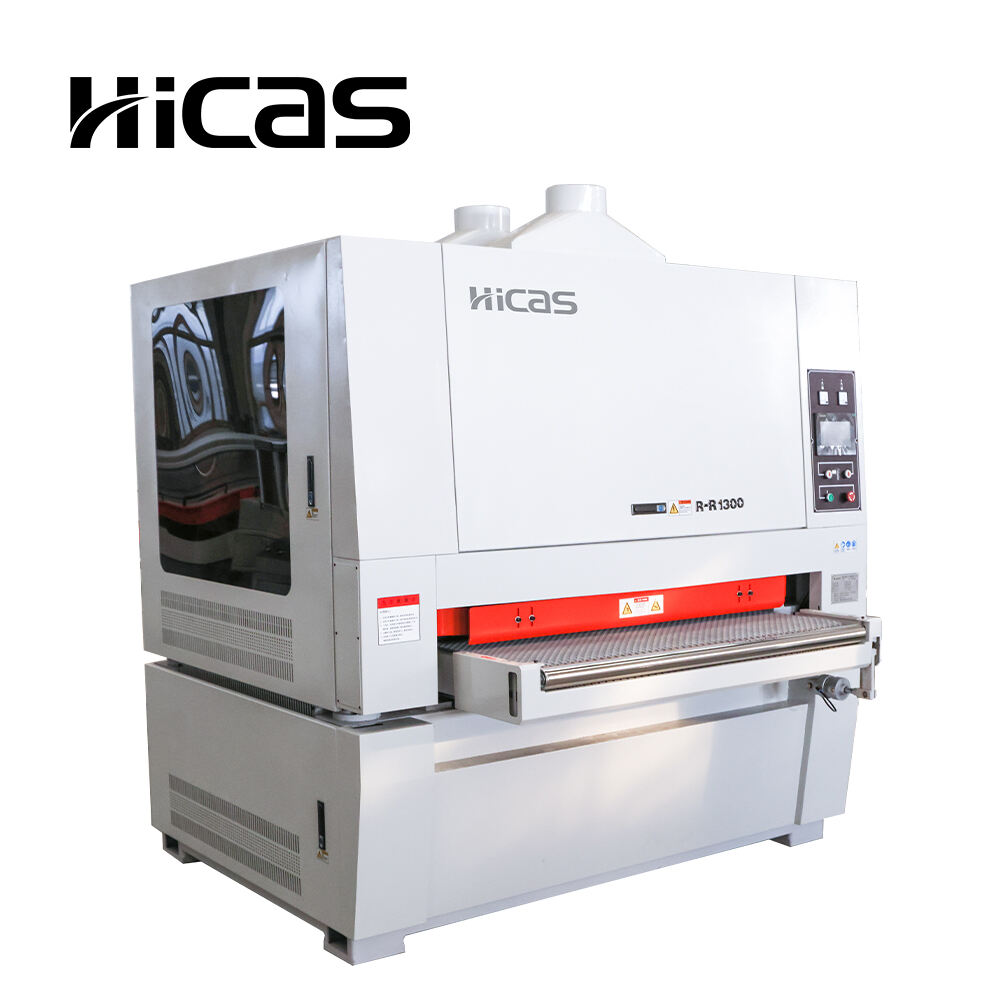
Understanding wide belt sander price is essential for woodworking professionals and manufacturers seeking efficient surface finishing solutions. A wide belt sander is an industrial-grade machine designed to sand, smooth, and finish large wooden panels, boards, and composite materials with precision and consistency. The wide belt sander price typically ranges from $3,000 for entry-level models to over $50,000 for advanced industrial systems, depending on specifications and capabilities. These machines feature powerful motors, adjustable conveyor systems, and multiple sanding heads that deliver uniform results across wide surfaces. The primary functions include thickness calibration, surface smoothing, edge finishing, and material preparation for coating or lamination. Technological features often encompass digital controls for precise depth adjustment, variable speed conveyors for different materials, dust collection systems for clean operation, and multi-stage sanding capabilities. Applications span furniture manufacturing, cabinet production, flooring preparation, door manufacturing, and architectural millwork. When evaluating wide belt sander price, buyers should consider belt width ranging from 25 to 60 inches, horsepower ratings between 5 to 50 HP, and feed speeds that accommodate production requirements. Premium models incorporate programmable logic controllers, automatic belt tracking systems, and segmented pressure shoes for optimal contact distribution. The investment in understanding wide belt sander price ensures manufacturers select equipment matching their production volume, material types, and quality standards while maximizing operational efficiency and return on investment.

Popular Products

Evaluating wide belt sander price delivers significant advantages for businesses planning equipment investments. First, comparing wide belt sander price across different manufacturers helps identify the best value proposition matching your production needs and budget constraints. This cost awareness prevents overspending on unnecessary features while ensuring essential capabilities remain intact. Second, understanding the relationship between wide belt sander price and machine specifications enables informed decision-making regarding motor power, belt width, and automation levels required for your specific applications. Buyers gain clarity on how pricing correlates with build quality, component durability, and expected service life. Third, researching wide belt sander price reveals operational benefits including reduced labor costs through automation, improved surface quality consistency, faster production cycles, and decreased material waste from precise thickness control. These operational efficiencies translate directly into profitability improvements and competitive advantages. Fourth, knowledge of wide belt sander price helps businesses evaluate financing options, calculate return on investment timelines, and justify capital expenditures to stakeholders with concrete financial data. Fifth, price awareness facilitates better negotiations with suppliers and dealers, potentially unlocking volume discounts, extended warranties, or bundled training packages. Sixth, understanding market pricing prevents purchasing outdated technology at inflated costs while identifying emerging models offering superior performance at competitive rates. Finally, comprehensive wide belt sander price research ensures application suitability by matching machine capabilities with material types, production volumes, and finish quality requirements, preventing costly mismatches between equipment capabilities and operational demands that could compromise product quality or production efficiency.

Practical Tips

How to Start a Wooden Pallet Factory with an Automatic Pallet Making Machine

28

Feb

How to Start a Wooden Pallet Factory with an Automatic Pallet Making Machine

Why an Automatic Pallet Making Machine Is the Strategic Core of Your FactoryKey capabilities: High-precision nailing, automated assembly, and consistent surface finishingWhen factories bring in automatic pallet making machines, they're basically...
View More
Production Capacity Planning for Wooden Pallet Making Machines

28

Feb

Production Capacity Planning for Wooden Pallet Making Machines

Core Capacity Concepts for Wooden Pallet Making MachinesDesign, Effective, and Actual Capacity in Pallet ManufacturingCapacity planning begins with understanding three critical concepts:Design capacity: The theoretical maximum output of machinery und...
View More
How Pallet Stacking Systems Improve Warehouse Efficiency in Pallet Factories

28

Feb

How Pallet Stacking Systems Improve Warehouse Efficiency in Pallet Factories

Maximizing Vertical Space with Pallet Stacking Systems Overcoming Floor-Based Storage Limitations Through Height-Optimized Racking Most warehouses end up wasting around two thirds of their total space when they rely on traditional floor storage metho...
View More
Automatic Wood Cutting Systems for Pallet Manufacturing: Accuracy and Speed

28

Feb

Automatic Wood Cutting Systems for Pallet Manufacturing: Accuracy and Speed

Achieving Sub-3mm Crosscut Accuracy with Automatic Wood Cutting Systems Laser Calibration and Real-Time Blade Deflection Compensation Today's automatic wood cutting machines can hit under 1.5mm accuracy on crosscuts thanks to laser calibration ...
View More

Get a Free Quote

Our representative will contact you soon.
Email
Mobile
Name
Company Name
Message
0/1000

wide belt sander price

Investment Flexibility Across Production Scales

Investment Flexibility Across Production Scales

The wide belt sander price spectrum accommodates businesses of all sizes, from small custom woodshops to large-scale manufacturing facilities. Entry-level machines priced between $3,000 and $10,000 suit small operations processing moderate volumes with single-head configurations and manual controls. Mid-range equipment from $10,000 to $25,000 offers enhanced motor power, wider belt capacities, and semi-automated features ideal for growing businesses expanding production capabilities. Industrial-grade systems exceeding $25,000 deliver multi-head configurations, full automation, programmable controls, and heavy-duty construction for continuous high-volume operations. This pricing diversity means businesses can select equipment matching current needs while planning upgrade paths as production demands grow. Understanding where your requirements fit within the wide belt sander price range prevents under-investing in inadequate equipment or over-investing in excessive capacity. Additionally, price-conscious buyers can explore certified pre-owned equipment offering substantial savings while maintaining performance standards, making advanced sanding technology accessible to budget-constrained operations seeking competitive advantages through superior surface finishing capabilities.
Technology Features Justifying Price Variations

Technology Features Justifying Price Variations

Significant differences in wide belt sander price reflect technological advancements that directly impact operational efficiency and output quality. Higher-priced models incorporate digital control systems enabling precise adjustments to conveyor speed, sanding pressure, and abrasive positioning with repeatable accuracy. These systems store multiple programs for different materials and finish requirements, eliminating setup time between production runs. Advanced dust collection integration maintains cleaner work environments while protecting motor components from abrasive contamination, extending equipment lifespan and reducing maintenance costs. Automated belt tracking systems prevent material edge damage and reduce operator intervention, improving productivity and consistency. Segmented pressure systems distribute sanding force evenly across varying material densities and surface irregularities, producing superior flatness and finish uniformity. Premium wide belt sander price points include oscillating belt mechanisms reducing visible scratch patterns while extending abrasive life through distributed wear. Variable frequency drives provide infinite speed control matching feed rates to material characteristics and desired surface quality. When evaluating wide belt sander price differences, buyers should assess which technological features address their specific production challenges, quality standards, and efficiency goals, ensuring investment dollars translate into measurable operational improvements rather than unused capabilities.
Long-Term Value Beyond Initial Purchase Cost

Long-Term Value Beyond Initial Purchase Cost

Analyzing wide belt sander price requires looking beyond initial acquisition costs to understand total ownership value over equipment lifespan. Higher-quality machines commanding premium prices typically feature robust construction with cast iron frames, precision-machined components, and industrial-grade motors delivering decades of reliable service with minimal downtime. These durability factors reduce replacement frequency and associated capital expenditures. Energy-efficient motors and optimized dust collection systems lower ongoing operational costs compared to budget models with higher power consumption and maintenance requirements. Comprehensive warranty coverage and readily available replacement parts included with higher wide belt sander price points minimize unexpected repair expenses and production interruptions. Machines from established manufacturers often include operator training, technical support, and software updates that enhance capabilities over time without additional investment. Resale value considerations also factor into long-term financial planning, as premium equipment maintains higher residual value when upgrading or downsizing operations. Additionally, superior finish quality produced by well-engineered sanders reduces secondary finishing operations, material rejection rates, and rework costs. When properly maintained, quality equipment purchased at appropriate wide belt sander price levels delivers lower per-unit processing costs across millions of board feet, making the initial investment economically justified through cumulative savings and competitive advantages gained from consistent superior output quality.