Auto Pallet Stacker Solutions for Warehouses

L
O
A
D
I
N
G

Get a Free Quote

Our representative will contact you soon.
Email
Mobile
Name
Company Name
Message
0/1000

auto pallet stacker

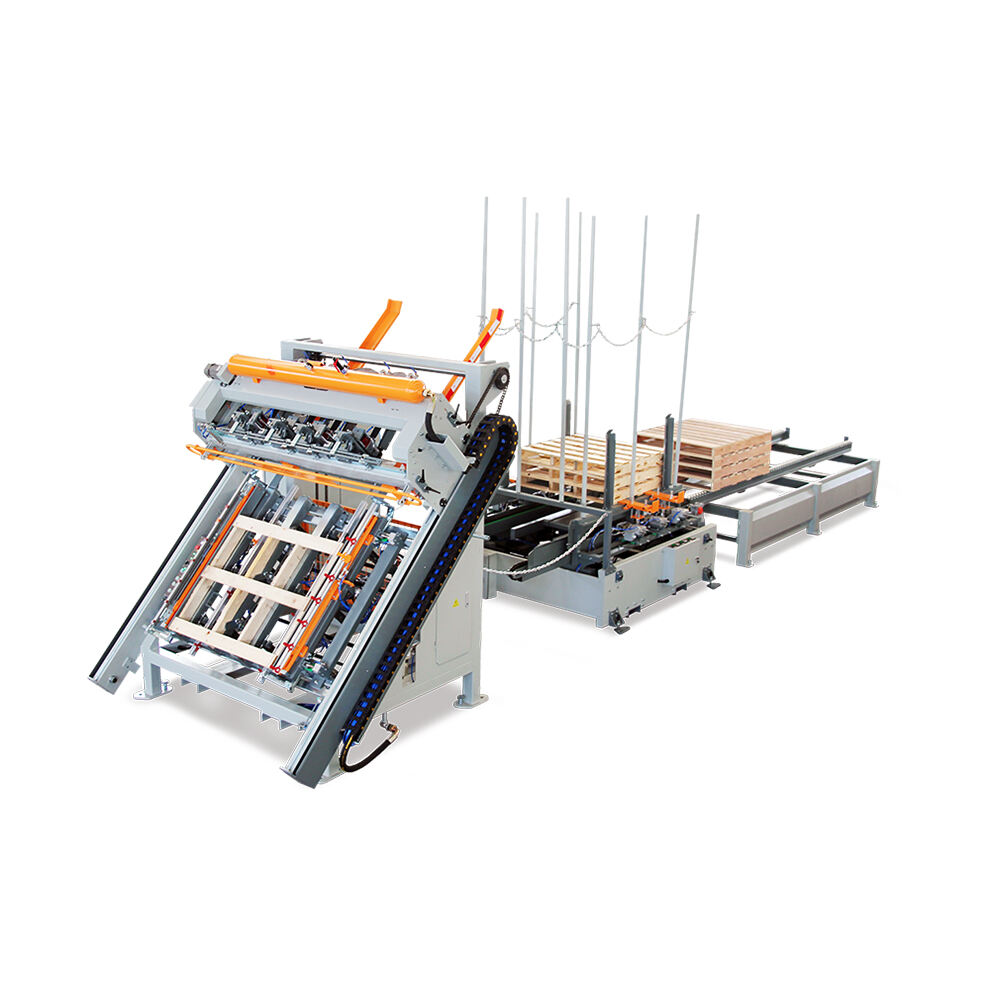
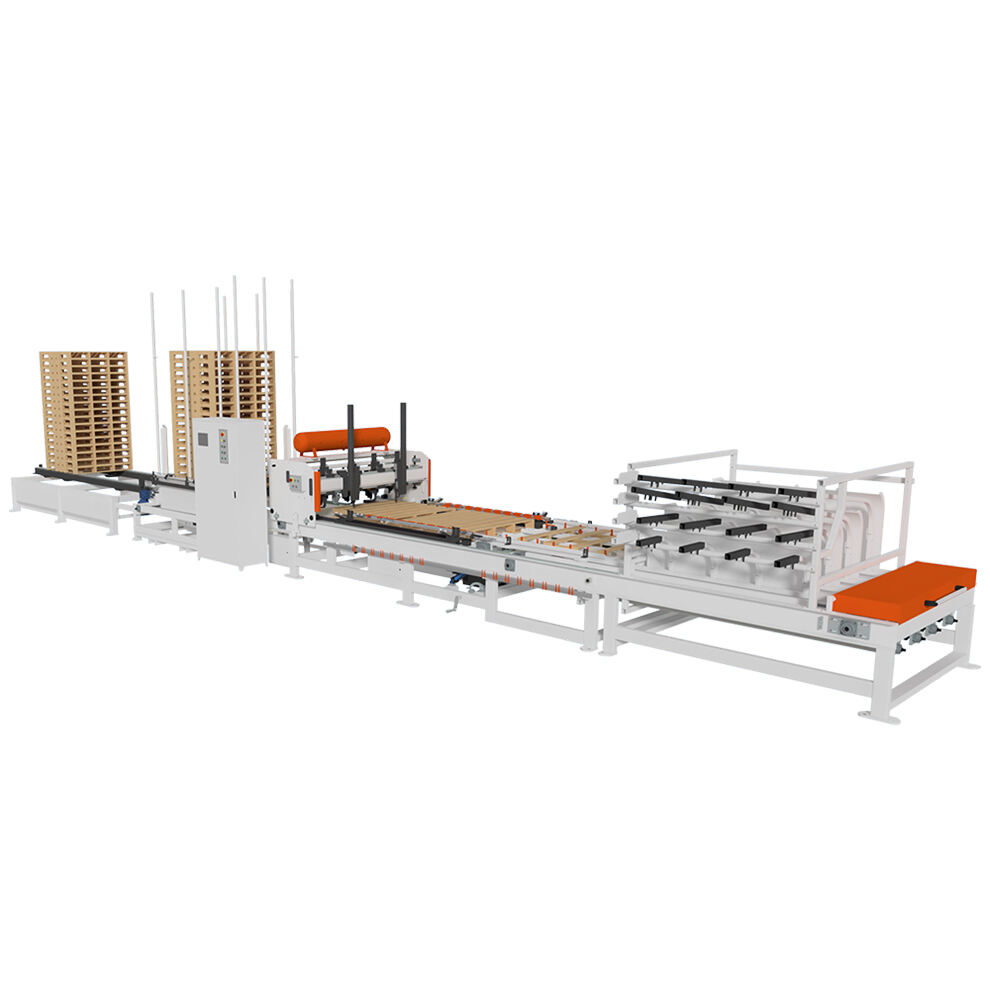
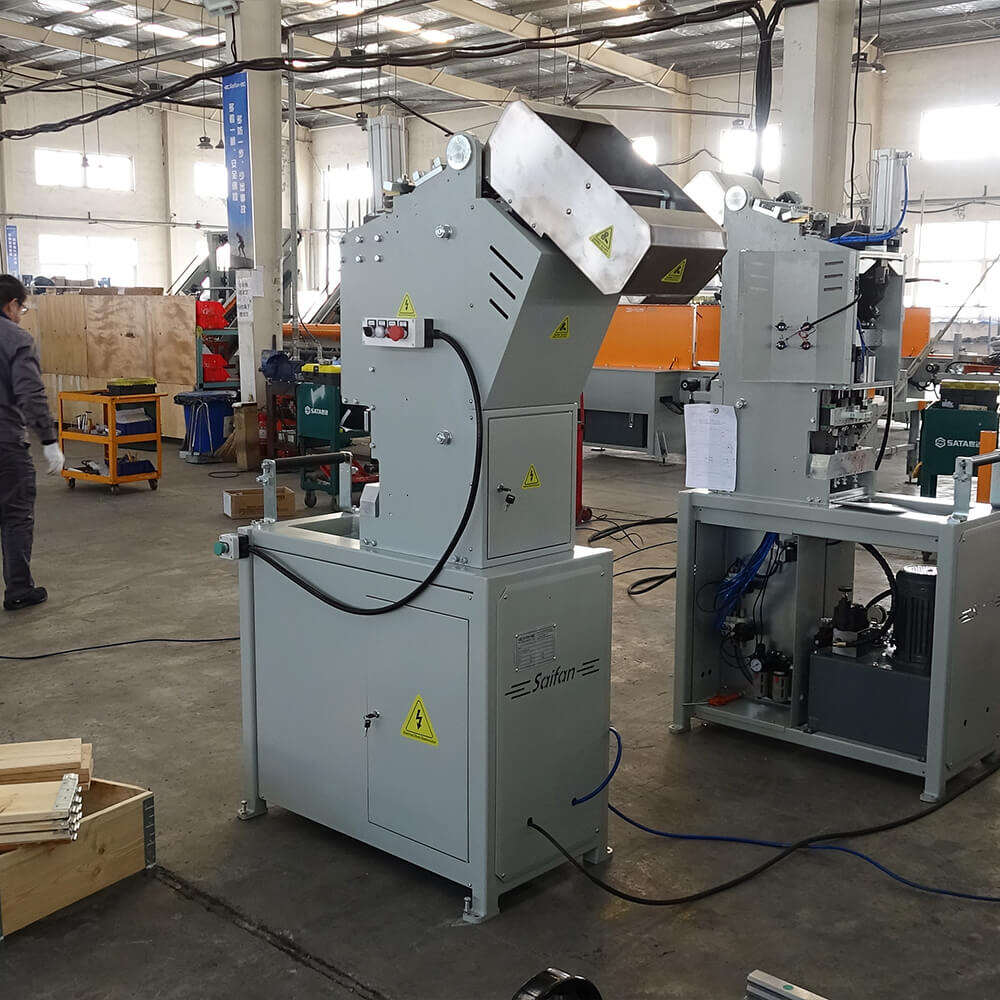
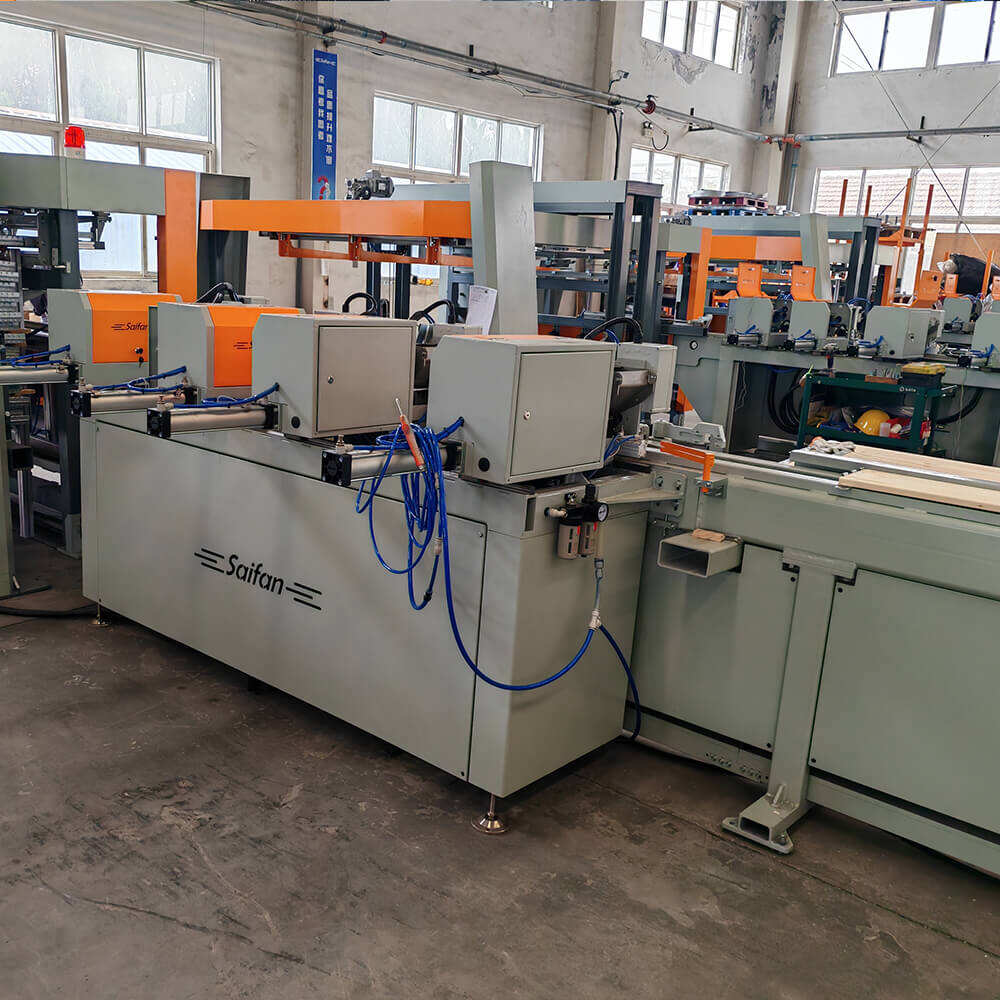
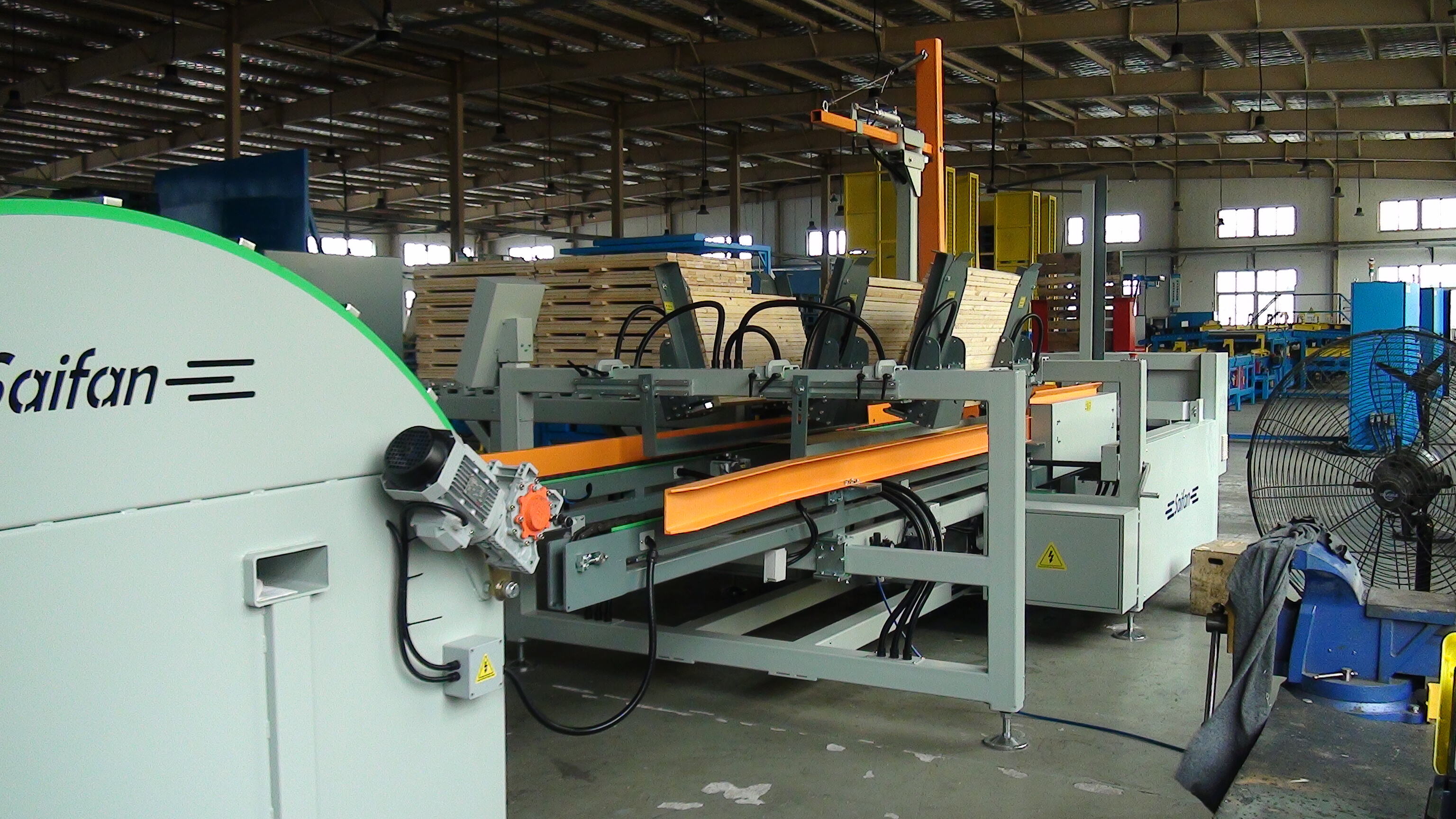
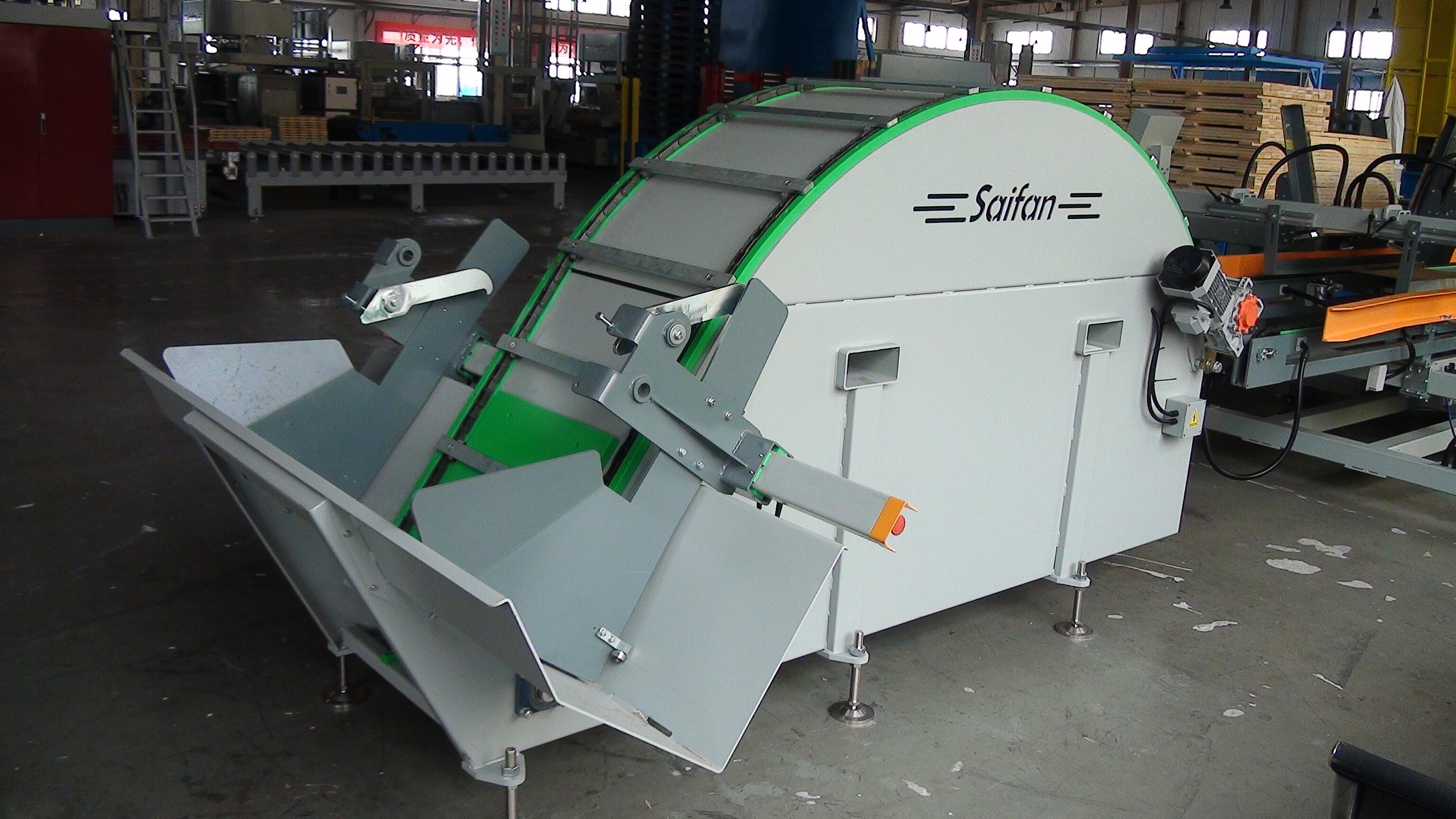
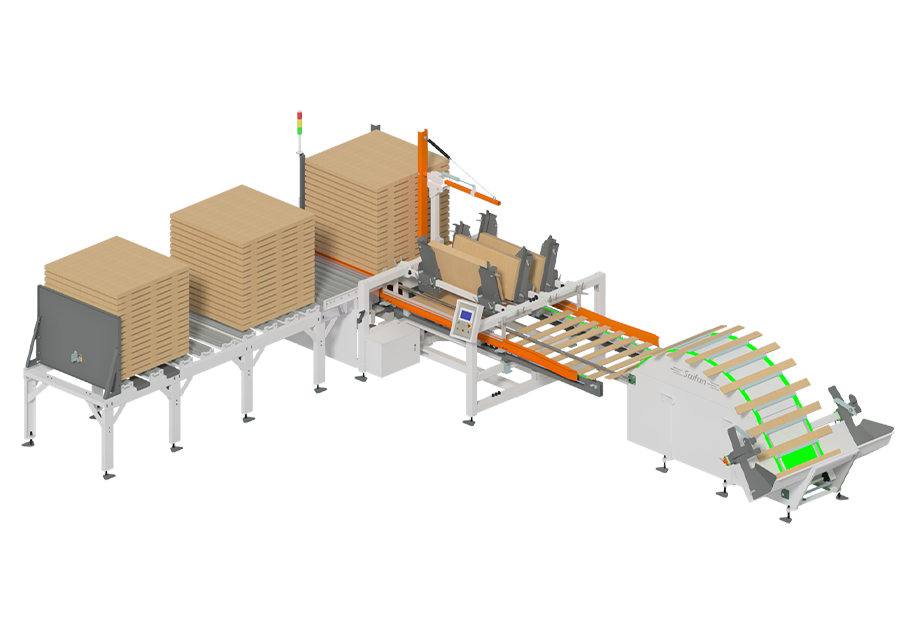
An auto pallet stacker is an advanced material handling solution designed to automate the stacking and retrieval of palletized goods in warehouses, distribution centers, and manufacturing facilities. This sophisticated equipment combines precision engineering with intelligent control systems to streamline operations and enhance productivity. The auto pallet stacker operates through automated mechanisms that lift, transport, and position pallets at various heights without requiring manual intervention. Its main functions include efficient pallet stacking, systematic storage organization, and rapid retrieval of goods, making it an essential component in modern logistics operations. Technologically, the auto pallet stacker features advanced sensor systems, programmable logic controllers, and safety mechanisms that ensure accurate positioning and collision avoidance. Many models incorporate laser guidance technology, automated fork adjustment, and integrated warehouse management system connectivity for seamless operation. The equipment typically offers variable lifting heights, adjustable fork widths, and customizable load capacities to accommodate diverse operational requirements. Applications for the auto pallet stacker span multiple industries, including food and beverage distribution, pharmaceutical storage, automotive parts warehousing, retail distribution centers, and e-commerce fulfillment operations. The system excels in high-volume environments where consistent pallet handling is required, particularly in cold storage facilities, narrow aisle warehouses, and facilities prioritizing worker safety. By automating repetitive stacking tasks, the auto pallet stacker reduces physical strain on workers while maintaining precise inventory control and maximizing vertical storage space utilization in facilities with limited floor area.

New Product Recommendations

The auto pallet stacker delivers substantial cost savings by reducing labor requirements and minimizing workplace injuries associated with manual pallet handling. Your facility can operate with fewer personnel dedicated to repetitive stacking tasks, allowing workforce reallocation to value-added activities that drive business growth. This equipment significantly decreases workers' compensation claims and associated insurance costs by eliminating physically demanding lifting and stacking operations that commonly cause back injuries and musculoskeletal disorders. Operational efficiency improves dramatically as the auto pallet stacker maintains consistent performance throughout shifts without fatigue-related slowdowns. The system processes pallets faster than manual methods, increasing throughput and enabling your facility to handle higher order volumes without expanding physical space. Precision positioning ensures optimal space utilization, allowing you to store more inventory in existing facilities by maximizing vertical storage capacity and maintaining organized, accessible stacking patterns. The auto pallet stacker adapts to various operational environments, from refrigerated warehouses to ambient temperature facilities, performing reliably in conditions challenging for human workers. Its programmable nature allows quick adjustment to changing inventory profiles and stacking requirements without extensive retraining. Decision-makers benefit from predictable operational costs, as automated systems require planned maintenance rather than unpredictable labor expenses and overtime charges during peak periods. The technology provides data tracking capabilities that enhance inventory accuracy and reduce shrinkage through systematic storage management. Return on investment typically materializes within two to three years through combined labor savings, increased storage density, reduced product damage, and improved operational throughput. The auto pallet stacker represents a strategic investment that positions your facility for scalable growth while maintaining competitive operational costs and workplace safety standards that attract and retain quality employees.

Practical Tips

What Is Roll Coating and How Does Roll Coating Equipment Work

18

Mar

What Is Roll Coating and How Does Roll Coating Equipment Work

What Is Roll Coating? Understanding the Core Process 1. Basic Principles of Roll Coating Technology Roll coating stands out as one of the most effective ways to apply coatings, basically spreading a consistent layer across whatever surface needs t...
View More
How to Start a Wooden Pallet Factory with an Automatic Pallet Making Machine

28

Feb

How to Start a Wooden Pallet Factory with an Automatic Pallet Making Machine

Why an Automatic Pallet Making Machine Is the Strategic Core of Your FactoryKey capabilities: High-precision nailing, automated assembly, and consistent surface finishingWhen factories bring in automatic pallet making machines, they're basically...
View More
How Automated Wood Pallet Production Lines Transform Modern Manufacturing

27

Mar

How Automated Wood Pallet Production Lines Transform Modern Manufacturing

The Strategic Shift: Why Manufacturers Are Adopting Automated Wood Pallet Production Lines Labor Shortages, Safety Risks, and Rising Compliance Demands in Traditional Pallet Shops Traditional pallet manufacturing faces compounding pressures: Criti...
View More
Building a Complete Wood Pallet Manufacturing Line for Maximum Output

27

Mar

Building a Complete Wood Pallet Manufacturing Line for Maximum Output

Essential Wood Pallet Manufacturing Equipment and Automation Levels Core Machinery: Sawmills, Nailers, Stackers, and Conveyors Wood pallet production lines typically depend on about four main systems working together. Let's start at the beginning ...
View More

Get a Free Quote

Our representative will contact you soon.
Email
Mobile
Name
Company Name
Message
0/1000

auto pallet stacker

Enhanced Safety and Ergonomic Protection

Enhanced Safety and Ergonomic Protection

The auto pallet stacker prioritizes workplace safety by eliminating high-risk manual pallet handling operations that frequently result in employee injuries. Traditional pallet stacking exposes workers to repetitive strain injuries, crushing hazards, and accidents caused by unstable loads or improper lifting techniques. This automated solution incorporates multiple safety features including emergency stop systems, obstacle detection sensors, and automatic load balancing mechanisms that prevent tip-overs and collisions. The equipment operates within defined safety parameters, maintaining consistent speeds and predictable movement patterns that reduce accident risk compared to manual forklifts or hand pallet jacks. Workers remain at ground level, monitoring operations from safe distances rather than climbing equipment or positioning themselves beneath elevated loads. This ergonomic advantage protects your workforce while demonstrating corporate commitment to employee wellbeing, which improves morale and reduces turnover. Insurance providers often recognize automated material handling systems with reduced premium rates, acknowledging the measurably lower injury frequency associated with auto pallet stacker implementation. The safety benefits extend to inventory protection as well, with controlled stacking procedures reducing product damage from drops, impacts, or improper handling that occur with manual operations.
Intelligent Space Optimization and Flexibility

Intelligent Space Optimization and Flexibility

The auto pallet stacker maximizes warehouse storage capacity through intelligent vertical space utilization and precise stacking capabilities that manual operations cannot consistently achieve. This equipment stacks pallets to optimal heights while maintaining stability and accessibility, effectively increasing storage density without facility expansion costs. The system calculates ideal stacking configurations based on pallet dimensions, weight distribution, and retrieval frequency, ensuring efficient space usage throughout your facility. Narrow aisle compatibility allows the auto pallet stacker to operate in tighter spaces than conventional forklifts, reclaiming valuable floor area for additional storage or operational activities. Programmable settings enable quick adaptation to seasonal inventory changes, promotional product volumes, or new product introductions without workflow disruption. The flexibility extends to handling various pallet types, sizes, and load configurations, accommodating mixed inventory environments common in modern distribution operations. Automated systems maintain consistent stacking patterns that simplify inventory counting and order picking, reducing errors and improving fulfillment accuracy. This space optimization translates directly to financial benefits by postponing or eliminating costly facility expansions, reducing rental costs per stored unit, and improving inventory turnover through better organization and accessibility throughout your storage infrastructure.
Advanced Integration and Operational Intelligence

Advanced Integration and Operational Intelligence

Modern auto pallet stacker systems seamlessly integrate with warehouse management software and enterprise resource planning platforms, creating intelligent material handling ecosystems that enhance operational visibility and control. Real-time communication between the auto pallet stacker and inventory systems ensures accurate stock tracking, automated replenishment triggers, and optimized storage location assignments based on product velocity and characteristics. This connectivity enables predictive maintenance scheduling by monitoring equipment performance metrics, preventing unexpected downtime through proactive component replacement before failures occur. Operational data captured by the auto pallet stacker provides valuable insights into throughput patterns, bottleneck identification, and process improvement opportunities that manual operations cannot reveal. Analytics capabilities support informed decision-making regarding labor allocation, inventory positioning, and facility layout optimization. The integration eliminates manual data entry errors and paperwork delays, accelerating order processing and improving customer service through faster, more accurate fulfillment. Remote monitoring capabilities allow managers to oversee multiple auto pallet stacker units across different facility areas or locations from centralized control stations, improving supervisory efficiency and enabling rapid response to operational issues. This technological sophistication future-proofs your investment, as system updates and capability enhancements can be implemented through software modifications rather than equipment replacement.