Automatic Pallet Stacker Solutions for Efficiency

L
O
A
D
I
N
G

Get a Free Quote

Our representative will contact you soon.
Email
Mobile
Name
Company Name
Message
0/1000

automatic pallet stacker

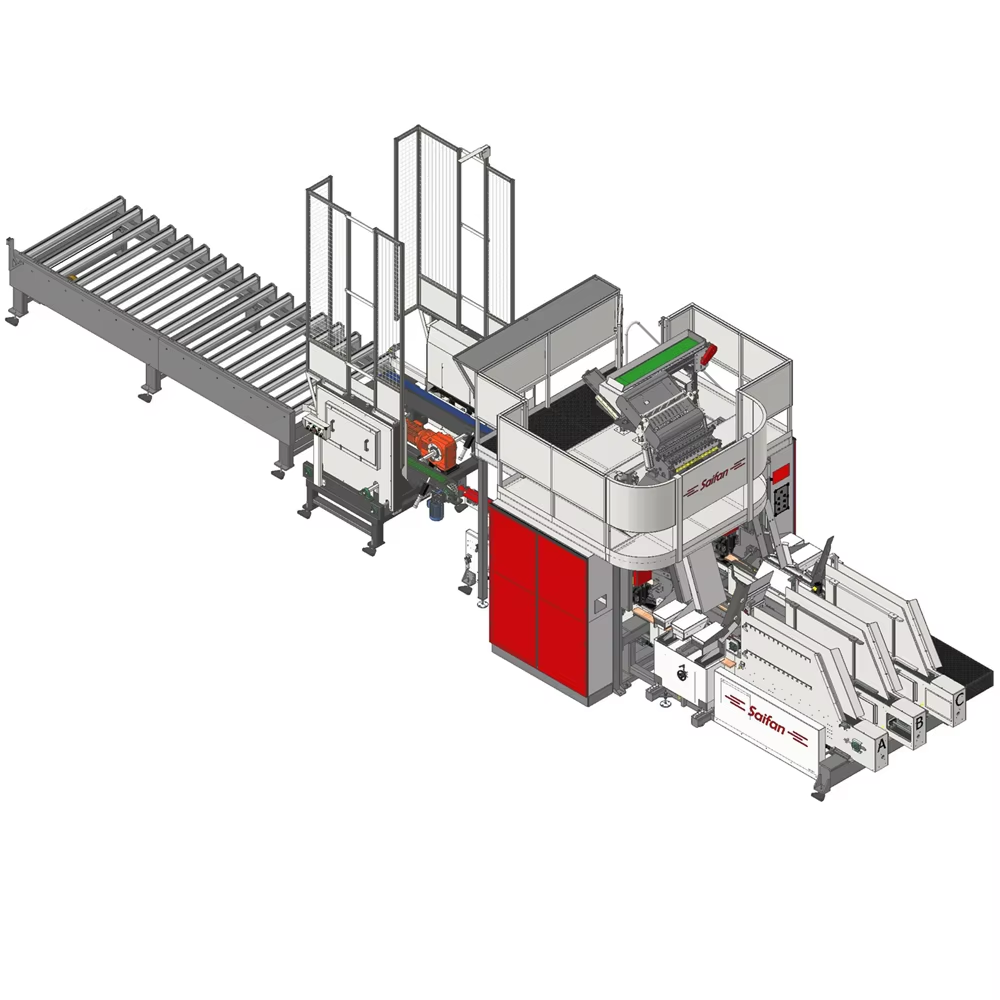
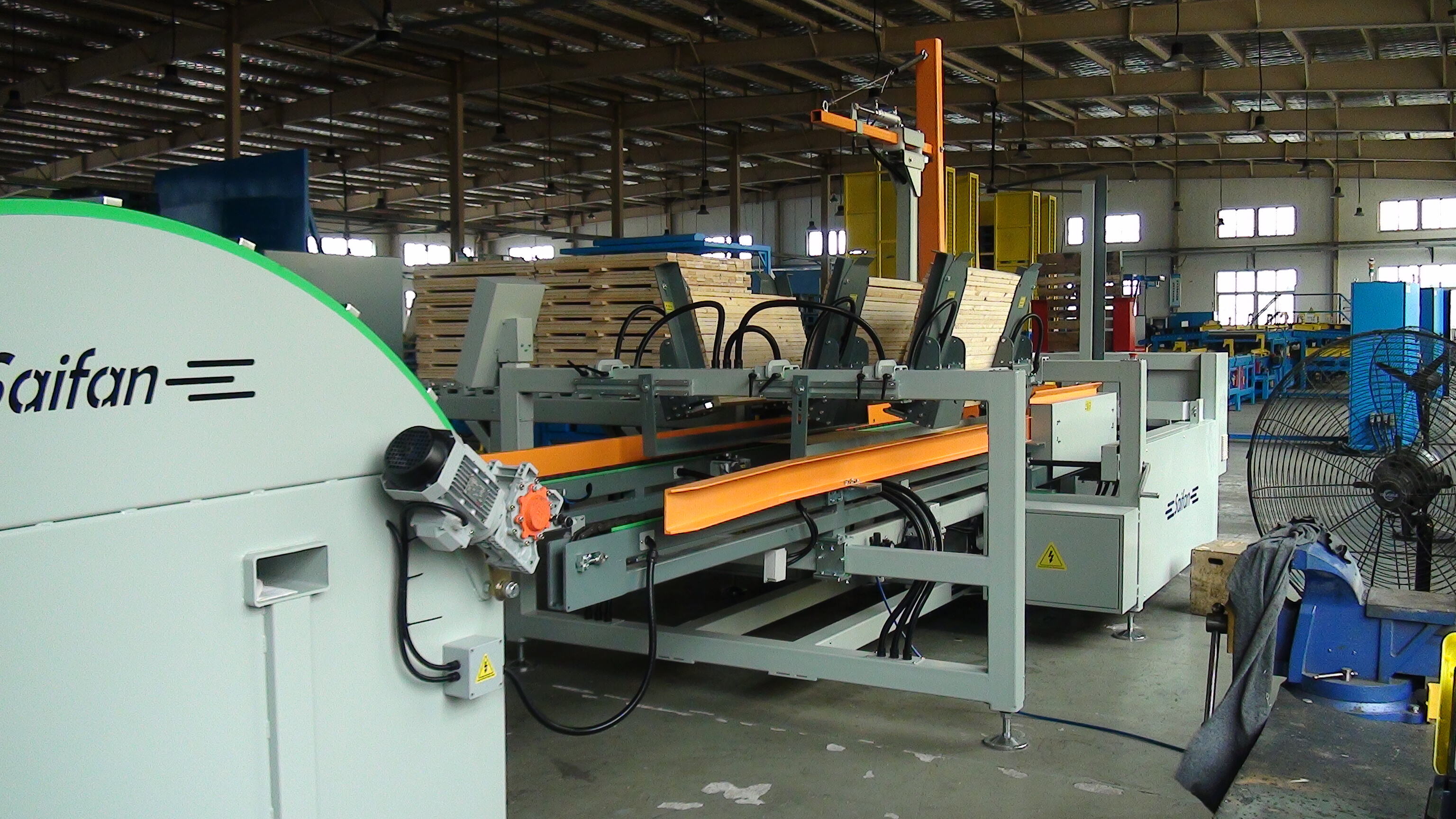
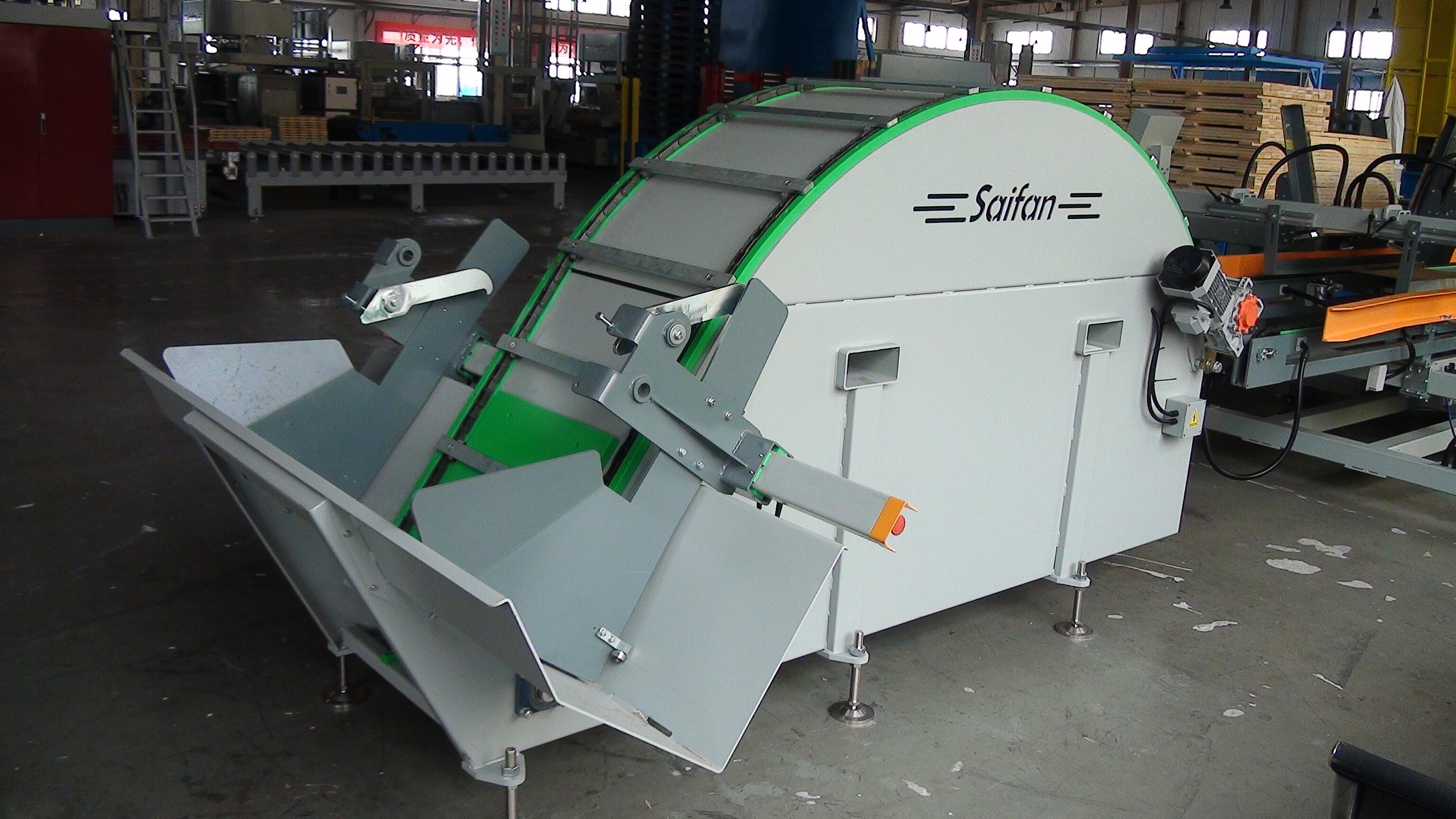
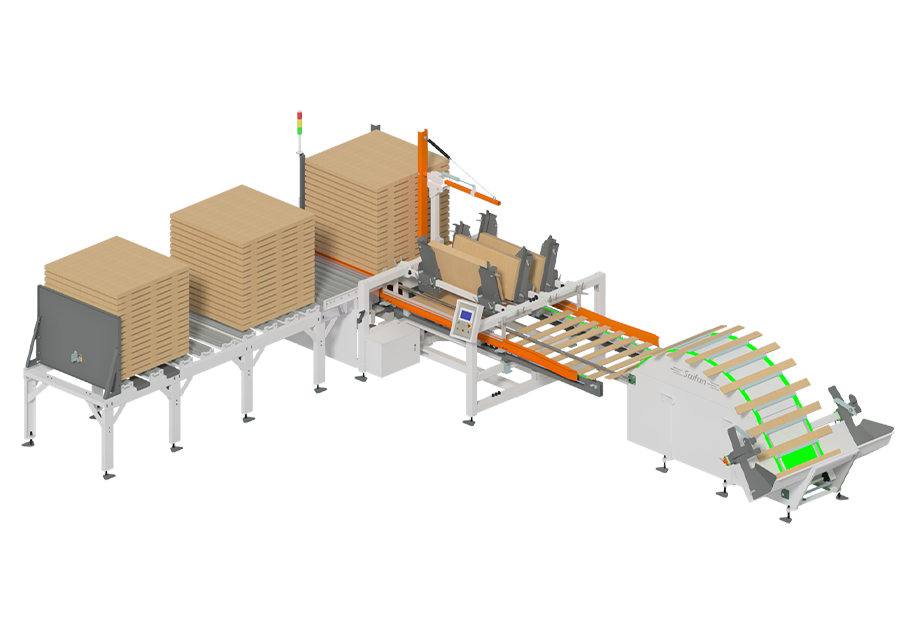
An automatic pallet stacker is an advanced material handling solution designed to streamline warehouse operations by automating the stacking and unstacking of palletized goods. This innovative equipment combines mechanical precision with intelligent control systems to handle heavy loads efficiently and safely. The automatic pallet stacker operates through programmable logic controllers that coordinate lifting mechanisms, positioning systems, and safety sensors to ensure accurate pallet placement at various heights. Its main functions include automated load transfer, vertical stacking up to multiple levels, and seamless integration with conveyor systems and warehouse management software. Technological features encompass hydraulic or electric lifting systems, adjustable fork widths to accommodate different pallet sizes, laser-guided positioning for precise alignment, and built-in safety mechanisms including overload protection and emergency stop functions. The equipment supports diverse load capacities ranging from lightweight packages to heavy industrial pallets weighing several tons. Applications span across manufacturing facilities, distribution centers, cold storage warehouses, and logistics hubs where high-volume pallet handling is essential. Industries such as food and beverage, pharmaceuticals, automotive parts, and e-commerce fulfillment rely on the automatic pallet stacker to maintain continuous workflow and optimize vertical storage space. The system reduces manual intervention while increasing throughput rates, making it an indispensable asset for modern warehouse automation strategies seeking to enhance productivity and workplace safety standards.

New Product Releases

Investing in an automatic pallet stacker delivers substantial operational improvements that directly impact your bottom line. Labor cost reduction stands as a primary benefit, as the equipment eliminates the need for multiple workers to perform repetitive stacking tasks, allowing you to reallocate human resources to more value-added activities. The system operates continuously with minimal downtime, significantly increasing throughput compared to manual or semi-automated alternatives. Safety enhancements represent another critical advantage, as automated operation removes workers from potentially hazardous situations involving heavy loads and elevated heights, reducing workplace injury risks and associated insurance costs. Space optimization becomes achievable through precise vertical stacking capabilities that maximize storage density within your existing facility footprint, potentially delaying or eliminating costly warehouse expansion projects. The automatic pallet stacker maintains consistent performance regardless of shift duration or environmental conditions, ensuring reliable operations during peak demand periods. Accuracy improvements minimize product damage from misaligned stacking or handling errors, protecting your inventory investment and maintaining customer satisfaction. Energy efficiency features in modern units reduce operational costs compared to older equipment or inefficient manual processes. The system adapts easily to various pallet types and load configurations, providing operational flexibility as your product mix evolves. Integration capabilities with existing warehouse management systems enable real-time inventory tracking and data-driven decision making. Quick return on investment typically occurs within two to three years through cumulative savings in labor, space utilization, and damage reduction. Maintenance requirements remain manageable with predictive diagnostics that alert operators to service needs before breakdowns occur, ensuring continuous availability and minimizing unexpected repair expenses.

Practical Tips

What Is Roll Coating and How Does Roll Coating Equipment Work

18

Mar

What Is Roll Coating and How Does Roll Coating Equipment Work

What Is Roll Coating? Understanding the Core Process 1. Basic Principles of Roll Coating Technology Roll coating stands out as one of the most effective ways to apply coatings, basically spreading a consistent layer across whatever surface needs t...
View More
Automation Trends in Industrial Wood Packaging Equipment

26

Feb

Automation Trends in Industrial Wood Packaging Equipment

Robotic Palletizing and Assembly for Modern Wood Packaging Equipment Vision-Guided Robotic Systems for Precision Wooden Pallet Loading Wood packaging equipment now benefits from vision guided robotics that position materials with incredible precis...
View More
How Automated Painting Lines Enhance Efficiency in Furniture Production

27

Mar

How Automated Painting Lines Enhance Efficiency in Furniture Production

Accelerating Production Throughput with Automatic Painting Lines Robotic Spray Arms and Synchronized Conveyance Boost Cycle Speed Today's automated spray painting systems combine robotic arms with smart conveyor technology to boost furniture manuf...
View More
SF 7013S Automatic Double-Head Slotting Machine - Basic Operation and Equipment Maintenance and Lubrication

18

Jun

SF 7013S Automatic Double-Head Slotting Machine - Basic Operation and Equipment Maintenance and Lubrication

I. Operating Precautions 1. Ensure that the equipment is connected to the ground wire. 2. Personal belongings can cause serious injuries. Before starting the machine, place watches, bracelets, etc. properly, fasten the cuffs, tie up long hair, r...
View More

Get a Free Quote

Our representative will contact you soon.
Email
Mobile
Name
Company Name
Message
0/1000

automatic pallet stacker

Advanced Safety Systems for Risk-Free Operations

Advanced Safety Systems for Risk-Free Operations

The automatic pallet stacker incorporates comprehensive safety features that create a secure working environment while maintaining high productivity levels. Multiple sensor arrays continuously monitor the operational zone, detecting obstacles, personnel, or unexpected conditions that could compromise safety. Emergency stop buttons positioned at strategic locations enable immediate shutdown when needed, while automatic braking systems prevent uncontrolled movements during power interruptions. Load stability sensors verify proper weight distribution before lifting operations commence, preventing dangerous tip-over situations. The equipment includes physical barriers and light curtains that establish clear separation between automated zones and pedestrian areas, ensuring workers remain protected from moving machinery. Overload protection automatically prevents attempts to lift beyond rated capacity, safeguarding both equipment longevity and operator safety. Audible and visual warning signals alert nearby personnel when the automatic pallet stacker initiates movement or lifting sequences. These integrated safety mechanisms comply with international standards and regulations, providing peace of mind while reducing liability exposure. The result is a workplace where automation enhances rather than compromises safety, allowing management to pursue efficiency goals without sacrificing employee wellbeing or regulatory compliance.
Intelligent Control Systems for Optimal Performance

Intelligent Control Systems for Optimal Performance

Modern automatic pallet stacker units feature sophisticated control systems that optimize every aspect of operation through smart automation and data analytics. Programmable logic controllers execute complex stacking sequences with precision timing, coordinating multiple mechanical components to achieve smooth, efficient movements. Adaptive algorithms learn from operational patterns, continuously refining performance parameters to match your specific workflow requirements. Touch-screen interfaces provide intuitive control, enabling operators to program custom stacking patterns, adjust speed settings, and monitor real-time performance metrics without specialized technical training. Remote diagnostics capabilities allow maintenance teams to assess equipment status and troubleshoot issues without physical inspection, reducing downtime and accelerating problem resolution. The automatic pallet stacker communicates bidirectionally with warehouse management systems, receiving instructions for incoming loads and reporting completion status to maintain accurate inventory records. Predictive maintenance algorithms analyze operational data to identify wear patterns and schedule service interventions before component failures occur. Energy management features optimize power consumption by adjusting operational parameters based on load characteristics and urgency levels. This intelligent approach transforms the automatic pallet stacker from simple mechanical equipment into a smart manufacturing asset that contributes to overall operational intelligence and continuous improvement initiatives.
Versatile Configuration Options for Diverse Applications

Versatile Configuration Options for Diverse Applications

The automatic pallet stacker offers extensive customization possibilities that ensure optimal fit for your specific operational requirements and facility constraints. Adjustable fork dimensions accommodate standard pallet sizes as well as custom configurations, providing flexibility as product specifications change over time. Lifting height options range from compact units for low-ceiling facilities to high-reach models capable of stacking multiple levels in facilities with significant vertical clearance. Power system choices include electric battery-operated models for indoor environments requiring zero emissions, and hydraulic variants for heavy-duty applications demanding maximum lifting capacity. The automatic pallet stacker integrates seamlessly with existing material handling infrastructure including roller conveyors, chain conveyors, and automated guided vehicle systems, creating cohesive workflows without requiring complete facility redesigns. Specialized versions address unique industry needs such as cold storage units with components rated for sub-zero temperatures, clean room compatible models for pharmaceutical applications, and explosion-proof configurations for hazardous environments. Modular design principles enable staged implementation, allowing businesses to start with basic functionality and add advanced features as operational maturity and budgets permit. This adaptability ensures the automatic pallet stacker remains a valuable asset throughout its service life, accommodating business growth and evolving operational strategies without premature obsolescence.